
linux下echo与time服务的程序实现
一、针对ECHO服务的TCP客户软件的实现
1.网络拓扑结构:
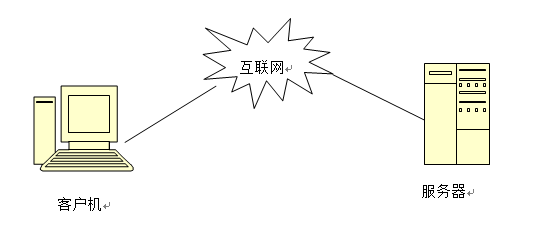
2.源码:
 #include <stdio.h>

 #include <stdlib.h>

 #include <unistd.h>

 #include <string.h>

 #include <stdarg.h>

 #include <sys/types.h>

 #include <sys/socket.h>

 #include <netinet/in.h>

 #include <arpa/inet.h>

 #include <netdb.h>

 #include <errno.h>

 #define LINELEN 128

 extern int errno;

 int TCPecho(const char *host, const char *service);

 int errexit(const char *format,...);

 int connectsock(const char *host, const char *service, const char *transport );

 int connectTCP(const char *host, const char *service);

 int main(int argc, char *argv[]){

     char *host= "localhost";

     char *service= "echo";

     switch(argc){

 case :

     host = "localhost";

     break;

 case :

     service = argv[];

 case :

     host=argv[];

     break;

 default:

     fprintf(stderr,"usage:TCPecho[host[port]]\n");

     exit();

     }

     TCPecho(host,service);

     exit();

 }

 int TCPecho(const char *host,const char *service){

     char buf[LINELEN+];

     int s,n;

     int outchars, inchars;

     s=connectTCP(host, service);

     while(fgets(buf,sizeof(buf),stdin)){

         buf[LINELEN]='\0';

         outchars=strlen(buf);

         (void)write(s,buf,outchars);

         for(inchars=;inchars<outchars;inchars+=n){

             n=read(s,&buf[inchars],outchars-inchars);

             if(n<)

                     errexit("socker read failed: %s\n",strerror(errno));

         }

         fputs(buf,stdout);

     }

 }

 int errexit(const char *format,...){

     va_list arg;

     va_start(arg, format);

     vfprintf(stderr,format,arg);

     va_end(arg);

     exit();

 }

 int connectsock(const char *host, const char *service, const char *transport )

 /*

  * Arguments:

  *      host      - name of host to which connection is desired

  *      service   - service associated with the desired port

  *      transport - name of transport protocol to use ("tcp" or "udp")

  */

 {

     struct hostent  *phe;   /* pointer to host information entry    */

     struct servent  *pse;   /* pointer to service information entry */

     struct protoent *ppe;   /* pointer to protocol information entry*/

     struct sockaddr_in sin; /* an Internet endpoint address     */

     int s, type;    /* socket descriptor and socket type    */

     memset(&sin, , sizeof(sin));

     sin.sin_family = AF_INET;

     /* Map service name to port number */

     if ( pse = getservbyname(service, transport) )

         sin.sin_port = pse->s_port;

     else if ((sin.sin_port=htons((unsigned short)atoi(service))) == )

         errexit("can't get \"%s\" service entry\n", service);

     /* Map host name to IP address, allowing for dotted decimal */

     if ( phe = gethostbyname(host) )

         memcpy(&sin.sin_addr, phe->h_addr, phe->h_length);

     else if ( (sin.sin_addr.s_addr = inet_addr(host)) == INADDR_NONE )

         errexit("can't get \"%s\" host entry\n", host);

     /* Map transport protocol name to protocol number */

     if ( (ppe = getprotobyname(transport)) == )

         errexit("can't get \"%s\" protocol entry\n", transport);

     /* Use protocol to choose a socket type */

     if (strcmp(transport, "udp") == )

         type = SOCK_DGRAM;

     else

         type = SOCK_STREAM;

     /* Allocate a socket */

     s = socket(PF_INET, type, ppe->p_proto);

     if (s < )

         errexit("can't create socket: %s\n", strerror(errno));

     /* Connect the socket */

     if (connect(s, (struct sockaddr *)&sin, sizeof(sin)) < )

         errexit("can't connect to %s.%s: %s\n", host, service,

             strerror(errno));

     return s;

 }

 int connectTCP(const char *host, const char *service){

     return connectsock(host,service,"tcp");

 }
二、针对echo服务的并发的面向连接的服务器软件的实现
1.网络拓扑结构:

2.源码:
 #define _USE_BSD

 #include <stdio.h>

 #include <stdlib.h>

 #include <unistd.h>

 #include <string.h>

 #include <stdarg.h>

 #include <sys/types.h>

 #include <sys/socket.h>

 #include <netinet/in.h>

 #include <arpa/inet.h>

 #include <netdb.h>

 #include <signal.h>

 #include <errno.h>

 #define QLEN 32

 #define BUFSIZE 4096

 extern int errno;

 unsigned short portbase = ;

 void reaper(int);

 int TCPechod(int fd);

 int errexit(const char *format,...);

 int passivesock(const char *service, const char *transport, int qlen);

 int passiveTCP(const char *service,int qlen);

 int main(int argc, char *argv[]){

     char *service= "echo";

     struct sockaddr_in fsin;

     unsigned int alen;

     int msock,ssock;

     switch(argc){

 case :

     break;

 case :

     service=argv[];

     break;

 default:

     errexit("usage: TCPechod [port]\n");

     }

     msock=passiveTCP(service,QLEN);

     (void)signal(SIGCHLD,(__sighandler_t)QLEN);

     while(){

         alen=sizeof(fsin);

         ssock=accept(msock,(struct sockaddr *)&fsin,&alen);

         if(ssock<){

             if(errno==EINTR)    continue;

             errexit("accept: %s\n",strerror(errno));

         }

         switch(fork()){

     case :

         (void)close(msock);

         exit(TCPechod(ssock));

     default:

         (void)close(ssock);

         break;

     case -:

         errexit("fork: %s\n",strerror(errno));

         }

     }

 }

 void reaper(int sig){

     int status;

     while(wait3(&status,WNOHANG,(struct rusage *))>=) ;

 }

 int TCPechod(int fd){

     char buf[BUFSIZ];

     int cc;

     while(cc=read(fd,buf,sizeof(buf))){

         if(cc<)

             errexit("echo read: %s\n",strerror(errno));

         if(write(fd,buf,cc)<)

             errexit("echo write: %s\n",strerror(errno));

     }

     return ;

 }

 int errexit(const char *format,...){

     va_list arg;

     va_start(arg, format);

     vfprintf(stderr,format,arg);

     va_end(arg);

     exit();

 }

 int passivesock(const char *service, const char *transport, int qlen)

 /*

  * Arguments:

  *      service   - service associated with the desired port

  *      transport - transport protocol to use ("tcp" or "udp")

  *      qlen      - maximum server request queue length

  */

 {

     struct servent*pse;/* pointer to service information entry*/

     struct protoent *ppe;/* pointer to protocol information entry*/

     struct sockaddr_in sin;/* an Internet endpoint address*/

     int s, type;/* socket descriptor and socket type*/

     memset(&sin, , sizeof(sin));

     sin.sin_family = AF_INET;

     sin.sin_addr.s_addr = INADDR_ANY;

         /* Map service name to port number */

     if ( pse = getservbyname(service, transport) )

     sin.sin_port = htons(ntohs((unsigned short)pse->s_port)+ portbase);

     else

               if ((sin.sin_port=htons((unsigned short)atoi(service)+portbase)) == )

     errexit("can't create passive service %d \n",sin.sin_port);

         /* Map protocol name to protocol number */

     if ( (ppe = getprotobyname(transport)) == )

     errexit("can't get \"%s\" protocol entry\n", transport);

         /* Use protocol to choose a socket type */

     if (strcmp(transport, "udp") == )

     type = SOCK_DGRAM;

     else

     type = SOCK_STREAM;

         /* Allocate a socket */

     s = socket(PF_INET, type, ppe->p_proto);

     if (s < )

     errexit("can't create socket: %s\n", strerror(errno));

         /* Bind the socket */

     if (bind(s, (struct sockaddr *)&sin, sizeof(sin)) < )

     errexit("can't bind to %s port: %s\n", service,

     strerror(errno));

     if (type == SOCK_STREAM && listen(s, qlen) < )

     errexit("can't listen on %s port: %s\n", service,

     strerror(errno));

     return s;

 }

 int passiveTCP(const char *service,int qlen){

     return passivesock(service,"tcp",qlen);

 }
三、针对TIME服务的UDP客户软件的实现
1.网络拓扑结构:
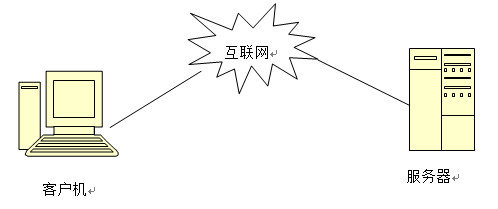
2.源码:
 #include <stdio.h>

 #include <stdlib.h>

 #include <unistd.h>

 #include <string.h>

 #include <stdarg.h>

 #include <sys/types.h>

 #include <sys/socket.h>

 #include <netinet/in.h>

 #include <arpa/inet.h>

 #include <netdb.h>

 #include <time.h>

 #include <errno.h>

 #define BUFSIZE 64

 #define UNIXEPOCH 2208988800UL

 #define MSG "what time is it?\n"

 extern int errno;

 int errexit(const char *format,...);

 int connectsock(const char *host, const char *service, const char *transport );

 int connectUDP(const char *host, const char *service);

 int main(int argc, char *argv[]){

     char *host= "localhost";

     char *service= "time";

     time_t now;

     int s,n;

     switch(argc){

 case :

     host = "localhost";

     break;

 case :

     service = argv[];

 case :

     host=argv[];

     break;

 default:

     fprintf(stderr,"usage: UDPtime[host[port]]\n");

     exit();

     }

     s=connectUDP(host,service);

     (void)write(s,MSG,strlen(MSG));

     n=read(s,(char *)&now,sizeof(now));

     if(n<)     errexit("read failed: %s\n",strerror(errno));

     now=ntohl((unsigned long)now);

     now-=UNIXEPOCH;

     printf("%s",ctime(&now));

     exit();

 }

 int errexit(const char *format,...){

     va_list arg;

     va_start(arg, format);

     vfprintf(stderr,format,arg);

     va_end(arg);

     exit();

 }

 int connectsock(const char *host, const char *service, const char *transport )

 /*

  * Arguments:

  *      host      - name of host to which connection is desired

  *      service   - service associated with the desired port

  *      transport - name of transport protocol to use ("tcp" or "udp")

  */

 {

     struct hostent  *phe;   /* pointer to host information entry    */

     struct servent  *pse;   /* pointer to service information entry */

     struct protoent *ppe;   /* pointer to protocol information entry*/

     struct sockaddr_in sin; /* an Internet endpoint address     */

     int s, type;    /* socket descriptor and socket type    */

     memset(&sin, , sizeof(sin));

     sin.sin_family = AF_INET;

     /* Map service name to port number */

     if ( pse = getservbyname(service, transport) )

         sin.sin_port = pse->s_port;

     else if ((sin.sin_port=htons((unsigned short)atoi(service))) == )

         errexit("can't get \"%s\" service entry\n", service);

     /* Map host name to IP address, allowing for dotted decimal */

     if ( phe = gethostbyname(host) )

         memcpy(&sin.sin_addr, phe->h_addr, phe->h_length);

     else if ( (sin.sin_addr.s_addr = inet_addr(host)) == INADDR_NONE )

         errexit("can't get \"%s\" host entry\n", host);

     /* Map transport protocol name to protocol number */

     if ( (ppe = getprotobyname(transport)) == )

         errexit("can't get \"%s\" protocol entry\n", transport);

     /* Use protocol to choose a socket type */

     if (strcmp(transport, "udp") == )

         type = SOCK_DGRAM;

     else

         type = SOCK_STREAM;

     /* Allocate a socket */

     s = socket(PF_INET, type, ppe->p_proto);

     if (s < )

         errexit("can't create socket: %s\n", strerror(errno));

     /* Connect the socket */

     if (connect(s, (struct sockaddr *)&sin, sizeof(sin)) < )

         errexit("can't connect to %s.%s: %s\n", host, service,

             strerror(errno));

     return s;

 }

 int connectUDP(const char *host, const char *service){

     return connectsock(host,service,"udp");

 }
四、针对TIME服务的UDP服务器端软件的实现
1.网络拓扑结构:

2.源码:
 #include <stdio.h>

 #include <stdlib.h>

 #include <unistd.h>

 #include <string.h>

 #include <stdarg.h>

 #include <sys/types.h>

 #include <sys/socket.h>

 #include <netinet/in.h>

 #include <arpa/inet.h>

 #include <netdb.h>

 #include <errno.h>

 #define UNIXEPOCH 2208988800UL

 extern int errno;

 unsigned short portbase = ;

 int errexit(const char *format,...);

 int passivesock(const char *service, const char *transport, int qlen);

 int passiveUDP(const char *service);

 int main(int argc, char *argv[]){

     char *service= "time";

     struct sockaddr_in fsin;

     char buf[];

     int sock;

     time_t now;

     unsigned int alen;

     switch(argc){

 case :

     break;

 case :

     service=argv[];

     break;

 default:

     errexit("usage: UDPtimed [port]\n");

     }

     sock=passiveUDP(service);

     while(){

         alen=sizeof(fsin);

         if(recvfrom(sock,buf,sizeof(buf),,(struct sockaddr *)&fsin,&alen)<)

             errexit("recvfrom: %s\n",strerror(errno));

         (void)time(&now);

         now=htonl((unsigned long)(now+UNIXEPOCH));

         (void)sendto(sock,(char*)&now,sizeof(now),,(struct sockaddr *)&fsin,sizeof(fsin));

     }

 }

 int errexit(const char *format,...){

     va_list arg;

     va_start(arg, format);

     vfprintf(stderr,format,arg);

     va_end(arg);

     exit();

 }

 int passivesock(const char *service, const char *transport, int qlen)

 /*

  * Arguments:

  *      service   - service associated with the desired port

  *      transport - transport protocol to use ("tcp" or "udp")

  *      qlen      - maximum server request queue length

  */

 {

     struct servent*pse;/* pointer to service information entry*/

     struct protoent *ppe;/* pointer to protocol information entry*/

     struct sockaddr_in sin;/* an Internet endpoint address*/

     int s, type;/* socket descriptor and socket type*/

     memset(&sin, , sizeof(sin));

     sin.sin_family = AF_INET;

     sin.sin_addr.s_addr = INADDR_ANY;

         /* Map service name to port number */

     if ( pse = getservbyname(service, transport) )

     sin.sin_port = htons(ntohs((unsigned short)pse->s_port)+ portbase);

     else

               if ((sin.sin_port=htons((unsigned short)atoi(service)+portbase)) == )

     errexit("can't create passive service %d \n",sin.sin_port);

         /* Map protocol name to protocol number */

     if ( (ppe = getprotobyname(transport)) == )

     errexit("can't get \"%s\" protocol entry\n", transport);

         /* Use protocol to choose a socket type */

     if (strcmp(transport, "udp") == )

     type = SOCK_DGRAM;

     else

     type = SOCK_STREAM;

         /* Allocate a socket */

     s = socket(PF_INET, type, ppe->p_proto);

     if (s < )

     errexit("can't create socket: %s\n", strerror(errno));

         /* Bind the socket */

     if (bind(s, (struct sockaddr *)&sin, sizeof(sin)) < )

     errexit("can't bind to %s port: %s\n", service,

     strerror(errno));

     if (type == SOCK_STREAM && listen(s, qlen) < )

     errexit("can't listen on %s port: %s\n", service,

     strerror(errno));

     return s;

 }

 int passiveUDP(const char *service){

     return passivesock(service,"udp",);

 }
这里是用的我实验时的代码,前两个是关于echo服务的客户端与服务器端,有下面运行截图:

后两个是关于time服务的,有下面运行截图:

实验时由于多次运行验证,总会出现端口占用的情况,于是这里每次运行时都输入程序的入口参数(就是main函数里的形参),自选端口,方便至极。还有就是代码里多个函数可以写入多个cpp里,这里偷懒了。
linux下echo与time服务的程序实现的更多相关文章
- Linux下rsyslog日志收集服务环境部署记录【转】
rsyslog 可以理解为多线程增强版的syslog. 在syslog的基础上扩展了很多其他功能,如数据库支持(MySQL.PostgreSQL.Oracle等).日志内容筛选.定义日志格式模板等.目 ...
- linux下syslog-ng日志集中管理服务部署记录
syslog是Linux系统默认的日志守护进程,默认的syslog配置文件是/etc/syslog.conf文件.syslog守护进程是可配置的,它允许人们为每一种类型的系统信息精确地指定一个存放地点 ...
- Linux下使用Eclipse开发Hadoop应用程序
在前面一篇文章中介绍了如果在完全分布式的环境下搭建Hadoop0.20.2,现在就再利用这个环境完成开发. 首先用hadoop这个用户登录linux系统(hadoop用户在前面一篇文章中创建的),然后 ...
- Linux下通过源码编译安装程序
本文简单的记录了下,在linux下如何通过源码安装程序,以及相关的知识.(大神勿喷^_^) 一.程序的组成部分 Linux下程序大都是由以下几部分组成: 二进制文件:也就是可以运行的程序文件 库文件: ...
- Linux下简单的取点阵字模程序
源:Linux下简单的取点阵字模程序 Linux操作系统下进行简单的图形开发,经常会用到取字模的软件,但是Linux并没有像Windows下的小工具可用,我们也并不希望为了取字模而频繁地切换操作系统. ...
- 【转】在嵌入式Linux和PC机Linux下使用popen函数时,程序运行结果有差异。
下面程序演示了在嵌入式Linux和PC机Linux下使用popen函数时,程序的运行结果是有差异的. 两个程序 atest.c 和 btest.c,atest 检查是否有 btest 进程运行,如果没 ...
- linux下,一个运行中的程序,究竟占用了多少内存
linux下,一个运行中的程序,究竟占用了多少内存 1. 在linux下,查看一个运行中的程序, 占用了多少内存, 一般的命令有 (1). ps aux: 其中 VSZ(或VSS)列 表示,程序占用 ...
- Linux下如何不停止服务,清空nohup.out文件
tips:最近发现有不少人在百度这个问题,当初如易我也是初学者,随便从网上搜了一下,就转过来了,不过为了避免搜索结果同质化,为大家提供更翔实的参考,我将nohup.out相关知识整理汇总如下: 1.n ...
- linux下echo命令详解(转)
linux的echo命令, 在shell编程中极为常用, 在终端下打印变量value的时候也是常常用到的, 因此有必要了解下echo的用法 echo命令的功能是在显示器上显示一段文字,一般起到一个 ...
随机推荐
- 【BZOJ4025】二分图 LCT
[BZOJ4025]二分图 Description 神犇有一个n个节点的图.因为神犇是神犇,所以在T时间内一些边会出现后消失.神犇要求出每一时间段内这个图是否是二分图.这么简单的问题神犇当然会做了,于 ...
- 【深度学习笔记】Anaconda及开发环境搭建
在学习了一段时间台大李宏毅关于deep learning的课程,以及一些其他机器学习的书之后,终于打算开始动手进行一些实践了. 感觉保完研之后散养状态下,学习效率太低了,于是便想白天学习,晚上对白天学 ...
- 【转】如何将FLAC格式转为MP3格式
原文网址:http://jingyan.baidu.com/ae/3aed632e65708470108091ca.html FLAC全称为无损音频压缩编码,FLAC格式又称无损格式 不会破坏原有的音 ...
- SSH远程登录CentOS服务器
1.把ssh默认远程连接端口修改为2200编辑防火墙配置:vi /etc/sysconfig/iptables防火墙增加新端口2222 -A INPUT -m state --state NEW -m ...
- Java通过aws java sdk在AWS S3上进行操作客户端
有两种方式可以安装aws java sdk:方式一:可以在这个网站上下载适用于 Java 的 AWS 开发工具包https://aws.amazon.com/cn/sdk-for-java/点击网页右 ...
- vs2015安装ORACLE的DbFirst
不说DbFirst好在哪里,它和ModelFirst,CodeFirst都各有各的好,由于对于已经存在的一个大型的业务库,使用EntityFramework的更倾向于DbFirst,因为好多同事已经习 ...
- 以图文解锁 HTTPS原理***
我们先不了聊HTTP,HTTPS,我们先从一个聊天软件说起,我们要实现A能发一个hello消息给B: 如果我们要实现这个聊天软件,本文只考虑安全性问题,要实现: A发给B的hello消息包,即使被中间 ...
- Python GUI编程(Tkinter) windows界面开发
Python实现GUI简单的来说可以调用Tkinter库,这样一般的需求都可以实现,显示简单的windows窗口代码如下: python_gui.py 1 #!C:\Python27\python.e ...
- linux 文件结构
Linux常见的目录解释: 目录 描述 / 根目录 /bin 做为基础系统所需要的最基础的命令就是放在这里.比如 ls.cp.mkdir等命令:功能和/usr/bin类似,这个目录中的文件都是可执行的 ...
- Ajax显示隐藏
$(function(){ $('#search').click(function(){ if($(".search_div").is(":visible")) ...