
POI读取公式的值
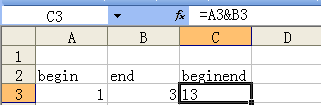
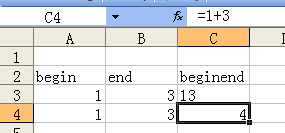
excel中的数据:
package poi;

import java.io.FileInputStream;

import java.io.IOException;

import java.io.InputStream;

import org.apache.poi.hssf.usermodel.HSSFWorkbook;

import org.apache.poi.ss.usermodel.Cell;

import org.apache.poi.ss.usermodel.CellValue;

import org.apache.poi.ss.usermodel.FormulaEvaluator;

import org.apache.poi.ss.usermodel.Row;

import org.apache.poi.ss.usermodel.Sheet;

public class TestReadFormula {

    private static FormulaEvaluator evaluator;

    public static void main(String[] args) throws IOException {

        InputStream is=new FileInputStream("ReadFormula.xls");

        HSSFWorkbook wb=new HSSFWorkbook(is);

        Sheet sheet=wb.getSheetAt(0);

        evaluator=wb.getCreationHelper().createFormulaEvaluator();

        for (int i = 1; i <4; i++) {

            Row  row=sheet.getRow(i);

            for (Cell cell : row) {

                System.out.println(getCellValue(cell));

            }

        }

        wb.close();

    }

    private static String getCellValue(Cell cell) {

        if (cell==null) {

            return "isNull";

        }

        System.out.println("rowIdx:"+cell.getRowIndex()+",colIdx:"+cell.getColumnIndex());

        String cellValue = null;

        switch (cell.getCellType()) {

        case Cell.CELL_TYPE_STRING:

            System.out.print("STRING :");

            cellValue=cell.getStringCellValue();

            break;

        case Cell.CELL_TYPE_NUMERIC:

            System.out.print("NUMERIC:");

            cellValue=String.valueOf(cell.getNumericCellValue());

            break;

        case Cell.CELL_TYPE_FORMULA:

            System.out.print("FORMULA:");

            cellValue=getCellValue(evaluator.evaluate(cell));

            break;

        default:

            System.out.println("Has Default.");

            break;

        }

        return cellValue;

    }

    private static String getCellValue(CellValue cell) {

        String cellValue = null;

        switch (cell.getCellType()) {

        case Cell.CELL_TYPE_STRING:

            System.out.print("String :");

            cellValue=cell.getStringValue();

            break;

        case Cell.CELL_TYPE_NUMERIC:

            System.out.print("NUMERIC:");

            cellValue=String.valueOf(cell.getNumberValue());

            break;

        case Cell.CELL_TYPE_FORMULA:

            System.out.print("FORMULA:");

            break;

        default:

            break;

        }

        return cellValue;

    }

}
Output:
rowIdx:1,colIdx:0

STRING :begin

rowIdx:1,colIdx:1

STRING :end

rowIdx:1,colIdx:2

FORMULA:String :beginend

rowIdx:2,colIdx:0

NUMERIC:1.0

rowIdx:2,colIdx:1

NUMERIC:3.0

rowIdx:2,colIdx:2

FORMULA:String :13

rowIdx:3,colIdx:0

NUMERIC:1.0

rowIdx:3,colIdx:1

NUMERIC:3.0

rowIdx:3,colIdx:2

FORMULA:NUMERIC:4.0
Formula Evaluation:
User API How-TO
The following code demonstrates how to use the FormulaEvaluator in the context of other POI excel reading code.
There are several ways in which you can use the FormulaEvalutator API.
Using FormulaEvaluator.evaluate(Cell cell)
This evaluates a given cell, and returns the new value, without affecting the cell
FileInputStream fis = new FileInputStream("c:/temp/test.xls");

Workbook wb = new HSSFWorkbook(fis); //or new XSSFWorkbook("c:/temp/test.xls")

Sheet sheet = wb.getSheetAt(0);

FormulaEvaluator evaluator = wb.getCreationHelper().createFormulaEvaluator();

// suppose your formula is in B3

CellReference cellReference = new CellReference("B3");

Row row = sheet.getRow(cellReference.getRow());

Cell cell = row.getCell(cellReference.getCol());

CellValue cellValue = evaluator.evaluate(cell);

switch (cellValue.getCellType()) {

    case Cell.CELL_TYPE_BOOLEAN:

        System.out.println(cellValue.getBooleanValue());

        break;

    case Cell.CELL_TYPE_NUMERIC:

        System.out.println(cellValue.getNumberValue());

        break;

    case Cell.CELL_TYPE_STRING:

        System.out.println(cellValue.getStringValue());

        break;

    case Cell.CELL_TYPE_BLANK:

        break;

    case Cell.CELL_TYPE_ERROR:

        break;

    // CELL_TYPE_FORMULA will never happen

    case Cell.CELL_TYPE_FORMULA:

        break;

}
Thus using the retrieved value (of type FormulaEvaluator.CellValue - a nested class) returned by FormulaEvaluator is similar to using a Cell object containing the value of the formula evaluation. CellValue is a simple value object and does not maintain reference to the original cell.
Using FormulaEvaluator.evaluateFormulaCell(Cell cell)
evaluateFormulaCell(Cell cell) will check to see if the supplied cell is a formula cell. If it isn't, then no changes will be made to it. If it is, then the formula is evaluated. The value for the formula is saved alongside it, to be displayed in excel. The formula remains in the cell, just with a new value
The return of the function is the type of the formula result, such as Cell.CELL_TYPE_BOOLEAN
FileInputStream fis = new FileInputStream("/somepath/test.xls");

Workbook wb = new HSSFWorkbook(fis); //or new XSSFWorkbook("/somepath/test.xls")

Sheet sheet = wb.getSheetAt(0);

FormulaEvaluator evaluator = wb.getCreationHelper().createFormulaEvaluator();

// suppose your formula is in B3

CellReference cellReference = new CellReference("B3");

Row row = sheet.getRow(cellReference.getRow());

Cell cell = row.getCell(cellReference.getCol());

if (cell!=null) {

    switch (evaluator.evaluateFormulaCell(cell)) {

        case Cell.CELL_TYPE_BOOLEAN:

            System.out.println(cell.getBooleanCellValue());

            break;

        case Cell.CELL_TYPE_NUMERIC:

            System.out.println(cell.getNumericCellValue());

            break;

        case Cell.CELL_TYPE_STRING:

            System.out.println(cell.getStringCellValue());

            break;

        case Cell.CELL_TYPE_BLANK:

            break;

        case Cell.CELL_TYPE_ERROR:

            System.out.println(cell.getErrorCellValue());

            break;

        // CELL_TYPE_FORMULA will never occur

        case Cell.CELL_TYPE_FORMULA:

            break;

    }

}
Using FormulaEvaluator.evaluateInCell(Cell cell)
evaluateInCell(Cell cell) will check to see if the supplied cell is a formula cell. If it isn't, then no changes will be made to it. If it is, then the formula is evaluated, and the new value saved into the cell, in place of the old formula.
FileInputStream fis = new FileInputStream("/somepath/test.xls");

Workbook wb = new HSSFWorkbook(fis); //or new XSSFWorkbook("/somepath/test.xls")

Sheet sheet = wb.getSheetAt(0);

FormulaEvaluator evaluator = wb.getCreationHelper().createFormulaEvaluator();

// suppose your formula is in B3

CellReference cellReference = new CellReference("B3");

Row row = sheet.getRow(cellReference.getRow());

Cell cell = row.getCell(cellReference.getCol());

if (cell!=null) {

    switch (evaluator.evaluateInCell(cell).getCellType()) {

        case Cell.CELL_TYPE_BOOLEAN:

            System.out.println(cell.getBooleanCellValue());

            break;

        case Cell.CELL_TYPE_NUMERIC:

            System.out.println(cell.getNumericCellValue());

            break;

        case Cell.CELL_TYPE_STRING:

            System.out.println(cell.getStringCellValue());

            break;

        case Cell.CELL_TYPE_BLANK:

            break;

        case Cell.CELL_TYPE_ERROR:

            System.out.println(cell.getErrorCellValue());

            break;

        // CELL_TYPE_FORMULA will never occur

        case Cell.CELL_TYPE_FORMULA:

            break;

    }

}
Re-calculating all formulas in a Workbook
FileInputStream fis = new FileInputStream("/somepath/test.xls");

Workbook wb = new HSSFWorkbook(fis); //or new XSSFWorkbook("/somepath/test.xls")

FormulaEvaluator evaluator = wb.getCreationHelper().createFormulaEvaluator();

for(int sheetNum = 0; sheetNum < wb.getNumberOfSheets(); sheetNum++) {

    Sheet sheet = wb.getSheetAt(sheetNum);

    for(Row r : sheet) {

        for(Cell c : r) {

            if(c.getCellType() == Cell.CELL_TYPE_FORMULA) {

                evaluator.evaluateFormulaCell(c);

            }

        }

    }

}
Alternately, if you know which of HSSF or XSSF you're working with, then you can call the static evaluateAllFormulaCells method on the appropriate HSSFFormulaEvaluator or XSSFFormulaEvaluator class.
http://poi.apache.org/spreadsheet/eval.html
POI读取公式的值的更多相关文章
- POI单元格添加公式以及读取公式结果的值
POI提供了为单元格添加条件样式的方法,但是我并没有找到获取单元格改变后样式的方法,获取到样式依旧是没有改变之前的. 比如为单元格添加条件样式用于监听单元格值是否被修改,如果单元格值被修改那么字体颜色 ...
- java用poi读取Excel表格中的数据
Java读写Excel的包是Apache POI(项目地址:http://poi.apache.org/),因此需要先获取POI的jar包,本实验使用的是POI 3.9稳定版.Apache POI 代 ...
- Java开发小技巧(六):使用Apache POI读取Excel
前言 在数据仓库中,ETL最基础的步骤就是从数据源抽取所需的数据,这里所说的数据源并非仅仅是指数据库,还包括excel.csv.xml等各种类型的数据接口文件,而这些文件中的数据不一定是结构化存储的, ...
- 使用poi读取excel数据示例
使用poi读取excel数据示例 分两种情况: 一种读取指定单元格的值 另一种是读取整行的值 依赖包: <dependency> <groupId>org.apache.poi ...
- NPOI 读取excel到DataTable 读取隐藏列 读取公式列
处理思路: 1.打开excel 用NPOI进行读取: 2.读取第一个Sheet: 读取过程中: a.先设置相应列 不隐藏 b.读取Cell时 先判断是否的包含公式 相应代码如下: public sta ...
- POI读取/写入Excel文件
import java.io.File; import java.io.FileInputStream; import java.io.FileOutputStream; import java.io ...
- jspsmart(保存文件)+poi(读取excel文件)操作excel文件
写在前面: 项目环境:jdk1.4+weblogic 需求:能上传excel2003+2007 由于项目不仅需要上传excel2003,还要上传excel2007,故我们抛弃了jxl(只能上传exce ...
- POI读取excel文件。
1) poi读取现成.xls文件,不需要自己建立.xls ====ReadExcel类==== package cust.com.excelToDataTest; import java.io.F ...
- poi读取Excel模板并修改模板内容与动态的增加行
有时候我们可能遇到相当复杂的excel,比如表头的合并等操作,一种简单的方式就是直接代码合并(浪费时间),另一种就是写好模板,动态的向模板中增加行和修改指定单元格数据. 1.一个简单的根据模板shee ...
随机推荐
- 使用sqlite保存数据返回主键
/// <summary> /// 返回insert后的主键值 /// </summary> /// <param name="SQLString"& ...
- 1, sync_with_stdio(), tie()的应用
一.sync_with_stdio() 这个函数是一个“是否兼容stdio”的开关,C++为了兼容C,保证程序在使用了std::printf和std::cout的时候不发生混乱,将输出流绑在了一起. ...
- 为什么希捷选择了8GB作为标准的闪存容量呢?答案就在下面(新的驱动器可以实现一定程度上的写入缓存)
与前两代Momentus XT产品不同,希捷称第三代混合硬盘所使用的技术更接近真正的SSHD(Solid State Hybrid Disk?),而不是HHD.也就是说更偏向于固态硬盘.首先它不会属于 ...
- lucene 索引查看工具
luke 是 lucene 索引查看工具,基于 swing 开发的,是 lucene.solr.nutch 开发过程中不可或缺的工具.在测试搜索过程,进程出现搜不到东西或者搜到的东西不是想要的结果时, ...
- MapReduce调度与执行原理之任务调度(续)
前言 :本文旨在理清在Hadoop中一个MapReduce作业(Job)在提交到框架后的整个生命周期过程,权作总结和日后参考,如有问题,请不吝赐教.本文不涉及Hadoop的架构设计,如有兴趣请参考相关 ...
- 怎样删除在Github中创建的项目
像我这种刚開始学习的人总会不可避免的创建了一些測试性的项目.随后自然就是要删除了.那么该怎样删除呢? 你此刻可能处于这个界面: 也可能处于这个界面: 假设是第一个界面直接点击右側的"Sett ...
- inheritAll 及 ant antfile案例分析
<?xml version="1.0"?> <project name="a" default="targeta"> ...
- 闲扯 Javascript 03 时钟和QQ延时框
时钟 : 所用到得图片 : 开启定时器 setInterval 间隔型 setTimeout 延时型 停止定时器 clearInterval clearTimeout 效果思路 获取系统时间 D ...
- Linux开机启动十步骤
启动第一步--加载BIOS 启动第二步--读取MBR 启动第三步--Boot Loader 启动第四步--加载内核 启动第五步--用户层init依据inittab文件来设定运行等级 启动第六步--in ...
- 一天一个类,一点也不累 之 Set接口
我们的口号是:一天一个类,一点也不累-- 再次回忆一下集合相关的类图. 官方API上这样介绍这个接口: A collection that contains no duplicate elements ...