
关于python协程中aiorwlock 使用问题
最近工作中多个项目都开始用asyncio aiohttp aiomysql aioredis ,其实也是更好的用python的协程,但是使用的过程中也是遇到了很多问题,最近遇到的就是
关于aiorwlock 的问题,在使用中碰到了当多个协程同时来请求锁的时候 在其中一个还没释放锁的时候,另外一个协程也获取到锁,这里进行整理,也希望知道问题你解决方法的,一起讨论一下,正好最近经常用到协程的东西,所以准备建一个群,也欢迎大家一起进来讨论python协程的内容,群号:692953542
关于场景的描述
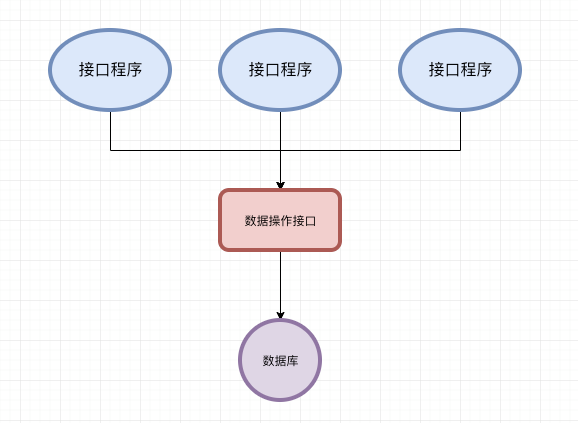
数据库的要操作的表的信息为:
| id | name | nickname | count | flag | crdate |
| 1 | 800100 | aa | 100 | 1 | 2018-11-18 10:07:22 |
| 2 | 800101 | bb | 200 | 1 | 2018-11-18 10:07:23 |
当多个请求都到数据库操作接口程序的时候,针对同一个name的count进行增加或者减少,就要保证操作的同一个时刻只有一个可以去获取count的值并进行update操作,所以我是在这一步增加了锁,因为使用aiohttp写的,所以想要在这里也用了aiorwlock,但是在我测试的过程中发现了,当一个协程获取锁还没释放锁的时候,另外一个协程也获取到锁,下面我是具体的代码
程序代码
核心的处理类:
class CntHandler(object):

    def __init__(self, db, loop):

        self.db = db

        self.loop = loop

        self.company_lock = {}

    def response(self, request, msg):

        peer = request.transport.get_extra_info('peername')

        logging.info("request url[%s] from[%s]: %s", request.raw_path, peer, msg)

        origin = request.headers.get("Origin")

        if origin is not None:

            headers = {"Access-Control-Allow-Origin": origin, "Access-Control-Allow-Credentials": "true"}

            resp = web.Response(text=util.dictToJson(msg), content_type='application/json', headers=headers)

        else:

            resp = web.Response(text=util.dictToJson(msg), content_type='application/json')

        return resp

    async def cnt_set(self, request):

        """

        用于设置company表中的count值

        :param request:

        :return:

        """

        post = await request.post()

        logging.info('post %s', post)

        company_name = post.get("company")

        cnt = post.get("cnt")

        sql = "update shield.company set count=%s where name=%s"

        args_values = [cnt, company_name]

        rwlock = self.company_lock.get(company_name, "")

        if not rwlock:

            rwlock = aiorwlock.RWLock(loop=self.loop)

            self.company_lock[company_name] = rwlock

        async with rwlock.writer:

            msg = dict()

            po_sql = "select * from shield.company where name=%s"

            po = await self.db.get(po_sql, company_name)

            if not po:  # 找不到企业

                logging.error("not found company name [%s]", company_name)

                msg["code"] = 404

                msg["code"] = "not found company"

                return self.response(request, msg)

            res = await self.db.execute(sql, args_values)

            if not isinstance(res, int):

                logging.error("sql update is err:", res)

                msg["code"] = 403

                msg["reason"] = "set fail"

                return self.response(request, msg)

            logging.info("company [%s] set cnt [%s] is success", company_name, cnt)

            msg["code"] = 200

            msg["reason"] = "ok"

            return self.response(request, msg)

    async def cnt_inc(self, request):

        """

        用于增加company表中的count值

        :param request:

        :return:

        """

        post = await request.post()

        logging.info('post %s', post)

        company_name = post.get("company")

        cnt = int(post.get("cnt", 0))

        rwlock = self.company_lock.get(company_name, "")

        if not rwlock:

            rwlock = aiorwlock.RWLock(loop=self.loop)

            self.company_lock[company_name] = rwlock

        async with rwlock.writer:

            uuid_s = uuid.uuid1().hex

            logging.debug("[%s]---[%s]", uuid_s, id(rwlock))

            msg = dict()

            sql = "select * from shield.company where name=%s"

            po = await self.db.get(sql, company_name)

            if not po:  # 找不到企业

                logging.error("not found company name [%s]", company_name)

                msg["code"] = 404

                msg["code"] = "not found company"

                return self.response(request, msg)

            old_cnt = po.get("count")

            po_cnt = int(po.get("count"))

            res = po_cnt + cnt

            update_sql = "update shield.company set count=%s where name=%s"

            args_values = [res, company_name]

            update_res = await self.db.execute(update_sql, args_values)

            if not isinstance(update_res, int):  # 数据库update失败

                logging.error("sql update is err:", update_res)

                msg["code"] = 403

                msg["reason"] = "inc fail"

                return self.response(request, msg)

            logging.info("uuid [%s] lock [%s] company [%s] inc cnt [%s] old cnt [%s]  true will is [%s] success", uuid_s,id(rwlock), company_name, cnt, old_cnt, res)

            msg["code"] = 200

            msg["reason"] = "ok"

            return self.response(request, msg)

    async def cnt_dec(self, request):

        """

        用于减少company表中count的值

        :param request:

        :return:

        """

        post = await request.post()

        logging.info('post %s', post)

        company_name = post.get("company")

        cnt = int(post.get("cnt", 0))

        rwlock = self.company_lock.get(company_name, "")

        if not rwlock:

            rwlock = aiorwlock.RWLock(loop=self.loop)

            self.company_lock[company_name] = rwlock

        async with rwlock.writer:

            uuid_s = uuid.uuid1().hex

            logging.debug("[%s]---[%s]", uuid_s, id(rwlock))

            msg = dict()

            sql = "select * from shield.company where name=%s"

            po = await self.db.get(sql, company_name)

            if not po:      # 找不到企业

                logging.error("not found company name [%s]", company_name)

                msg["code"] = 404

                msg["code"] = "not found company"

                return self.response(request, msg)

            po_cnt = int(po.get("count"))

            old_cnt = po.get("count")

            if po_cnt == 0:

                logging.error("company [%s] cnt is 0", company_name)

                msg["code"] = 400

                msg["reason"] = "cnt is 0"

                return self.response(request, msg)

            if po_cnt < cnt:  # 数据库余额不足

                logging.error("company [%s] count is not enough", company_name)

                msg["code"] = 405

                msg["reason"] = "count is not enough"

                return self.response(request, msg)

            res = po_cnt - cnt

            update_sql = "update shield.company set count=%s where name=%s"

            args_values = [res, company_name]

            update_res = await self.db.execute(update_sql, args_values)

            if not isinstance(update_res, int): # 执行update 失败

                logging.error("sql update is err:", update_res)

                msg["code"] = 403

                msg["reason"] = "inc fail"

                return self.response(request, msg)

            logging.info("uuid [%s] lock [%s] company [%s] dec cnt [%s] old cnt [%s] true will is [%s] success",uuid_s,id(rwlock), company_name, cnt, old_cnt, res)

            msg["code"] = 200

            msg["reason"] = "ok"

            return self.response(request, msg)
上面代码出问题的代码是在增加和减少的时候:
async with rwlock.writer:
在一个协程还没有释放锁的时候,另外一个操作也就进来了,到之后我在测试并发的时候,对同一个name的count进行操作导致最后的count值不符合的问题
可能是我本身代码的问题,或者我哪里处理的不对,欢迎大家一起讨论
这个完整的代码地址:https://github.com/pythonsite/test_aiorwlock
关于python协程中aiorwlock 使用问题的更多相关文章
- Python协程中使用上下文
在Python 3.7中,asyncio 协程加入了对上下文的支持.使用上下文就可以在一些场景下隐式地传递变量,比如数据库连接session等,而不需要在所有方法调用显示地传递这些变量.使用得当的话, ...
- python 协程(单线程中的异步调用)(转廖雪峰老师python教程)
协程,又称微线程,纤程.英文名Coroutine. 协程的概念很早就提出来了,但直到最近几年才在某些语言(如Lua)中得到广泛应用. 子程序,或者称为函数,在所有语言中都是层级调用,比如A调用B,B在 ...
- python 并发专题(十三):asyncio (二) 协程中的多任务
. 本文目录# 协程中的并发 协程中的嵌套 协程中的状态 gather与wait . 协程中的并发# 协程的并发,和线程一样.举个例子来说,就好像 一个人同时吃三个馒头,咬了第一个馒头一口,就得等这口 ...
- Python 协程总结
Python 协程总结 理解 协程,又称为微线程,看上去像是子程序,但是它和子程序又不太一样,它在执行的过程中,可以在中断当前的子程序后去执行别的子程序,再返回来执行之前的子程序,但是它的相关信息还是 ...
- 带你简单了解python协程和异步
带你简单了解python的协程和异步 前言 对于学习异步的出发点,是写爬虫.从简单爬虫到学会了使用多线程爬虫之后,在翻看别人的博客文章时偶尔会看到异步这一说法.而对于异步的了解实在困扰了我好久好久,看 ...
- day-5 python协程与I/O编程深入浅出
基于python编程语言环境,重新学习了一遍操作系统IO编程基本知识,同时也学习了什么是协程,通过实际编程,了解进程+协程的优势. 一.python协程编程实现 1. 什么是协程(以下内容来自维基百 ...
- 终结python协程----从yield到actor模型的实现
把应用程序的代码分为多个代码块,正常情况代码自上而下顺序执行.如果代码块A运行过程中,能够切换执行代码块B,又能够从代码块B再切换回去继续执行代码块A,这就实现了协程 我们知道线程的调度(线程上下文切 ...
- Python 协程 61
什么是协程 协程,又称微线程,纤程.英文名Coroutine.一句话说明什么是线程:协程是一种用户态的轻量级线程. 协程的特点 协程拥有自己的寄存器上下文和栈.协程调度切换时,将寄存器上下文和栈保存到 ...
- 从yield 到yield from再到python协程
yield 关键字 def fib(): a, b = 0, 1 while 1: yield b a, b = b, a+b yield 是在:PEP 255 -- Simple Generator ...
随机推荐
- XamarinEssentials教程首选项Preferences判断项目是否存在
XamarinEssentials教程首选项Preferences判断项目是否存在 首选项也可以称为偏好设置.它以键值对的形式保存数据,适用于用户少量数据的存储.例如,将用户的个性化设置保存后,每次打 ...
- 译:为什么使用 NoSQL 数据库
原文链接:Why NoSQL Database? 向数据时代的转变正在推动 NoSQL 随着各行各业朝着数据时代转变,商业世界正在经历巨大的变革.这是由互联网以及其他二十一世纪新技术--云计算.移动应 ...
- Centos6.5部署Rsyslog+LogAnalyzer收集网络及系统日志
1. 介绍 Rsyslog是比syslog功能更强大的日志记录系统,可以将日志输出到文件,数据库和其它程序.可以使用rsyslog替换系统自带的syslog. LogAnalyzer 是一个 sysl ...
- Nagios安装与配置
安装包获取 Nagios https://sourceforge.net/projects/nagios/files/ Nagios Plugins https://www.nagios.org/do ...
- Bluestein's Algorithm
网上很少有人提到,写的也很简单,事实上就是很简单... \(Bluestein's\ Algorithm\),用以解决任意长度\(DFT\). 考虑\(DFT\)的形式:\[\begin{aligne ...
- [CC-INVENTRY]Arranging the Inventory
[CC-INVENTRY]Arranging the Inventory 题目大意: 有一排长度为\(n(\sum n\le10^6)\)的格子,有些格子是空的,有些格子上有一个箱子. 现在你要用最小 ...
- 变量安全过滤,防止xss攻击
下面这个方法不管是字符串还是数组,都可以进行过滤 /** * @purpose : 对变量进行安全过滤,使 $_GET.$_POST.$q->record 等变量更安全 * @author : ...
- 3ds max学习笔记(五)--操作工具
一些快捷:移动,旋转,缩放右键可调整数据或者直接右键点开也可以看到或者快捷键W,E,R 复制物体:摁住shift+移动工具,往想要复制的位置拖拽(实例方式复制)亦可选择多个父对象
- Ruby语法基础(二)
Ruby语法基础(二) 继续ruby的学习,这次主要把目光放到运算符,条件判断,循环,方法,以及其他ruby特有的基本概念上 运算符 算术运算符:+,-,/,%,**,值的注意的是,ruby中一切皆为 ...
- Linux之nginx服务
作业一:nginx服务 1.二进制安装nginx包 2.作为web服务修改配置文件 3.让配置生效,验证配置 [root@localhost ~]# yum -y install epel-relea ...