
2、Spring-RootApplicationContext-refresh
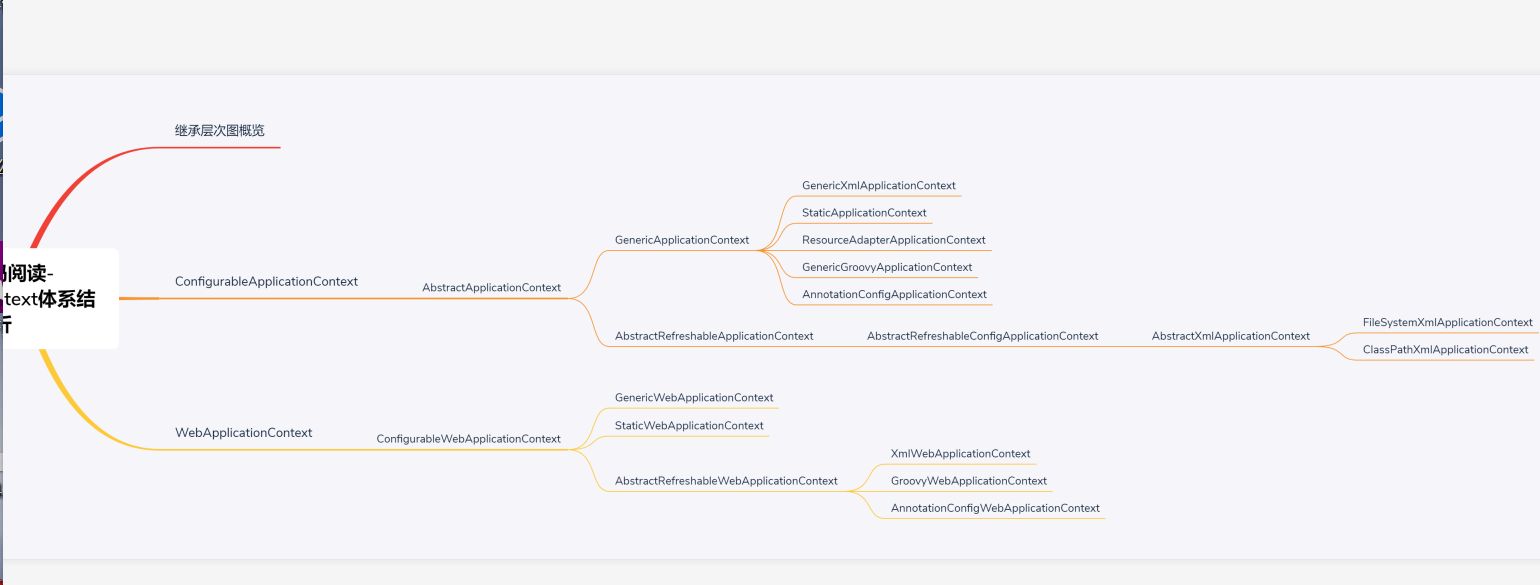
上一篇文中提到父容器root applicationContext最后是调用XmlWebApplicationContext去实现的,
但是什么时候开始解析标签(默认标签、自定义标签)、注册bean以及注解的bean加载等一些列的操作;
知识点普及:
在 Spring 项目中,加载 applicationContext.xml 的方法
1、FileSystemXmlApplicationContext
这个方法是从文件绝对路径加载配置文件,例如:
ApplicationContext ctx = new FileSystemXmlApplicationContext( "G:/Test/applicationcontext.xml ");
如果在参数中写的不是绝对路径,那么方法调用的时候也会默认用绝对路径来找,我测试的时候发现默认的绝对路径是eclipse所在的路径。
采用绝对路径的话,程序的灵活性就很差了,所以这个方法一般不推荐。
(如果要使用classpath路径,需要加入前缀classpath: )
2、ClassPathXmlApplicationContext
这个方法是从classpath下加载配置文件(适合于相对路径方式加载),
ApplicationContext ctx = new ClassPathXmlApplicationContext( "/applicationcontext.xml ");
下面我们就围绕这些问题展开摸索:
参数中classpath: 前缀是不需要的,默认就是指项目的classpath路径下面;
这也就是说用ClassPathXmlApplicationContext时默认的根目录是在WEB-INF/classes下面,而不是项目根目录。这个需要注意!
3、XmlWebApplicationContext
专为web工程定制的方法,推荐Web项目中使用。例如:
ServletContext servletContext = request.getSession().getServletContext();

ApplicationContext ctx = WebApplicationContextUtils.getWebApplicationContext(servletContext);
***************************************************************************************************************************************************************************************
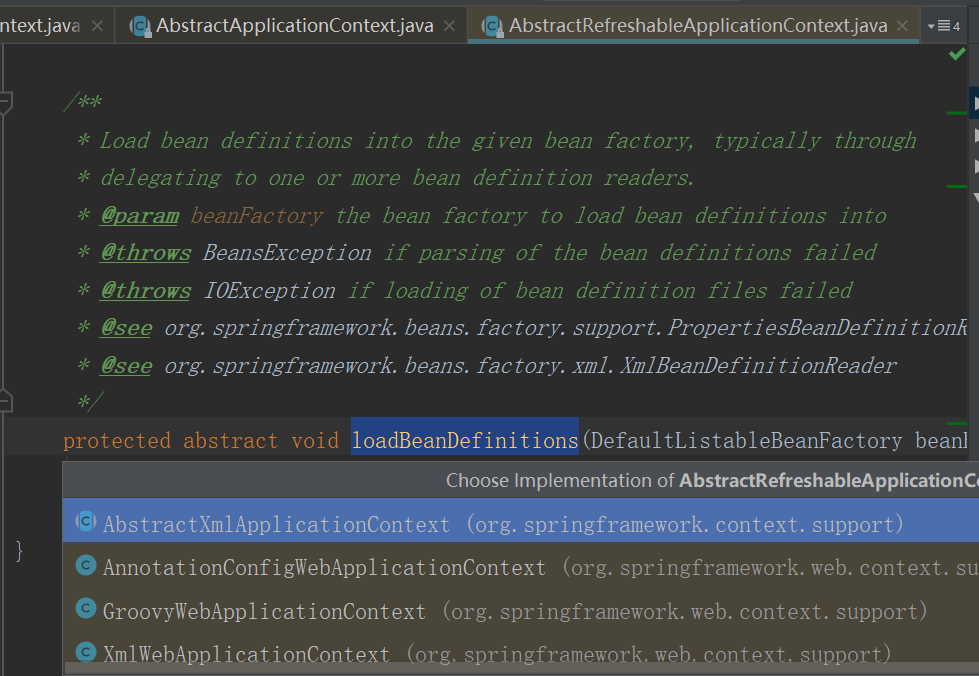
public class XmlWebApplicationContext extends AbstractRefreshableWebApplicationContext {....}
public abstract class AbstractRefreshableWebApplicationContext extends
AbstractRefreshableConfigApplicationContext implements ConfigurableWebApplicationContext, ThemeSource {..}

看标红的东东这个就是我们的入口
public abstract class AbstractRefreshableConfigApplicationContext extends AbstractRefreshableApplicationContext
      implements BeanNameAware, InitializingBean
/**

     * Triggers {@link #refresh()} if not refreshed in the concrete context's

     * constructor already.

     */

    @Override

    public void afterPropertiesSet() {

        if (!isActive()) {

            refresh();

        }

    }
public abstract class AbstractRefreshableApplicationContext extends AbstractApplicationContext {..}
 @Override

     public void refresh() throws BeansException, IllegalStateException {

         synchronized (this.startupShutdownMonitor) {

             // Prepare this context for refreshing.

             prepareRefresh();

             // Tell the subclass to refresh the internal bean factory.

             ConfigurableListableBeanFactory beanFactory = obtainFreshBeanFactory();

             // Prepare the bean factory for use in this context.

             prepareBeanFactory(beanFactory);

             try {

                 // Allows post-processing of the bean factory in context subclasses.

                 postProcessBeanFactory(beanFactory);

                 // Invoke factory processors registered as beans in the context.

                 invokeBeanFactoryPostProcessors(beanFactory);

                 // Register bean processors that intercept bean creation.

                 registerBeanPostProcessors(beanFactory);

                 // Initialize message source for this context.

                 initMessageSource();

                 // Initialize event multicaster for this context.

                 initApplicationEventMulticaster();

                 // Initialize other special beans in specific context subclasses.

                 onRefresh();

                 // Check for listener beans and register them.

                 registerListeners();

                 // Instantiate all remaining (non-lazy-init) singletons.

                 finishBeanFactoryInitialization(beanFactory);

                 // Last step: publish corresponding event.

                 finishRefresh();

             }

             catch (BeansException ex) {

                 if (logger.isWarnEnabled()) {

                     logger.warn("Exception encountered during context initialization - " +

                             "cancelling refresh attempt: " + ex);

                 }

                 // Destroy already created singletons to avoid dangling resources.

                 destroyBeans();

                 // Reset 'active' flag.

                 cancelRefresh(ex);

                 // Propagate exception to caller.

                 throw ex;

             }

             finally {

                 // Reset common introspection caches in Spring's core, since we

                 // might not ever need metadata for singleton beans anymore...

                 resetCommonCaches();

             }

         }

     }
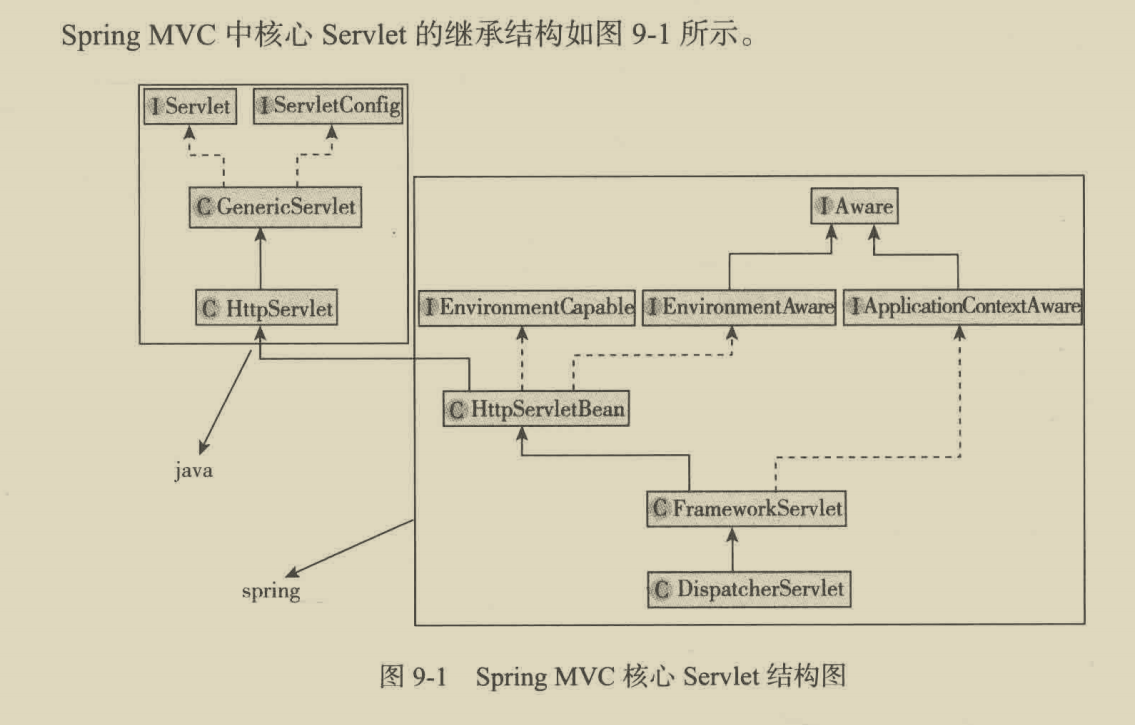
1、boot AppliccationConetxt的Map在哪
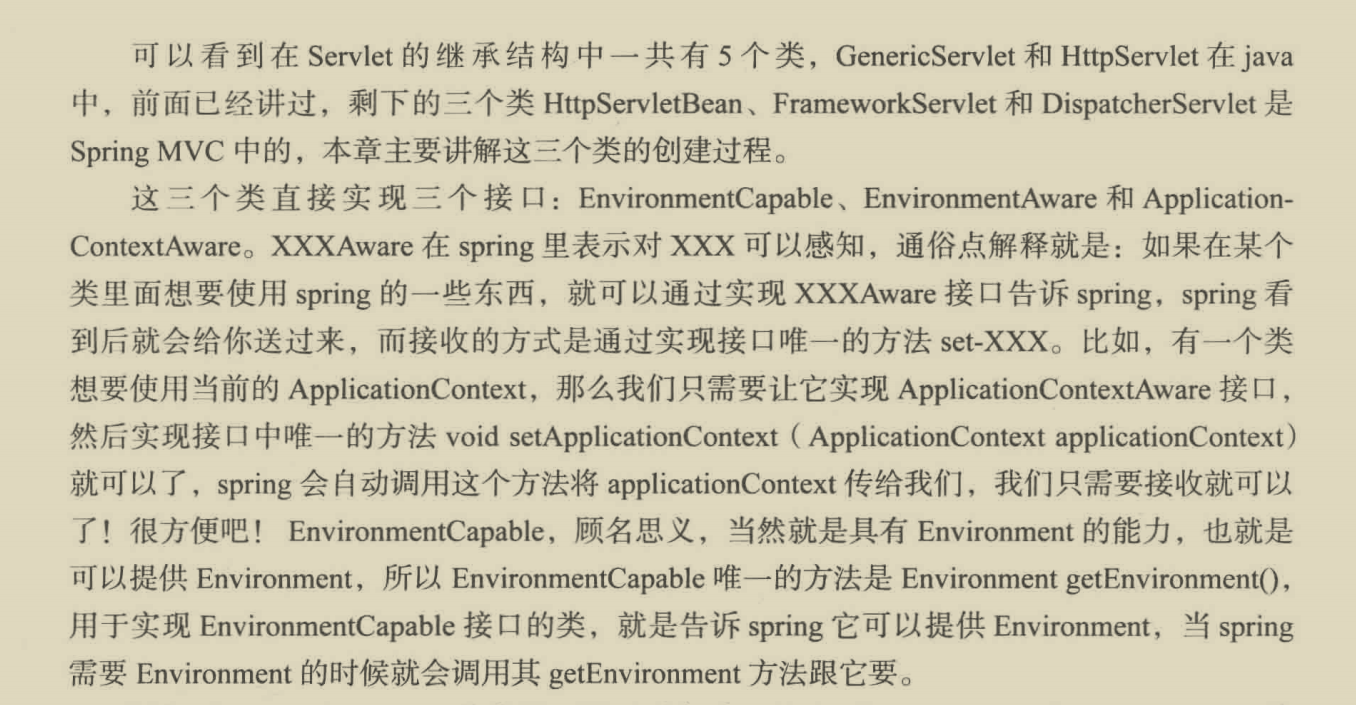
2、Servlet ApplicationContext的Map在哪,如何进行参数绑定的?
/**

     * Initialize the HandlerMappings used by this class.

     * <p>If no HandlerMapping beans are defined in the BeanFactory for this namespace,

     * we default to BeanNameUrlHandlerMapping.

     */

    private void initHandlerMappings(ApplicationContext context) {

        this.handlerMappings = null;

        if (this.detectAllHandlerMappings) {

            // Find all HandlerMappings in the ApplicationContext, including ancestor contexts.

            Map<String, HandlerMapping> matchingBeans =

                    BeanFactoryUtils.beansOfTypeIncludingAncestors(context, HandlerMapping.class, true, false);

            if (!matchingBeans.isEmpty()) {

                this.handlerMappings = new ArrayList<HandlerMapping>(matchingBeans.values());

                // We keep HandlerMappings in sorted order.

                AnnotationAwareOrderComparator.sort(this.handlerMappings);

            }

        }

        else {

            try {

                HandlerMapping hm = context.getBean(HANDLER_MAPPING_BEAN_NAME, HandlerMapping.class);

                this.handlerMappings = Collections.singletonList(hm);

            }

            catch (NoSuchBeanDefinitionException ex) {

                // Ignore, we'll add a default HandlerMapping later.

            }

        }

        // Ensure we have at least one HandlerMapping, by registering

        // a default HandlerMapping if no other mappings are found.

        if (this.handlerMappings == null) {

            this.handlerMappings = getDefaultStrategies(context, HandlerMapping.class);

            if (logger.isDebugEnabled()) {

                logger.debug("No HandlerMappings found in servlet '" + getServletName() + "': using default");

            }

        }

    }
DispatcherServlet.java
/**

     * Create a List of default strategy objects for the given strategy interface.

     * <p>The default implementation uses the "DispatcherServlet.properties" file (in the same

     * package as the DispatcherServlet class) to determine the class names. It instantiates

     * the strategy objects through the context's BeanFactory.

     * @param context the current WebApplicationContext

     * @param strategyInterface the strategy interface

     * @return the List of corresponding strategy objects

     */

    @SuppressWarnings("unchecked")

    protected <T> List<T> getDefaultStrategies(ApplicationContext context, Class<T> strategyInterface) {

        String key = strategyInterface.getName();

        String value = defaultStrategies.getProperty(key);

        if (value != null) {

            String[] classNames = StringUtils.commaDelimitedListToStringArray(value);

            List<T> strategies = new ArrayList<T>(classNames.length);

            for (String className : classNames) {

                try {
            // 加载这个class

                    Class<?> clazz = ClassUtils.forName(className, DispatcherServlet.class.getClassLoader());
            // 实例化

                    Object strategy = createDefaultStrategy(context, clazz);

                    strategies.add((T) strategy);

                }

                catch (ClassNotFoundException ex) {

                    throw new BeanInitializationException(

                            "Could not find DispatcherServlet's default strategy class [" + className +

                                    "] for interface [" + key + "]", ex);

                }

                catch (LinkageError err) {

                    throw new BeanInitializationException(

                            "Error loading DispatcherServlet's default strategy class [" + className +

                                    "] for interface [" + key + "]: problem with class file or dependent class", err);

                }

            }

            return strategies;

        }

        else {

            return new LinkedList<T>();

        }

    }
 # Default implementation classes for DispatcherServlet's strategy interfaces.

 # Used as fallback when no matching beans are found in the DispatcherServlet context.

 # Not meant to be customized by application developers.

 org.springframework.web.servlet.LocaleResolver=org.springframework.web.servlet.i18n.AcceptHeaderLocaleResolver

 org.springframework.web.servlet.ThemeResolver=org.springframework.web.servlet.theme.FixedThemeResolver

 org.springframework.web.servlet.HandlerMapping=org.springframework.web.servlet.handler.BeanNameUrlHandlerMapping,\

     org.springframework.web.servlet.mvc.annotation.DefaultAnnotationHandlerMapping

 org.springframework.web.servlet.HandlerAdapter=org.springframework.web.servlet.mvc.HttpRequestHandlerAdapter,\

     org.springframework.web.servlet.mvc.SimpleControllerHandlerAdapter,\

     org.springframework.web.servlet.mvc.annotation.AnnotationMethodHandlerAdapter

 org.springframework.web.servlet.HandlerExceptionResolver=org.springframework.web.servlet.mvc.annotation.AnnotationMethodHandlerExceptionResolver,\

     org.springframework.web.servlet.mvc.annotation.ResponseStatusExceptionResolver,\

     org.springframework.web.servlet.mvc.support.DefaultHandlerExceptionResolver

 org.springframework.web.servlet.RequestToViewNameTranslator=org.springframework.web.servlet.view.DefaultRequestToViewNameTranslator

 org.springframework.web.servlet.ViewResolver=org.springframework.web.servlet.view.InternalResourceViewResolver

 org.springframework.web.servlet.FlashMapManager=org.springframework.web.servlet.support.SessionFlashMapManager
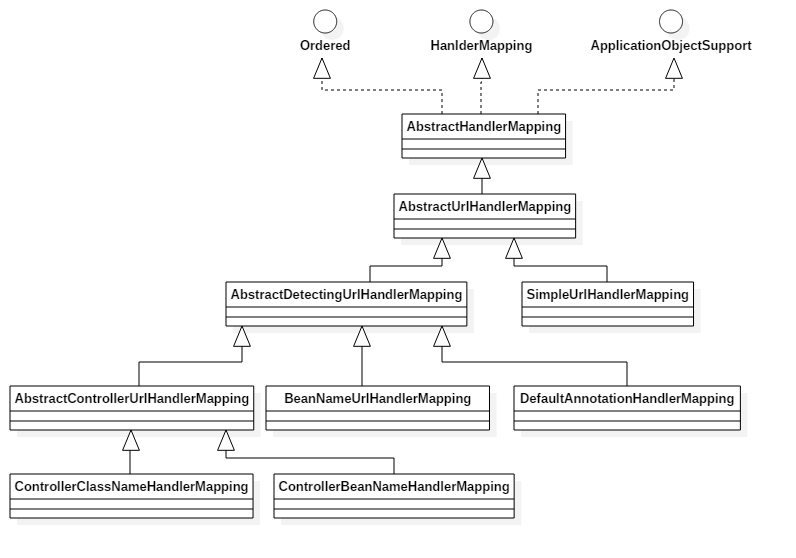
public abstract class ApplicationObjectSupport implements ApplicationContextAware {...}
@Override

    public final void setApplicationContext(ApplicationContext context) throws BeansException {

        if (context == null && !isContextRequired()) {

            // Reset internal context state.

            this.applicationContext = null;

            this.messageSourceAccessor = null;

        }

        else if (this.applicationContext == null) {

            // Initialize with passed-in context.

            if (!requiredContextClass().isInstance(context)) {

                throw new ApplicationContextException(

                        "Invalid application context: needs to be of type [" + requiredContextClass().getName() + "]");

            }

            this.applicationContext = context;

            this.messageSourceAccessor = new MessageSourceAccessor(context);

            initApplicationContext(context);

        }

        else {

            // Ignore reinitialization if same context passed in.

            if (this.applicationContext != context) {

                throw new ApplicationContextException(

                        "Cannot reinitialize with different application context: current one is [" +

                        this.applicationContext + "], passed-in one is [" + context + "]");

            }

        }

    }
public abstract class AbstractHandlerMapping extends WebApplicationObjectSupport implements HandlerMapping, Ordered {...}
/**

     * Initializes the interceptors.

     * @see #extendInterceptors(java.util.List)

     * @see #initInterceptors()

     */

    @Override

    protected void initApplicationContext() throws BeansException {

        extendInterceptors(this.interceptors);

        detectMappedInterceptors(this.adaptedInterceptors);

        initInterceptors();

    }
public abstract class AbstractDetectingUrlHandlerMapping extends AbstractUrlHandlerMapping {....}
/**

     * Calls the {@link #detectHandlers()} method in addition to the

     * superclass's initialization.

     */

    @Override

    public void initApplicationContext() throws ApplicationContextException {

        super.initApplicationContext();

        detectHandlers();

    }
/**

     * Register all handlers found in the current ApplicationContext.

     * <p>The actual URL determination for a handler is up to the concrete

     * {@link #determineUrlsForHandler(String)} implementation. A bean for

     * which no such URLs could be determined is simply not considered a handler.

     * @throws org.springframework.beans.BeansException if the handler couldn't be registered

     * @see #determineUrlsForHandler(String)

     */

    protected void detectHandlers() throws BeansException {

        if (logger.isDebugEnabled()) {

            logger.debug("Looking for URL mappings in application context: " + getApplicationContext());

        }

        String[] beanNames = (this.detectHandlersInAncestorContexts ?

                BeanFactoryUtils.beanNamesForTypeIncludingAncestors(getApplicationContext(), Object.class) :

                getApplicationContext().getBeanNamesForType(Object.class));

        // Take any bean name that we can determine URLs for.

        for (String beanName : beanNames) {

            String[] urls = determineUrlsForHandler(beanName);

            if (!ObjectUtils.isEmpty(urls)) {

                // URL paths found: Let's consider it a handler.

                registerHandler(urls, beanName);

            }

            else {

                if (logger.isDebugEnabled()) {

                    logger.debug("Rejected bean name '" + beanName + "': no URL paths identified");

                }

            }

        }

    }
demo
<bean class="org.springframework.web.servlet.handler.SimpleUrlHandlerMapping">

    <property name="mappings">

        <props>

            <prop key="/userlist.htm">userController</prop>

        </props>

    </property>

</bean>

<bean class="org.springframework.web.servlet.mvc.support.ControllerClassNameHandlerMapping"/>

<bean class="org.springframework.web.servlet.handler.BeanNameUrlHandlerMapping"/>

<bean class="org.springframework.web.servlet.mvc.annotation.DefaultAnnotationHandlerMapping"/>

<bean id="userController" name="/users" class="cn.com.infcn.web.controller.UserController"></bean>
BeanNameUrlHandlerMapping.java
    /**

     * Checks name and aliases of the given bean for URLs, starting with "/".

     */

    @Override

    protected String[] determineUrlsForHandler(String beanName) {

        List<String> urls = new ArrayList<String>();

        if (beanName.startsWith("/")) {

            urls.add(beanName);

        }

        String[] aliases = getApplicationContext().getAliases(beanName);

        for (String alias : aliases) {

            if (alias.startsWith("/")) {

                urls.add(alias);

            }

        }

        return StringUtils.toStringArray(urls);

    }
DefaultAnnotationHandlerMapping.java
    /**

     * Checks for presence of the {@link org.springframework.web.bind.annotation.RequestMapping}

     * annotation on the handler class and on any of its methods.

     */

    @Override

    protected String[] determineUrlsForHandler(String beanName) {

        ApplicationContext context = getApplicationContext();

        Class<?> handlerType = context.getType(beanName);

        RequestMapping mapping = context.findAnnotationOnBean(beanName, RequestMapping.class);

        if (mapping != null) {

            // @RequestMapping found at type level

            this.cachedMappings.put(handlerType, mapping);

            Set<String> urls = new LinkedHashSet<String>();

            String[] typeLevelPatterns = mapping.value();

            if (typeLevelPatterns.length > 0) {

                // @RequestMapping specifies paths at type level

                String[] methodLevelPatterns = determineUrlsForHandlerMethods(handlerType, true);

                for (String typeLevelPattern : typeLevelPatterns) {

                    if (!typeLevelPattern.startsWith("/")) {

                        typeLevelPattern = "/" + typeLevelPattern;

                    }

                    boolean hasEmptyMethodLevelMappings = false;

                    for (String methodLevelPattern : methodLevelPatterns) {

                        if (methodLevelPattern == null) {

                            hasEmptyMethodLevelMappings = true;

                        }

                        else {

                            String combinedPattern = getPathMatcher().combine(typeLevelPattern, methodLevelPattern);

                            addUrlsForPath(urls, combinedPattern);

                        }

                    }

                    if (hasEmptyMethodLevelMappings ||

                            org.springframework.web.servlet.mvc.Controller.class.isAssignableFrom(handlerType)) {

                        addUrlsForPath(urls, typeLevelPattern);

                    }

                }

                return StringUtils.toStringArray(urls);

            }

            else {

                // actual paths specified by @RequestMapping at method level

                return determineUrlsForHandlerMethods(handlerType, false);

            }

        }

        else if (AnnotationUtils.findAnnotation(handlerType, Controller.class) != null) {

            // @RequestMapping to be introspected at method level

            return determineUrlsForHandlerMethods(handlerType, false);

        }

        else {

            return null;

        }

    }
2、Spring-RootApplicationContext-refresh的更多相关文章
- 四、Spring Boot Web开发
四.Web开发 1.简介 使用SpringBoot: 1).创建SpringBoot应用,选中我们需要的模块: 2).SpringBoot已经默认将这些场景配置好了,只需要在配置文件中指定少量配置就可 ...
- JAVAEE——SSH项目实战06:统计信息管理、Spring注解开发和EasyUI
作者: kent鹏 转载请注明出处: http://www.cnblogs.com/xieyupeng/p/7190925.html 一.统计信息管理 二.Spring注解开发 1.service ...
- 四、spring成长之路——springIOC容器(下)
目录 5.spring注解开发(Spring扩展知识) 5.1定义配置类:@Configuration 声明一个类为IOC容器 @Bean定义一个Bean 5.2.按照条件进行注入 5.3.@Impo ...
- 五、spring之DI循环依赖
什么是循环依赖 循环依赖就是循环引用,就是两个或多个Bean相互之间的持有对方,比如CircleA引用CircleB,CircleB引用CircleC,CircleC引用CircleA,则它们最终反映 ...
- MyEclipse中删除对Struts、Hibernate、Spring .
已经导入一下框架,现在发现不想用了,要删除,发现麻烦,添加容易删除不易,下面这个帮你解决删除问题,本文为转载,我试过hibenate,挺好使,你们验证其他的框架 http://blog.csdn.ne ...
- 1、spring与springmvc父子容器
转载于http://www.tianshouzhi.com/api/tutorials/spring 1.0 spring与springmvc父子容器 1.spring和springmvc父子容器概念 ...
- spring自动扫描、DispatcherServlet初始化流程、spring控制器Controller 过程剖析
spring自动扫描1.自动扫描解析器ComponentScanBeanDefinitionParser,从doScan开始扫描解析指定包路径下的类注解信息并注册到工厂容器中. 2.进入后findCa ...
- 1、Spring In Action 4th笔记(1)
Spring In Action 4th笔记(1) 2016-12-28 1.Spring是一个框架,致力于减轻JEE的开发,它有4个特点: 1.1 基于POJO(Plain Ordinary Jav ...
- 转 Netflix OSS、Spring Cloud还是Kubernetes? 都要吧!
Netflix OSS.Spring Cloud还是Kubernetes? 都要吧! http://www.infoq.com/cn/articles/netflix-oss-spring-cloud ...
- EasyUI、Struts2、Hibernate、spring 框架整合
经历了四个月的学习,中间过程曲折离奇,好在坚持下来了,也到了最后框架的整合中间过程也只有自己能体会了. 接下来开始说一下整合中的问题和技巧: 1, jar包导入 c3p0(2个).jdbc(1个). ...
随机推荐
- 一些实用的GitHub项目
原文链接:http://www.louisvv.com/archives/2036.html 最近整理了一些在GitHub上比较热门的开源项目 关于GitHub,快速了解请戳这里 其中涵盖了:学习教程 ...
- 博客前端live2D实现
1.本来以为没那么简单,结果看了大佬的https://www.cnblogs.com/liuzhou1/p/10813828.html#4431992的简单明了.效果如下,可随鼠标移动. ①这里添加在 ...
- java学习心得2
首先是一个生成随机数的算法 这里就需要设置种子x0,种子设置好之后就设置a,c,m,这里mod用于取余,我自己写的是这样的 这个程序可生成1000个随机数,这种随机数的生成是有上限的,可以保证在一定数 ...
- 前向传播和反向传播实战(Tensor)
前面在mnist中使用了三个非线性层来增加模型复杂度,并通过最小化损失函数来更新参数,下面实用最底层的方式即张量进行前向传播(暂不采用层的概念). 主要注意点如下: · 进行梯度运算时,tensorf ...
- ECMAScript基本对象——Number 对象
Number 对象,原始数值的包装对象. 1.创建 var num = new Number(value); 2.方法 toExponential(x)把对象的值转换为指数计数法. toFixed(x ...
- 纪中5日T2 1565. 神秘山庄
1565. 神秘山庄 (Standard IO) 原题 题目描述 翠亨村是一个神秘的山庄,并不是因为它孕育了伟人孙中山,更神秘的是山庄里有N只鬼.M只兔子,当然还有你.其中每秒钟: 1. 恰有两个生物 ...
- LeetCode 237. 删除链表中的节点 (单链表遍历)
题目链接:https://leetcode-cn.com/problems/delete-node-in-a-linked-list/ 请编写一个函数,使其可以删除某个链表中给定的(非末尾)节点,你将 ...
- musql 单表查询
一 介绍 本节内容: 查询语法 关键字的执行优先级 简单查询 单条件查询:WHERE 分组查询:GROUP BY HAVING 查询排序:ORDER BY 限制查询的记录数:LIMIT 使用聚合函数查 ...
- Scrum简介
1. 什么是Scrum Scrum是一种轻量级的框架,适合于小型的.结合紧密的团队开发复杂的产品.Scrum是二十世纪后期一些软件工程师协同努力的脑力劳动的成果,现已成为技术领域最具魅力的方法.但Sc ...
- JDK 动态代理的实现
JDK 动态代理的实现 虽然在常用的 Java 框架(Spring.MyBaits 等)中,经常见到 JDK 动态代理的使用,也知道了怎么去写一个 JDK 动态代理的 Demo,但是并不清楚实现原理. ...