
Java8新特性Stream流
1、是什么?
- Stream(流)是一个来自数据源的元素队列并支持聚合操作
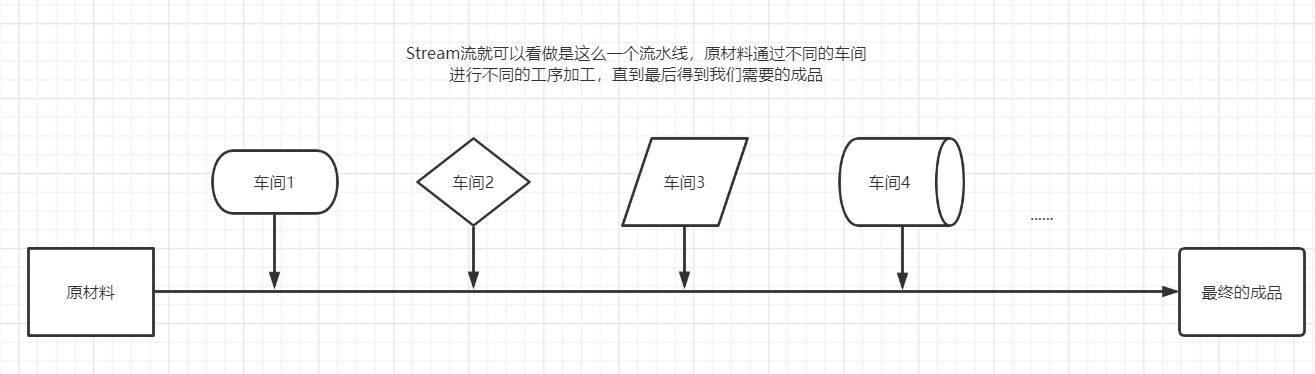
2、能干嘛?
- Stream流的元素是特定类型的对象,形成一个队列。
- Java中的Stream并不会存储元素,而是按需计算。
- 数据源,流的来源。
- 可以是集合,数组,I/O channel, generator等。
- 聚合操作,类似SQL语句一样的操作:
- 比如filter, map, reduce, find, match, sorted等。
- 和以前的Collection操作不同, Stream操作还有两个基础的特征:
- Pipelining: 中间操作都会返回流对象本身。 这样多个操作可以串联成一个管道, 如同流式风格(fluent style)。 这样做可以对操作进行优化, 比如延迟执行(laziness)和短路( short-circuiting)。
- 内部迭代: 以前对集合遍历都是通过Iterator或者For-Each的方式, 显式的在集合外部进行迭代, 这叫做外部迭代。 Stream提供了内部迭代的方式, 通过访问者模式(Visitor)实现。
3、怎么玩?
1、创建Stream的方式(原材料)
package com.qbb.threadpool;

import java.util.Arrays;

import java.util.List;

import java.util.stream.Stream;

/**

 * @author QiuQiu&LL (个人博客:https://www.cnblogs.com/qbbit)

 * @version 1.0

 * @date 2022-07-23  20:19

 * @Description:

 */

public class Java8NewFeatureStream {

    public static void main(String[] args) {

        // 创建Stream方式一 : 通过集合

        List<Integer> list = Arrays.asList(1, 2, 3, 4, 5, 6);

        // 获取串行流

        Stream<Integer> stream = list.stream();

        // 获取一个并行流

        Stream<Integer> parallelStream = list.parallelStream();

        // 创建Stream方式二 : 通过数组

        String[] arr = new String[]{"a", "b", "c"};

        Stream<String> arrStream = Arrays.stream(arr);

        // 创建Stream方式三 : 通过Stream.of()

        Stream<String> streamOf = Stream.of("x", "y", "z");

        // 创建Stream方式四 : 通过Stream.iterate(),创建无限流(创建无限流必须要指定范围,不然会报错的)

        Stream<Integer> integerStream = Stream.iterate(0, q -> q + 1).limit(5);

        integerStream.forEach(System.out::println);

        //生成10个随机数

        Stream<Double> stream1 = Stream.generate(Math::random).limit(10);

        stream1.forEach(System.out::println);

    }

}
2、中间操作(车间加工)
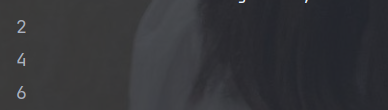
(1)fifter(Predicate<? super T> predicate) : 过滤,保留满足条件分元素
public static void main(String[] args) {

	// 创建流

	List<Integer> asList = Arrays.asList(1, 2, 3, 4, 5, 6);

	asList.stream()

		.filter(q -> q % 2 ==0) // filter:过滤,保留符合条件的元素

		.forEach(System.out::println); // forEach:内部迭代,终止操作输出每一个元素

}
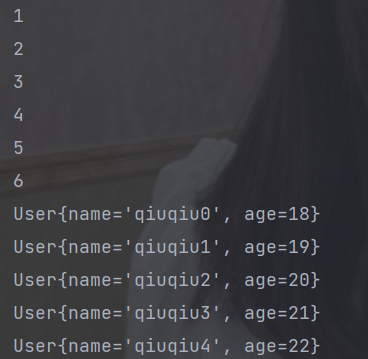
(2) distinct () : 去除重复的元素
// 测试类

class User {

    private String name;

    private int age;

    public User() {

    }

    public User(String name, int age) {

        this.name = name;

        this.age = age;

    }

    @Override

    public String toString() {

        return "User{" +

                "name='" + name + '\'' +

                ", age=" + age +

                '}';

    }

    public String getName() {

        return name;

    }

    public void setName(String name) {

        this.name = name;

    }

    public int getAge() {

        return age;

    }

    public void setAge(int age) {

        this.age = age;

    }

    @Override

    public boolean equals(Object o) {

        if (this == o) return true;

        if (o == null || getClass() != o.getClass()) return false;

        User user = (User) o;

        return age == user.age && Objects.equals(name, user.name);

    }

    @Override

    public int hashCode() {

        return Objects.hash(name, age);

    }

}

public static void main(String[] args) {

        // 创建流

        List<Integer> asList = Arrays.asList(1, 2, 3, 4, 5, 6, 2, 5);

        asList.stream().distinct().forEach(System.out::println);

        List<User> userList = new ArrayList<>();

        // 测试一下对象类型

        for (int i = 0; i < 5; i++) {

            User user = new User("qiuqiu"+i,18+i);

            userList.add(user);

        }

        User qiuqiu3 = new User("qiuqiu3", 21);

        userList.add(qiuqiu3);

        userList.stream().distinct().forEach(System.out::println);

    }
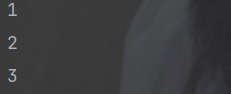
(3)limit(long maxSize) : 获取指定maxSize个元素
public static void main(String[] args) {

        // 创建流

        List<Integer> asList = Arrays.asList(1, 2, 3, 4, 5, 6, 2, 5);

        asList.stream().limit(3).forEach(System.out::println);

    }
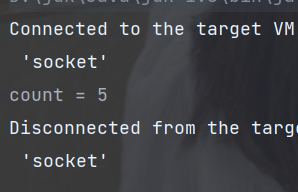
(4) skip(long n) : 跳过前n个元素
public static void main(String[] args) {

        // 创建流

        List<Integer> asList = Arrays.asList(1, 2, 3, 4, 5, 6, 2, 5);

        long count = asList.stream()

                .skip(3) // 跳过前三个元素

                // .findFirst() // 获取跳过操作后的第一个元素

                // .findAny() // 获取跳过操作后的任意一个元素

                .count(); // 获取剩余元素个数

        // System.out.println("result = " + result);

        System.out.println("count = " + count);

    }
(5) sorted()/sorted(Comparator<? super T> comparator) : 排序
public static void main(String[] args) {

        // 创建流

        List<Integer> asList = Arrays.asList(4, 5, 6, 2, 1, 2, 3, 5);

        // 默认排序

        asList.stream().sorted().forEach(System.out::println);

        System.out.println("=======================================================");

        // 指定比较器排序

        // asList.stream().sorted((o1,o2) -> o1.compareTo(o2)).forEach(System.out::println);

        asList.stream().sorted(Integer::compareTo).forEach(System.out::println);

    }
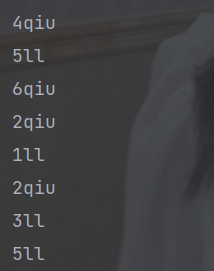
(6) map :接收一个函数作为参数,该函数会被应用到每个元素上,并将其映射成一个新的元素。
public static void main(String[] args) {

        // 创建流

        List<Integer> asList = Arrays.asList(4, 5, 6, 2, 1, 2, 3, 5);

        // map

        asList.stream().map(q -> {

            String str;

            if(q%2 == 0){

                str = q+"qiu";

            }else {

                str = q + "ll";

            }

            return str;

        }).forEach(System.out::println);

    }
- 其他的一些操作
mapToInt(ToIntFunction<? super T> mapper)mapToDouble(ToDoubleFunction<? super T> mapper)mapToLong(ToLongFunction<? super T> mapper)flatMapToInt(Function<? super T, ? extends IntStream> mapper)flatMapToLong(Function<? super T, ? extends LongStream> mapper)flatMapToDouble(Function<? super T, ? extends DoubleStream> mapper)
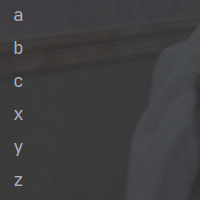
(7) flatMap :接收一个函数作为参数,将流中的每个值都换成另一个流,然后把所有流连接成一个流。
public static void main(String[] args) {

        // 创建流

        String[] arr = new String[]{"a,b,c","x,y,z"};

        // flatMap

        Arrays.stream(arr).flatMap(q -> {

            String[] split = q.split(",");

            // 把一个流拆分多个流然后又合并为一个流

            Stream<String> stream = Arrays.stream(split);

            return stream;

        }).forEach(System.out::println);

    }
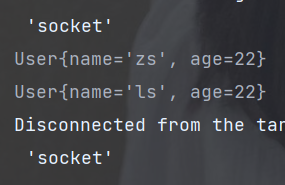
(8) peek :如同于map,能得到流中的每一个元素。但map接收的是一个Function表达式,有返回值;而peek接收的是Consumer表达式,没有返回值。
public static void main(String[] args) {

        // 创建流

        User zs = new User("zs", 18);

        User ls = new User("ls", 28);

        List<User> userList = Arrays.asList(zs, ls);

        userList.stream()

                .peek(q -> q.setAge(22))

                .forEach(System.out::println);

    }
当然还有其他的一些操作,这里就不一一演示了
3、终止操作
(1)匹配、聚合操作
allMatch :接收一个 Predicate 函数,当流中每个元素都符合该断言时才返回true,否则返回false
noneMatch :接收一个 Predicate 函数,当流中每个元素都不符合该断言时才返回true,否则返回false
anyMatch :接收一个 Predicate 函数,只要流中有一个元素满足该断言则返回true,否则返回false
findFirst :返回流中第一个元素
findAny :返回流中的任意元素
count :返回流中元素的总个数
max :返回流中元素最大值
min :返回流中元素最小值
forEach: 遍历流中的元素
forEachOrdered: 并行流下遍历流中的元素保证顺序
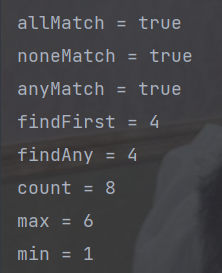
public static void main(String[] args) {

        // 创建流

        List<Integer> asList = Arrays.asList(4, 5, 6, 2, 1, 2, 3, 5);

        boolean allMatch = asList.stream().allMatch(q -> q > 0);

        System.out.println("allMatch = " + allMatch);

        boolean noneMatch = asList.stream().noneMatch(q -> q < 0);

        System.out.println("noneMatch = " + noneMatch);

        boolean anyMatch = asList.stream().anyMatch(q -> q % 2 == 0);

        System.out.println("anyMatch = " + anyMatch);

        Integer findFirst = asList.stream().findFirst().get();

        System.out.println("findFirst = " + findFirst);

        Integer findAny = asList.stream().findAny().get();

        System.out.println("findAny = " + findAny);

        // long count = asList.stream().count();

        long count = asList.size();

        System.out.println("count = " + count);

        Integer max = asList.stream().max(Comparator.comparingInt(o -> o)).get();

        System.out.println("max = " + max);

        Integer min = asList.stream().min(Integer::compareTo).get();

        System.out.println("min = " + min);

        String str = "my name is qiuqiu";

        Stream.of(str.split(" ")).parallel().forEach(System.out::println);

        System.out.println();

        Stream.of(str.split(" ")).parallel().forEachOrdered(System.out::println);

    }
(2) 规并操作
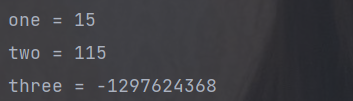
Optional<T> reduce(BinaryOperator<T> accumulator) :第一次执行时,accumulator函数的第一个参数为流中的第一个元素,第二个参数为流中元素的第二个元素;第二次执行时,第一个参数为第一次函数执行的结果,第二个参数为流中的第三个元素;依次类推。
T reduce(T identity, BinaryOperator<T> accumulator) :流程跟上面一样,只是第一次执行时,accumulator函数的第一个参数为identity,而第二个参数为流中的第一个元素。
<U> U reduce(U identity,BiFunction<U, ? super T, U> accumulator,BinaryOperator<U> combiner) :在串行流(stream)中,该方法跟第二个方法一样,即第三个参数combiner不会起作用。在并行流(parallelStream)中,我们知道流被fork join出多个线程进行执行,此时每个线程的执行流程就跟第二个方法reduce(identity,accumulator)一样,而第三个参数combiner函数,则是将每个线程的执行结果当成一个新的流,然后使用第一个方法reduce(accumulator)流程进行规约。
public static void main(String[] args) {

        // 创建流

        List<Integer> asList = Arrays.asList(1, 2, 3, 4, 5);

        Integer one = asList.stream().reduce(Integer::sum).get();

        System.out.println("one = " + one);

        Integer two = asList.stream().reduce(100, Integer::sum);

        System.out.println("two = " + two);

        Integer three = asList.parallelStream().reduce(100,

                Integer::sum,

                (x, y) -> x * y);

        System.out.println("three = " + three);

    }
(3) 收集操作
collect :接收一个Collector实例,将流转化为其他形式,常用的List、Set、Map、Collection。
- 内部通过Collectors这个类进行相应的操作
(4) Collectors相关操作
toCollection toList() toSet() toMap : 将输入元素累积到一个集合中
public static void main(String[] args) {

        List<Integer> list = Arrays.asList(1, 2, 3, 4, 5, 6, 7);

        list.replaceAll(q -> q > 5 ? q + 10 : q);

        System.out.println("list = " + list);

        list.sort((o1, o2) -> o1 - o2);

        // 转Collection

        Collection<Integer> collection = list.parallelStream().collect(Collectors.toCollection(HashSet::new));

        // 转List

        List<Integer> integerList = list.parallelStream().collect(Collectors.toList());

        // 转Set

        Set<Integer> set = list.parallelStream().collect(Collectors.toSet());

        // 转Map

        Map<Integer, Integer> map = list.parallelStream().collect(Collectors.toMap(item -> item, integer -> integer));

    }
joining : 连接字符串
// joining

List<String> list = Arrays.asList("a", "b", "c", "d", "e", "f", "g");

String result = list.parallelStream().collect(Collectors.joining(",", "[", "]"));

System.out.println("result = " + result);
mapping/flatMapping : 它将Function应用于输入元素,然后将它们累积到给定的Collector
Set<String> setStr = Stream.of("a", "a", "b")

		.collect(Collectors.mapping(String::toUpperCase, Collectors.toSet()));

System.out.println(setStr); // [A, B]

Set<String> setStr1 = Stream.of("a", "a", "b")

		.collect(Collectors.flatMapping(s -> Stream.of(s.toUpperCase()), Collectors.toSet()));

System.out.println(setStr1); // [A, B]
collectingAndThen : 返回一个收集器,该收集器将输入元素累积到给定的收集器中,然后执行其他完成功能
List<String> strList2 = Lists.newArrayList("1", "2", "10", "100", "20", "999");

List<String> unmodifiableList = strList2.parallelStream()

		.collect(Collectors.collectingAndThen(Collectors.toList(), Collections::unmodifiableList));

System.out.println(unmodifiableList); // [1, 2, 10, 100, 20, 999]
counting : 计数
Long evenCount = Stream.of(1, 2, 3, 4, 5).filter(x -> x % 2 == 0).collect(Collectors.counting());

System.out.println(evenCount); // 2
minBy : 根据给定的比较器返回最小元素
Optional<Integer> min = Stream.of(1, 2, 3, 4, 5).collect(Collectors.minBy((x, y) -> x - y));

System.out.println(min); // Optional[1]
maxBy : 它根据给定的比较器返回最大元素
Optional<Integer> max = Stream.of(1, 2, 3, 4, 5).collect(Collectors.maxBy((x, y) -> x - y));

		System.out.println(max); // Optional[5]
summingInt/summingLong/summingDouble : 求总和
List<String> strList3 = Arrays.asList("1", "2", "3", "4", "5");

Integer sum = strList3.parallelStream().collect(Collectors.summingInt(Integer::parseInt));

System.out.println(sum); // 15

Long sumL = Stream.of("12", "23").collect(Collectors.summingLong(Long::parseLong));

System.out.println(sumL); // 35

Double sumD = Stream.of("1e2", "2e3").collect(Collectors.summingDouble(Double::parseDouble));

System.out.println(sumD); // 2100.0
averagingInt/averagingLong/averagingDouble : 求平均值
List<String> strList4 = Arrays.asList("1", "2", "3", "4", "5");

Double average = strList4.parallelStream().collect(Collectors.averagingInt(Integer::parseInt));

System.out.println(average); // 3.0

Double averageL = Stream.of("12", "23").collect(Collectors.averagingLong(Long::parseLong));

System.out.println(averageL); // 17.5

Double averageD = Stream.of("1e2", "2e3").collect(Collectors.averagingDouble(Double::parseDouble));

System.out.println(averageD); // 1050.0
groupingBy : 分组
Map<Integer, List<Integer>> mapGroupBy = Stream.of(1, 2, 3, 4, 5, 4, 3).collect(Collectors.groupingBy(x -> x * 10));

System.out.println(mapGroupBy); // {50=[5], 20=[2], 40=[4, 4], 10=[1], 30=[3, 3]}
groupingByConcurrent : 分组,是并发和无序的
Map<Integer, List<Integer>> mapGroupBy = Stream.of(1, 2, 3, 4, 5, 4, 3).collect(Collectors.groupingByConcurrent(x -> x * 10));

System.out.println(mapGroupBy); // {50=[5], 20=[2], 40=[4, 4], 10=[1], 30=[3, 3]}
partitioningBy : 返回一个Collector,它根据Predicate对输入元素进行分区,并将它们组织成Map <Boolean,List >
Map<Boolean, List<Integer>> mapPartitionBy = Stream.of(1, 2, 3, 4, 5, 4, 3).collect(Collectors.partitioningBy(x -> x % 2 == 0));

System.out.println(mapPartitionBy); // {false=[1, 3, 5, 3], true=[2, 4, 4]}
BinaryOperator : 返回一个收集器,它在指定的BinaryOperator下执行其输入元素的减少。这主要用于多级缩减,例如使用groupingBy()和partitioningBy()方法指定下游收集器
Map<Boolean, Optional<Integer>> reducing = Stream.of(1, 2, 3, 4, 5, 4, 3).collect(Collectors.partitioningBy(

		x -> x % 2 == 0, Collectors.reducing(BinaryOperator.maxBy(Comparator.comparing(Integer::intValue)))));

System.out.println(reducing); // {false=Optional[5], true=Optional[4]}
summarizingInt : 返回统计数据:min, max, average, count, sum
IntSummaryStatistics summarizingInt = Stream.of("12", "23", "35")

    .collect(Collectors.summarizingInt(Integer::parseInt));

System.out.println(summarizingInt);

//IntSummaryStatistics{count=3, sum=70, min=12, average=23.333333, max=35}
Java8新特性Stream流的更多相关文章
- 这可能是史上最好的 Java8 新特性 Stream 流教程
本文翻译自 https://winterbe.com/posts/2014/07/31/java8-stream-tutorial-examples/ 作者: @Winterbe 欢迎关注个人微信公众 ...
- Java8新特性 Stream流式思想(二)
如何获取Stream流刚开始写博客,有一些不到位的地方,还请各位论坛大佬见谅,谢谢! package cn.com.zq.demo01.Stream.test01.Stream; import org ...
- Java8新特性Stream流应用示例
Java8新特性介绍 过滤集合 List<String> newList = list.stream().filter(item -> item != null).collect(C ...
- java8 新特性Stream流的应用
作为一个合格的程序员,如何让代码更简洁明了,提升编码速度尼. 今天跟着我一起来学习下java 8 stream 流的应用吧. 废话不多说,直入正题. 考虑以下业务场景,有四个人员信息,我们需要根据性 ...
- Java8新特性 Stream流式思想(一)
遍历及过滤集合中的元素使用传统方式遍历及过滤集合中的元素package cn.com.zq.demo01.Stream.test01.Stream; import java.util.ArrayLis ...
- Java8新特性 Stream流式思想(三)
Stream接口中的常用方法 forEach()方法package cn.com.cqucc.demo02.StreamMethods.Test02.StreamMethods; import jav ...
- Java8 新特性 —— Stream 流式编程
本文部分摘自 On Java 8 流概述 集合优化了对象的存储,大多数情况下,我们将对象存储在集合是为了处理他们.使用流可以帮助我们处理对象,无需迭代集合中的元素,即可直接提取和操作元素,并添加了很多 ...
- Java8新特性——stream流
一.基本API初探 package java8.stream; import java.util.Arrays; import java.util.IntSummaryStatistics; impo ...
- java8 新特性 Stream流 分组 排序 过滤 多条件去重
private static List<User> list = new ArrayList<User>(); public static void main(String[] ...
- Java8 新特性 Stream 无状态中间操作
无状态中间操作 Java8 新特性 Stream 练习实例 中间无状态操作,可以在单个对单个的数据进行处理.比如:filter(过滤)一个元素的时候,也可以判断,比如map(映射)... 过滤 fil ...
随机推荐
- 关于api数据接口应用
在当今互联网时代,API数据接口应用已经成为各行各业不可替代的技术,它可以让开发者更加轻松地访问和使用各种功能和数据,从而提高开发效率和用户体验.下面就让我们来详细了解API数据接口应用的相关内容. ...
- KRPano动态热点专用素材图50多个,加动态热点使用方法
KRPano动态热点专用素材是一种特定形式的序列图,该序列图要求帧的水平和垂直的具体位置必须准确,否则图的动作将会出现错乱,KRPano不支持动态图.目前网上比较匮乏动态热点素材,在此亲手整理制作了5 ...
- 聊聊数据库事务内嵌TCP连接
最近再看项目代码,发现很多的service里面,喜欢在事务内部再去调用HTTP请求,简单分析下此种方式的利弊与解决策略. 概述 在数据库内部嵌套TCP连接(一般是HTTP调用或是RPC远程调用). @ ...
- dedebiz友情链接样式修改
文件位置 /system/taglib/flink.lib.php 45行位置 根据自己需求修改就行
- HarmonyOS 4.0 实况窗上线!支付宝实现医疗场景智能提醒
本文转载自支付宝体验科技,作者是蚂蚁集团客户端工程师博欢,介绍了支付宝如何基于 HarmonyOS 4.0 实况窗实现医疗场景履约智能提醒. 1.话题背景 8 月 4 日,华为在 HDC(华为 202 ...
- CF 下分记录
7.27 edu152 \(+173=2048\) B 没细看数据范围 WA 了一次 D 没判 \(i-1=0\) WA 了一次 E. Max to the Right of Min 考虑增大右端点, ...
- 分布式与微服务——Iaas,Paas和Saas、单体应用和缺点、微服务概念、传统 分布式 SOA 架构与微服务架构的区别、微服务实战、什么是RPC、CAP定理和BASE理论、唯一ID生成、实现分布式
文章目录 1-什么是Iaas,Paas和Saas 一 IaaS基础设施服务 二 paas平台即服务 三saas软件即服务 四 总结 2-单体应用和缺点 一 单体应用 二 单体应用的缺陷 3-微服务概念 ...
- MySQL中sql_mode的设置
在升级MySQL版本到8.0的过程中,需要关注sql_mode参数默认值的变化,8.0版本sql_mode不支持 NO_AUTO_CREATE_USER,要避免配置的sql_mode中带有 NO_AU ...
- Chromium VIZ架构详解
1. VIZ的三个端 在设计层面上 viz 的架构如下图所示: 在设计上 viz 分了三个端,分别是 client 端, host 端和 service 端. client 端用于生成要显示的画面(C ...
- 来世再不选Java!
危机感 距离上一次找工作面试已经过去快2年了,那时候正值疫情肆虐,虽然还未感受到"寒潮来临"的苗头,但最终还是成功通过了几轮面试,顺利签约.在目前公司待了2年了,在大环境的影响下, ...