
Mybatis中输入输出映射和动态Sql
一、输入映射
我们通过配置parameterType的值来指定输入参数的类型,这些类型可以是简单数据类型、POJO、HashMap等数据类型
1、简单类型

2、POJO包装类型
①这是单表查询的时候传入的POJO包装类型,即可以直接传入实体类,但是当多表查询的时候,就需要自定义POJO类型

②我们使用自定义POJO类型来具体的了解一下
先设计 包装类型如下,其中UserPOJO是除了User本身之外的添加的其他跟User相关的属性的包装类,UserVo是用于视图层面的包装类型,同样也是作为Mapper配置文件的输入类型
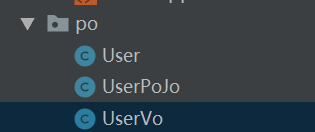
其中User文件同上一篇Mybatis简单入门中的User,包括数据表部分也一样。这里给出UserPoJO和UserVo文件
 package cn.mybatis.po;

 public class UserPoJo extends User{

     private User user;

     public void setUser(User user) {

         this.user = user;

     }

     public User getUser() {

         return user;

     }

 }
UserPOJO
 package cn.mybatis.po;

 public class UserVo {

     private UserPoJo userPoJo;

     public UserPoJo getUserPoJo() {

         return userPoJo;

     }

     public void setUserPoJo(UserPoJo userPoJo) {

         this.userPoJo = userPoJo;

     }

 }
UserVo
然后我们配置UserMapper.xml文件

然后在UserMapper接口文件中添加
    //测试包装类型的查询

    public List<UserPoJo> findUserList(UserVo userVo) throws Exception;
使用Junit测试刚刚做的配置
     @Test

     public void testFindUserList() throws Exception {

         SqlSession sqlSession = sqlSessionFactory.openSession();

         UserMapper userMapper = sqlSession.getMapper(UserMapper.class);

         UserPoJo userPoJo = new UserPoJo();

         UserVo userVo = new UserVo();

         userPoJo.setSex("男");

         userPoJo.setUsername("u");

         userVo.setUserPoJo(userPoJo);

         List<UserPoJo> userPoJoList = userMapper.findUserList(userVo);

         System.out.println(userPoJoList);

     }
最后结果如下

二、输出映射
1、resultType
①在使用resultType进行映射的时候,只有查询出来的列名和包装类型中的属性名一致的时候,才会映射成功
②当使用简单类型作为输出映射的时候,我们需要保证Sql查询的结果只有一行一列,这样就可以使用简单类型
如下所示示例
SELECT COUNT(*) FROM t_user

SELECT username FROM t_user WHERE id = 2
2、resultMap
查询出来的列名和包装类型的属性名不一致的时候,可以使用resultMap来进行相应的映射(具体在使用中来说就是:定义resultMap中和属性的映射关系,然后将输出结果设置为resultMap的类型)
下面我们使用一个例子来进行具体的测试
①首先编写mapper配置文件,其中需要加上resultMap的配置
 <?xml version="1.0" encoding="UTF-8" ?>

 <!DOCTYPE mapper

         PUBLIC "-//mybatis.org//DTD Mapper 3.0//EN"

         "http://mybatis.org/dtd/mybatis-3-mapper.dtd">

 <mapper namespace="cn.mybatis.mapper.UserMapper">

     <!--定义resultMap

         type:resultMap最终映射的Java对象类型

         id:对resultMap的标识

     -->

     <resultMap id="userResultMap" type="user">

         <!--id:标识查询结果集中的唯一标识-->

         <id column="_id" property="id"></id>

         <!--result:标识查询结果集中其他列的标识-->

         <result column="_username" property="username"></result>

         <result column="_password" property="password"></result>

         <result column="_sex" property="sex"></result>

         <result column="_address" property="address"></result>

     </resultMap>

     <select id="findUserById_resultMap" parameterType="int" resultMap="userResultMap">

         SELECT id _id, username _username, PASSWORD _password, address _address, sex _sex FROM t_user WHERE id = #{id}

     </select>

 </mapper>
②然后在Mapper接口中添加方法
    //测试resultMap

    public User findUserById_resultMap(int id) throws Exception;
③ 测试方法
     @Test

     public void testFindUserById_resultMap() throws Exception {

         SqlSession sqlSession = sqlSessionFactory.openSession();

         UserMapper userMapper = sqlSession.getMapper(UserMapper.class);

         User user = userMapper.findUserById_resultMap(2);

         System.out.println(user);

     }
④可以发现,使用resultMap的方式跟直接查询的结果是一致的

三、动态Sql
1、if判断
我们在上面使用包装类查询的用例的时候,考虑到可能出现userPoJo会是null的情况,以及其相应的属性也可能是null的情况,这样的话,如果我们直接在Sql中进行拼接而不做判断的话,可能会出现一些错误,所以我们使用if来进行动态的拼接。
    <select id="findUserList" parameterType="cn.mybatis.po.UserVo" resultType="cn.mybatis.po.UserPoJo">

        SELECT * FROM t_user

        <where>

            <if test="userPoJo != null">

                <if test="userPoJo.sex != null and userPoJo.sex != ''">

                    AND sex = #{userPoJo.sex}

                </if>

                <if test="userPoJo.username != null and userPoJo.username != ''">

                    AND username LIKE '%${userPoJo.username}%'

                </if>

            </if>

        </where>

    </select>

2.Sql片段
上面的例子中,我们可以将if判断抽取出来作为一个Sql片段,这样做的好处是,可能再进行别的单表查询User信息的时候可以重复使用这些Sql。
     <!--定义Sql片段-->

     <sql id="query_user_info">

         <if test="userPoJo != null">

             <if test="userPoJo.sex != null and userPoJo.sex != ''">

                 AND sex = #{userPoJo.sex}

             </if>

             <if test="userPoJo.username != null and userPoJo.username != ''">

                 AND username LIKE '%${userPoJo.username}%'

             </if>

         </if>

     </sql>
然后在别的Sql中将上面的Sql片段引入拼接即可
     <select id="findUserList" parameterType="cn.mybatis.po.UserVo" resultType="cn.mybatis.po.UserPoJo">

         SELECT * FROM t_user

         <where>

             <include refid="query_user_info"></include>

         </where>

     </select>
3.foreach
当我们需要一种同样的查询方式只是参数不同的时候:SELECT * FROM t_user WHERE 1=1 AND (id = 1 OR id =2 OR id = 3),可以使用foreach来记性sql拼接
    <sql id="query_ids">

        <if test="ids != null">

            <!--

                SELECT * FROM t_user WHERE 1=1 AND (id = 1 OR id =2 OR id = 3)

                cilleation: 指定的是输入参数集合的属性名

                item:每次遍历的名称

                open:开始遍历时拼接串

                close:结束遍历时候拼接的串

                separator:遍历的两个对象中间需要拼接的串

            -->

            <foreach collection="ids" item="item_id" open="AND (" close=")" separator=" OR ">

                id=#{item_id}

            </foreach>

        </if>

    </sql>
然后将上面的Sql片段加入响应的statment中
    <select id="findUserByIds" parameterType="userVo" resultType="userPoJo">

        SELECT * FROM t_user

        <where>

            <include refid="query_ids"></include>

        </where>

    </select>
测试结果如下

Mybatis中输入输出映射和动态Sql的更多相关文章
- Mybatis学习第三天——输入输出映射以及动态SQL
注意:以下传入数据与输出数据类型部分使用别名的方式,别名在SqlMapConfig.xml核心文件中配置 1.输入映射 1.1 传递简单数据类型 1.2 传递pojo中的类类型 1.3 传递Query ...
- MyBatis的关联映射和动态SQL
CREATE TABLE tb_card ( id INT PRIMARY KEY AUTO_INCREMENT, CODE ) ); '); CREATE TABLE tb_person ( id ...
- Mybatis输入输出映射_动态sql_关联关系(一对一、一对多、多对多)
Mybatis输入输出映射_动态sql_关联关系(一对一.一对多.多对多)输入输出映射parameterType完成输入映射parameterType可以传入的参数有,基本数据类型(根据id查询用户的 ...
- MyBatis框架之SQL映射和动态SQL
使用MyBatis实现条件查询 1.SQL映射文件: MyBatis真正的强大之处就在于SQL映射语句,MyBatis专注于SQL,对于开发人员来说也是极大限度的进行SQL调优,以保证性能.下面是SQ ...
- 【长文】Spring学习笔记(七):Mybatis映射器+动态SQL
1 概述 本文主要讲述了如何使用MyBatis中的映射器以及动态SQL的配置. 2 MyBatis配置文件概览 MyBatis配置文件主要属性如下: <settings>:相关设置,键值对 ...
- 小峰mybatis(5)mybatis使用注解配置sql映射器--动态sql
一.使用注解配置映射器 动态sql: 用的并不是很多,了解下: Student.java 实体bean: package com.cy.model; public class Student{ pri ...
- MyBatis学习 之 三、动态SQL语句
目录(?)[-] 三动态SQL语句 selectKey 标签 if标签 if where 的条件判断 if set 的更新语句 if trim代替whereset标签 trim代替set choose ...
- Mybatis之关联查询及动态SQL
前言 实际开发项目中,很少是针对单表操作,基本都会联查多表进行操作,尤其是出一些报表的内容.此时,就可以使用Mybatis的关联查询还有动态SQL.前几篇文章已经介绍过了怎么调用及相关内容,因此这里只 ...
- Mybatis中输出映射resultType与resultMap的区别
Mybatis中输出映射resultType与resultMap的区别 (原文地址:http://blog.csdn.net/acmman/article/details/46509375) 一.re ...
随机推荐
- leetcode1031
class Solution(object): def getMaxByCount(self,A,maxlen): curmax = 0 curmax = sum(A[:maxlen]) bigmax ...
- mysql连接测试java脚本
JDBC.java import java.io.IOException; import java.io.InputStream; import java.sql.*; import java.uti ...
- 将font-size设置为 12px 以下,Chrome浏览器只能显示12px怎么办?
将字体大小设置为12px以下,而Chrome浏览器依然只显示12px,因为 Chrome 这款任性的浏览器做了如下限制: 1. font-size 有一个最小值 12px(不同操作系统.不同语言可能限 ...
- io.netty.resolver.dns.DnsNameResolverContext
java.net.UnknownHostException: failed to resolve 'xxx.com' after 3 queries at io.netty.resolver.dns. ...
- 129. Sum Root to Leaf Numbers pathsum路径求和
[抄题]: Given a binary tree containing digits from 0-9 only, each root-to-leaf path could represent a ...
- 24. Swap Nodes in Pairs 链表每2个点翻转一次
[抄题]: Given a linked list, swap every two adjacent nodes and return its head. Example: Given 1->2 ...
- Mysql——数据库和数据表的基本操作
/*创建数据库--- CREATE DATABASE 数据库名;*/ CREATE DATABASE itschool; /*查看已经存在的数据库*/ SHOW DATABASES; /*查看某个已创 ...
- 安卓ViewStub用法
安卓ViewStub用法 在开发应用程序的时候,经常会遇到这样的情况,在运行时动态根据条件来决定显示哪个View或某个布局. 那么最通常的想法就是把可能用到的View都写在上面,先把它们的可见性都设为 ...
- php base64上传图片
php实现base64图片上传方式 本例子中没有采用File Post上传文件方式!原理一样,为了更加的理解base64 选择将其输出在文本域中,并提交至服务器!运用到项目中建议采用提交File方式. ...
- 20172306 2018-2019 《Java程序设计与数据结构》第一周学习总结
20172306 2018-2019 <Java程序设计与数据结构(下)>第一周学习总结 教材学习内容总结 第一章 概述 (程序=数据结构+算法 软件=程序+软件工程) 1.1 软件质量 ...