
3. STL编程三
1. 算法容器的使用:
#include <iostream>

#include <functional>

#include <vector>

#include <algorithm>    //算法,共包含108个算法

#include <numeric>        //整数

using namespace std;

using namespace std::placeholders;    //用于bind()函数的"_1"参数

struct MyStruct

{

    int operator()(int data)    //对()进行重载-->伪函数

    {

        return data %  == ;

    }

};

int get(int data)

{

    return data %  == ;

}

struct my

{

    int get(int data)

    {

        return data %  == ;

    }

};

int main()

{

    vector<int> myint{ ,,,,,,,,, };    //创建容器

    //法一:lambda表达式

    int num1 = count_if(myint.begin(), myint.end(), [](int data)->bool {return data %  == ; });    //偶数个数

    //法二:伪函数(匿名对象)

    int num2 = count_if(myint.begin(), myint.end(), MyStruct());    //MyStruct()匿名对象

    //法三:有名对象

    MyStruct my1;

    int num3 = count_if(myint.begin(), myint.end(), my1);

    //法四:函数

    int num4 = count_if(myint.begin(), myint.end(), get);

    //法五:成员函数(函数绑定器)

    my my2;

    auto fun = bind(&my::get, &my2, _1);

    int num5 = count_if(myint.begin(), myint.end(), fun);

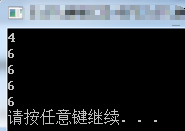
    cout << num1 << endl;    //

    cout << num2 << endl;    //

    cout << num3 << endl;    //

    cout << num4 << endl;    //

    cout << num5 << endl;    //

    system("pause");

    return ;

}
1.1 加入函数模板如下:
#include <iostream>

#include <functional>

#include <vector>

#include <algorithm>    //算法,共包含108个算法

#include <numeric>        //整数

using namespace std;

using namespace std::placeholders;    //用于bind()函数的"_1"参数

template<class T>

bool getT(T data)

{

    return data %  == ;

}

int main()

{

    vector<int> myint{ ,,,,,,,,, };    //创建容器

    int num6 = count_if(myint.begin(), myint.end(), getT<int>);

    cout << num6 << endl;    //

    system("pause");

    return ;

}

2. 模板的展开 ==> 属于模板元的范畴
#include <iostream>

#include <cstdarg>

using namespace std;

template<class T>

void show(T t)

{

    cout << t << " ";

}

template<class...Args>

void all(Args...args)

{

    int arr[] = { (show(args),)... };    //使用数组进行展开

}

template<class...Args>

void allIt(Args...args)

{

    int arr[] = { (show(args),)... };    //int arr[],用来约束展开多少层,保存在数组里面,[]不能省

}

int main()

{

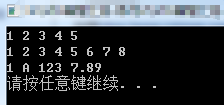
    all(, , , , );

    cout << endl;

    all(, , , , , , , );

    cout << endl;

    allIt(, 'A', "", 7.89);

    cout << endl;

    system("pause");

    return ;

}
3. 函数模板推理机制:
#include <iostream>

using namespace std;

template<typename T>

void go(T t)    //将类型泛型

{

    cout << typeid(T).name() << endl;

    //cout << t << endl;

    cout << "T:" << endl;

}

template<int i>  //模板之间也可以重载

void go()        //数据可以为任意数据(相当于数字模板)

{

    cout << i << endl;

}

template<typename T>

void go(T *t)    //将类型泛型

{

    cout << typeid(T).name() << endl;

    cout << "T *:" << t << endl;

}

int main()

{

    /*

    go(31 - 2);                 //调用泛型函数模板

    go<31 - 2>();               //调用数字模板

    go<decltype(10 + 2)>(1234); //调用泛型函数模板,可以用decltype获取数据类型

    */

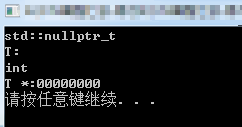
    go(nullptr);                //nullptr不是指针类型,是一种自定义的数据类型表示空指针而已,调用go(T t)

    int *p = nullptr;           //调用go(T *t)

    go(p);

    system("pause");

    return ;

}
4. 函数指针与函数模板:
4.1 函数模板赋值给函数指针:
#include <iostream>

using namespace std;

template<class T>

void show(T t)

{

    cout << t << endl;

}

struct MyStruct

{

    template<class T>

    void show(T t)

    {

        cout << t << endl;

    }

    void go()

    {

        show();

    }

};

//函数模板赋值给函数指针

int main()

{

    //void(*p)() = show<int>;    //无法从“void (__cdecl *)(T)”转换为“void (__cdecl *)(void)”

    void(*p1)(int i) = show<int>;

    void(*p2)(double db) = show<double>;

    system("pause");

    return ;

}
4.2 如何调用结构体中的函数模板?
//如何调用结构体中的函数模板?

int main()

{

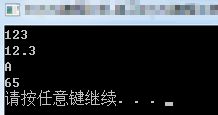
    MyStruct my1;

    my1.go();            //结构体内部调用结构体中的函数模板

    my1.show(12.3);      //外部直接调用结构体中的函数模板

    my1.show('A');

    my1.show<int>('A');

    system("pause");

    return ;

}
4.3 如何绑定结构体内部的函数模板?
#include <iostream>

#include <functional>

using namespace std;

using namespace std::placeholders;

template<class T>

void show(T t)

{

    cout << t << endl;

}

struct MyStruct

{

    template<class T>

    void show(T t)

    {

        cout << t << endl;

    }

    template<class T>

    void showit(T t1, T t2)

    {

        cout << t1 << " " << t2 << endl;

    }

    void go()

    {

        show();

    }

};

//如何绑定结构体内部的函数模板?

int main()

{

    MyStruct my1;

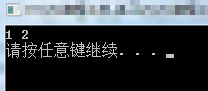
    auto fun = bind(&MyStruct::showit<int>, &my1, , );

    fun();

    system("pause");

    return ;

}
5. 函数模板、模板函数与类模板:
5.1 什么是函数模板?什么是模板函数?
函数模板就是上面所讲的函数模板,而模板函数则是实例化的函数模板。
#include <iostream>

using namespace std;

/*函数模板,不调用不编译*/

template<class T>

T add(T a, T b)

{

    return a + b;

}

int main()

{

    add(, );              /*模板函数,也就是实例化的函数模板,自动根据参数推理*/

    add<double>(, 1.2);    /*模板函数*/

    system("pause");

    return ;

}
5.2 类成员函数模板:
#include <iostream>

using namespace std;

class myclass

{

public:

    template<class T>        //类成员函数模板

    T add(T a, T b)

    {

        return a + b;

    }

    template<class T>        //静态函数模板

    static T sub(T a, T b)

    {

        return a - b;

    }

};

int main()

{

    myclass *p = nullptr;

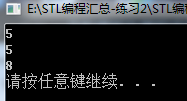
    int num1 = p->add<int>(, );   //强行指定的模板函数,当做类成员函数调用

    int num2 = p->add(, );        //自动推理的模板函数

    cout << num1 << endl;

    cout << num2 << endl;

    int num3 = myclass::sub( , );

    cout << num3 << endl;

    system("pause");

    return ;

}
6. 模板在类中的应用:
#include <iostream>

#include <cstdlib>

using namespace std;

class myclass

{

public:

    template<class T>

    T add(T a)

    {

        return a;

    }

    template<class T>

    T add(T a,T b)

    {

        show();            //函数模板与类成员函数可以互相调用

        return a + b;

    }

    template<class T>

    T add(T a, T b,T c)

    {

        return a + b + c;

    }

    //template<class T>

    //virtual T add(T a, T b,T c)        //error C2898: “T myclass::add(T,T,T)”: 成员函数模板不能是虚拟的

    //{

    //    return a + b + c;

    //}

    void show()

    {

        cout << add<int>() << endl;    //指明类型的方式调用

    }

};

int main()

{

    myclass *p = nullptr;

    p->add(, );

    system("pause");

    return ;

}
7. 类模板与函数模板对比:
#include <iostream>

#include <initializer_list>

#include <memory>

#include <string>

using namespace std;

template<class T,int n>

class myarray

{

    T *p;

public:

    myarray(initializer_list<T> mylist)

    {

        p = new T[n];                //开辟内存

        memset(p, , sizeof(T)*n);   //内存清0

        int length = mylist.size();

        if (length > n)

        {

            abort();    //触发异常

        }

        else

        {

            int i = ;

            for (auto j : mylist)    //数据填充

            {

                p[i] = j;

                i++;

            }

        }

    }

    ~myarray()

    {

        delete[] p;

    }

    void show()    //显示数据

    {

        for (int i = ; i < n; i++)

        {

            cout << p[i] << " ";

        }

        cout << endl;

    }

    void sort()    //冒泡排序

    {

        for (int i = ; i < n - ; i++)

        {

            for (int j = ; j < n -  - i; j++)

            {

                if (p[j] < p[j+])    //从大到小

                {

                    T temp = p[j];

                    p[j] = p[j + ];

                    p[j + ] = temp;

                }

            }

        }

    }

};

int main()

{

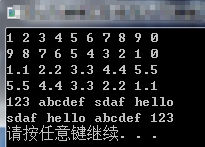
    myarray<int, > my1 = { ,,,,,,,, };

    my1.show();

    my1.sort();

    my1.show();

    myarray<double, > my2 = { 1.1,2.2,3.3,4.4,5.5 };

    my2.show();

    my2.sort();

    my2.show();

    myarray<string, > my3 = { "","abcdef","sdaf","hello" };

    my3.show();

    my3.sort();

    my3.show();

    system("pause");

    return ;

}
8. 类包装器:
#include <iostream>

using namespace std;

template<class T,class F>    //函数模板

T run(T t, F f)

{

    return f(t);

}

class fun

{

public:

    double operator ()(double data)

    {

        return data - ;

    }

};

template<class T>    //类模板

class Tfun

{

public:

    T operator ()(T data)

    {

        return data - ;

    }

};

int main()

{

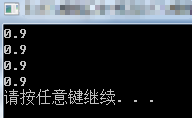
    cout << run(10.9, fun()) << endl;            //fun()是匿名对象

    fun x;

    cout << run(10.9, x) << endl;                //x是有名对象

    cout << run(10.9, Tfun<double>()) << endl;   //模板函数的匿名对象,构造函数返回的就是匿名对象

    Tfun<double> fang;

    cout << run(10.9, fang) << endl;

    system("pause");

    return ;

}
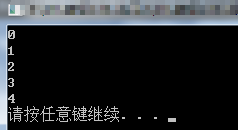
9. 高级类包装器:
#include <iostream>

#include <list>

#include <vector>

using namespace std;

template<class T, class F>    //函数模板

T run(T t, F f)

{

    return f(t);

}

template<class T>    //类模板

class Trun

{

public:

    T operator ()(T data)

    {

        for (auto i:data)

        {

            cout << i <<" ";

        }

        cout << endl;

        return data;

    }

};

int main()

{

    list<int> myint;    //构建链表,压入数据

    for (int i = ; i < ; i++)

    {

        myint.push_back(i);

    }

    run(myint,                            //lambda表达式

        [](list<int> myint)->list<int>

        {

            for (auto i : myint)

            {

                cout << i << endl;

            }

            return myint;

        }

        );

    system("pause");

    return ;

}
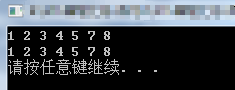
#include <iostream>

#include <list>

#include <vector>

using namespace std;

template<class T, class F>    //函数模板

T run(T t, F f)

{

    return f(t);

}

template<class T>    //类模板

class Trun

{

public:

    T operator ()(T data)

    {

        for (auto i:data)

        {

            cout << i <<" ";

        }

        cout << endl;

        return data;

    }

};

int main()

{

    vector<int> myv{ ,,,,,, };

    run(myv, Trun< vector<int> >());    //匿名对象,用完就扔

    run(myv, Trun< decltype(myv) >());

    system("pause");

    return ;

}
10. 类模板间的封装、继承、多态:
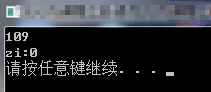
10.1 父类为类模板,子类也是类模板:
#include <iostream>

using namespace std;

//类模板支持封装、继承、多态

template<class T>

class Tfu

{

public:

    T t;

    Tfu():t()

    {

    }

    void show()

    {

        cout << t << endl;

    }

    virtual void go()

    {

        cout << "fu:" << t << endl;

    }

};

template<class T>

class Tzi :public Tfu<T>

{

public:

    void go()

    {

        cout << "zi:" << t << endl;

    }

};

int main()

{

    Tzi<int> tzi;

    tzi.t = ;

    tzi.show();

    Tfu<int> *p = new Tzi<int>;    //实现多态

    p->go();

    system("pause");

    return ;

}
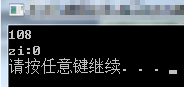
10.2 父类为类模板,子类为普通类:
#include <iostream>

using namespace std;

template<class T>

class Tfu

{

public:

    T t;

    Tfu() :t()

    {

    }

    void show()

    {

        cout << t << endl;

    }

    virtual void go()

    {

        cout << "fu:" << t << endl;

    }

};

class zi :public Tfu<int>

{

public:

    void go()

    {

        cout << "zi:" << t << endl;

    }

};

int main()

{

    zi z1;

    z1.t = ;

    z1.show();

    Tfu<int> *p = new zi;    //多态    此处只能用int

    p->go();

    system("pause");

    return ;

}
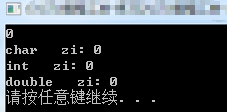
10.3 父类为普通类,子类为类模板:
#include <iostream>

using namespace std;

//类模板支持封装、继承、多态

//T    T    //类模板        可以实现封装、继承、多态

//T    P    //类模板与类    可以实现封装、继承、多态    必须明确类型

//P    T    //类与类模板    可以实现封装、继承、多态    必须明确类型    多态什么类型都可以

//P    P    //普通类        可以实现封装、继承、多态

class die

{

public:

    int t;

    die() :t()

    {

    }

    void show()

    {

        cout << t << endl;

    }

    virtual void go()

    {

        cout << "fu: " << t << endl;

    }

};

template<class T>

class er :public die

{

public:

    void go()

    {

        cout << typeid(T).name() << "   zi: " << t << endl;

    }

};

int main()

{

    er<double> boer;

    boer.show();

    die *p1 = new er<char>;

    die *p2 = new er<int>;

    die *p3 = new er<double>;

    p1->go();

    p2->go();

    p3->go();

    system("pause");

    return ;

}
3. STL编程三的更多相关文章
- C++ STL编程轻松入门基础
C++ STL编程轻松入门基础 1 初识STL:解答一些疑问 1.1 一个最关心的问题:什么是STL 1.2 追根溯源:STL的历史 1.3 千丝万缕的联系 1.4 STL的不同实现版本 2 牛刀小试 ...
- Linux网络编程(三)
Linux网络编程(三) wait()还是waitpid() Linux网络编程(二)存在客户端断开连接后,服务器端存在大量僵尸进程.这是由于服务器子进程终止后,发送SIGCHLD信号给父进程,而父进 ...
- Java并发编程三个性质:原子性、可见性、有序性
并发编程 并发程序要正确地执行,必须要保证其具备原子性.可见性以及有序性:只要有一个没有被保证,就有可能会导致程序运行不正确 线程不安全在编译.测试甚至上线使用时,并不一定能发现,因为受到当时的 ...
- 【读书笔记】.Net并行编程(三)---并行集合
为了让共享的数组,集合能够被多线程更新,我们现在(.net4.0之后)可以使用并发集合来实现这个功能.而System.Collections和System.Collections.Generic命名空 ...
- 【憩园】C#并发编程之异步编程(三)
写在前面 本篇是异步编程系列的第三篇,本来计划第三篇的内容是介绍异步编程中常用的几个方法,但是前两篇写出来后,身边的朋友总是会有其他问题,所以决定再续写一篇,作为异步编程(一)和异步编程(二)的补 ...
- C++ STL编程轻松入门【转载】
1 初识STL:解答一些疑问 1.1 一个最关心的问题:什么是STL "什么是STL?",假如你对STL还知之甚少,那么我想,你一定很想知道这个问题的答案,坦率地讲,要指望用短短数 ...
- C++面向对象高级编程(三)基础篇
技术在于交流.沟通,转载请注明出处并保持作品的完整性. 概要 一.拷贝构造 二.拷贝赋值 三.重写操作符 四.生命周期 本节主要介绍 Big Three 即析构函数,拷贝构造函数,赋值拷贝函数,前面主 ...
- OpenGL ES2.0编程三步曲 -转
原地址:http://blog.csdn.net/myarrow/article/details/7707943 1. 保存全局变量的数据结构 以下例子程序均基于Linux平台. typedef st ...
- STL编程:C++的忠告!
Copy别人的,有少量修改,可以做为一下参考! C++之父Bjarne Stroustrup 写的 The C++ Programming Language (Special Edition) 中各章 ...
随机推荐
- 13.Roman to Integer (HashTable)
Given a roman numeral, convert it to an integer. Input is guaranteed to be within the range from 1 t ...
- unity animation readonly 无法加事件?
目前找到的解决方案是用代码加Event: using System.Collections; using System.Collections.Generic; using UnityEngine; ...
- Ubuntu使用ttyS*(如mincom)时不需root权限的方法
很久很久以前,我们在Ubuntu下使用软件(如minicom.screen等)访问串口时,是不需要任何超级权限的(使用minicom时,只有使用-s选项时需要root权限):不知道从哪个版本(12.0 ...
- 获取openid回调两次
解决了好久,请教了各路大神也没找到解决方案. 最后灵感一现,是不是参数顺序问题?按照官网示例的先后顺序从新调用了一次,回调一次,成功解决. 官网文档:https://mp.weixin.qq.com/ ...
- java 数字金额转换中文金额
public static String digitUppercase(double n){ String fraction[] = {"角", "分"}; S ...
- Hbase 系列(一)基本概念
Hbase 系列(一)基本概念 HBase 是 Apache 旗下一个高可靠性.高性能.面向列.可伸缩的分布式存储系统.利用 HBase 技术可在廉价 PC 服务器上搭建起大规模的存储化集群.使用 H ...
- 密码分析:使用 Ettercap 和 它的 ARP 毒化功能来嗅探流量
vim /etc/etterconf 将 ec_uid 和 ec_gid 改为 0 需要取消下面的 IPTABLES 行的注释.它在靠近文件末尾的 LINUX 一节 ettercap -G Shift ...
- 20155318 2016-2017-2 《Java程序设计》第九学习总结
20155318 2016-2017-2 <Java程序设计>第九学习总结 教材学习内容总结 学习目标 了解JDBC架构 掌握JDBC架构 掌握反射与ClassLoader 了解自定义泛型 ...
- Word2007发布博客
目前大部分的博客作者在用Word写博客这件事情上都会遇到以下3个痛点: 1.所有博客平台关闭了文档发布接口,用户无法使用Word,Windows Live Writer等工具来发布博客.使用Word写 ...
- RocketMQ 运维指令
1.1. 控制台使用 RocketMQ 提供有控制台及一系列控制台命令,用于管理员对主题,集群,broker 等信息的管理 登录控制台 首先进入RocketMQ 工程,进入/RocketMQ/bin ...