
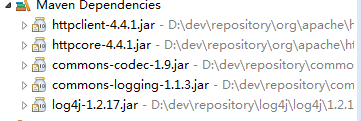
http和https工具类 (要注意httpclient版本号和log4j的版本号)
HTTPS 其实就是 HTTP + SSL/TLS 的合体,它其实还是 HTTP 协议,只是在外面加了一层,SSL 是一种加密安全协议
引入 SSL 的目的是为了解决 HTTP 协议在不可信网络中使用明文传输数据导致的安全性问题
SSL/TLS协议及其握手过程
在 SSL/TLS 握手的过程中,客户端和服务器彼此交换并验证证书,并协商出一个 “对话密钥” ,后续的所有通信都使用这个 “对话密钥” 进行加密,保证通信安全
1 打招呼
当用户通过浏览器访问 HTTPS 站点时,浏览器会向服务器打个招呼,服务器也会和浏览器打个招呼。所谓的打招呼,实际上是告诉彼此各自的 SSL/TLS 版本号以及各自支持的加密算法等,让彼此有一个初步了解
2 表明身份、验证身份
第二步是整个过程中最复杂的一步,也是 HTTPS 通信中的关键。为了保证通信的安全,首先要保证我正在通信的人确实就是那个我想与之通信的人,服务器会发送一个证书来表明自己的身份,浏览器根据证书里的信息进行核实。如果是双向认证的话,浏览器也会向服务器发送客户端证书
双方的身份都验证没问题之后,浏览器会和服务器协商出一个 “对话密钥”
3 通信
至此,握手就结束了。双方开始聊天,并通过 “对话密钥” 加密通信的数据。
1 工具类
package dd.com;

import java.io.IOException;

import java.security.cert.CertificateException;

import java.security.cert.X509Certificate;

import java.util.ArrayList;

import java.util.Iterator;

import java.util.List;

import java.util.Map;

import java.util.Map.Entry;

import javax.net.ssl.SSLContext;

import javax.net.ssl.TrustManager;

import javax.net.ssl.X509TrustManager;

import org.apache.http.HttpEntity;

import org.apache.http.HttpResponse;

import org.apache.http.NameValuePair;

import org.apache.http.client.HttpClient;

import org.apache.http.client.config.RequestConfig;

import org.apache.http.client.entity.UrlEncodedFormEntity;

import org.apache.http.client.methods.CloseableHttpResponse;

import org.apache.http.client.methods.HttpGet;

import org.apache.http.client.methods.HttpPost;

import org.apache.http.conn.ClientConnectionManager;

import org.apache.http.conn.scheme.Scheme;

import org.apache.http.conn.scheme.SchemeRegistry;

import org.apache.http.conn.ssl.SSLSocketFactory;

import org.apache.http.impl.client.CloseableHttpClient;

import org.apache.http.impl.client.DefaultHttpClient;

import org.apache.http.impl.client.HttpClients;

import org.apache.http.message.BasicNameValuePair;

import org.apache.http.util.EntityUtils;

public class HttpUtils {

    private static RequestConfig requestConfig = RequestConfig.custom().setSocketTimeout(15000).setConnectTimeout(15000)

            .setConnectionRequestTimeout(15000).build();

    public static String sendHttpGet(String url) {

        HttpGet httpGet = new HttpGet(url);

        CloseableHttpClient httpClient = null;

        CloseableHttpResponse response = null;

        HttpEntity entity = null;

        String responseContent = null;

        try {

            // 创建默认的httpClient实例.

            httpClient = HttpClients.createDefault();

            httpGet.setConfig(requestConfig);

            // 执行请求

            response = httpClient.execute(httpGet);

            entity = response.getEntity();

            responseContent = EntityUtils.toString(entity, "UTF-8");

        } catch (Exception e) {

            e.printStackTrace();

        } finally {

            try {

                // 关闭连接,释放资源

                if (response != null) {

                    response.close();

                }

                if (httpClient != null) {

                    httpClient.close();

                }

            } catch (IOException e) {

                e.printStackTrace();

            }

        }

        return responseContent;

    }

    /**

     * 发送 post请求

     *

     * @param httpUrl 地址

     * @param maps    参数

     */

    public static String sendHttpPost(String httpUrl, Map<String, String> maps) {

        HttpPost httpPost = new HttpPost(httpUrl);// 创建httpPost

        // 创建参数队列

        List<NameValuePair> nameValuePairs = new ArrayList<NameValuePair>();

        for (String key : maps.keySet()) {

            nameValuePairs.add(new BasicNameValuePair(key, maps.get(key)));

        }

        try {

            httpPost.setEntity(new UrlEncodedFormEntity(nameValuePairs, "UTF-8"));

        } catch (Exception e) {

            e.printStackTrace();

        }

        CloseableHttpClient httpClient = null;

        CloseableHttpResponse response = null;

        HttpEntity entity = null;

        String responseContent = null;

        try {

            // 创建默认的httpClient实例.

            httpClient = HttpClients.createDefault();

            httpPost.setConfig(requestConfig);

            // 执行请求

            response = httpClient.execute(httpPost);

            entity = response.getEntity();

            responseContent = EntityUtils.toString(entity, "UTF-8");

        } catch (Exception e) {

            e.printStackTrace();

        } finally {

            try {

                // 关闭连接,释放资源

                if (response != null) {

                    response.close();

                }

                if (httpClient != null) {

                    httpClient.close();

                }

            } catch (IOException e) {

                e.printStackTrace();

            }

        }

        return responseContent;

    }

    @SuppressWarnings("unchecked")

    public static String sendHttpsPost(String url, Map<String, String> map, String charset) {

        if (null == charset) {

            charset = "utf-8";

        }

        HttpClient httpClient = null;

        HttpPost httpPost = null;

        String result = null;

        try {

            httpClient = new SSLClient();

            httpPost = new HttpPost(url);

            // 设置参数

            List<NameValuePair> list = new ArrayList<NameValuePair>();

            Iterator iterator = map.entrySet().iterator();

            while (iterator.hasNext()) {

                Entry<String, String> elem = (Entry<String, String>) iterator.next();

                list.add(new BasicNameValuePair(elem.getKey(), elem.getValue()));

            }

            if (list.size() > 0) {

                UrlEncodedFormEntity entity = new UrlEncodedFormEntity(list, charset);

                httpPost.setEntity(entity);

            }

            HttpResponse response = httpClient.execute(httpPost);

            if (response != null) {

                HttpEntity resEntity = response.getEntity();

                if (resEntity != null) {

                    result = EntityUtils.toString(resEntity, charset);

                }

            }

        } catch (Exception ex) {

            ex.printStackTrace();

        }

        return result;

    }

    public static String sendHttpsGet(String url, String charset) {

        if (null == charset) {

            charset = "utf-8";

        }

        HttpClient httpClient = null;

        HttpGet httpGet = null;

        String result = null;

        try {

            httpClient = new SSLClient();

            httpGet = new HttpGet(url);

            HttpResponse response = httpClient.execute(httpGet);

            if (response != null) {

                HttpEntity resEntity = response.getEntity();

                if (resEntity != null) {

                    result = EntityUtils.toString(resEntity, charset);

                }

            }

        } catch (Exception e) {

            e.printStackTrace();

        }

        return result;

    }

    public static class SSLClient extends DefaultHttpClient {

        public SSLClient() throws Exception {

            super();

            SSLContext ctx = SSLContext.getInstance("TLS");

            X509TrustManager tm = new X509TrustManager() {

                @Override

                public void checkClientTrusted(X509Certificate[] chain, String authType) throws CertificateException {

                }

                @Override

                public void checkServerTrusted(X509Certificate[] chain, String authType) throws CertificateException {

                }

                @Override

                public X509Certificate[] getAcceptedIssuers() {

                    return null;

                }

            };

            ctx.init(null, new TrustManager[] { tm }, null);

            SSLSocketFactory ssf = new SSLSocketFactory(ctx, SSLSocketFactory.ALLOW_ALL_HOSTNAME_VERIFIER);

            ClientConnectionManager ccm = this.getConnectionManager();

            SchemeRegistry sr = ccm.getSchemeRegistry();

            sr.register(new Scheme("https", 443, ssf));

        }

    }

}
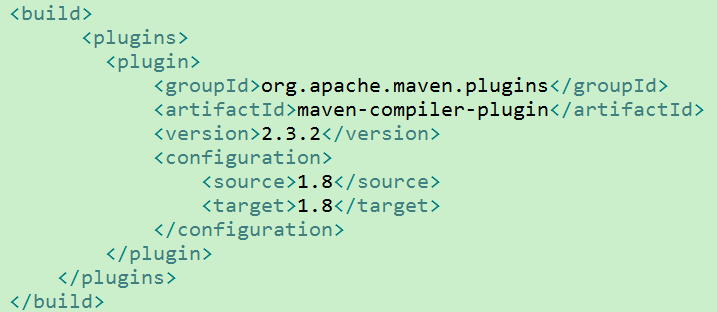
2 maven 依赖 和 jdk 编译版本

3 依赖的jar包
http和https工具类 (要注意httpclient版本号和log4j的版本号)的更多相关文章
- java Https工具类
import java.security.cert.CertificateException; import java.security.cert.X509Certificate; import ja ...
- java安全HTTPS工具类
import java.io.FileInputStream; import java.security.KeyStore; import java.security.SecureRandom; im ...
- https工具类
import org.apache.commons.lang.StringUtils; import javax.net.ssl.*; import java.io.*; import java.ne ...
- 使用单例模式实现自己的HttpClient工具类
引子 在Android开发中我们经常会用到网络连接功能与服务器进行数据的交互,为此Android的SDK提供了Apache的HttpClient 来方便我们使用各种Http服务.你可以把HttpCli ...
- HttpClinet工具类
一.URL调用 忽略https证书 1.调用 InputStream in = null; try { URL url = new URL( "url地址" ); IgnoreSS ...
- 项目ITP(四) javaweb http json 交互 in action (服务端 spring 手机端 提供各种工具类)勿喷!
前言 系列文章:[传送门] 洗了个澡,准备写篇博客.然后看书了.时间 3 7 分.我慢慢规律生活,向目标靠近. 很喜欢珍惜时间像叮当猫一样 正文 慢慢地,二维码实现签到将要落幕了.下篇文章出二维码实 ...
- 基于HttpClient 4.3的可訪问自签名HTTPS网站的新版工具类
本文出处:http://blog.csdn.net/chaijunkun/article/details/40145685,转载请注明.因为本人不定期会整理相关博文,会对相应内容作出完好.因此强烈建议 ...
- HttpClient发起Http/Https请求工具类
<dependency> <groupId>org.apache.httpcomponents</groupId> <artifactId>httpcl ...
- HttpClient 4.5.x 工具类设计与实现
最近,业务需要在java服务端发起http请求,需要实现"GET","POST","PUT"等基本方法.于是想以 "HttpCli ...
随机推荐
- JavaWeb学习日记----表单提交方式
1.表单提交方式 (1) 使用input控件中的submit提交 代码如下: <!DOCTYPE html> <html lang="en"> <he ...
- js数据类型有哪些,js属性和方法的归属,
1.js的数据类型有哪些? 2.全局方法和全局属性? 一 1.js的本质就是处理数据,数据来自后台的数据库.所以变量就起到一个临时存储数据的作用. ECMAScript 制定了js的数据类型. 数据类 ...
- Promise是Monad吗?
译者按: 近年来,函数式语言的特性都被其它语言学过去了. 原文: Functional Computational Thinking — What is a monad? 译者: Fundebug 为 ...
- 6个小而美的es6新特性
译者:动静若参商 译文:http://www.zcfy.cc/article/1795 原文:https://davidwalsh.name/es6-features JavaScript社区中的每个 ...
- JS中的柯里化(currying)
何为Curry化/柯里化? curry化来源与数学家 Haskell Curry的名字 (编程语言 Haskell也是以他的名字命名). 柯里化通常也称部分求值,其含义是给函数分步传递参数,每次传递参 ...
- 《JavaScript高级程序设计》笔记:JavaScript简介(一)
javascript从一个简单的输入验证器发展成为一门强大的编程语言,完全出乎人们的意料. javascript实现一个完整的javascript实现应该由下列三个不同的部分组成:1:核心(ECMAS ...
- 2018-06-21 中文代码示例视频演示Python入门教程第五章 数据结构
知乎原链 续前作: 中文代码示例视频演示Python入门教程第四章 控制流 对应在线文档: 5. Data Structures 这一章起初还是采取了尽量与原例程相近的汉化方式, 但有些语义较偏(如T ...
- 【读书笔记】iOS-库
一,OS X和iOS自带一些标准的C程序库和操作系统相关的特殊性.在MAC和iOS的世界里,静态库采用.a扩展名(静态对象代码库存档),动态加载库采用.dylib扩展名.如果开发人员来自于Linux世 ...
- 「Android」 Surface分析
本篇针对Surface模块进行分析,从Java层的Activity创建开始,到ViewRoot.WindowsManagerService,再到JNI层和Native层. 首先推荐一个Android源 ...
- 根据标签中动态获取的值绑定特定的class
数据有mock数据获取 mock文件: index文件: 引入文件index: 获取数据函数: 根据获取的标签内容给定不同的样式: