
【Linux】IPC-消息队列
问题 消息队列id 和键值KEY区别?
首先要注意一个概念:IPC结构都是内核的结构。也就是说IPC结构由内核维护,对于每个进程都是公共的,不属于某个特定进程。只有这样,IPC结构才能支持它们“进程间通信”的功能。
有两个东西可以标识一个IPC结构:标识符(ID)和键(key)。
Key是IPC结构的内部名。内部即在进程内部使用,这样的标识方法是不能支持进程间通信的。
ID就是IPC结构的外部名。这些进程得到的ID其实是标识了同一个IPC结构,如消息队列同时被进程A和进程B访问。多个进程间就可以通过这个IPC结构通信。
已知一个key,当希望利用这个key创建一个新的IPC时,可以使用get函数,并在flag中指定IPC_CREAT位,例如队列的情况,就是qid = msgget(key, IPC_CREAT)
一、基本概念
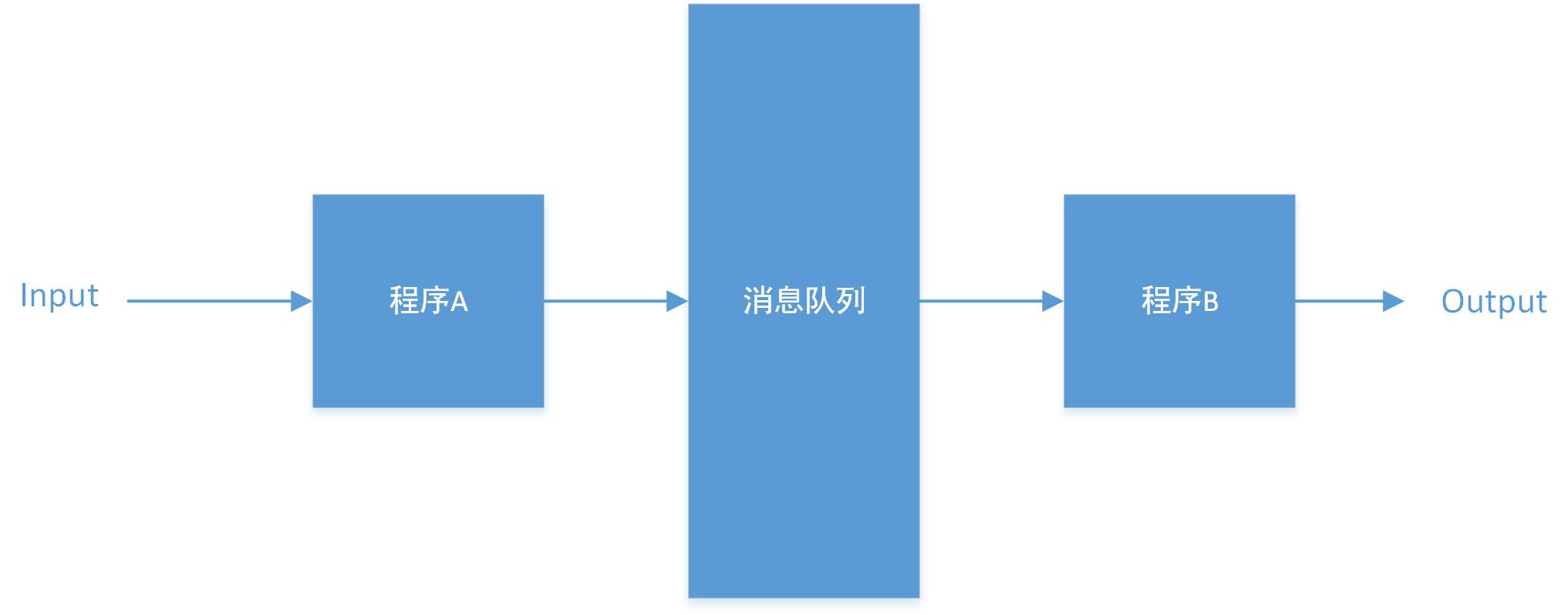
- 消息队列就是一个消息的链表。一条消息可以看作一个有结构的记录。
- IPC方式之一(进程间通信)
- 消息可以通过结构类型区分
二、函数学习
2.1 创建消息队列
2.1.1 函数名
msgget
2.1.2 函数原型
int msgget(key_t key, int msgflg);
2.1.3 函数功能
打开或创建消息队列
2.1.4 头文件
  #include <sys/types.h>

  #include <sys/ipc.h>

  #include <sys/msg.h>
2.1.5 返回值
success:the message queue identifier(消息队列ID)

error:-1
2.1.6 参数说明
key:键值

msgflg:打开标志.	IPC_CREAT:标明新创建一个消息队列。

				IPC_EXCL:标明打开一个消息队列
2.2 写消息
2.2.1 函数名
msgsnd
2.2.2 函数原型
int msgsnd(int msqid, const void *msgp, size_t msgsz, int msgflg);
2.2.3 功能
发送消息到消息队列
2.2.4 头文件
  #include <sys/ipc.h>

  #include <sys/msg.h>
2.2.5 返回值
success:0

error:-1
2.2.6 参数说明
msqid:消息队列的ID

msgp:指向要发送的消息

msgsz:消息的长度(与结构有关,不含message type)

msgflg:标志位
P.S.General Form of message
       struct msgbuf {

           long mtype;       /* message type, must be > 0 */

           char mtext[1];    /* message data */

       };

   The  mtext  field is an array (or other structure) whose size is speci-

   fied by msgsz, a non-negative integer value.
2.3 读消息
2.3.1 函数名
msgrcv
2.3.2 函数原型
ssize_t msgrcv(int msqid, void *msgp, size_t msgsz, long msgtyp,int msgflg);
2.3.3 功能
从消息队列中接收消息
2.3.4 头文件
   #include <sys/types.h>

   #include <sys/ipc.h>

   #include <sys/msg.h>
2.3.5 返回值
success:实际接收消息的数据长度

error: -1
2.3.6 参数
msqid:消息队列的id

msgp :存放取出的消息

msgsz:希望取到消息的最大长度

msgtyp:消息的类型

msgtyp = 0 ,忽略类型,直接取队列中的第一条

msgtyp >0,  取 消息队列中类型等于msgtyp的第一条消息

msgtyp <0,	取 类型比msgtyp的绝对值要小或者等于的消息,如果有多条消息满足该条件,则取类型号最小的一条。

If msgtyp is less than 0, then the first message in  the  queue  with

     the  lowest  type  less than or equal to the absolute value of msgtyp

     will be read.

msgflg:标志
2.4 删除消息队列(控制)
2.4.1 函数名
msgctl
2.4.2 函数原型
int msgctl(int msqid, int cmd, struct msqid_ds *buf);
2.4.3 函数功能
控制消息队列
2.4.4 头文件
#include <sys/types.h>

#include <sys/ipc.h>

#include <sys/msg.h>
2.4.5 返回值
success:0

error :-1
2.4.6 参数说明
msqid:消息队列的id

cmd:操作命令,IPC_RMID 用于删除消息队列

buf :获取内核中的msqid_ds 结构
三、综合实例
发送
/* Send.c*/

#include <stdio.h>

#include <string.h>

#include <sys/types.h>

#include <sys/ipc.h>

#include <sys/msg.h>

struct msgbuf

{

	long msgtype;

	char msgtext[1024];

};

int main()

{

	int msqid;

	int msg_type;

	char str[256];

	struct msgbuf msgs;

	/* 创建消息队列 */

	msqid = msgget(1024,IPC_CREAT);

	while (1)

	{

		printf("Please input message type,0 for quit!\n");

		/* 获取消息类型 */

		scanf("%d",&msg_type);

		/* 如果用户输入的消息类型为0,退出该循环 */

		if (msg_type == 0)

			break;

		/* 获取消息数据 */

		printf("Please input message content!\n");

		scanf("%s",str);

		msgs.msgtype = msg_type;

		strcpy(msgs.msgtext,str);

		/* 发送消息 */

		msgsnd(msqid,&msgs,sizeof(struct msgbuf),0);

	}

	/* 删除消息队列 */

	msgctl(msqid,IPC_RMID,0);

	return 0;

}
接收
/* Receive.c*/

#include <stdio.h>

//#include <string.h>

#include <sys/types.h>

#include <sys/ipc.h>

#include <sys/msg.h>

/* 多进程-子进程 */

int msqid = 0;

struct msgt

{

	long msgtype;

	char msgtext[1024];

};

/* 创建子线程 */

void childprocess()

{

	struct msgt msgs;

	while(1)

	{

	/* 接收消息队列 */

		msgrcv(msqid,&msgs,sizeof(struct msgt), 0, 0);

	/* 打印消息队列中的数据 */

		printf("message text: %s\n",msgs.msgtext);

	}

	return;

}

void main()

{

	int i;

	int cpid;

	/* 打开消息队列 */

	msqid = msgget(1024, IPC_EXCL);

	/* 创建3个子进程 */

	for(i=0;i<3;i++)

	{

		cpid = fork();//创建子线程???

		if (cpid<0)

			printf("Creat childprocess ERROR\n");

		else if(cpid == 0)

			childprocess();

	}

}
【Linux】IPC-消息队列的更多相关文章
- linux IPC 消息队列
消息队列函数原型 在建立IPC通讯时(如消息队列,共享内存)必须建立一个ID值.通常情况下,这个ID值由ftok函数得到 #inlcude <sys/types.h> #include & ...
- linux IPC 消息队列(二)
我在网上想找多进程之间的通信方式,发现有人写的消息队列很好,搬过来: common.h #ifndef __COMMON_H_ #define __COMMON_H_ #include <std ...
- IPC——消息队列
Linux进程间通信——使用消息队列 下面来说说如何用不用消息队列来进行进程间的通信,消息队列与命名管道有很多相似之处.有关命名管道的更多内容可以参阅我的另一篇文章:Linux进程间通信——使用命名管 ...
- 详解linux进程间通信-消息队列
前言:前面讨论了信号.管道的进程间通信方式,接下来将讨论消息队列. 一.系统V IPC 三种系统V IPC:消息队列.信号量以及共享内存(共享存储器)之间有很多相似之处. 每个内核中的 I P C结构 ...
- Linux进程间通信—消息队列
四.消息队列(Message Queue) 消息队列就是消息的一个链表,它允许一个或者多个进程向它写消息,一个或多个进程向它读消息.Linux维护了一个消息队列向量表:msgque,来表示系统中所有的 ...
- linux进程间通信-消息队列
一 消息队列的介绍 消息队列提供了一种从一个进程向另一个进程发送一个数据块的方法. 每个数据块都被认为含有一个类型,接收进程可以独立地接收含有不同类型的数据结构. 我们可以通过发送消息来避免命名管道的 ...
- Linux进程间通信-消息队列(mqueue)
前面两篇文章分解介绍了匿名管道和命名管道方式的进程间通信,本文将介绍Linux消息队列(posix)的通信机制和特点. 1.消息队列 消息队列的实现分为两种,一种为System V的消息队列,一种是P ...
- linux 下消息队列发送后没有信息
在使用消息队列时,调用 #include <stdio.h> #include <stdlib.h> #include <string.h> #include &l ...
- linux中消息队列<一>
1 概念 (1)链表式结构组织,存放于内核. (2)通过队列标识来引用. (3)通过一个消息类型来索引指定的数据 2 创建消息队列 #include <sys/msg.h> int msg ...
- linux进程间通信消息队列:msgsnd: Invalid argument
今天写了个消息队列的小测试程序结果send端程序总是出现:msgsnd: Invalid argument,搞了半个小时也没搞明白,后来查资料发现我将(st_msg_buf.msg_type = 0; ...
随机推荐
- 批量改ID 行形式
update [Temp_Sql] set ID(字段) = (274+ID(字段)) 字段+字段形式 可以以行形式批量修改
- CentOS 7 系统区域和键盘设置
系统区域设置包括语言.键盘布局等,可以通过修改/etc/locale.conf配置文件或使用localectl实用程序来进行设置,一般在安装时设置为默认选择(英文.美式键盘)即可 修改配置文件 [ro ...
- npm 安装 sass=-=-=
先按照 cnpm .....因为外网安不上... cnpm install node-sass --save-dev cnpm install sass-loader --save-dev
- abp架构添加实体并使用迁移功能生成表
参考: https://aspnetboilerplate.com/Pages/Articles/Introduction-With-AspNet-Core-And-Entity-Framework- ...
- hdu6325 Interstellar Travel 凸包变形
题目传送门 题目大意: 给出n个平面坐标,保证第一个点和第n个点y值为0,其余点的x坐标都在中间,要从 i 点走到 j 点的要求是 i 点的横坐标严格小于 j 的横坐标,并且消耗的能量是(xi * y ...
- ZOJ - 2401 水DP
最近会多做点巩固基础的题目 #include<iostream> #include<algorithm> #include<cstdio> #include< ...
- 页面加载时的div动画
用@keyframes(动画),实现页面加载时的div动画(不要用js控制,因为当页面加载的时候,js还不一定可以使用) 可以在https://daneden.github.io/animate.cs ...
- 从源码角度深入分析 ant
[转自] http://www.tuicool.com/articles/eQvIRbA Ant的基本概念 首先是ant的基本概念: Project,Target,Tasks,Properties,P ...
- Python入门笔记——(1)数字与表达式
一.算术运算 整除:// 取余:% 乘方:** (a ** b = pow(a, b)) 十六进制表示:0x...,八进制表示0... round(x [, n]):对x从小数点第n位取四舍五入结果, ...
- Oracle 查看表结构视图
-- 创建视图 CREATE VIEW VIEW_TABLEASSELECT A.TABLE_NAME, A.column_name 字段名,A.data_type 数据类型,A.data_lengt ...