
阿里云linux镜像发布web项目时候 tomcat与域名映射
tomcat 与 域名映射
一 准备工作:
- 阿里云服务器Linux镜像 及 域名备案和将域名解析至服务器,通过<暂不说,网上一大把或者参考阿里官方实例手册>
- 在Linux镜像中安装tomcat+jdk环境,并将web项目打包上传至tomcat的webapps路径下
- 服务器开放80端口,及linux 镜像将80规则写入防火墙中
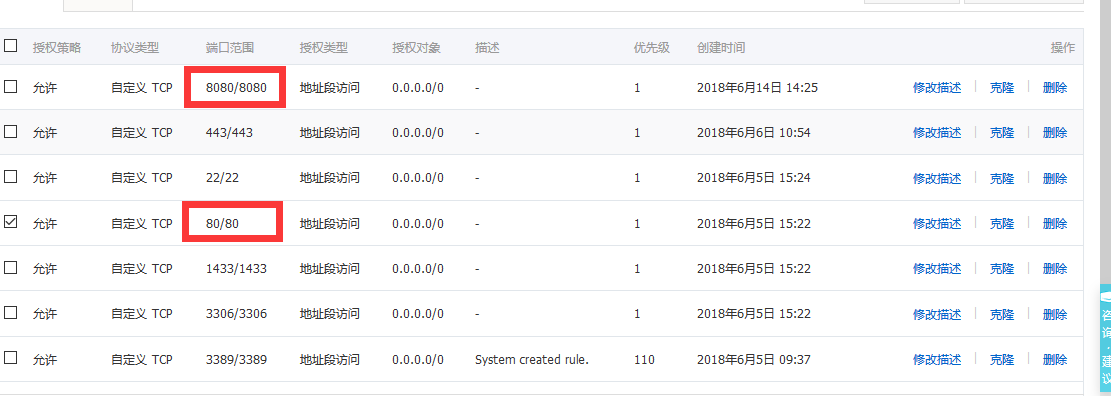

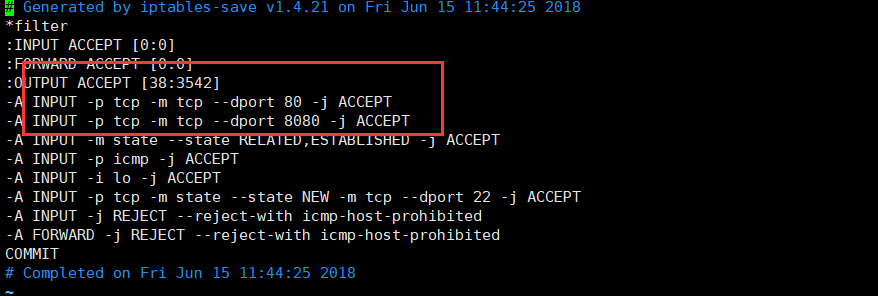
二:tomcat 映射域名 打开 tomcat的server.xml文件
- 1 将8080端口设置为80端口,直接映射80端口,为了省略项目访问时候输入端口号:8080

- 2设置域名及映射的项目名称,加入<context> 节点
注:这里是将项目方在webapps下 这段设置为 将域名:www.shangluo.store映射至 webapps/HelloWorld项目
<context >节点为自己加
<Context docBase="HelloWorld" path="" reloadable="true" > </Context>


保存退出 访问:你好世界!!

tomcat 配置:主要两点
1.8080 ---> 80
2.
<?xml version='1.0' encoding='utf-8'?>
<!--
Licensed to the Apache Software Foundation (ASF) under one or more
contributor license agreements. See the NOTICE file distributed with
this work for additional information regarding copyright ownership.
The ASF licenses this file to You under the Apache License, Version 2.0
(the "License"); you may not use this file except in compliance with
the License. You may obtain a copy of the License at http://www.apache.org/licenses/LICENSE-2.0 Unless required by applicable law or agreed to in writing, software
distributed under the License is distributed on an "AS IS" BASIS,
WITHOUT WARRANTIES OR CONDITIONS OF ANY KIND, either express or implied.
See the License for the specific language governing permissions and
limitations under the License.
-->
<!-- Note: A "Server" is not itself a "Container", so you may not
define subcomponents such as "Valves" at this level.
Documentation at /docs/config/server.html
-->
<Server port="" shutdown="SHUTDOWN">
<!-- Security listener. Documentation at /docs/config/listeners.html
<Listener className="org.apache.catalina.security.SecurityListener" />
-->
<!--APR library loader. Documentation at /docs/apr.html -->
<Listener className="org.apache.catalina.core.AprLifecycleListener" SSLEngine="on" />
<!--Initialize Jasper prior to webapps are loaded. Documentation at /docs/jasper-howto.html -->
<Listener className="org.apache.catalina.core.JasperListener" />
<!-- Prevent memory leaks due to use of particular java/javax APIs-->
<Listener className="org.apache.catalina.core.JreMemoryLeakPreventionListener" />
<Listener className="org.apache.catalina.mbeans.GlobalResourcesLifecycleListener" />
<Listener className="org.apache.catalina.core.ThreadLocalLeakPreventionListener" /> <!-- Global JNDI resources
Documentation at /docs/jndi-resources-howto.html
-->
<GlobalNamingResources>
<!-- Editable user database that can also be used by
UserDatabaseRealm to authenticate users
-->
<Resource name="UserDatabase" auth="Container"
type="org.apache.catalina.UserDatabase"
description="User database that can be updated and saved"
factory="org.apache.catalina.users.MemoryUserDatabaseFactory"
pathname="conf/tomcat-users.xml" />
</GlobalNamingResources> <!-- A "Service" is a collection of one or more "Connectors" that share
a single "Container" Note: A "Service" is not itself a "Container",
so you may not define subcomponents such as "Valves" at this level.
Documentation at /docs/config/service.html
-->
<Service name="Catalina"> <!--The connectors can use a shared executor, you can define one or more named thread pools-->
<!--
<Executor name="tomcatThreadPool" namePrefix="catalina-exec-"
maxThreads="" minSpareThreads=""/>
--> <!-- A "Connector" represents an endpoint by which requests are received
and responses are returned. Documentation at :
Java HTTP Connector: /docs/config/http.html (blocking & non-blocking)
Java AJP Connector: /docs/config/ajp.html
APR (HTTP/AJP) Connector: /docs/apr.html
Define a non-SSL HTTP/1.1 Connector on port
-->
<Connector port="" protocol="HTTP/1.1"
connectionTimeout=""
redirectPort="" URIEncoding="UTF-8" /> <!-- A "Connector" using the shared thread pool-->
<!--
<Connector executor="tomcatThreadPool"
port="" protocol="HTTP/1.1"
connectionTimeout=""
redirectPort="" />
-->
<!-- Define a SSL HTTP/1.1 Connector on port
This connector uses the JSSE configuration, when using APR, the
connector should be using the OpenSSL style configuration
described in the APR documentation -->
<!--
<Connector port="" protocol="HTTP/1.1" SSLEnabled="true"
maxThreads="" scheme="https" secure="true"
clientAuth="false" sslProtocol="TLS" />
--> <!-- Define an AJP 1.3 Connector on port -->
<Connector port="" protocol="AJP/1.3" redirectPort="" /> <!-- An Engine represents the entry point (within Catalina) that processes
every request. The Engine implementation for Tomcat stand alone
analyzes the HTTP headers included with the request, and passes them
on to the appropriate Host (virtual host).
Documentation at /docs/config/engine.html --> <!-- You should set jvmRoute to support load-balancing via AJP ie :
<Engine name="Catalina" defaultHost="localhost" jvmRoute="jvm1">
-->
<Engine name="Catalina" defaultHost="localhost">
<!--For clustering, please take a look at documentation at:
/docs/cluster-howto.html (simple how to)
/docs/config/cluster.html (reference documentation) -->
<!--
<Cluster className="org.apache.catalina.ha.tcp.SimpleTcpCluster"/>
--> <!-- Use the LockOutRealm to prevent attempts to guess user passwords
via a brute-force attack -->
<Realm className="org.apache.catalina.realm.LockOutRealm">
<!-- This Realm uses the UserDatabase configured in the global JNDI
resources under the key "UserDatabase". Any edits
that are performed against this UserDatabase are immediately
available for use by the Realm. -->
<Realm className="org.apache.catalina.realm.UserDatabaseRealm"
resourceName="UserDatabase"/>
</Realm> <Host name="www.shangluo.store" appBase="webapps"
unpackWARs="true" autoDeploy="true" > <Context docBase="HelloWorld" path="" reloadable="true" > </Context>
<!-- SingleSignOn valve, share authentication between web applications
Documentation at: /docs/config/valve.html -->
<!--
<Valve className="org.apache.catalina.authenticator.SingleSignOn" />
--> <!-- Access log processes all example.
Documentation at: /docs/config/valve.html
Note: The pattern used is equivalent to using pattern="common" -->
<Valve className="org.apache.catalina.valves.AccessLogValve" directory="logs"
prefix="localhost_access_log." suffix=".txt"
pattern="%h %l %u %t "%r" %s %b" /> </Host>
</Engine>
</Service>
</Server>
阿里云linux镜像发布web项目时候 tomcat与域名映射的更多相关文章
- 阿里云服务器购买 发布web项目全过程
http://blog.csdn.net/liona_koukou/article/details/50496946
- Maven发布web项目到tomcat
在java开发中经常要引入很多第三方jar包:然而无论是java web开发还是其他java项目的开发经常会由于缺少依赖包引来一些不必要的异常.常常也是因为这样的原因导致许多简单的缺包和版本问题耗费大 ...
- 如何在阿里云linux上部署java项目
前2天把git练了下,敲了很多命令,也借助图形界面增强自己的理解,乘着余热把linux在熟悉下.然后想起以前婷主有让我帮忙搭建的阿里云服务器,所以就想自己试着在阿里云的linux上搭建自己的jav ...
- 阿里云服务器部署Java Web项目全过程
最近需要将一个Java Web项目部署到服务器上,方便多人共享访问.这也是我第一次接触服务器之类的东西,也花了一点时间,最终总算部署成功,写下一篇文章记录以便日后回顾. 购买服务器 第一步当然是需要购 ...
- idea发布web项目在tomcat位置问题
(1)war模式这种可以称之为是发布模式,看名字也知道,这是先打成war包,再发布. (2)war exploded模式是直接把文件夹.jsp页面 .classes等等移到Tomcat 部署文件夹里面 ...
- 阿里云Ubuntu部署java web(2) - 配置tomcat
系统版本号:Ubuntu12.04 64位 安装: 首先要安装java(測试时使用的版本号是6b27-1.12.6-1ubuntu0.12.04.2).版本号可自行选择,但不同版本号配置方法可能不同. ...
- eclipse中tomcat使用add and remove无法发布web项目
继上次启动eclipse中的tomcat报classNotFound的问题后,这次又遇到新问题.就是右键点击tomcat使用add and remove发布web项目至tomcat后,启动tomcat ...
- 阿里云Ubuntu部署java web - 文件夹
文件夹(点击章节标题阅读): 阿里云Ubuntu部署java web(1) - 系统配置 ssh链接server(使用终端远程链接) 加入用户 给用户赋予运 ...
- Linux上部署web服务器并发布web项目-转
Linux上部署web服务器并发布web项目 近在学习如何在linux上搭建web服务器来发布web项目,由于本人是linux新手,所以中间入了不少坑,搞了好久才搞出点成果.以下是具体的详细步骤以 ...
随机推荐
- tomcat-9.0.20部署后输出窗口乱码解决方案
问题:启动tomcat的时候,窗口乱码,默认都是UTF-8的,但是控制台是GBK的,要保持一致 可以通过控制台查看本机的编码: : 936 代表 GB2312 解决办法:打开tomcat目录下的c ...
- 编译k8s1.11 kube-apiserver源码
说明 修改k8s1.11 kube-apiserver源码并构建成镜像,最终替换运行在集群中的kube-apiserver pod来验证本次源码修改 参看链接:https://xinchen.blog ...
- GeoServer CQL查询时中文问题
1.GeoServer可以进行CQL与ECQL过滤,wms和wfs都可以 2.CQL与ECQL查询时,当传中文时会报错.将中文转为Unicode编码后就可以 /* *js Unicode编码转换 */ ...
- FullGC排查心得
最近线上系统(JDK1.7)出现了多次FullGC,但是情况都不一样,今天有时间,将FullGC的排查思路以及如何解决记录下,供大家一起探讨. 场景一: 系统发布上线之后,里面收到如下告警信息: 内容 ...
- 【w、vmstat、top、sar、nload】各个命令 使用介绍
第7周第1次课(5月7日) 课程内容: 10.1 使用w查看系统负载10.2 vmstat命令10.3 top命令10.4 sar命令10.5 nload命令 10.1 使用w查看系统负载 w命令查看 ...
- Apache和PHP结合、Apache默认虚拟主机
5月28日任务 课程内容: 11.14/11.15 Apache和PHP结合11.16/11.17 Apache默认虚拟主机 11.14/11.15 Apache和PHP结合 到目前为止虽然安装好了A ...
- python_网络编程
网络ISO(国际标准化组织)--->网络体系结构标准(OSI模型)OSI: 网络信息传输比较复杂需要很多功能协同-->将功能分开,降低耦合度,让每个模块完成一定的功能-->将这些模块 ...
- 小白的springboot之路(四)、mybatis-generator自动生成mapper和model、dao
0-.前言 在用mybatis开发项目中,数据库动辄上百张数据表,如果你一个一个去手动编写,比较耗费时间:还好,我们有mybatis-generator插件,只需简单几步就能自动生成mybatis的m ...
- MQTT版本升级过程及源码解析
MQTT版本升级过程及源码解析 首先说一下为什么要写这篇文章呢,在我发现网上对MQTT的文章介绍实在太少了,可能也是使用这个的频率比较低吧!还有对问题的定位以及解决的方式和办法也太少了,所以特意写这篇 ...
- 循环双向链表-C语言实现
直接贴出完整代码,每个函数的功能及部分代码的解释都在注释中,代码亲测可行 /* 2018.8.15 注意三点: 1.不要将循环写成if //很尴尬,主要是我犯了这个错误,找了半天还没找出来,第二天看的 ...