
读取配置文件的C语言接口实现
在一些场合,需要对一些配置文件进行读取,去设置软件的参数,自己实现了一些接口函数,以供以后使用。
ConfigFile.c
 #include <stdio.h>

 #include <stdlib.h>

 #include <ctype.h>

 #include <direct.h>

 #define MAX_LINE_LENGTH    256

 int read_line(FILE *fp, char *bp)

 {

     char c = '\0';

     int i = ;

     bool isAssgin = ;

     /* Read one line from the source file */

     while ()

     {

         c = getc(fp);

         if (c == '\n')

         {

             break;

         }

         if (c == '\r')

         {

             continue;

         }

         if (c == '=')

         {

             isAssgin = ;

         }

         if (feof(fp))

         {

             /* return FALSE on unexpected EOF */

             if (isAssgin == )

             {

                 bp[i] = '\0';

                 return();

             }

             else

             {

                 return();

             }

         }

         bp[i++] = c;

     }

     bp[i] = '\0';

     return();

 }

 /************************************************************************

 * Function:     Get_private_profile_int()

 * Arguments:    <char *> section - the name of the section to search for

 *               <char *> entry - the name of the entry to find the value of

 *               <int> def - the default value in the event of a failed read

 *               <char *> file_name - the name of the .ini file to read from

 * Returns:      the value located at entry

 *************************************************************************/

 int Get_private_profile_int(const char *section, const char *entry, int def, char *file_name)

 {

     FILE *fp = fopen(file_name, "r");

     //Try to fix the issue that the MAX_PATH should be 256, not 80

     char buff[MAX_LINE_LENGTH];

     char *ep;

     char t_section[MAX_LINE_LENGTH];

     char value[];

     int len = strlen(entry);

     int i;

     //To support negative number convert

     bool b_IsNegative = false;

     if (!fp)

     {

         return();

     }

     sprintf(t_section, "[%s]", section); /* Format the section name */

     /*  Move through file 1 line at a time until a section is matched or EOF */

     do

     {

         if (!read_line(fp, buff))

         {

             fclose(fp);

             return(def);

         }

     }while (strcmp(buff, t_section));

     /* Now that the section has been found, find the entry.

      * Stop searching upon leaving the section's area. */

     do

     {

         if (!read_line(fp, buff) || buff[] == '[') //130516 Willy modify '\0' to '[' for parser ini bug.

         {

             fclose(fp);

             return(def);

         }

     }while (strncmp(buff, entry, len));

     ep = strrchr(buff, '=');   /* Parse out the equal sign */

     ep++;

     if (!strlen(ep))           /* No setting? */

     {

         return(def);

     }

     /* Copy only numbers fail on characters */

     //To support negative number convert

     if (ep[] == '-')

     {

         b_IsNegative = true;

         for (i = ; isdigit(ep[i]); i++)

         {

             value[i - ] = ep[i];

         }

         value[--i] = '\0';

     }

     else

     {

         for (i = ; isdigit(ep[i]); i++)

         {

             value[i] = ep[i];

         }

         value[i] = '\0';

     }

     fclose(fp);                /* Clean up and return the value */

     //To support negative number convert

     if (b_IsNegative)

     {

         return ( - atoi(value));

     }

     else

     {

         return(atoi(value));

     }

 }

 unsigned long long Get_private_profile_longlong(const char *section, const char *entry, unsigned long long def, char *file_name)

 {

     FILE *fp = fopen(file_name, "r");

     char buff[MAX_LINE_LENGTH];

     char *ep;

     char t_section[MAX_LINE_LENGTH];

     char value[];

     int len = strlen(entry);

     int i;

     if (!fp)

     {

         return();

     }

     sprintf(t_section, "[%s]", section); /* Format the section name */

     /*  Move through file 1 line at a time until a section is matched or EOF */

     do

     {

         if (!read_line(fp, buff))

         {

             fclose(fp);

             return(def);

         }

     }while (strcmp(buff, t_section));

     /* Now that the section has been found, find the entry.

      * Stop searching upon leaving the section's area. */

     do

     {

         if (!read_line(fp, buff) || buff[] == '[') //130516 Willy modify '\0' to '[' for parser ini bug.

         {

             fclose(fp);

             return(def);

         }

     }while (strncmp(buff, entry, len));

     ep = strrchr(buff, '=');   /* Parse out the equal sign */

     ep++;

     if (!strlen(ep))           /* No setting? */

     {

         return(def);

     }

     /* Copy only numbers fail on characters */

     for (i = ; isdigit(ep[i]); i++)

     {

         value[i] = ep[i];

     }

     value[i] = '\0';

     fclose(fp);                /* Clean up and return the value */

     return(_atoi64(value));

 }

 /**************************************************************************

 * Function:     Get_private_profile_string()

 * Arguments:    <char *> section - the name of the section to search for

 *               <char *> entry - the name of the entry to find the value of

 *               <char *> def - default string in the event of a failed read

 *               <char *> buffer - a pointer to the buffer to copy into

 *               <int> buffer_len - the max number of characters to copy

 *               <char *> file_name - the name of the .ini file to read from

 * Returns:      the number of characters copied into the supplied buffer

 ***************************************************************************/

 int Get_private_profile_string(const char *section, const char *entry, const char *def, char *buffer, int buffer_len, char *file_name)

 {

     FILE *fp = fopen(file_name, "r");

     char buff[MAX_LINE_LENGTH];

     char *ep;

     char t_section[MAX_LINE_LENGTH];

     int len = strlen(entry);

     if (!fp)

     {

         return();

     }

     sprintf(t_section, "[%s]", section);  /* Format the section name */

     /*  Move through file 1 line at a time until a section is matched or EOF */

     do

     {

         if (!read_line(fp, buff))

         {

             strncpy(buffer, def, buffer_len);

             return(strlen(buffer));

         }

     }while (strcmp(buff, t_section));

     /* Now that the section has been found, find the entry.

      * Stop searching upon leaving the section's area. */

     do

     {

         if (!read_line(fp, buff) || buff[] == '[') //130516 Willy modify '\0' to '[' for parser ini bug.

         {

             fclose(fp);

             strncpy(buffer, def, buffer_len);

             return(strlen(buffer));

         }

     }while (strncmp(buff, entry, len));

     ep = strrchr(buff, '=');   /* Parse out the equal sign */

     do

     {

         ep++;

     }while(!strncmp(ep, " ", ));   //Remove the blank space

     /* Copy up to buffer_len chars to buffer */

     strncpy(buffer, ep, buffer_len - );

     buffer[buffer_len - ] = '\0';

     fclose(fp);               /* Clean up and return the amount copied */

     return(strlen(buffer));

 }

 int Get_private_profile_hex(const char *section, const char *entry, int def, char *file_name)

 {

     char valBuf[], valBuf2[];

     int data;

     memset(valBuf, , sizeof(valBuf));

     memset(valBuf2, , sizeof(valBuf2));

     sprintf(valBuf2, "0x%x", def);

     Get_private_profile_string(section, entry, valBuf2, &valBuf[], sizeof(valBuf), file_name);

     data = ;

     sscanf(valBuf, "0x%x", &data);

     return data;

 }

 /*************************************************************************

  * Function:    Write_private_profile_string()

  * Arguments:   <char *> section - the name of the section to search for

  *              <char *> entry - the name of the entry to find the value of

  *              <char *> buffer - pointer to the buffer that holds the string

  *              <char *> file_name - the name of the .ini file to read from

  * Returns:     TRUE if successful, otherwise FALSE

  *************************************************************************/

 int Write_private_profile_string(const char *section, const char *entry, char *buffer, char *file_name)

 {

     FILE *rfp, *wfp;

     char tmp_name[];

     //Try to fix the issue that the MAX_PATH should be 256, not 80

     char buff[MAX_LINE_LENGTH];

     char t_section[MAX_LINE_LENGTH];

     int len = strlen(entry);

     tmpnam(tmp_name); /* Get a temporary file name to copy to */

     sprintf(t_section, "[%s]", section); /* Format the section name */

     rfp = fopen(file_name, "r");

     if (!rfp)  /* If the .ini file doesn't exist */

     {

         wfp = fopen(file_name, "w");

         if (!wfp) /*  then make one */

         {

             return();

         }

         fprintf(wfp, "%s\n", t_section);

         fprintf(wfp, "%s=%s\n", entry, buffer);

         fclose(wfp);

         return();

     }

     wfp = fopen(tmp_name, "w");

     if (!wfp)

     {

         fclose(rfp);

         return();

     }

     /* Move through the file one line at a time until a section is

      * matched or until EOF. Copy to temp file as it is read. */

     do

     {

         if (!read_line(rfp, buff))

         {

             /* Failed to find section, so add one to the end */

             fprintf(wfp, "\n%s\n", t_section);

             fprintf(wfp, "%s=%s\n", entry, buffer);

             /* Clean up and rename */

             fclose(rfp);

             fclose(wfp);

             unlink(file_name);

             rename(tmp_name, file_name);

             return();

         }

         fprintf(wfp, "%s\n", buff);

     }while (strcmp(buff, t_section));

     /* Now that the section has been found, find the entry. Stop searching

      * upon leaving the section's area. Copy the file as it is read

      * and create an entry if one is not found.  */

     while ()

     {

         if (!read_line(rfp, buff))

         {

             /* EOF without an entry so make one */

             fprintf(wfp, "%s=%s\n", entry, buffer);

             /* Clean up and rename */

             fclose(rfp);

             fclose(wfp);

             unlink(file_name);

             rename(tmp_name, file_name);

             return();

         }

         if (!strncmp(buff, entry, len) || buff[] == '\0')

         {

             break;

         }

         fprintf(wfp, "%s\n", buff);

     }

     if (buff[] == '\0')

     {

         fprintf(wfp, "%s=%s\n", entry, buffer);

         do

         {

             fprintf(wfp, "%s\n", buff);

         }

         while (read_line(rfp, buff));

     }

     else

     {

         fprintf(wfp, "%s=%s\n", entry, buffer);

         while (read_line(rfp, buff))

         {

             fprintf(wfp, "%s\n", buff);

         }

     }

     /* Clean up and rename */

     fclose(wfp);

     fclose(rfp);

     unlink(file_name);

     rename(tmp_name, file_name);

     return();

 }

 int Write_private_profile_int(const char *section, const char *entry, int data, char *file_name)

 {

     char valBuf[];

     memset(valBuf, , );

     sprintf(valBuf, "%d", data);

     return Write_private_profile_string(section, entry, valBuf, file_name);

 }

 unsigned long long Write_private_profile_longlong(const char *section, const char *entry, unsigned long long data, char *file_name)

 {

     char valBuf[];

     memset(valBuf, , );

     sprintf(valBuf, "%Lu", data);

     return Write_private_profile_string(section, entry, valBuf, file_name);

 }
ConfigFile.h
 #ifndef _CONFIGFILE_H_

 #define _CONFIGFILE_H_

 extern int Get_private_profile_int(const char *section, const char *entry, int def, char *file_name);

 extern unsigned long long Get_private_profile_longlong(const char *section, const char *entry, unsigned long long def, char *file_name);

 extern int Get_private_profile_string(const char *section, const char *entry, const char *def, char *buffer, int buffer_len, char *file_name);

 extern int Get_private_profile_hex(const char *section, const char *entry, int def, char *file_name);

 extern int Write_private_profile_string(const char *section, const char *entry, char *buffer, char *file_name);

 extern int Write_private_profile_int(const char *section, const char *entry, int data, char *file_name);

 extern unsigned long long Write_private_profile_longlong(const char *section, const char *entry, unsigned long long data, char *file_name);

 #endif //_CONFIGFILE_H_
测试:
当前目录下Autoconfig.ini文件的内容为
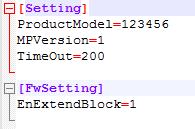
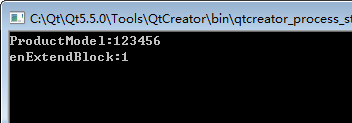
测试源码:main.c
 #include <stdio.h>

 #include <stdlib.h>

 #include <ctype.h>

 #include <direct.h>

 #include "GetConfig.h"

 #define DEFAULT_INI_FILE "\\Autoconfig.ini"

 int main(int argc, char* argv[])

 {

     char ProductModel[];

     char iniFile[];

     char *buffer;

     buffer = getcwd(NULL, );

     strcpy(iniFile, buffer);

     strcat(iniFile,DEFAULT_INI_FILE);

     Get_private_profile_string("Setting", "ProductModel", "SS", ProductModel, sizeof(ProductModel), iniFile);

     printf("ProductModel:%s\n",ProductModel);

     unsigned char enExtendBlock = Get_private_profile_int("FwSetting", "EnExtendBlock", , iniFile);

     printf("enExtendBlock:%d\n",enExtendBlock);

     int MPVersion = ;

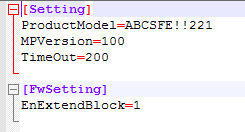
     Write_private_profile_int("Setting", "MPVersion", MPVersion, iniFile);

     sprintf(ProductModel,"ABCSFE!!221");

     Write_private_profile_string("Setting", "ProductModel", ProductModel, iniFile);

 }
读取配置文件的C语言接口实现的更多相关文章
- Java 数据类型:集合接口Map:HashTable;HashMap;IdentityHashMap;LinkedHashMap;Properties类读取配置文件;SortedMap接口和TreeMap实现类:【线程安全的ConcurrentHashMap】
Map集合java.util.Map Map用于保存具有映射关系的数据,因此Map集合里保存着两个值,一个是用于保存Map里的key,另外一组值用于保存Map里的value.key和value都可以是 ...
- Windows 服务多语言化时读取配置文件失败的问题。
在Installer中,按一般读取配置文件的方法(ConfigurationManager.AppSettings["CultureName"])读取不到内容. 可以这样读取: v ...
- ServletContext 接口读取配置文件要注意的路径问题
在建立一个maven项目时,我们通常把一些文件直接放在resource下面,在ServletContext中有getResource(String path)和getResourceAsStream( ...
- C语言 读取配置文件
配置文件截图: 读取结果截图: 代码转自:http://www.tuicool.com/articles/Zb2iIn 附代码: // ReadConfig.cpp : 定义控制台应用程序的入口点. ...
- Python语言的configparser模块便捷的读取配置文件内容
配置文件是在写脚本过程中经常会用到的,所以读取配置文件的模块configparser也非常重要,但是很简单. 首先我们的配置文件内容为: 这样的配置文件,[]里面的内容叫section,[]下面的内容 ...
- python接口测试之读取配置文件
1.python使用自带的configparser模块用来读取配置文件,配置文件可以为.conf或.ini结尾 在使用前需要先安装该模块,使用pip安装即可 2.新建一个名为a.conf的配置文件 a ...
- Java 利用 ByteArrayOutputStream 和 ByteArrayInputStream 避免重复读取配置文件
最近参与了github上的一个开源项目 Mycat,是一个mysql的分库分表的中间件.发现其中读取配置文件的代码,存在频繁多次重复打开,读取,关闭的问题,代码写的很初级,稍微看过一些框架源码的人,是 ...
- [转]SQLITE3 C语言接口 API 函数简介
SQLITE3 C语言接口 API 函数简介 说明:本说明文档属作者从接触 SQLite 开始认识的 API 函数的使用方法, 由本人翻译, 不断更新. /* 2012-05-25 */ int sq ...
- 利用java反射机制 读取配置文件 实现动态类载入以及动态类型转换
作者:54dabang 在spring的学习过程之中,我们能够看出通过配置文件来动态管理bean对象的优点(松耦合 能够让零散部分组成一个总体,而这些总体并不在意之间彼此的细节,从而达到了真正的物理上 ...
随机推荐
- [Mac]ssh免密登陆配置
在已经有公钥和私钥的情况下,只需要以下三步即可实现免密登陆: 1.将已有rsa公钥和私钥拷贝到~/.ssh目录下. 2.编辑配置文件:vim ~/.ssh/config,内容如下: Host xxx ...
- intellij构建多模块项目
1.新建sailfish总目录, 2.新建maven项目,并将其手动移入sailfish,再用intellij打开该项目, <groupId>com.rainbow.sailfish< ...
- 【Python】requests.post请求注册实例
#encoding=utf-8 import requests import json import time import random import multiprocessing from mu ...
- String中对字符串进行操作的一些方法
1.substring 作用:根据字符串下标进行截取 public class StrTest { public static void main(String[] args) { String a ...
- Dubbo浅谈
一.高并发的解决 1.高并发:很多人同时访问. 2.高并发产生的性能瓶颈: tomcat支持的controller,解决办法:多个tomcat共同支撑.(tomcat集群) 只有一个service被调 ...
- 原生WebGL绘制3个点
<html> <body> <canvas width = "300" height = "300" id = "my_ ...
- 【leetcode】345. Reverse Vowels of a String
problem 345. Reverse Vowels of a String class Solution { public: string reverseVowels(string s) { , ...
- 20155219 2016-2017-2《Java程序设计》课程总结
20155219 2016-2017-2<Java程序设计>课程总结 (按顺序)每周作业链接汇总 预备作业1:我期望的师生关系 预备作业2:做中学深入探讨 预备作业3:虚拟机的安装与学习 ...
- hdoj-1503 (LCS解的输出)
题目链接 回溯输出解 #include <bits/stdc++.h> using namespace std; ; int dp[N][N],dir[N][N]; char s1[N], ...
- com.sun.org.apache.xerces.internal.impl.dv.util.Base64出现的问题
import com.sun.org.apache.xerces.internal.impl.dv.util.Base64; 出现的问题是这个在eclipse中无法使用,解决方法如下: (1)进入ec ...