
Linux-2.6驱动程序分层分离概念
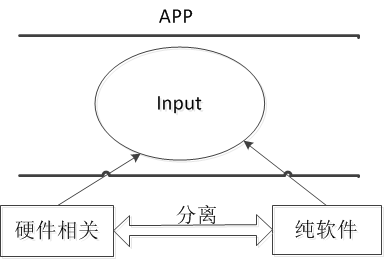
下面以一个按键的实验作为驱动分离时间简单学习:
 #include <linux/module.h>

 #include <linux/version.h>

 #include <linux/init.h>

 #include <linux/kernel.h>

 #include <linux/types.h>

 #include <linux/interrupt.h>

 #include <linux/list.h>

 #include <linux/timer.h>

 #include <linux/init.h>

 #include <linux/serial_core.h>

 #include <linux/platform_device.h>

 /* 分配/设置/注册一个platform_device */

 static struct resource led_resource[] = {

     [] = {

         .start = 0x56000050,

         .end   = 0x56000050 +  - ,

         .flags = IORESOURCE_MEM,

     },

     [] = {

         .start = ,

         .end   = ,

         .flags = IORESOURCE_IRQ,

     }

 };

 static void led_release(struct device * dev)

 {

 }

 static struct platform_device led_dev = {

     .name         = "myled",

     .id       = -,

     .num_resources    = ARRAY_SIZE(led_resource),

     .resource     = led_resource,

     .dev = {

         .release = led_release,

     },

 };

 static int led_dev_init(void)

 {

     platform_device_register(&led_dev);

     return ;

 }

 static void led_dev_exit(void)

 {

     platform_device_unregister(&led_dev);

 }

 module_init(led_dev_init);

 module_exit(led_dev_exit);

 MODULE_LICENSE("GPL");
led_dev.c
 /* 分配/设置/注册一个platform_driver */

 #include <linux/module.h>

 #include <linux/version.h>

 #include <linux/init.h>

 #include <linux/fs.h>

 #include <linux/interrupt.h>

 #include <linux/irq.h>

 #include <linux/sched.h>

 #include <linux/pm.h>

 #include <linux/sysctl.h>

 #include <linux/proc_fs.h>

 #include <linux/delay.h>

 #include <linux/platform_device.h>

 #include <linux/input.h>

 #include <linux/irq.h>

 #include <asm/uaccess.h>

 #include <asm/io.h>

 static int major;

 static struct class *cls;

 static volatile unsigned long *gpio_con;

 static volatile unsigned long *gpio_dat;

 static int pin;

 static int led_open(struct inode *inode, struct file *file)

 {

     //printk("first_drv_open\n");

     /* 配置为输出 */

     *gpio_con &= ~(0x3<<(pin*));

     *gpio_con |= (0x1<<(pin*));

     return ;

 }

 static ssize_t led_write(struct file *file, const char __user *buf, size_t count, loff_t * ppos)

 {

     int val;

     //printk("first_drv_write\n");

     copy_from_user(&val, buf, count); //    copy_to_user();

     if (val == )

     {

         // 点灯

         *gpio_dat &= ~(<<pin);

     }

     else

     {

         // 灭灯

         *gpio_dat |= (<<pin);

     }

     return ;

 }

 static struct file_operations led_fops = {

     .owner  =   THIS_MODULE,    /* 这是一个宏,推向编译模块时自动创建的__this_module变量 */

     .open   =   led_open,

     .write    =    led_write,

 };

 static int led_probe(struct platform_device *pdev)

 {

     struct resource        *res;

     /* 根据platform_device的资源进行ioremap */

     res = platform_get_resource(pdev, IORESOURCE_MEM, );

     gpio_con = ioremap(res->start, res->end - res->start + );

     gpio_dat = gpio_con + ;

     res = platform_get_resource(pdev, IORESOURCE_IRQ, );

     pin = res->start;

     /* 注册字符设备驱动程序 */

     printk("led_probe, found led\n");

     major = register_chrdev(, "myled", &led_fops);

     cls = class_create(THIS_MODULE, "myled");

     class_device_create(cls, NULL, MKDEV(major, ), NULL, "led"); /* /dev/led */

     return ;

 }

 static int led_remove(struct platform_device *pdev)

 {

     /* 卸载字符设备驱动程序 */

     /* iounmap */

     printk("led_remove, remove led\n");

     class_device_destroy(cls, MKDEV(major, ));

     class_destroy(cls);

     unregister_chrdev(major, "myled");

     iounmap(gpio_con);

     return ;

 }

 struct platform_driver led_drv = {

     .probe        = led_probe,

     .remove        = led_remove,

     .driver        = {

         .name    = "myled",

     }

 };

 static int led_drv_init(void)

 {

     platform_driver_register(&led_drv);

     return ;

 }

 static void led_drv_exit(void)

 {

     platform_driver_unregister(&led_drv);

 }

 module_init(led_drv_init);

 module_exit(led_drv_exit);

 MODULE_LICENSE("GPL");
led_drv.c
 #include <sys/types.h>

 #include <sys/stat.h>

 #include <fcntl.h>

 #include <stdio.h>

 /* led_test on

  * led_test off

  */

 int main(int argc, char **argv)

 {

     int fd;

     int val = ;

     fd = open("/dev/led", O_RDWR);

     if (fd < )

     {

         printf("can't open!\n");

     }

     if (argc != )

     {

         printf("Usage :\n");

         printf("%s <on|off>\n", argv[]);

         return ;

     }

     if (strcmp(argv[], "on") == )

     {

         val  = ;

     }

     else

     {

         val = ;

     }

     write(fd, &val, );

     return ;

 }
led_test.c
Linux-2.6驱动程序分层分离概念的更多相关文章
- 驱动程序分层分离概念_总线驱动设备模型_P
分层概念: 驱动程序向上注册的原理: 比如:输入子程序一个input.c作为一层,下层为Dev.c和Dir.c,分别编写Dev.c和Dir.c向上Input.c注册:如图所示 分离概念: 分离概念主要 ...
- 嵌入式Linux驱动学习之路(十七)驱动程序分层分离概念-平台设备驱动
平台设备驱动: 包含BUS(总线).DEVICE.DRIVER. DEVICE:硬件相关的代码 DRIVER:比较稳定的代码 BUS有一个driver链表和device链表. ①把device放入bu ...
- linux驱动分离分层的概念
这个分离分层的概念和输入子系统有点像,但不是完全一样的.为什么会再弄一个这个模型出来我也没有搞懂,现在我的学习还停留在把知识学懂的层面上.至于为什么会产生这种知识,现在我还无从解释,还需时日成长. 这 ...
- 【linux】驱动-5-驱动框架分层分离&实战
目录 前言 5. 分离分层 5.1 回顾-设备驱动实现 5.2 分离分层 5.3 设备 5.4 驱动 5.5 系统,模块 5.6 Makefile 参考: 前言 5. 分离分层 本章节记录实现LED驱 ...
- python selenium自动化测试之路(1)--分层测试概念、selenium工具介绍
1.分层自动化测试概念 传统的自动化市场更关注产品UI层的自动化测试,而分层的自动化测试倡导产品开发的不同阶段都需要自动化测试 大多公司与研发团队其实是忽略了单元测试与集成测试阶段的自动化测试工作,所 ...
- linux设备驱动的分层设计思想--input子系统及RTC
转自:linux设备驱动的分层设计思想 宋宝华 http://blog.csdn.net/21cnbao/article/details/5615493 1.1 设备驱动核心层和例化 在面向对象的程序 ...
- Linux DM9000网卡驱动程序完全分析
Linux DM9000网卡驱动程序完全分析http://blog.csdn.net/ypoflyer/article/details/6209922
- Linux下触摸屏驱动程序分析
[摘要: 本文以linux3.5--Exynos4412仄台,剖析触摸屏驱动焦点内容.Linux下触摸屏驱动(以ft5x06_ts为例)须要懂得以下学问: 1. I2C协定 2. Exynos4412 ...
- Linux学习之CentOS(三)--初识linux的文件系统以及用户组等概念
Linux学习之CentOS(三)--初识linux的文件系统以及用户组等概念 进入到了Linux学习之CentOS第三篇了,这篇文章主要记录下对linux文件系统的初步认识,以及用户组.用户权限.文 ...
随机推荐
- windows 7 Alt+Tab 的风格改成 XP 风格
1.开始菜单-运行-输入“regedit”. 2.找到这个位置“[HKEY_CURRENT_USER\Software\Microsoft\Windows\CurrentVersion\Explore ...
- Pig foreach用法举例
foreach:一行一行的遍历数据,处理一行的数据,然后返回一个tuple. users = load '/users.data'; 1)别名引用 f = foreach users genera ...
- ReactJS表单handleChange
handleInputChange = (event) => { const target = event.target; const type = target.type; const val ...
- TestNG 判断文件下载成功
用WatchService写一个方法放在onTestStart()方法里监听文件夹的变化. 但是判断下载成功还需要写一个方法, 用来判断什么时候文件从.xlsx.rcdownload改成.xlsx才行 ...
- Configuration Manager 和内容位置(包源文件)
Configuration Manager 2007 中的内容位置涉及 Configuration Manager 2007 客户端如何查找播发和软件更新的包源文件.当客户端需要查找内容时,它会将内容 ...
- Codewars, Leetcode, Hackerrank. Online Judges Reviews
http://jasonjl.me/blog/2015/03/30/practical-programming-practice-services/ Codewars, Leetcode, Hacke ...
- Linux 系统的磁盘分区_【all】
磁盘的存储逻辑结构 1.主引导扇区(446+64+2) MBR(主引导记录)0磁头0磁道的第一扇区 446字节 -->存放系统的引导程序,同Windows 剩下的64字节,分区表(每个分区16字 ...
- jQuery: 刨根问底 attr and prop两个函数的区别
In this short post I will explain the difference between attributes and properties in HTML. The .pro ...
- 学习博客之Java继承多态接口
这一篇博客主要是对软工前一阶段学习的总结,主要是对Java的学习总结,包括三部分:Java的继承.多态和接口 Java的继承 继承是面向对象的三大特性之一,能够实现软件的复用. Java子类继承父类的 ...
- ajax跨域请求在IE8中存在的问题
从没打算怎么去兼容老版本IE,毕竟微软自己都放弃了,可是最近做好的东西在所有的IE下都会出问题:GetJson不执行 本来觉得挺简单的,度娘也给出了一大堆的解决方案,可惜,基本上都是在说缓存,实际上并 ...