
[数据结构]P1.1 链表结构
* 注: 本文/本系列谢绝转载,如有转载,本人有权利追究相应责任。 2019年4月8日
Stan Zhang 2019年4月8日 格物致知,经世致用。
[面试题]1.为什么要用链表?
数组具有的缺陷: 数组是长度固定类型固定的,并且它取值快,插入和删除慢。
链表正弥补了这样的不足,它是长度都可以灵活扩展的,另外它是插入和删除快,但是取值非常慢。
查找也比较慢,这是这种线性结构的通病,需要通过散列的思路进行解决,当然一个例外是
有下标的有序线性结构可以使用二分查找提高查找效率。
因此没有最好的,只有最合适的数据结构。
2.链表的分类.
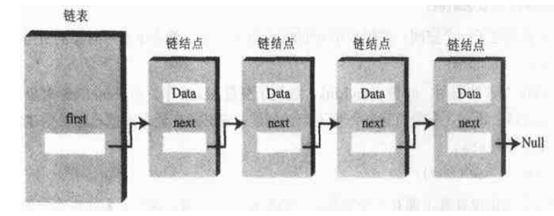
A.单链表:
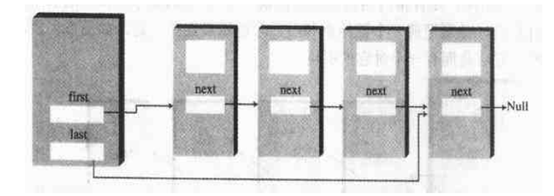
B:双端链表
C:有序链表 : 没有什么突出的优点,只是为了迎合扩展性(长度扩展)以及业务
故名思意,有序链表的序列是有序的。
先比较一下有序数组,有序数组牺牲插入效率来提升查找效率,配合二分查找(利用数组索引)可以LogN级别定位元素。
但是有序链表中有序并不能提升其查找效率(它没有数组的索引)。
List本生就是按照添加的顺序有序的,再引入一个排序标准没有必要,因此Java当中没有SortedList.
而Set本身没有顺序规则,可以设置一个排序,因此当需要使用有序的集合时,我们可以使用SortedSet.
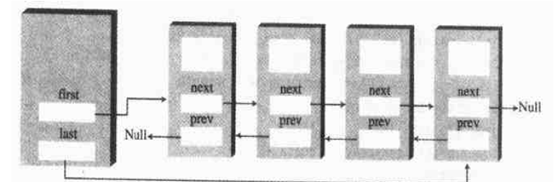
D:双向链表
3.实现
A.单链表
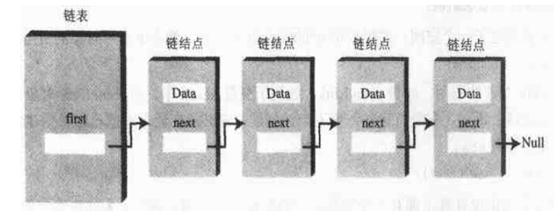
单链表的特点是头部插入快,其他无论是查找、尾部插入还是删除,效率都是N级别的。
Java代码的实现:
package ds1.linked.table.singleDirection;

/**

 * 单向链表

 * 单向链表的表中会存留一个链表的起始端 Node first,这导致从尾部插入数据非常麻烦需要花费O(N)的时间

 */

public class SingleDirectionList {

    static class Node {

        Node next;

        String data;

        Node(String data){

            this.data = data;

        }

    }

    static class LinkedList{

        Node first; // 保存第一个节点

        public LinkedList(){

        }

        public LinkedList(Node first) {

            this.first = first;

        }

        public void foreachPrint(){

            if(first == null){

                System.out.println("[]");

            }else{

                System.out.print("[" + this.first.data);

                Node current = first.next;

                while(current != null){

                    System.out.print("," + current.data);

                    current = current.next;

                }

                System.out.println("]");

            }

        }

        /**

         * 插入节点的时间复杂度: O(1)

         * @param node

         */

        public void addNode(Node node){

            if(first == null){

                this.first = node;

            }else{

                node.next = this.first;

                this.first = node;

            }

        }

        /**

         * 删除节点的时间复杂度: O(N)

         * @param node

         */

        public void removeNode(Node node){

            if(this.first == null){

                return;

            }

            if(this.first.equals(node)){

                this.first = this.first.next;

                node.next = null;

                return;

            }

            Node current = this.first;

            Node before = current;

            while(current.next != null){

                if(current.equals(node)){

                    before.next = current.next;

                    node.next = null;

                    break;

                }

                before = current;

                current = current.next;

            }

        }

        /**

         * 查找节点的时间复杂度: O(N)

         * @param data

         * @return

         */

        public Node findNodeByData(String data){

            Node result = null;

            Node current = this.first;

            while(current != null){

                if(current.data != null && current.data.equals(data)){

                    result = current;

                    break;

                }

                current = current.next;

            }

            return current;

        }

    }

    public static void main(String[] args) {

        LinkedList linkedList = new LinkedList();

        Node node1 = new Node("node1");

        Node node2 = new Node("node2");

        Node node3 = new Node("node3");

        Node node4 = new Node("node4");

        Node node5 = new Node("node5");

        Node node6 = new Node("node6");

        Node node7 = new Node("node7");

        linkedList.addNode(node1);

        linkedList.addNode(node2);

        linkedList.addNode(node3);

        linkedList.addNode(node4);

        linkedList.addNode(node5);

        linkedList.addNode(node6);

        linkedList.addNode(node7);

        linkedList.foreachPrint();

        Node tmpNode4 = linkedList.findNodeByData("node4");

        linkedList.foreachPrint();

        linkedList.removeNode(tmpNode4);

        linkedList.foreachPrint();

    }

}
结果:
[node7,node6,node5,node4,node3,node2,node1]

[node7,node6,node5,node4,node3,node2,node1]

[node7,node6,node5,node3,node2,node1]
B.双端链表
双端链表具有两个端点指针,分别指向收尾指针。它具有首位快速插入,首部快速删除的能力。但是因为还是单向的,因此尾部删除性能不佳。
Java代码:
package ds1.linked.table.twoHead;

import ds1.linked.table.singleDirection.SingleDirectionList;

/**

 * 双端列表

 * 有两个端点

 */

public class TwoHeadLinkedList {

    static class Node{

        Node next;

        String data;

        public Node(String data) {

            this.data = data;

        }

    }

    static class LinkedList{

        Node first;

        Node tail;

        public LinkedList(){

        }

        public LinkedList(Node node){

            this();

            addNodeToHead(node);

        }

        /**

         * 从首部添加一个节点

         * 常数时间

         * @param node

         */

        public void addNodeToHead(Node node){

            if(this.first == null){

                this.first = node;

                this.tail = node;

            }else{

                node.next = this.first;

                this.first = node;

            }

        }

        /**

         * 删除头节点

         * 常数时间

         */

        public void removeHead(){

            if(this.first != null){

                if(this.first == this.tail){

                    this.tail = null;

                }

                this.first = this.first.next;

            }

        }

        /**

         * 添加尾部节点

         * 常数时间

         * @param node

         */

        public void addNodeTail(Node node){

            if(this.tail != null){

                this.tail.next = node;

                this.tail = node;

            }else{

                this.first = this.tail = node;

            }

        }

        /**

         * 删除尾部节点

         * 线性时间

         */

        public void removeTailNode(){

            if(this.first == null){

                return;

            }

            if(this.first == this.tail){

                this.first = this.tail = null;

                return;

            }

            Node current = this.first;

            Node before = current;

            while(current.next != null){

                before = current;

                current = current.next;

            }

            before.next = null;

            this.tail = before;

        }

        /**

         * 查找一个节点

         * 时间复杂度: 线性时间

         * @param data

         * @return

         */

        public Node findByData(String data){

            Node result = null;

            if(this.first == null){

                return result;

            }

            Node current = this.first;

            while(current != null){

                if(current.data != null && current.data.equals(data)){

                    result = current;

                    break;

                }

                current = current.next;

            }

            return result;

        }

        /**

         * 删除一个节点

         * 时间复杂度:线性时间

         * @param node

         */

        public void removeNode(Node node){

            if(this.first == null){

                return;

            }

            if(this.first.equals(node)){

                this.first = node.next;

            }

            Node current = this.first;

            Node before = current;

            while(current != null){

                if(current == node){

                    before.next = current.next;

                    break;

                }

                before = current;

                current = current.next;

            }

            if(this.tail == node){

                this.tail = before;

            }

        }

        public void foreachPrint(){

            if(first == null){

                System.out.println("[]");

            }else{

                System.out.print("[" + this.first.data);

                Node current = first.next;

                while(current != null){

                    System.out.print("," + current.data);

                    current = current.next;

                }

                System.out.println("]");

            }

        }

    }

    public static void main(String[] args) {

        LinkedList linkedList = new LinkedList();

        Node node1 = new Node("node1");

        Node node2 = new Node("node2");

        Node node3 = new Node("node3");

        Node node4 = new Node("node4");

        Node node5 = new Node("node5");

        Node node6 = new Node("node6");

        Node node7 = new Node("node7");

        linkedList.addNodeToHead(node1);

        linkedList.foreachPrint();

        linkedList.addNodeToHead(node2);

        linkedList.foreachPrint();

        linkedList.addNodeTail(node3);

        linkedList.foreachPrint();

        linkedList.addNodeToHead(node4);

        linkedList.foreachPrint();

        linkedList.addNodeTail(node5);

        linkedList.foreachPrint();

        linkedList.addNodeToHead(node6);

        linkedList.foreachPrint();

        linkedList.addNodeTail(node7);

        linkedList.foreachPrint();

        Node tmpNode4 = linkedList.findByData("node4");

        linkedList.foreachPrint();

        linkedList.removeNode(tmpNode4);

        linkedList.foreachPrint();

    }

}
结果:
[node1]

[node2,node1]

[node2,node1,node3]

[node4,node2,node1,node3]

[node4,node2,node1,node3,node5]

[node6,node4,node2,node1,node3,node5]

[node6,node4,node2,node1,node3,node5,node7]

[node6,node4,node2,node1,node3,node5,node7]

[node6,node2,node1,node3,node5,node7]
C:有序链表 : 没有什么突出的优点,只是为了迎合扩展性(长度扩展/类型扩展)以及业务
package ds1.linked.table.orderedList;

public class OrderedList {

    static class Node{

        Node next;

        long data;

        public Node(long data) {

            this.data = data;

        }

    }

    static class LinkedList{

        Node first;

        LinkedList(){

        }

        public void foreachPrint(){

            if(first == null){

                System.out.println("[]");

            }else{

                System.out.print("[" + this.first.data);

                Node current = first.next;

                while(current != null){

                    System.out.print("," + current.data);

                    current = current.next;

                }

                System.out.println("]");

            }

        }

        /**

         * 插入过程,线性时间

         * @param node

         */

        public void insert(Node node){

            if(this.first == null){

                this.first = node;

                return;

            }

            if(this.first.data > node.data){

                node.next = this.first;

                this.first = node;

                return;

            }

            Node current = this.first;

            Node before = current;

            while(current != null){

                if(current.data > node.data){

                    node.next = current;

                    before.next = node;

                    break;

                }

                before = current;

                current = current.next;

            }

            if(current == null){

                before.next = node;

            }

        }

        /**

         * 查找过程: 不能利用二分查找,还是线性时间

         * @param data

         */

        public Node findByValue(long data){

            Node result = null;

            Node current = this.first;

            while (current != null){

                if(current.data == data){

                    result = current;

                    break;

                }

                current = current.next;

            }

            return result;

        }

    }

    public static void main(String[] args) {

        LinkedList linkedList = new LinkedList();

        linkedList.insert(new Node(100));

        linkedList.foreachPrint();

        linkedList.insert(new Node(200));

        linkedList.foreachPrint();

        linkedList.insert(new Node(122));

        linkedList.foreachPrint();

        linkedList.insert(new Node(39));

        linkedList.foreachPrint();

        linkedList.insert(new Node(103));

        linkedList.foreachPrint();

        linkedList.insert(new Node(145));

        linkedList.foreachPrint();

    }

}
结果:
[]

[,]

[,,]

[,,,]

[,,,,]

[,,,,,]
D:双向链表
双向链表很好的利用了双端和双向的优势,使得双端的插入删除操作变为常数级别。
package ds1.linked.table.twoHeadTwoDirection;

/**

 * 双向链表

 * 有双端点双向,也就意味着两头的插入删除效率都是线性的。

 */

public class TwoHeadTwoDirectionList {

    static class Node {

        Node next;

        Node before;

        String data;

        Node(String data){

            this.data = data;

        }

    }

    static class LinkedList{

        Node first; // 保存第一个节点

        Node tail; // 保留最后一个节点

        public LinkedList(){

        }

        public LinkedList(Node first) {

            this.first = this.tail = first;

        }

        public void foreachPrint(){

            if(first == null){

                System.out.println("[]");

            }else{

                System.out.print("[" + this.first.data);

                Node current = first.next;

                while(current != null){

                    System.out.print("," + current.data);

                    current = current.next;

                }

                System.out.println("]");

            }

        }

        /**

         * 插入头节点的时间复杂度:线性

         * @param node

         */

        public void addNodeToHead(Node node){

            if(first == null){

                this.first = this.tail = node;

            }else{

                node.next = this.first;

                this.first = node;

            }

        }

        /**

         * 删除头节点的时间复杂度:线性时间

         */

        public void removeNodeFromHead(){

            if(this.first != null){

                Node tmp = this.first.next;

                this.first.next = null;

                this.first = tmp;

            }

        }

        /**

         * 尾部新增一个节点

         * 线性时间

         * @param node

         */

        public void addNodeToTail(Node node){

            if(this.tail == null){

                this.tail = node;

            }else{

                node.before = this.tail;

                this.tail.next = node;

                this.tail = node;

            }

        }

        /**

         * 从尾部删除节点

         * 线性时间

         */

        public void removeNodeFromTail(){

            if(this.tail != null){

                Node tmp = this.tail;

                this.tail = this.tail.before;

                this.tail.next = null;

                tmp.before = null;

            }

        }

        /**

         * 删除节点的时间复杂度: O(N)

         * @param node

         */

        public void removeNode(Node node){

            if(this.first == null){

                return;

            }

            if(this.first.equals(node)){

                this.first = this.first.next;

                node.next = null;

                return;

            }

            Node current = this.first;

            Node before = current;

            while(current.next != null){

                if(current.equals(node)){

                    before.next = current.next;

                    before.next.before = before;

                    node.next = null;

                    node.before = null;

                    break;

                }

                before = current;

                current = current.next;

            }

        }

        /**

         * 查找节点的时间复杂度: O(N)

         * @param data

         * @return

         */

        public Node findNodeByData(String data){

            Node result = null;

            Node current = this.first;

            while(current != null){

                if(current.data != null && current.data.equals(data)){

                    result = current;

                    break;

                }

                current = current.next;

            }

            return current;

        }

    }

    public static void main(String[] args) {

        LinkedList linkedList = new LinkedList();

        Node node1 = new Node("node1");

        Node node2 = new Node("node2");

        Node node3 = new Node("node3");

        Node node4 = new Node("node4");

        Node node5 = new Node("node5");

        Node node6 = new Node("node6");

        Node node7 = new Node("node7");

        linkedList.addNodeToHead(node1);

        linkedList.foreachPrint();

        linkedList.addNodeToHead(node2);

        linkedList.foreachPrint();

        linkedList.addNodeToTail(node3);

        linkedList.foreachPrint();

        linkedList.addNodeToHead(node4);

        linkedList.foreachPrint();

        linkedList.addNodeToTail(node5);

        linkedList.foreachPrint();

        linkedList.addNodeToTail(node6);

        linkedList.foreachPrint();

        linkedList.addNodeToHead(node7);

        linkedList.foreachPrint();

        Node tmpNode4 = linkedList.findNodeByData("node4");

        linkedList.foreachPrint();

        linkedList.removeNode(tmpNode4);

        linkedList.foreachPrint();

        linkedList.removeNodeFromHead();

        linkedList.foreachPrint();

        linkedList.removeNodeFromTail();

        linkedList.foreachPrint();

        linkedList.removeNodeFromTail();

        linkedList.foreachPrint();

        linkedList.removeNodeFromHead();

        linkedList.foreachPrint();

    }

}
结果:
[node1]

[node2,node1]

[node2,node1,node3]

[node4,node2,node1,node3]

[node4,node2,node1,node3,node5]

[node4,node2,node1,node3,node5,node6]

[node7,node4,node2,node1,node3,node5,node6]

[node7,node4,node2,node1,node3,node5,node6]

[node7,node2,node1,node3,node5,node6]

[node2,node1,node3,node5,node6]

[node2,node1,node3,node5]

[node2,node1,node3]

[node1,node3]
[数据结构]P1.1 链表结构的更多相关文章
- 数据结构:单链表结构字符串(python版)改进
此篇文章的replace实现了字符串类的多次匹配,但依然有些不足. 因为python字符串对象为不变对象,所以replace方法并不修改原先的字符串,而是返回修改后的字符串. 而此字符串对象时用单链表 ...
- 数据结构:单链表结构字符串(python版)添加了三个新功能
#!/urs/bin/env python # -*- coding:utf-8 -*- #异常类 class stringTypeError(TypeError): pass #节点类 class ...
- 数据结构:单链表结构字符串(python版)
#!/urs/bin/env python # -*- coding:utf-8 -*- #异常类 class stringTypeError(TypeError): pass #节点类 class ...
- 【C&数据结构】---关于链表结构的前序插入和后序插入
刷LeetCode题目,需要用到链表的知识,忽然发现自己对于链表的插入已经忘得差不多了,以前总觉得理解了记住了,但是发现真的好记性不如烂笔头,每一次得学习没有总结输出,基本等于没有学习.连复盘得机会都 ...
- 数据结构( Pyhon 语言描述 ) — — 第4章:数据和链表结构
数据结构是表示一个集合中包含的数据的一个对象 数组数据结构 数组是一个数据结构 支持按照位置对某一项的随机访问,且这种访问的时间是常数 在创建数组时,给定了用于存储数据的位置的一个数目,并且数组的长度 ...
- 《Java数据结构》链表结构(单向链表,双向链表)
单向链表(单链表)是链表的一种,其特点是链表的链接方向是单向的,对链表的访问要通过顺序读取从头部开始:链表是使用指针进行构造的列表:又称为结点列表,因为链表是由一个个结点组装起来的:其中每个结点都有指 ...
- python数据结构与算法——链表
具体的数据结构可以参考下面的这两篇博客: python 数据结构之单链表的实现: http://www.cnblogs.com/yupeng/p/3413763.html python 数据结构之双向 ...
- [pjsip]Pjlib中的链表结构
Pjlib的链表结构跟常见的链表结构有所区别,如下图所示: 图1:一般链表结构 图2:pjlib中的链表结构 可以看到一般的双向链表是链表节点包含数据域,而pjlib中是数据域包含链表节点.一般的链表 ...
- 数据结构与算法 —— 链表linked list(01)
链表(维基百科) 链表(Linked list)是一种常见的基础数据结构,是一种线性表,但是并不会按线性的顺序存储数据,而是在每一个节点里存到下一个节点的指针(Pointer).由于不必须按顺序存储, ...
随机推荐
- java_Arrays.sort()方法
这个方法位于util包里,可以传入任一类型数组,默认按照字典序升序排序 如果要按照降序排序,直接写一个循环来颠倒顺序就好了 源码如下 String[] name = {"1",&q ...
- Codeforces 570 - A/B/C/D/E - (Done)
链接:https://codeforces.com/contest/570 A - Elections - [水] AC代码: #include<bits/stdc++.h> using ...
- JMeter学习-041-响应数据中文乱码解决方法
华夏子孙,中文为母语.因而在接口测试过程中,响应数据含有中文是再也正常不过的事情.同时,初学JMeter的童鞋,经常会遇到响应数据中中文乱码的问题. 本文中提供两种方式的修正方法,仅供大家参考,谢谢. ...
- MAC OS X&Vmware
推出共享文件恢复解决办法: 将/Volumes/VMware shared Folders 文件删除(此时这个文件中的内容为乱码) ,生成一个 VMware shared Folders文件夹,重新设 ...
- Hibernate的条件查询的几种方式+查询所有的记录
条件查询 . 第一种,用?占位符,如: //登录(用?占位符) public List<UserPO> LoginUser(UserPO up)throws Exception{ Sess ...
- git:当本地分支中的代码和develop分支上有很多冲突,希望删掉本地分支,重新建立新的分支,怎么解决?
git:当本地分支中的代码和develop分支上有很多冲突,希望删掉本地分支,重新建立新的分支,但是git中说你需要先解决当前的冲突,这种情况怎么解决 这种情况可以在代码编辑器中点击commit,然后 ...
- Redis入门到高可用(十五)—— GEO
一.简介 二.应用场景 三.API 1.geoadd 2.geopos 3.geodist 4.georadius 四.相关说明
- js之prototype 原型对象
原型对象prototype可以这么理解,是该类的实例对象的模板,每个实例对象都是先复制一份该类的prototype,通过这个可以让类的实例拥有相同的功能 String.prototype.say= ...
- Excel Vlookup使用
VLookup用途 作用:关联两张表数据显示 如A表有字段id, name, B表有字段id, sex, 要把两张表合并成id, name, sex 操作步骤 1,在A表后面新增列sex 2, 插入公 ...
- Apache环境下配置多个站点的SSL证书
重新创建apache目录中conf/extra/下的httpd-ssl.conf文件 NameVirtualHost *:443 Listen 443 <VirtualHost *:443> ...