
Spring 拦截器实现+后台原理(HandlerInterceptor)
过滤器跟拦截器的区别
spring mvc的拦截器是只拦截controller而不拦截jsp,html 页面文件的。这就用到过滤器filter了,filter是在servlet前执行的,你也可以理解成过滤器中包含拦截器,一个请求过来 ,先进行过滤器处理,看程序是否受理该请求 。 过滤器放过后 , 程序中的拦截器进行处理 。
1、拦截器不依赖servlet容器,过滤器依赖;
2、拦截器是基于java反射机制来实现的,过滤器基于回调
过滤器:关注web请求;
拦截器:关注方法调用;
Spring拦截器分类
spring中拦截器主要分两种,一个是HandlerInterceptor,一个是MethodInterceptor。
HandlerInterceptor
HandlerInterceptor是springMVC项目中的拦截器,它拦截的目标是请求的地址,比MethodInterceptor先执行。
HandlerInterceptor拦截的是请求地址,所以针对请求地址做一些验证、预处理等操作比较合适。当你需要统计请求的响应时间时MethodInterceptor将不太容易做到,因为它可能跨越很多方法或者只涉及到已经定义好的方法中一部分代码。
实现一个HandlerInterceptor拦截器可以直接实现HandlerInterceptor接口,也可以继承HandlerInterceptorAdapter类。
看下UML:

HandlerInterceptorAdapter.class
public abstract class HandlerInterceptorAdapter implements AsyncHandlerInterceptor {

    public HandlerInterceptorAdapter() {

    }

   //在业务处理器处理请求之前被调用

    public boolean preHandle(HttpServletRequest request, HttpServletResponse response, Object handler) throws Exception {

        return true;

    }

  //在业务处理器处理请求完成之后,生成视图之前执行

    public void postHandle(HttpServletRequest request, HttpServletResponse response, Object handler, @Nullable ModelAndView modelAndView) throws Exception {

    }

   // 在DispatcherServlet完全处理完请求之后被调用,可用于清理资源

    public void afterCompletion(HttpServletRequest request, HttpServletResponse response, Object handler, @Nullable Exception ex) throws Exception {

    }

    public void afterConcurrentHandlingStarted(HttpServletRequest request, HttpServletResponse response, Object handler) throws Exception {

    }

}
执行顺序如图:
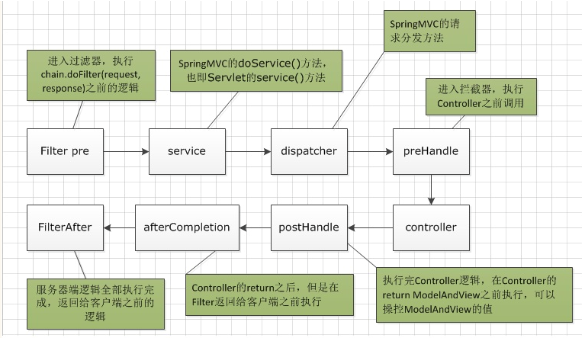
具体体现在 DispatcherServlet.class doDispatch() 方法中,看下源码:
 protected void doDispatch(HttpServletRequest request, HttpServletResponse response) throws Exception {

        HttpServletRequest processedRequest = request;

        HandlerExecutionChain mappedHandler = null;

        boolean multipartRequestParsed = false;

        WebAsyncManager asyncManager = WebAsyncUtils.getAsyncManager(request);

        try {

            try {

                ModelAndView mv = null;

                Object dispatchException = null;

                try {

                    processedRequest = this.checkMultipart(request);

                    multipartRequestParsed = processedRequest != request;

                    mappedHandler = this.getHandler(processedRequest);

                    if (mappedHandler == null) {

                        this.noHandlerFound(processedRequest, response);

                        return;

                    }

                    HandlerAdapter ha = this.getHandlerAdapter(mappedHandler.getHandler());

                    String method = request.getMethod();

                    boolean isGet = "GET".equals(method);

                    if (isGet || "HEAD".equals(method)) {

                        long lastModified = ha.getLastModified(request, mappedHandler.getHandler());

                        if ((new ServletWebRequest(request, response)).checkNotModified(lastModified) && isGet) {

                            return;

                        }

                    }

                    if (!mappedHandler.applyPreHandle(processedRequest, response)) {

                        return;

                    }

                    mv = ha.handle(processedRequest, response, mappedHandler.getHandler());

                    if (asyncManager.isConcurrentHandlingStarted()) {

                        return;

                    }

                    this.applyDefaultViewName(processedRequest, mv);

                    mappedHandler.applyPostHandle(processedRequest, response, mv);

                } catch (Exception var20) {

                    dispatchException = var20;

                } catch (Throwable var21) {

                    dispatchException = new NestedServletException("Handler dispatch failed", var21);

                }

                this.processDispatchResult(processedRequest, response, mappedHandler, mv, (Exception)dispatchException);

            } catch (Exception var22) {

                this.triggerAfterCompletion(processedRequest, response, mappedHandler, var22);

            } catch (Throwable var23) {

                this.triggerAfterCompletion(processedRequest, response, mappedHandler, new NestedServletException("Handler processing failed", var23));

            }

        } finally {

            if (asyncManager.isConcurrentHandlingStarted()) {

                if (mappedHandler != null) {

                    mappedHandler.applyAfterConcurrentHandlingStarted(processedRequest, response);

                }

            } else if (multipartRequestParsed) {

                this.cleanupMultipart(processedRequest);

            }

        }

    }
现在需要一个简单的demo,深入了解几个方法:
import org.springframework.web.servlet.handler.HandlerInterceptorAdapter;

import javax.servlet.http.HttpServletRequest;

import javax.servlet.http.HttpServletResponse;

import javax.servlet.http.HttpSession;

public class SecurityInterceptor extends HandlerInterceptorAdapter {

    public boolean preHandle(HttpServletRequest request, HttpServletResponse response, Object handler) throws Exception {

        System.out.println("SecurityInterceptor  >>>>>>>>1");

        return true;

    }

}
import org.springframework.context.annotation.Bean;

import org.springframework.context.annotation.Configuration;

import org.springframework.web.servlet.config.annotation.InterceptorRegistration;

import org.springframework.web.servlet.config.annotation.InterceptorRegistry;

import org.springframework.web.servlet.config.annotation.WebMvcConfigurationSupport;

@Configuration

public class WebSecurityConfig extends WebMvcConfigurationSupport {

    @Bean

    public SecurityInterceptor getSecurityInterceptor() {

        return new SecurityInterceptor();

    }

    @Override

    public void addInterceptors(InterceptorRegistry registry) {

        InterceptorRegistration addInterceptor = registry.addInterceptor(getSecurityInterceptor());

        // 排除配置

        addInterceptor.excludePathPatterns("/403");

        addInterceptor.excludePathPatterns("/toLogin");

        addInterceptor.excludePathPatterns("/login**");

        // 拦截配置

        addInterceptor.addPathPatterns("/**");

    }

}
启动工程(springboot工程):
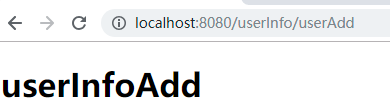
请求:http://localhost:8080/toLogin ,因为配置了排除设置,后台无打印。

请求:http://localhost:8080/userInfo/userAdd,后台有打印。

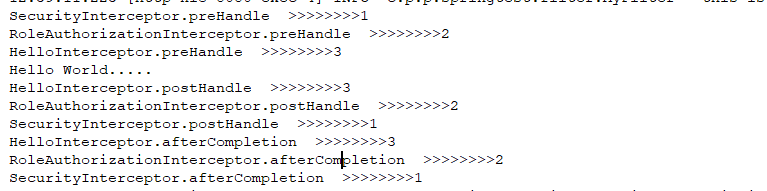
发散:如果是多个拦截器,他们preHandle、postHandle、afterCompletion方法执行顺序是什么?
看下demo:
import org.springframework.lang.Nullable;

import org.springframework.web.servlet.ModelAndView;

import org.springframework.web.servlet.handler.HandlerInterceptorAdapter;

import javax.servlet.http.HttpServletRequest;

import javax.servlet.http.HttpServletResponse;

import javax.servlet.http.HttpSession;

public class SecurityInterceptor extends HandlerInterceptorAdapter {

    public boolean preHandle(HttpServletRequest request, HttpServletResponse response, Object handler) throws Exception {

        System.out.println("SecurityInterceptor.preHandle  >>>>>>>>1");

        return true;

    }

    public void postHandle(HttpServletRequest request, HttpServletResponse response, Object handler, @Nullable ModelAndView modelAndView) throws Exception {

        System.out.println("SecurityInterceptor.postHandle  >>>>>>>>1");

    }

    public void afterCompletion(HttpServletRequest request, HttpServletResponse response, Object handler, @Nullable Exception ex) throws Exception {

        System.out.println("SecurityInterceptor.afterCompletion  >>>>>>>>1");

    }

}
import org.springframework.lang.Nullable;

import org.springframework.web.servlet.ModelAndView;

import org.springframework.web.servlet.handler.HandlerInterceptorAdapter;

import javax.servlet.http.HttpServletRequest;

import javax.servlet.http.HttpServletResponse;

public class HelloInterceptor extends HandlerInterceptorAdapter {

    public boolean preHandle(HttpServletRequest request, HttpServletResponse response, Object handler) throws Exception {

        System.out.println("HelloInterceptor.preHandle  >>>>>>>>3");

        return true;

    }

    public void postHandle(HttpServletRequest request, HttpServletResponse response, Object handler, @Nullable ModelAndView modelAndView) throws Exception {

        System.out.println("HelloInterceptor.postHandle  >>>>>>>>3");

    }

    public void afterCompletion(HttpServletRequest request, HttpServletResponse response, Object handler, @Nullable Exception ex) throws Exception {

        System.out.println("HelloInterceptor.afterCompletion  >>>>>>>>3");

    }

}
import org.springframework.lang.Nullable;

import org.springframework.web.servlet.ModelAndView;

import org.springframework.web.servlet.handler.HandlerInterceptorAdapter;

import javax.servlet.http.HttpServletRequest;

import javax.servlet.http.HttpServletResponse;

public class RoleAuthorizationInterceptor extends HandlerInterceptorAdapter {

    public boolean preHandle(HttpServletRequest request, HttpServletResponse response, Object handler) throws Exception {

        System.out.println("RoleAuthorizationInterceptor.preHandle  >>>>>>>>2");

        return true;

    }

    public void postHandle(HttpServletRequest request, HttpServletResponse response, Object handler, @Nullable ModelAndView modelAndView) throws Exception {

        System.out.println("RoleAuthorizationInterceptor.postHandle  >>>>>>>>2");

    }

    public void afterCompletion(HttpServletRequest request, HttpServletResponse response, Object handler, @Nullable Exception ex) throws Exception {

        System.out.println("RoleAuthorizationInterceptor.afterCompletion  >>>>>>>>2");

    }

}
import org.springframework.context.annotation.Bean;

import org.springframework.context.annotation.Configuration;

import org.springframework.web.servlet.config.annotation.InterceptorRegistration;

import org.springframework.web.servlet.config.annotation.InterceptorRegistry;

import org.springframework.web.servlet.config.annotation.WebMvcConfigurationSupport;

@Configuration

public class WebSecurityConfig extends WebMvcConfigurationSupport {

    @Bean

    public SecurityInterceptor getSecurityInterceptor() {

        return new SecurityInterceptor();

    }

    @Bean

    public HelloInterceptor getHelloInterceptor() {

        return new HelloInterceptor();

    }

    @Bean

    public RoleAuthorizationInterceptor getRoleAuthorizationInterceptor() {

        return new RoleAuthorizationInterceptor();

    }

    @Override

    public void addInterceptors(InterceptorRegistry registry) {

        InterceptorRegistration addInterceptor = registry.addInterceptor(getSecurityInterceptor());

        // 排除配置

        addInterceptor.excludePathPatterns("/403");

        addInterceptor.excludePathPatterns("/toLogin");

        addInterceptor.excludePathPatterns("/login**");

        // 拦截配置

        addInterceptor.addPathPatterns("/**");

        InterceptorRegistration roleInter = registry.addInterceptor(getRoleAuthorizationInterceptor());

        // 拦截配置

        roleInter.addPathPatterns("/**");

        InterceptorRegistration helloInter = registry.addInterceptor(getHelloInterceptor());

        helloInter.addPathPatterns("/**");

    }

}
执行结果:
如果拦截器的preHandle()返回false,结果会怎样,改下demo:
WebSecurityConfig.java
 @Override

    public void addInterceptors(InterceptorRegistry registry) {

        InterceptorRegistration addInterceptor = registry.addInterceptor(getSecurityInterceptor());

        // 排除配置

        /*addInterceptor.excludePathPatterns("/403");

        addInterceptor.excludePathPatterns("/toLogin");

        addInterceptor.excludePathPatterns("/login**");*/

        // 拦截配置

        addInterceptor.addPathPatterns("/**");

        InterceptorRegistration roleInter = registry.addInterceptor(getRoleAuthorizationInterceptor());

        // 拦截配置

        roleInter.addPathPatterns("/**");

        InterceptorRegistration helloInter = registry.addInterceptor(getHelloInterceptor());

        helloInter.addPathPatterns("/**");

    }
public boolean preHandle(HttpServletRequest request, HttpServletResponse response, Object handler) throws Exception {

        System.out.println("RoleAuthorizationInterceptor.preHandle  >>>>>>>>2");

        return false;

    }
其他不变,运行结果:

通过源码分析,当prehandle返回false,则执行triggerAfterCompletion()执行拦截器的afterCompletion()方法。
if (!mappedHandler.applyPreHandle(processedRequest, response)) {

                        return;

                    }
boolean applyPreHandle(HttpServletRequest request, HttpServletResponse response) throws Exception {

        HandlerInterceptor[] interceptors = this.getInterceptors();

        if (!ObjectUtils.isEmpty(interceptors)) {

            for(int i = 0; i < interceptors.length; this.interceptorIndex = i++) {

                HandlerInterceptor interceptor = interceptors[i];

                if (!interceptor.preHandle(request, response, this.handler)) {

                    this.triggerAfterCompletion(request, response, (Exception)null);

                    return false;

                }

            }

        }

        return true;

    }
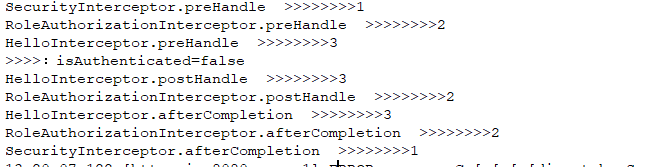
如果preHandle都返回true,postHandle()异常,又会是什么情况呢?
public void postHandle(HttpServletRequest request, HttpServletResponse response, Object handler, @Nullable ModelAndView modelAndView) throws Exception {

        System.out.println("RoleAuthorizationInterceptor.postHandle  >>>>>>>>2");

        throw new NullPointerException();

    }
结果:
结论:
1、如果多个拦截器,执行顺序:preHandle() :123 ,postHandle():321,afterCompletion():321
2、preHandle() 返回false,不会往下执行
3、preHandle()返回true的拦截器,必然会执行他的afterCompletion();
4、如果preHandle()都返回true,有一个拦截器的postHandle()抛出异常,则后面拦截器的postHandle()不会执行。(注意:写代码时要注意)
参考:
https://www.cnblogs.com/niceyoo/p/8735637.html
Spring 拦截器实现+后台原理(HandlerInterceptor)的更多相关文章
- Spring 拦截器实现+后台原理(MethodInterceptor)
MethodInterceptor MethodInterceptor是AOP项目中的拦截器(注:不是动态代理拦截器),区别与HandlerInterceptor拦截目标时请求,它拦截的目标是方法. ...
- [十四]SpringBoot 之 Spring拦截器(HandlerInterceptor)
过滤器属于Servlet范畴的API,与spring 没什么关系. Web开发中,我们除了使用 Filter 来过滤请web求外,还可以使用Spring提供的HandlerInterceptor(拦截 ...
- Spring 拦截器——HandlerInterceptor
采用Spring拦截器的方式进行业务处理.HandlerInterceptor拦截器常见的用途有: 1.日志记录:记录请求信息的日志,以便进行信息监控.信息统计.计算PV(Page View)等. 2 ...
- Spring拦截器和过滤器
什么是拦截器 拦截器(Interceptor): 用于在某个方法被访问之前进行拦截,然后在方法执行之前或之后加入某些操作,其实就是AOP的一种实现策略.它通过动态拦截Action调用的对象,允许开发者 ...
- spring 拦截器简介
spring 拦截器简介 常见应用场景 1.日志记录:记录请求信息的日志,以便进行信息监控.信息统计.计算PV(Page View)等.2.权限检查:如登录检测,进入处理器检测检测是否登录,如果没有直 ...
- struts2拦截器的实现原理
拦截器(interceptor)是Struts2最强大的特性之一,也可以说是struts2的核心,拦截器可以让你在Action和result被执行之前或之后进行一些处理.同时,拦截器也可以让你将通用的 ...
- Spring拦截器中通过request获取到该请求对应Controller中的method对象
背景:项目使用Spring 3.1.0.RELEASE,从dao到Controller层全部是基于注解配置.我的需求是想在自定义的Spring拦截器中通过request获取到该请求对应于Control ...
- spring拦截器中修改响应消息头
问题描述 前后端分离的项目,前端使用Vue,后端使用Spring MVC. 显然,需要解决浏览器跨域访问数据限制的问题,在此使用CROS协议解决. 由于该项目我在中期加入的,主要负责集成shiro框架 ...
- struts2拦截器的实现原理及源码剖析
拦截器(interceptor)是Struts2最强大的特性之一,也可以说是struts2的核心,拦截器可以让你在Action和result被执行之前或之后进行一些处理.同时,拦截器也可以让你将通用的 ...
随机推荐
- 获取验证码的URL后边为什么要加上一个值不断变化的参数?
$(function(){ $("#change").click(function(){ //修改src属性 $("#imgCode").attr(" ...
- Android灯光系统--通知灯深入分析【转】
本文转自:https://www.cnblogs.com/lkq1220/p/6406261.html Android灯光系统--通知灯深入分析 通知的类别 声音 振动 闪灯 APP如何发出通知灯请求 ...
- 如何使用jqueryUi的datepicker日历控件?
参考: http://www.jb51.net/article/85007.htm 这里的日历控件是, 基于jquery的jqureyui中的一个 widget. 需要js 文件: 外部的js文件, ...
- Almost Union-Find (并查集+删除元素)题解
思路: 当时只有暴力的思想,1.3都很好达到,只要加一个sum[ ]和num[ ]就可以,但是2比较麻烦,不知道谁以p为根,就想直接扫描然后一个个和p脱离关系,果然超时emmm.通常的想法是我们先用一 ...
- 【做题】agc002D - Stamp Rally——整体二分的技巧
题意:给出一个无向连通图,有\(n\)个顶点,\(m\)条边.有\(q\)次询问,每次给出\(x,y,z\),最小化从\(x\)和\(y\)开始,总计访问\(z\)个顶点(一个顶点只计算一次),经过的 ...
- 安装ubuntu的坑&RHEL7配置
1.需要其他设置->分区,分区需要有/根目录分区和swap空间,后者文件系统类型选择swap,其他都是ext4 2.普通配置电脑,安装16.04.5 LTS,不要安装最新的,安装重启后卡在那里, ...
- 题解——HDU 2089 不要62(数位DP)
最近在学数位DP 应该是入门题吧 设\( dp[i][0/1] \)表示到第\( i \)位时,前一位是否是6的满足条件的数的个数 然后就是套路 注意\( limit \)的限制条件以及转移时候信息的 ...
- (zhuan) awesome-object-proposals
awesome-object-proposals A curated list of object proposals resources for object detection. This ...
- 基于OAuth2.0的第三方认证
浅显易懂的解释 来源 yahoo OAuth认证 原理 理解OAuth 2.0:原理.分类 一张图搞定OAuth2.0:是什么,怎么用 应用自身,完成用户认证: 缺点: 1.不同的访问Web应用提供不 ...
- 洛谷p1732 活蹦乱跳的香穗子 二维DP
今天不BB了,直接帖原题吧 地址>>https://www.luogu.org/problem/show?pid=1732<< 题目描述 香穗子在田野上调蘑菇!她跳啊跳,发现 ...