
Spring的BeanFactoryPostProcessor接口
接口简介
BeanFactoryPostProcessor 接口是 Spring 初始化 BeanFactory 时对外暴露的扩展点,Spring IoC 容器允许 BeanFactoryPostProcessor 在容器实例化任何 bean 之前读取 bean 的定义,并可以修改它。
BeanDefinitionRegistryPostProcessor 继承自 BeanFactoryPostProcessor,比 BeanFactoryPostProcessor 具有更高的优先级,主要用来在常规的 BeanFactoryPostProcessor 检测开始之前注册其他 bean 定义。特别是,你可以通过 BeanDefinitionRegistryPostProcessor 来注册一些常规的 BeanFactoryPostProcessor,因为此时所有常规的 BeanFactoryPostProcessor 都还没开始被处理。
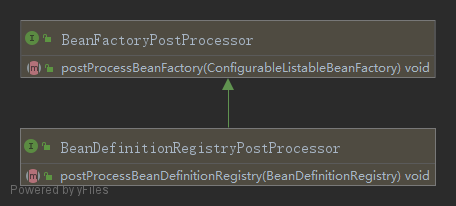
注意点:通过BeanDefinitionRegistryPostProcessor 注册的 BeanDefinitionRegistryPostProcessor 接口的postProcessBeanDefinitionRegistry方法将得不到调用,具体的原因会在下面的代码中解释。
BeanFactoryPostProcessor 接口调用机制
BeanFactoryPostProcessor 接口的调用在 AbstractApplicationContext#invokeBeanFactoryPostProcessors方法中。
protected void invokeBeanFactoryPostProcessors(ConfigurableListableBeanFactory beanFactory) {

		PostProcessorRegistrationDelegate.invokeBeanFactoryPostProcessors(beanFactory, getBeanFactoryPostProcessors());

		// Detect a LoadTimeWeaver and prepare for weaving, if found in the meantime

		// (e.g. through an @Bean method registered by ConfigurationClassPostProcessor)

		if (beanFactory.getTempClassLoader() == null && beanFactory.containsBean(LOAD_TIME_WEAVER_BEAN_NAME)) {

			beanFactory.addBeanPostProcessor(new LoadTimeWeaverAwareProcessor(beanFactory));

			beanFactory.setTempClassLoader(new ContextTypeMatchClassLoader(beanFactory.getBeanClassLoader()));

		}

	}
进入PostProcessorRegistrationDelegate.invokeBeanFactoryPostProcessors(beanFactory, getBeanFactoryPostProcessors())方法:
public static void invokeBeanFactoryPostProcessors(

			ConfigurableListableBeanFactory beanFactory, List<BeanFactoryPostProcessor> beanFactoryPostProcessors) {

         // 用于存放已经处理过的Bean名字

		Set<String> processedBeans = new HashSet<>();

         // 一般会进入这个判断

		if (beanFactory instanceof BeanDefinitionRegistry) {

			BeanDefinitionRegistry registry = (BeanDefinitionRegistry) beanFactory;

             // 所谓的regularPostProcessors就是指实现BeanFactoryPostProcessor接口的Bean

			List<BeanFactoryPostProcessor> regularPostProcessors = new ArrayList<>();

             // 所谓的registryProcessors就是指实现BeanDefinitionRegistryPostProcessor接口的Bean

			List<BeanDefinitionRegistryPostProcessor> registryProcessors = new ArrayList<>();

             // 这边遍历的是通过ApplicationContext接口注册的BeanFactoryPostProcessor和BeanDefinitionRegistryPostProcessor接口

             // 需要和BeanFactory中BeanDefinitionMap中的BeanFactoryPostProcessor接口区分开

			for (BeanFactoryPostProcessor postProcessor : beanFactoryPostProcessors) {

				if (postProcessor instanceof BeanDefinitionRegistryPostProcessor) {

					BeanDefinitionRegistryPostProcessor registryProcessor =

							(BeanDefinitionRegistryPostProcessor) postProcessor;

                      //如果是BeanDefinitionRegistryPostProcessor,则先进行postProcessBeanDefinitionRegistry处理,这个方法一般进行BeanDefinition注册,从这边可以看出BeanDefinitionRegistryPostProcessor接口的方法先调用,所以优先级高于BeanFactoryPostProcessor

                     // 通过这个代码可以看出,通过ApplicationContext直接注册的BeanFactoryPostProcessor和BeanDefinitionRegistryPostProcessor并不支持Order接口,而是根据注册的顺序执行

					registryProcessor.postProcessBeanDefinitionRegistry(registry);

                     // 保存这个BeanDefinitionRegistryPostProcessor,因为还要执行这个类的BeanFactoryPostProcessor方法;

					registryProcessors.add(registryProcessor);

				}

				else {

                      // 保存,后面还要执行这个类的BeanFactoryPostProcessor方法;

					regularPostProcessors.add(postProcessor);

				}

			}

			List<BeanDefinitionRegistryPostProcessor> currentRegistryProcessors = new ArrayList<>();

             // 这边获取的是BeanFactory中的BeanDefinitionRegistryPostProcessor

			String[] postProcessorNames =

					beanFactory.getBeanNamesForType(BeanDefinitionRegistryPostProcessor.class, true, false);

			for (String ppName : postProcessorNames) {

                  //先处理PriorityOrdered标注的BeanDefinitionRegistryPostProcessor

				if (beanFactory.isTypeMatch(ppName, PriorityOrdered.class)) {

					currentRegistryProcessors.add(beanFactory.getBean(ppName, BeanDefinitionRegistryPostProcessor.class));

                      //将其标记为已经处理,防止重复处理

					processedBeans.add(ppName);

				}

			}

             // 将其排序,以便按顺序处理

			sortPostProcessors(currentRegistryProcessors, beanFactory);

             // 将其保存,以便处理这个类的BeanFactoryPostProcessor方法

			registryProcessors.addAll(currentRegistryProcessors);

             // 执行BeanDefinitionRegistryPostProcessor接口方法

			invokeBeanDefinitionRegistryPostProcessors(currentRegistryProcessors, registry);

             // 清除,以便开始处理@Order标注的注解

			currentRegistryProcessors.clear();

             // 注意:这边重新获取BeanDefinitionRegistryPostProcessor是有深意的,因为上面在处理@PriorityOrdered标注的BeanDefinitionRegistryPostProcessor时可能又注入了新的BeanDefinitionRegistryPostProcessor。

			postProcessorNames = beanFactory.getBeanNamesForType(BeanDefinitionRegistryPostProcessor.class, true, false);

			for (String ppName : postProcessorNames) {

                  // 判断是否处理过,防止重复处理,下面的逻辑和上面相同, 不介绍了

				if (!processedBeans.contains(ppName) && beanFactory.isTypeMatch(ppName, Ordered.class)) {

					currentRegistryProcessors.add(beanFactory.getBean(ppName, BeanDefinitionRegistryPostProcessor.class));

					processedBeans.add(ppName);

				}

			}

			sortPostProcessors(currentRegistryProcessors, beanFactory);

			registryProcessors.addAll(currentRegistryProcessors);

			invokeBeanDefinitionRegistryPostProcessors(currentRegistryProcessors, registry);

			currentRegistryProcessors.clear();

             // 处理不标注注解的BeanDefinitionRegistryPostProcessor

			boolean reiterate = true;

			while (reiterate) {

				reiterate = false;

				postProcessorNames = beanFactory.getBeanNamesForType(BeanDefinitionRegistryPostProcessor.class, true, false);

				for (String ppName : postProcessorNames) {

					if (!processedBeans.contains(ppName)) {

						currentRegistryProcessors.add(beanFactory.getBean(ppName, BeanDefinitionRegistryPostProcessor.class));

						processedBeans.add(ppName);

						reiterate = true;

					}

				}

				sortPostProcessors(currentRegistryProcessors, beanFactory);

				registryProcessors.addAll(currentRegistryProcessors);

				invokeBeanDefinitionRegistryPostProcessors(currentRegistryProcessors, registry);

				currentRegistryProcessors.clear();

			}

			// 调用postProcessBeanFactory 方法,所以BeanDefinitionRegistryPostProcessor中的postProcessBeanFactory方法的优先级要高。

			invokeBeanFactoryPostProcessors(registryProcessors, beanFactory);

			invokeBeanFactoryPostProcessors(regularPostProcessors, beanFactory);

		}

		else {

			// Invoke factory processors registered with the context instance.

			invokeBeanFactoryPostProcessors(beanFactoryPostProcessors, beanFactory);

		}

		// 开始处理BeanFactoryPostProcessor接口

		String[] postProcessorNames =

				beanFactory.getBeanNamesForType(BeanFactoryPostProcessor.class, true, false);

		// 也是按照@PriorityOrdered @Ordered 和普通的方式进行处理

		List<BeanFactoryPostProcessor> priorityOrderedPostProcessors = new ArrayList<>();

		List<String> orderedPostProcessorNames = new ArrayList<>();

		List<String> nonOrderedPostProcessorNames = new ArrayList<>();

		for (String ppName : postProcessorNames) {

             // 可能已经处理过

			if (processedBeans.contains(ppName)) {

				// skip - already processed in first phase above

			}

			else if (beanFactory.isTypeMatch(ppName, PriorityOrdered.class)) {

				priorityOrderedPostProcessors.add(beanFactory.getBean(ppName, BeanFactoryPostProcessor.class));

			}

			else if (beanFactory.isTypeMatch(ppName, Ordered.class)) {

				orderedPostProcessorNames.add(ppName);

			}

			else {

				nonOrderedPostProcessorNames.add(ppName);

			}

		}

         // 先执行@PriorityOrdered标注的接口

		sortPostProcessors(priorityOrderedPostProcessors, beanFactory);

		invokeBeanFactoryPostProcessors(priorityOrderedPostProcessors, beanFactory);

         // 处理@Order标注的类

		List<BeanFactoryPostProcessor> orderedPostProcessors = new ArrayList<>(orderedPostProcessorNames.size());

		for (String postProcessorName : orderedPostProcessorNames) {

             // 这边通过名字重新拿了Bean,应该是怕上面的处理改变了Bean

			orderedPostProcessors.add(beanFactory.getBean(postProcessorName, BeanFactoryPostProcessor.class));

		}

		sortPostProcessors(orderedPostProcessors, beanFactory);

		invokeBeanFactoryPostProcessors(orderedPostProcessors, beanFactory);

		// 最后调用普通的BeanFactoryPostProcessor

		List<BeanFactoryPostProcessor> nonOrderedPostProcessors = new ArrayList<>(nonOrderedPostProcessorNames.size());

		for (String postProcessorName : nonOrderedPostProcessorNames) {

			nonOrderedPostProcessors.add(beanFactory.getBean(postProcessorName, BeanFactoryPostProcessor.class));

		}

		invokeBeanFactoryPostProcessors(nonOrderedPostProcessors, beanFactory);

		// Clear cached merged bean definitions since the post-processors might have

		// modified the original metadata, e.g. replacing placeholders in values...

		beanFactory.clearMetadataCache();

	}
简单总结
上面的方法看起来很长很复杂,但其实干的事情并不多,就调用了BeanFactoryPostProcessor和BeanDefinitionRegistryPostProcessor接口的实现。这边再简单总结下具体的过程:
step1:执行通过ApplicationContext#addBeanFactoryPostProcessor()方法注册的BeanFactoryPostProcessor和BeanDefinitionRegistryPostProcessor。
具体过程如下:假如通过ApplicationContext注册了一个BeanFactoryPostProcessor和BeanDefinitionRegistryPostProcessor,那么会先执行BeanDefinitionRegistryPostProcessor的postProcessBeanDefinitionRegistry方法,但是BeanDefinitionRegistryPostProcessor的postProcessBeanFactory方法和BeanFactoryPostProcessor的postProcessBeanFactory方法暂时都不会在这步执行。
另外需要注意的是:通过ApplicationContext注册的BeanFactoryPostProcessor和BeanDefinitionRegistryPostProcessor都不支持@PriorityOrdered和@Ordered顺序处理,而是按照我们添加的顺序处理
step2:处理BeanFactory中的BeanDefinitionRegistryPostProcessor,处理的顺序是先处理@PriorityOrdered标注的,再处理@Ordered标注的,最后处理普通的BeanDefinitionRegistryPostProcessor。到这边,所有BeanDefinitionRegistryPostProcessor接口的postProcessBeanDefinitionRegistry方法都已经调用完毕,下面就开始处理BeanFactoryPostProcessor的postProcessBeanFactory方法。
step3:调用BeanDefinitionRegistryPostProcessor实现的postProcessBeanFactory方法(因为BeanDefinitionRegistryPostProcessor是BeanFactoryPostProcessor的子接口)
step4:调用通过ApplicationContext#addBeanFactoryPostProcessor()注册的“单纯”的BeanFactoryPostProcessor
step5:调用BeanFactory中的BeanFactoryPostProcessor,调用顺序也是按照@PriorityOrdered和@Ordered顺序处理,没有这两个注解的最后处理。
好了,到这边BeanFactoryPostProcessor和BeanDefinitionRegistryPostProcessor接口就已经处理完了。后面我们会拿ConfigurationClassPostProcessor 这个特殊的BeanDefinitionRegistryPostProcessor做列子讲下具体流程,这边只是介绍BeanFactoryPostProcessor的调用机制。
Spring的BeanFactoryPostProcessor接口的更多相关文章
- 【spring源码学习】spring的IOC容器之BeanFactoryPostProcessor接口学习
[一]org.springframework.beans.factory.config.BeanFactoryPostProcessor接口==>该接口实现方法的执行时机:该接口void pos ...
- Spring8:一些常用的Spring Bean扩展接口
前言 Spring是一款非常强大的框架,可以说是几乎所有的企业级Java项目使用了Spring,而Bean又是Spring框架的核心. Spring框架运用了非常多的设计模式,从整体上看,它的设计严格 ...
- spring之BeanFactoryAware接口
springBeanFactoryAware (转)要直接在自己的代码中读取spring的bean,我们除了根据常用的set外,也可以通过spring的BeanFactoryAware接口实现,只要实 ...
- Spring常用的接口和类(二)
七.BeanPostProcessor接口 当需要对受管bean进行预处理时,可以新建一个实现BeanPostProcessor接口的类,并将该类配置到Spring容器中. 实现BeanPostPro ...
- Spring的BeanFactoryPostProcessor和BeanPostProcessor
转载:http://blog.csdn.net/caihaijiang/article/details/35552859 BeanFactoryPostProcessor和BeanPostProces ...
- Spring点滴十一:Spring中BeanFactoryPostProcessor和BeanPostProcessor区别
Spring中BeanFactoryPostProcessor和BeanPostProcessor都是Spring初始化bean时对外暴露的扩展点.两个接口从名字看起来很相似,但是作用及使用场景却不同 ...
- spring4.1.8扩展实战之六:注册bean到spring容器(BeanDefinitionRegistryPostProcessor接口)
本章是<spring4.1.8扩展实战>系列的第六篇,目标是学习如何通过自己写代码的方式,向spring容器中注册bean: 原文地址:https://blog.csdn.net/boli ...
- spring4.1.8扩展实战之五:改变bean的定义(BeanFactoryPostProcessor接口)
本章我们继续实战spring的扩展能力,通过自定义BeanFactoryPostProcessor接口的实现类,来对bean实例做一些控制: 原文地址:https://blog.csdn.net/bo ...
- Spring笔记(6) - Spring的BeanFactoryPostProcessor探究
一.背景 在说BeanFactoryPostProcessor之前,先来说下BeanPostProcessor,在前文Spring笔记(2) - 生命周期/属性赋值/自动装配及部分源码解析中讲解了Be ...
随机推荐
- 将插件绑定在某个phase执行,推送镜像
文章目录 将插件绑定在某个phase执行 推送镜像 将插件绑定在某个phase执行 需求:在执行mvn clean package 时,插件自动为构建Docker镜像. 实现:将插件的的goal绑定在 ...
- Linux 调整系统时间偏差
在使用Linux系统部署项目,有时会出现时间跟当前时间不一致的情况,这个时候需要做些调整: 1.首先删除之前设置的时区 rm -rf /etc/localtime 2.创建上海时区 ln -s /us ...
- java中的IO处理和使用,API详细介绍(一)
写在前面:本文章基本覆盖了java IO的全部内容,java新IO没有涉及,因为我想和这个分开,以突出那个的重要性,新IO哪一篇文章还没有开始写,估计很快就能和大家见面.照旧,文章依旧以例子为主,因为 ...
- linux最初配置( vimrc设置 、tab键设置 inputrc、中文输入法等等)
1..vimrc设置 syntax on set tabstop=4 set softtabstop=4 set autoindent set cindent set nu set ruler & ...
- 手把手教你在容器服务 TKE 中使用动态准入控制器
在 TKE 中使用动态准入控制器 原理概述 动态准入控制器 Webhook 在访问鉴权过程中可以更改请求对象或完全拒绝该请求,其调用 Webhook 服务的方式使其独立于集群组件,具有非常大的灵活性, ...
- Java数组模拟队列 + 优化
队列介绍 队列是一个有序列表,可以用数组或是链表来实现. 遵循先入先出的原则. 即:先存入队列的数据,要先取出.后存入的要后取出 示意图:(使用数组模拟队列示意图) 数组模拟队列 队列本身是有序列表 ...
- AtCoder Beginner Contest 161
比赛链接:https://atcoder.jp/contests/abc161/tasks AtCoder Beginner Contest 161 第一次打AtCoder的比赛,因为是日本的网站终于 ...
- hdu5391 Zball in Tina Town
Problem Description Tina Town is a friendly place. People there care about each other. Tina has a ba ...
- Codeforces Beta Round #92 (Div. 2 Only) B. Permutations
You are given n k-digit integers. You have to rearrange the digits in the integers so that the diffe ...
- Microsoft Office Excel 2010 常用操作
1.添加下拉菜单 (1)选中单元格 (2)数据--数据有效性--数据有效性 (3)在"有效性条件"的"允许"处,选择"序列",并在新出现的& ...