
Java 数据结构之双向链表
一、概述:
1、什么是双向链表:
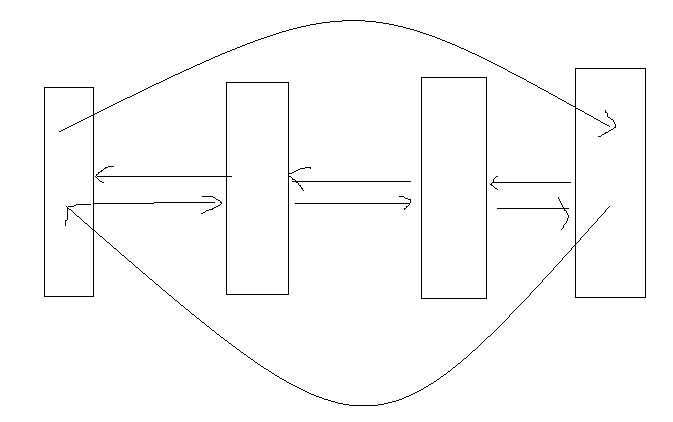
链表中的每个节点即指向前面一个节点,也指向后面一个节点,就像丢手绢游戏一样,每个人都手拉手
2、从头部插入
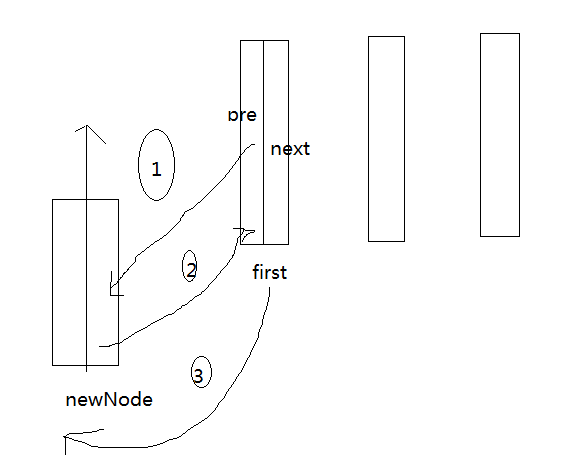
要对链表进行判断,如果为空则设置尾节点为新添加的节点,如果不为空,还要设置头节点的一个前节点为新节点
3、从尾部进行插入
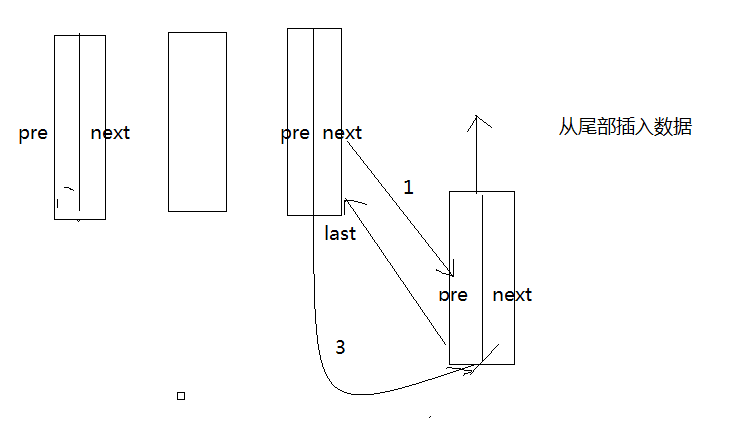
如果链表为空,则直接设置头节点为新添加的节点,否则设置尾节点的后一个节点为新添加的节点。同时设置新添加的节点的前一个节点为尾节点
4、从头部删除
判断节点是否有下个节点,如果没有则设置节点为null,并且删除下个节点指向前节点的指针
5、删除尾部节点
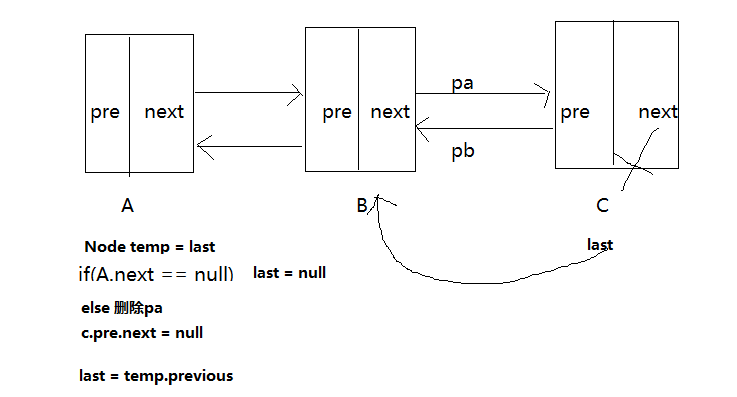
如果头节点没有其它节点,把尾节点设置为Null。否则设置尾节点前一个节点的next为Null。设置尾节点为前一个节点
6、删除方法
此时不需要记录last的Node
删除时使用current.previous.next= current.next;
二、实现:
package com.struct.linklist;

/**

 * @描述         双向链表

 * @项目名称      Java_DataStruct

 * @包名         com.struct.linklist

 * @类名         LinkList

 * @author      chenlin

 * @date        2010年6月26日 上午8:00:28

 * @version     1.0

 */

public class DoubleLinkList {

    //头

    private Node first;

    //尾

    private Node last;

    public DoubleLinkList(){

        first = null;

        last = null;

    }

    /**

     * 插入数据

     * @param value

     */

    public void insertFirst(long value){

        Node newNode = new Node(value);

        if (first == null) {

            last = newNode;

        }else {

            first.previous = newNode;

            //把first节点往下移动

            newNode.next = first;

        }

        //把插入的节点作为新的节点

        first = newNode;

    }

    /**

     * 插入数据

     * @param value

     */

    public void insertLast(long value){

        Node newNode = new Node(value);

        if (first == null) {

            first = newNode;

        }else {

            last.next = newNode;

            //first.previous = newNode;

            newNode.previous = last;

        }

        //把最后个节点设置为最新的节点

        last = newNode;

    }

    public boolean isEmpty(){

        return first == null;

    }

    /**

     * 删除头节点时要去除两个指针,一个指向下个的next ,一个是next的previous指向前面的

     *

     * @param value

     * @return

     */

    public Node deleteFirst(){

        if (first == null) {

            throw new RuntimeException("链表数据不存在");

        }

        Node temp = first;

        if (first.next == null) {

            last = null;

        }else {

            first.next.previous = null;

        }

        first = temp.next;

        return temp;

    }

    /**

     * 删除头节点时要去除两个指针,一个指向下个的next ,一个是next的previous指向前面的

     *

     * @param value

     * @return

     */

    public Node deleteLast(){

        if (first == null) {

            throw new RuntimeException("链表数据不存在");

        }

        Node temp = last;

        if (first.next == null) {

            last = null;

            //把第一个删除

            first = null;

        }else {

            last.previous.next = null;

        }

        last = temp.previous;

        return temp;

    }

    /**

     * 删除

     * @param key

     * @return

     */

    public Node deleteByKey(long key){

        Node current = first;

        while(current.data != key){

            if (current.next == null) {

                System.out.println("没找到节点");

                return null;

            }

            current = current.next;

        }

        if (current == first) {

            //return deleteFirst();

            //指向下个就表示删除第一个

            first = first.next;

        }else {

            current.previous.next = current.next;

        }

        return current;

    }

    /**

     * 显示所有的数据

     */

    public void display(){

        if (first == null) {

            //throw new RuntimeException("链表数据不存在");

            return;

        }

        Node current = first;

        while(current != null){

            current.display();

            current = current.next;

        }

        System.out.println("---------------");

    }

    /**

     * 查找节点1

     * @param value

     * @return

     */

    public Node findByValue(long value){

        Node current = first;

        while(current != null){

            if (current.data != value) {

                current = current.next;

            }else {

                break;

            }

        }

        if (current == null) {

            System.out.println("没找到");

            return null;

        }

        return current;

    }

    /**

     * 查找节点2

     *

     * @param key

     * @return

     */

    public Node findByKey(long key) {

        Node current = first;

        while (current.data != key) {

            if (current.next == null) {

                System.out.println("没找到");

                return null;

            }

            current = current.next;

        }

        return current;

    }

    /**

     * 根据索引查找对应的值

     * @param position

     * @return

     */

    public Node findByPosition(int position){

        Node current = first;

        //为什么是position - 1,因为要使用遍历,让current指向下一个, 所以position - 1的下个node就是要找的值

        for (int i = 0; i < position - 1 ; i++) {

            current  = current.next;

        }

        return current;

    }

    public static void main(String[] args) {

        DoubleLinkList linkList = new DoubleLinkList();

        linkList.insertFirst(21);

        linkList.insertFirst(22);

        linkList.insertFirst(23);

        linkList.insertLast(24);

        linkList.insertLast(25);

        linkList.insertLast(26);

        linkList.insertLast(27);

        linkList.display();

        System.out.println("---查找-------------------------------------");

        linkList.findByKey(25).display();

        System.out.println("--删除first-------------------------------------");

        //linkList.deleteFirst().display();

        ///linkList.deleteFirst().display();

        //linkList.deleteFirst().display();

        //linkList.deleteFirst().display();

        System.out.println("-删除指定值---------------------------------------");

        linkList.deleteByKey(27).display();

        linkList.deleteByKey(21).display();

        System.out.println("----------------------------------------");

        linkList.display();

    }

}
Java 数据结构之双向链表的更多相关文章
- JAVA数据结构--LinkedList双向链表
链表是一种物理存储单元上非连续.非顺序的存储结构,数据元素的逻辑顺序是通过链表中的指针链接次序实现的.链表由一系列结点(链表中每一个元素称为结点)组成,结点可以在运行时动态生成.每个结点包括两个部分: ...
- java数据结构-05双向链表
一.双向链式存储: ①简述:要是节点中包含两个指针部分,一个指向前驱元,一个指向后继元,Java中LinkedList集合类的实现就是双向链表 (以下图片为网络收集,侵删) ②特点:数据是非连续的,链 ...
- 图解Java数据结构之双向链表
上一篇文章说到了单链表,也通过案例具体实现了一下,但是单链表的缺点也显而易见. 单向链表查找的方向只能是一个方向 单向链表不能自我删除,需要靠辅助节点 而双向链表则能够很轻松地实现上面的功能. 何为双 ...
- Java数据结构之双向链表
管理单向链表的缺点分析: 单向链表,查找的方向只能是一个方向,而双向链表可以向前或者向后查找. 单向链表不能自我删除,需要靠辅助节点 ,而双向链表,则可以自我删除,所以前面我们单链表删除时节点,总是找 ...
- Java数据结构之线性表
从这里开始将要进行Java数据结构的相关讲解,Are you ready?Let's go~~ java中的数据结构模型可以分为一下几部分: 1.线性结构 2.树形结构 3.图形或者网状结构 接下来的 ...
- (6)Java数据结构-- 转:JAVA常用数据结构及原理分析
JAVA常用数据结构及原理分析 http://www.2cto.com/kf/201506/412305.html 前不久面试官让我说一下怎么理解java数据结构框架,之前也看过部分源码,balab ...
- Java数据结构和算法(一)线性结构
Java数据结构和算法(一)线性结构 数据结构与算法目录(https://www.cnblogs.com/binarylei/p/10115867.html) 线性表 是一种逻辑结构,相同数据类型的 ...
- 一文掌握关于Java数据结构所有知识点(欢迎一起完善)
在我们学习Java的时候,很多人会面临我不知道继续学什么或者面试会问什么的尴尬情况(我本人之前就很迷茫).所以,我决定通过这个开源平台来帮助一些有需要的人,通过下面的内容,你会掌握系统的Java学习以 ...
- Java数据结构和算法(四)--链表
日常开发中,数组和集合使用的很多,而数组的无序插入和删除效率都是偏低的,这点在学习ArrayList源码的时候就知道了,因为需要把要 插入索引后面的所以元素全部后移一位. 而本文会详细讲解链表,可以解 ...
随机推荐
- webpack4学习笔记(二)
webpack打包各种javascript文件 (本文只是提供一个学习记录,大部分内容来自网络) 一,打包js文件和es6代码 1,webpack命令打包js文件 Tip: 在webpack4.x之前 ...
- GraphicsMagick 1.3.25 Linux安装部署
1.安装相关依赖包 yum install -y gcc libpng libjpeg libpng-devel libjpeg-devel ghostscript libtiff libtiff-d ...
- puma 配置,启动脚本
版权声明:本文为博主原创文章,未经博主同意不得转载. https://blog.csdn.net/menxu_work/article/details/24547923 配置: puma_server ...
- Python数据库连接池实例——PooledDB
不用连接池的MySQL连接方法 import MySQLdb conn= MySQLdb.connect(host='localhost',user='root',passwd='pwd',db='m ...
- repo使用
repo常用指令: 1.repo init(下载repo并克隆manifest) repo init -u URL [OPTIONS] Options: -u:制定一个URL,其连接到一个manife ...
- Go实现查找目录下(包括子目录)替换文件内容
[功能] 按指定的目录查找出文件,如果有子目录,子目录也将进行搜索,将其中的文件内容进行替换. [缺陷] 1. 没有过滤出文本文件 2. 当文件过大时,效率不高 [代码] package main i ...
- PAT 1077 Kuchiguse [一般]
1077 Kuchiguse (20 分) The Japanese language is notorious for its sentence ending particles. Personal ...
- jmeter接口测试实战
请求方法:get/post 接口请求地址:http://172.22.24.26:8080/fundhouse/external/getdata?name=xxxx &fund_udid=35 ...
- 设置 Quick-Cocos2d-x 在 Windows 下的编译环境
http://cn.cocos2d-x.org/tutorial/show?id=1304 设置 Quick-Cocos2d-x 在 Windows 下的编译环境 Liao Yulei2014-08- ...
- jar打包方法使用整理
dos窗口下操作jar:(JDK的命令) jar命令能够把Java应用打包成一个文件,这个文件的扩展名为.jar,称为JAR文件.JAR 文件非常类似 ZIP 文件.准确的说,它就是 ZIP 文件,所 ...