
从 RequireJs 源码剖析脚本加载原理
引言
俗话说的好,不喜欢研究原理的程序员不是好的程序员,不喜欢读源码的程序员不是好的 jser。这两天看到了有关前端模块化的问题,才发现 JavaScript 社区为了前端工程化真是煞费苦心。今天研究了一天前端模块化的问题,先是大概了解了下模块化的标准规范,然后了解了一下 RequireJs 的语法和使用方法,最后研究了下 RequireJs 的设计模式和源码,所以想记录一下相关的心得,剖析一下模块加载的原理。
一、认识 RequireJs
在开始之前,我们需要了解前端模块化,本文不讨论有关前端模块化的问题,有关这方面的问题可以参考阮一峰的系列文章 Javascript 模块化编程。
使用 RequireJs 的第一步:前往官网 http://requirejs.org/;
第二步:下载文件;
第三步:在页面中引入 requirejs.js 并设置 main 函数;
<script type="text/javascript" src="scripts/require.js" data-main="scripts/main.js"></script>
然后我们就可以在 main.js 文件里编程了,requirejs 采用了 main 函数式的思想,一个文件即为一个模块,模块与模块之间可以依赖,也可以毫无干系。使用 requirejs ,我们在编程时就不必将所有模块都引入页面,而是需要一个模块,引入一个模块,就相当于 Java 当中的 import 一样。
定义模块:
 //直接定义一个对象

 define({

     color: "black",

     size: "unisize"

 });

 //通过函数返回一个对象,即可以实现 IIFE

 define(function () {

     //Do setup work here

     return {

         color: "black",

         size: "unisize"

     }

 });

 //定义有依赖项的模块

 define(["./cart", "./inventory"], function(cart, inventory) {

         //return an object to define the "my/shirt" module.

         return {

             color: "blue",

             size: "large",

             addToCart: function() {

                 inventory.decrement(this);

                 cart.add(this);

             }

         }

     }

 );
导入模块:
 //导入一个模块

 require(['foo'], function(foo) {

     //do something

 });

 //导入多个模块

 require(['foo', 'bar'], function(foo, bar) {

     //do something

 });
关于 requirejs 的使用,可以查看官网 API ,也可以参考 RequireJS 和 AMD 规范 ,本文暂不对 requirejs 的使用进行讲解。
二、main 函数入口
requirejs 的核心思想之一就是使用一个规定的函数入口,就像 C++ 的 int main(),Java 的 public static void main(),requirejs 的使用方式是把 main 函数缓存在 script 标签上。也就是将脚本文件的 url 缓存在 script 标签上。
<script type="text/javascript" src="scripts/require.js" data-main="scripts/main.js"></script>
初来乍到电脑同学一看,哇!script 标签难道还有什么不为人知的属性吗?吓得我赶紧打开了 W3C 查看相关 API,并为自己的 HTML 基础知识感到惭愧,可是遗憾的是 script 标签并没有相关的属性,甚至这都不是一个标准的属性,那么它到底是什么玩意呢?下面直接上一部分 requirejs 源码:
 //Look for a data-main attribute to set main script for the page

 //to load. If it is there, the path to data main becomes the

 //baseUrl, if it is not already set.

 dataMain = script.getAttribute('data-main');
实际上在 requirejs 中只是获取在 script 标签上缓存的数据,然后取出数据加载而已,也就是跟动态加载脚本是一样的,具体是怎么操作,在下面的讲解中会放出源码。
三、动态加载脚本
这一部分是整个 requirejs 的核心,我们知道在 Node.js 中加载模块的方式是同步的,这是因为在服务器端所有文件都存储在本地的硬盘上,传输速率快而且稳定。而换做了浏览器端,就不能这么干了,因为浏览器加载脚本会与服务器进行通信,这是一个未知的请求,如果使用同步的方式加载,就可能会一直阻塞下去。为了防止浏览器的阻塞,我们要使用异步的方式加载脚本。因为是异步加载,所以与模块相依赖的操作就必须得在脚本加载完成后执行,这里就得使用回调函数的形式。
我们知道,如果显示的在 HTML 中定义脚本文件,那么脚本的执行顺序是同步的,比如:
 //module1.js

 console.log("module1");
 //module2.js

 console.log("module2");
 //module3.js

 console.log("module3");
 <script type="text/javascript" src="scripts/module/module1.js"></script>

 <script type="text/javascript" src="scripts/module/module2.js"></script>

 <script type="text/javascript" src="scripts/module/module3.js"></script>
那么在浏览器端总是会输出:
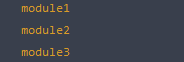
但是如果是动态加载脚本的话,脚本的执行顺序是异步的,而且不光是异步的,还是无序的:
 //main.js

 console.log("main start");

 var script1 = document.createElement("script");

 script1.src = "scripts/module/module1.js";

 document.head.appendChild(script1);

 var script2 = document.createElement("script");

 script2.src = "scripts/module/module2.js";

 document.head.appendChild(script2);

 var script3 = document.createElement("script");

 script3.src = "scripts/module/module3.js";

 document.head.appendChild(script3);

 console.log("main end");
使用这种方式加载脚本会造成脚本的无序加载,浏览器按照先来先运行的方法执行脚本,如果 module1.js 文件比较大,那么极其有可能会在 module2.js 和 module3.js 后执行,所以说这也是不可控的。要知道一个程序当中最大的 BUG 就是一个不可控的 BUG ,有时候它可能按顺序执行,有时候它可能乱序,这一定不是我们想要的。
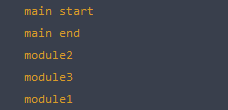
注意这里的还有一个重点是,"module" 的输出永远会在 "main end" 之后。这正是动态加载脚本异步性的特征,因为当前的脚本是一个 task ,而无论其他脚本的加载速度有多快,它都会在 Event Queue 的后面等待调度执行。这里涉及到一个关键的知识 — Event Loop ,如果你还对 JavaScript Event Loop 不了解,那么请先阅读这篇文章 深入理解 JavaScript 事件循环(一)— Event Loop。
四、导入模块原理
在上一小节,我们了解到,使用动态加载脚本的方式会使脚本无序执行,这一定是软件开发的噩梦,想象一下你的模块之间存在上下依赖的关系,而这时候他们的加载顺序是不可控的。动态加载同时也具有异步性,所以在 main.js 脚本文件中根本无法访问到模块文件中的任何变量。那么 requirejs 是如何解决这个问题的呢?我们知道在 requirejs 中,任何文件都是一个模块,一个模块也就是一个文件,包括主模块 main.js,下面我们看一段 requirejs 的源码:
 /**

  * Creates the node for the load command. Only used in browser envs.

  */

 req.createNode = function (config, moduleName, url) {

     var node = config.xhtml ?

             document.createElementNS('http://www.w3.org/1999/xhtml', 'html:script') :

             document.createElement('script');

     node.type = config.scriptType || 'text/javascript';

     node.charset = 'utf-8';

     node.async = true;

     return node;

 };
在这段代码中我们可以看出, requirejs 导入模块的方式实际就是创建脚本标签,一切的模块都需要经过这个方法创建。那么 requirejs 又是如何处理异步加载的呢?传说江湖上最高深的医术不是什么灵丹妙药,而是以毒攻毒,requirejs 也深得其精髓,既然动态加载是异步的,那么我也用异步来对付你,使用 onload 事件来处理回调函数:
 //In the browser so use a script tag

 node = req.createNode(config, moduleName, url);

 node.setAttribute('data-requirecontext', context.contextName);

 node.setAttribute('data-requiremodule', moduleName);

 //Set up load listener. Test attachEvent first because IE9 has

 //a subtle issue in its addEventListener and script onload firings

 //that do not match the behavior of all other browsers with

 //addEventListener support, which fire the onload event for a

 //script right after the script execution. See:

 //https://connect.microsoft.com/IE/feedback/details/648057/script-onload-event-is-not-fired-immediately-after-script-execution

 //UNFORTUNATELY Opera implements attachEvent but does not follow the script

 //script execution mode.

 if (node.attachEvent &&

     //Check if node.attachEvent is artificially added by custom script or

     //natively supported by browser

     //read https://github.com/requirejs/requirejs/issues/187

     //if we can NOT find [native code] then it must NOT natively supported.

     //in IE8, node.attachEvent does not have toString()

     //Note the test for "[native code" with no closing brace, see:

     //https://github.com/requirejs/requirejs/issues/273

     !(node.attachEvent.toString && node.attachEvent.toString().indexOf('[native code') < 0) &&

     !isOpera) {

     //Probably IE. IE (at least 6-8) do not fire

     //script onload right after executing the script, so

     //we cannot tie the anonymous define call to a name.

     //However, IE reports the script as being in 'interactive'

     //readyState at the time of the define call.

     useInteractive = true;

     node.attachEvent('onreadystatechange', context.onScriptLoad);

     //It would be great to add an error handler here to catch

     //404s in IE9+. However, onreadystatechange will fire before

     //the error handler, so that does not help. If addEventListener

     //is used, then IE will fire error before load, but we cannot

     //use that pathway given the connect.microsoft.com issue

     //mentioned above about not doing the 'script execute,

     //then fire the script load event listener before execute

     //next script' that other browsers do.

     //Best hope: IE10 fixes the issues,

     //and then destroys all installs of IE 6-9.

     //node.attachEvent('onerror', context.onScriptError);

 } else {

     node.addEventListener('load', context.onScriptLoad, false);

     node.addEventListener('error', context.onScriptError, false);

 }

 node.src = url;
注意在这段源码当中的监听事件,既然动态加载脚本是异步的的,那么干脆使用 onload 事件来处理回调函数,这样就保证了在我们的程序执行前依赖的模块一定会提前加载完成。因为在事件队列里, onload 事件是在脚本加载完成之后触发的,也就是在事件队列里面永远处在依赖模块的后面,例如我们执行:
 require(["module"], function (module) {

     //do something

 });
那么在事件队列里面的相对顺序会是这样:

相信细心的同学可能会注意到了,在源码当中不光光有 onload 事件,同时还添加了一个 onerror 事件,我们在使用 requirejs 的时候也可以定义一个模块加载失败的处理函数,这个函数在底层也就对应了 onerror 事件。同理,其和 onload 事件一样是一个异步的事件,同时也永远发生在模块加载之后。
谈到这里 requirejs 的核心模块思想也就一目了然了,不过其中的过程还远不直这些,博主只是将模块加载的实现思想抛了出来,但 requirejs 的具体实现还要复杂的多,比如我们定义模块的时候可以导入依赖模块,导入模块的时候还可以导入多个依赖,具体的实现方法我就没有深究过了, requirejs 虽然不大,但是源码也是有两千多行的... ...但是只要理解了动态加载脚本的原理过后,其思想也就不难理解了,比如我现在就可以想到一个简单的实现多个模块依赖的方法,使用计数的方式检查模块是否加载完全:
 function myRequire(deps, callback){

     //记录模块加载数量

     var ready = 0;

     //创建脚本标签

     function load (url) {

         var script = document.createElement("script");

         script.type = 'text/javascript';

         script.async = true;

         script.src = url;

         return script;

     }

     var nodes = [];

     for (var i = deps.length - 1; i >= 0; i--) {

         nodes.push(load(deps[i]));

     }

     //加载脚本

     for (var i = nodes.length - 1; i >= 0; i--) {

         nodes[i].addEventListener("load", function(event){

             ready++;

             //如果所有依赖脚本加载完成,则执行回调函数;

             if(ready === nodes.length){

                 callback()

             }

         }, false);

         document.head.appendChild(nodes[i]);

     }

 }
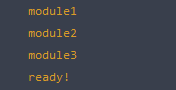
实验一下是否能够工作:
 myRequire(["module/module1.js", "module/module2.js", "module/module3.js"], function(){

     console.log("ready!");

 });
Yes, it's work!
总结
requirejs 加载模块的核心思想是利用了动态加载脚本的异步性以及 onload 事件以毒攻毒,关于脚本的加载,我们需要注意一下几点:
- 在 HTML 中引入 <script> 标签是同步加载;
- 在脚本中动态加载是异步加载,且由于被加载的脚本在事件队列的后端,因此总是会在当前脚本之后执行;
- 使用 onload 和 onerror 事件可以监听脚本加载完成,以异步的事件来处理异步的事件;
参考文献:
阮一峰 — RequireJS 和 AMD 规范
阮一峰 — Javascript 模块化编程
requirejs.org — requirejs api
从 RequireJs 源码剖析脚本加载原理的更多相关文章
- Spring Boot源码分析-配置文件加载原理
在Spring Boot源码分析-启动过程中我们进行了启动源码的分析,大致了解了整个Spring Boot的启动过程,具体细节这里不再赘述,感兴趣的同学可以自行阅读.今天让我们继续阅读源码,了解配置文 ...
- MyBatis 源码篇-资源加载
本章主要描述 MyBatis 资源加载模块中的 ClassLoaderWrapper 类和 Java 加载配置文件的三种方式. ClassLoaderWrapper 上一章的案例,使用 org.apa ...
- Mybatis源码解析(二) —— 加载 Configuration
Mybatis源码解析(二) -- 加载 Configuration 正如上文所看到的 Configuration 对象保存了所有Mybatis的配置信息,也就是说mybatis-config. ...
- 转 Spring源码剖析——核心IOC容器原理
Spring源码剖析——核心IOC容器原理 2016年08月05日 15:06:16 阅读数:8312 标签: spring源码ioc编程bean 更多 个人分类: Java https://blog ...
- 老李推荐:第14章9节《MonkeyRunner源码剖析》 HierarchyViewer实现原理-遍历控件树查找控件
老李推荐:第14章9节<MonkeyRunner源码剖析> HierarchyViewer实现原理-遍历控件树查找控件 poptest是国内唯一一家培养测试开发工程师的培训机构,以学员 ...
- 老李推荐:第14章3节《MonkeyRunner源码剖析》 HierarchyViewer实现原理-HierarchyViewer实例化
老李推荐:第14章3节<MonkeyRunner源码剖析> HierarchyViewer实现原理-HierarchyViewer实例化 poptest是国内唯一一家培养测试开发工程师的培 ...
- 老李推荐: 第14章2节《MonkeyRunner源码剖析》 HierarchyViewer实现原理-HierarchyViewer架构概述
老李推荐: 第14章2节<MonkeyRunner源码剖析> HierarchyViewer实现原理-HierarchyViewer架构概述 HierarchyViewer库的引入让M ...
- 老李推荐:第14章1节《MonkeyRunner源码剖析》 HierarchyViewer实现原理-面向控件编程VS面向坐标编程
老李推荐:第14章1节<MonkeyRunner源码剖析> HierarchyViewer实现原理-面向控件编程VS面向坐标编程 poptest是国内唯一一家培养测试开发工程师的培训机 ...
- 老李推荐:第14章5节《MonkeyRunner源码剖析》 HierarchyViewer实现原理-装备ViewServer-查询ViewServer运行状态
老李推荐:第14章5节<MonkeyRunner源码剖析> HierarchyViewer实现原理-装备ViewServer-查询ViewServer运行状态 poptest是国内唯一 ...
随机推荐
- 用border或者div制作三角形等图形
一般情况下, 我们设置盒子的宽高度, 及上下左右边框, 具体代码如下: 通过上述代码,div的具体样式如下: 现在在上面基础上, 我们把div的宽高度都设为0时, 现在我们再次查看效果,如下图: 这时 ...
- Spring+SpringMVC+MyBatis深入学习及搭建(六)——MyBatis关联查询
转载请注明出处:http://www.cnblogs.com/Joanna-Yan/p/6923464.html 前面有将到:Spring+SpringMVC+MyBatis深入学习及搭建(五)--动 ...
- javascript痛点之四this的指向问题
先看以下例子 1.我们直接调用this看看指向的是谁 alert(this);//指向window 2.在函数中直接调用看看指向的是谁 function fn(){ alert(this); } fn ...
- Oracle数据库和客户端字符集
1.查看数据库字符集信息 SQL> select * from nls_database_parameters;其中,NLS_CHARACTERSET是当前数据库的字符集. 2.客户端字符集 客 ...
- ListView实现下拉刷新和上拉加载功能
1 public class RefreshListView extends ListView implements OnScrollListener { private View mHeaderVi ...
- IOS机型margin属性无效问题
这个问题很多小伙伴都有遇到,这次本猿也遇到了,记录一笔. 结论:简单的解决办法margin换padding!如有误,请大神不吝赐教.在Chrome浏览器移动端测试iphone5,打开的也是没问题的(这 ...
- JS性能优化之怎么加载JS文件
IE8+等实行并行下载,各JS下载不受影响,但仍阻塞其他资源下载 如: 图片 所以首要规则就是:将JS放在body底部(推荐) 加载100kb的单个文件比4个25kb的文件快(减少外链文件数量)(脚本 ...
- win server2012 r2 服务器共享文件夹设置
按照普通的win7 设置共享文件夹,不起作用 于是乎倒腾,百度,总结以下步骤 1.启用guest账号 控制面板->用户账户->管理其他账户->Guest启用 2.设置共享文件夹 添加 ...
- jsp图片上传
1.要实现图片上传,首先需要一个组件,这里我用的是smartupload.jar可以到这里下载http://download.csdn.net/detail/mengdecike/8279247 2. ...
- css3特效详解
好吧,CSS3 3D transform变换,不过如此! 这篇文章发布于 2012年09月7日,星期五,01:05,归类于 css相关. 阅读 408042 次, 今日 34 次 一.写在前面的秋裤 ...