
深入分析Linux内核链表
1. 普通单链表

2. 内核链表
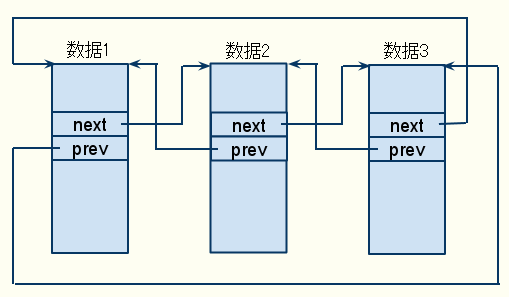
上图是本人从其他博客盗来的,差点被糊弄过去。
下图是本人自己用KeyNote画的(唉!!画图真的是让人心好累啊!!)。
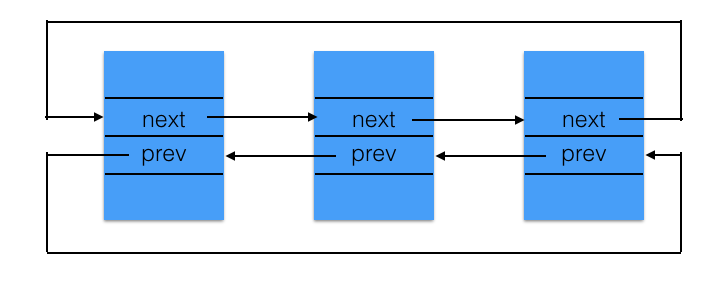
差异是不是很明显啊?!
Read The Fucking Source Code
1. 初始化
/* include/linux/types.h */

struct list_head {

    struct list_head *next, *prev;

};

/* include/linux/list.h */
/*××××××××××××××××××××××××××××××××××××××××××××××××××××××××××××××××××××××××××××××××××××××××××××*/
// 一. 如何初始化一个链表,初始化后的链表是什么鸟样?
// 链表初始化的3个方法:
// 1.
#define LIST_HEAD_INIT(name) { &(name), &(name) }
// 使用示例: struct list_head test_list = LIST_HEAD_INIT(test_list);

// 2.
#define LIST_HEAD(name) \
    struct list_head name = LIST_HEAD_INIT(name)
// 使用示例: LIST_HEAD(module_bug_list);

// 3.
static inline void INIT_LIST_HEAD(struct list_head *list)
{
    list->next = list;
    list->prev = list;
}
// 使用示例: struct list_head test_list;
        INIT_LIST_HEAD(&test_list);
/*××××××××××××××××××××××××××××××××××××××××××××××××××××××××××××××××××××××××××××××××××××××××××××*/
就连一个链表的初始化都想的这么周到!!真屌!!
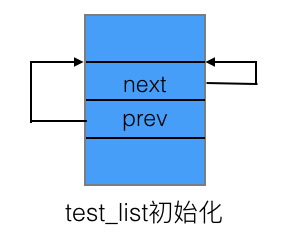
初始化后,链表就是的鸟样:
2. 插入
/*

 * Insert a new entry between two known consecutive entries.

 *

 * This is only for internal list manipulation where we know

 * the prev/next entries already!

 */

#ifndef CONFIG_DEBUG_LIST

static inline void __list_add(struct list_head *new,

                  struct list_head *prev,

                  struct list_head *next)

{

    next->prev = new;

    new->next = next;

    new->prev = prev;

    prev->next = new;

}

#else

extern void __list_add(struct list_head *new,

                  struct list_head *prev,

                  struct list_head *next);

#endif

/**

 * list_add - add a new entry

 * @new: new entry to be added

 * @head: list head to add it after

 *

 * Insert a new entry after the specified head.

 * This is good for implementing stacks.

 */

static inline void list_add(struct list_head *new, struct list_head *head)

{

    __list_add(new, head, head->next);

}

/**

 * list_add_tail - add a new entry

 * @new: new entry to be added

 * @head: list head to add it before

 *

 * Insert a new entry before the specified head.

 * This is useful for implementing queues.

 */

static inline void list_add_tail(struct list_head *new, struct list_head *head)

{

    __list_add(new, head->prev, head);

}
/**
 *  list_add 和 list_add_tail的区别是:
 *  list_add 始终是在链表头后的的第一个位置进行插入:例如链表:head --> 数据1 --> 数据2 --> 数据3,插入新元素后:head --> new --> 数据1 --> 数据2 --> 数据3
 *  list_add_tail 始终实在链表末尾插入新元素:例如链表:head --> 数据1 --> 数据2 --> 数据3,插入新元素后:head --> 数据1 --> 数据2 --> 数据3 --> new
 */
/**
 * 仔细分析上述函数,可以发现其函数抽象的巧妙。
 * __list_add 接收三个参数:分别是new, prev, next。任何位置的双链表插入操作,只需这3个参数。那么new元素一定是在prev和next之间进行插入。
 * 所以很明显:list_add是在head和head->next之间插入,那就是链表的第一个元素。
 *           list_add_tail实在head->prev和head之间插入,那就是链表的最后一个元素。
*/
3. 删除
/*

 * Delete a list entry by making the prev/next entries

 * point to each other.

 *

 * This is only for internal list manipulation where we know

 * the prev/next entries already!

 */

static inline void __list_del(struct list_head * prev, struct list_head * next)

{

    next->prev = prev;

    prev->next = next;

}

/**

 * list_del - deletes entry from list.

 * @entry: the element to delete from the list.

 * Note: list_empty() on entry does not return true after this, the entry is

 * in an undefined state.

 */

#ifndef CONFIG_DEBUG_LIST

static inline void __list_del_entry(struct list_head *entry)

{

    __list_del(entry->prev, entry->next);

}

static inline void list_del(struct list_head *entry)

{

    __list_del(entry->prev, entry->next);

    entry->next = LIST_POISON1;

    entry->prev = LIST_POISON2;

}

#else

extern void __list_del_entry(struct list_head *entry);

extern void list_del(struct list_head *entry);

#endif

/**
* 上述代码中存在两个宏,在include/linux/poison.h中的定义如下:
*/
/*
 * These are non-NULL pointers that will result in page faults
 * under normal circumstances, used to verify that nobody uses
 * non-initialized list entries.
 * 是非空指针,在正常情况下会导致 page faults,用来验证没有人使用未初始化的链表项。
 */
#define LIST_POISON1  ((void *) 0x00100100 + POISON_POINTER_DELTA)
#define LIST_POISON2  ((void *) 0x00200200 + POISON_POINTER_DELTA)

/*
 * __list_del_entry 和 list_del 的却别是显而易见的。
*/
至此,内核链表有了本质的认识,那么对于其他的链表操作的分析是非常容易的。
深入分析Linux内核链表的更多相关文章
- 深入分析 Linux 内核链表--转
引用地址:http://www.ibm.com/developerworks/cn/linux/kernel/l-chain/index.html 一. 链表数据结构简介 链表是一种常用的组织有序数据 ...
- 深入分析 Linux 内核链表
转载:http://www.ibm.com/developerworks/cn/linux/kernel/l-chain/ 一. 链表数据结构简介 链表是一种常用的组织有序数据的数据结构,它通过指 ...
- Linux 内核链表的使用及深入分析【转】
转自:http://blog.csdn.net/BoArmy/article/details/8652776 1.内核链表和普通链表的区别 内核链表是一个双向链表,但是与普通的双向链表又有所区别.内核 ...
- C语言 Linux内核链表(企业级链表)
//Linux内核链表(企业级链表) #define _CRT_SECURE_NO_WARNINGS #include<stdio.h> #include<stdlib.h> ...
- Linux 内核链表
一 . Linux内核链表 1 . 内核链表函数 1.INIT_LIST_HEAD:创建链表 2.list_add:在链表头插入节点 3.list_add_tail:在链表尾插入节点 4.list_d ...
- linux内核链表分析
一.常用的链表和内核链表的区别 1.1 常规链表结构 通常链表数据结构至少应包含两个域:数据域和指针域,数据域用于存储数据,指针域用于建立与下一个节点的联系.按照指针域的组织以及各个节 ...
- Linux 内核 链表 的简单模拟(2)
接上一篇Linux 内核 链表 的简单模拟(1) 第五章:Linux内核链表的遍历 /** * list_for_each - iterate over a list * @pos: the & ...
- Linux 内核 链表 的简单模拟(1)
第零章:扯扯淡 出一个有意思的题目:用一个宏定义FIND求一个结构体struct里某个变量相对struc的编移量,如 struct student { int a; //FIND(struct stu ...
- linux内核链表的移植与使用
一. Linux内核链表为双向循环链表,和数据结构中所学链表类似,具体不再细讲.由于在内核中所实现的函数十分经典,所以移植出来方便后期应用程序中的使用. /********************* ...
随机推荐
- Golang Gtk+3教程:开始
GTK+是一个控件工具包.每个通过GTK+创建的用户界面由一些控件组成. 控件是层级式的,window控件是主容器,通过在window中添加按钮.下拉菜单.输入字段等其他控件构成用户界面. 如果是复杂 ...
- VS2005 如何打开VS2008的工程 2009-06-24 20:22
大家都碰到过用2005打开2008的工程吧.2008打开2005是没有问题,但是反过来呢,却不可以.当用2005打开2008时,看着工具提示要进行工程转换心里高兴吧,当转换后发现工程无法加载是不是很居 ...
- windows 服务端 狼人杀 发牌器 开发完成 待继续开发其他服务
开发工具: python2.7 eric4 成果链接地址 https://wws.lanzous.com/iPCDTfnuoif
- 朋友国企干了5年java,居然不知道Dubbo是做什么呢?我真信了
点赞再看,养成习惯,微信搜一搜[三太子敖丙]关注这个喜欢写情怀的程序员. 本文 GitHub https://github.com/JavaFamily 已收录,有一线大厂面试完整考点.资料以及我的系 ...
- IDEA - 错误提示 Could not autowire. No beans of '' type found
工具: IntelliJ IDEA 2019.3.4 x64 Ultimate,maven项目: 现象:如下图所示,出现Could not autowire. No beans of '' type ...
- window下git多账户管理
前言 一般情况下,我们都是一台电脑配置一个Git账号,使用如下命令: git config --global user.name "your name" git config -- ...
- 大数据理论篇HDFS的基石——Google File System
Google File System 但凡是要开始讲大数据的,都绕不开最初的Google三驾马车:Google File System(GFS), MapReduce,BigTable. 为这一切的基 ...
- 【接口自动化】Python+Requests接口自动化测试框架搭建【三】
经过上两篇文章的讲解,我们已经完成接口自动化的基础框架,现在开始根据实际项目丰满起来. 在PyCharm中新建项目,项目工程结构如下: config:配置文件夹,可以将一些全局变量放于配置文件中,方便 ...
- Mybatis入门(二)------增删改查
Mybatis增删改查基本操作 一.XML实现方式 1.mapper.xml的配置 <?xml version="1.0" encoding="UTF-8" ...
- 浅谈AQS原理
一.AQS介绍 AQS,即AbstractQueuedSynchronizer, 抽象队列同步器,它是Java多线程模块用来构建锁和其他同步组件的基础框架.来看下同步组件对AQS的使用: AQS是一个 ...