
MTK Recovery 模式横屏修改(适用于6.0 + 8.1)
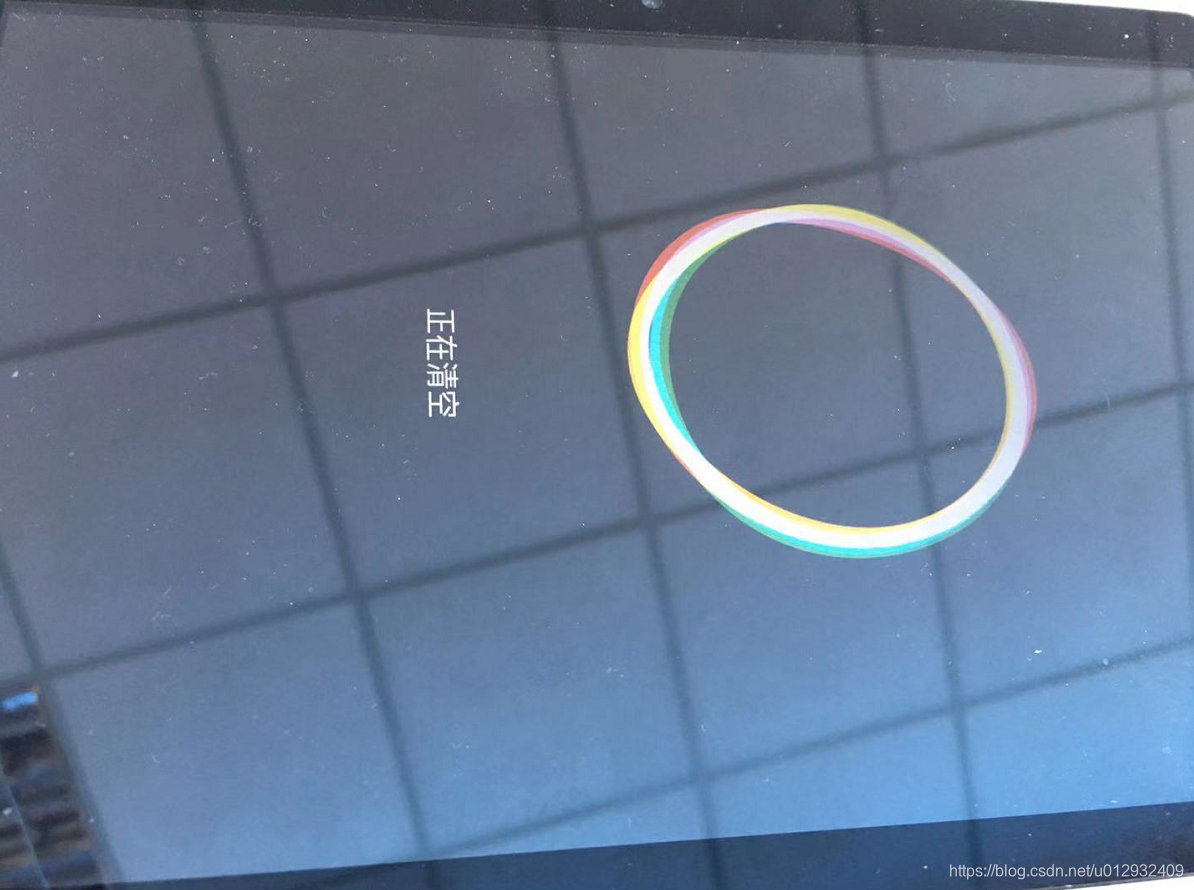
修改前
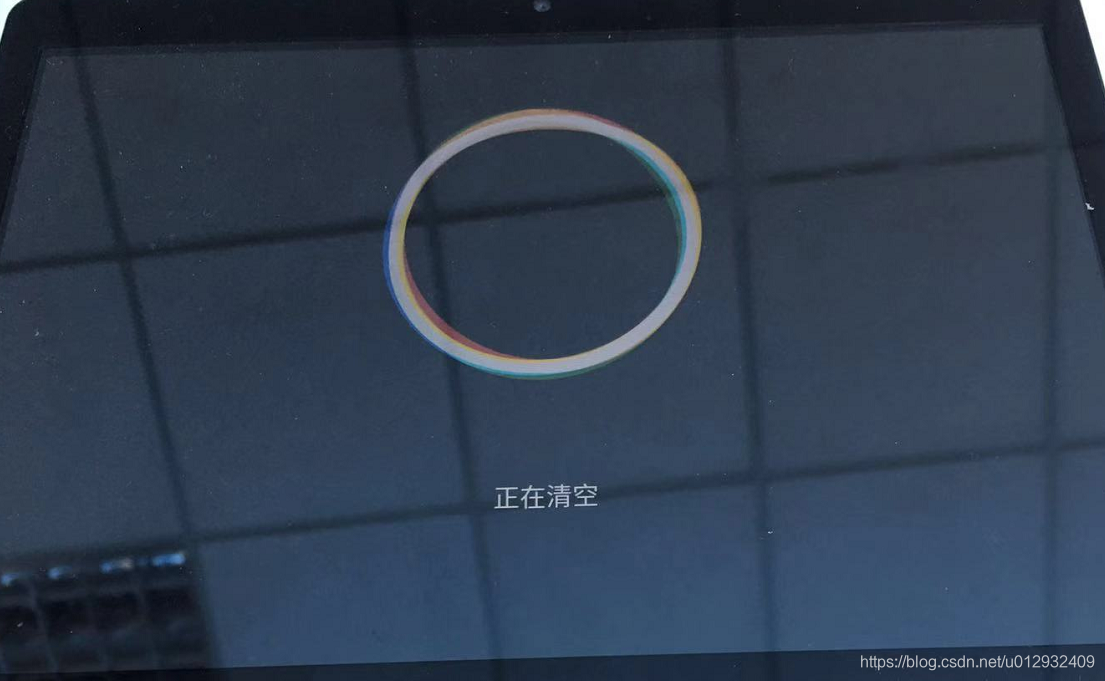
修改后
6.0 Recovery 模式横屏修改方法
修改相关文件
bootable\recovery\minui\Android.mk
bootable\recovery\minui\mt_graphic_rotate.cpp
bootable\recovery\minui\mt_graphic_rotate.h
bootable\recovery\minui\graphics_fbdev.cpp
bootable\recovery\minui\minui.h
1、在 Android.mk 中增加 mt_graphic_rotate.cpp 编译项
LOCAL_SRC_FILES := \

    events.cpp \

    graphics.cpp \

    graphics_adf.cpp \

    graphics_drm.cpp \

    graphics_fbdev.cpp \

    resources.cpp \

#cczheng add

LOCAL_SRC_FILES += mt_graphic_rotate.cpp
2、对比修改 mt_graphic_rotate.cpp,没有则直接复制以下类
/*

* Copyright (C) 2014 MediaTek Inc.

* Modification based on code covered by the mentioned copyright

* and/or permission notice(s).

*/

#include <stdbool.h>

#include <stdlib.h>

#include <unistd.h>

#include <inttypes.h>

#include <fcntl.h>

#include <stdio.h>

#include <sys/cdefs.h>

#include <sys/ioctl.h>

#include <sys/mman.h>

#include <sys/types.h>

#include <linux/fb.h>

#include <linux/kd.h>

#include "minui.h"

#include "graphics.h"

GRSurface __gr_canvas;

GRSurface* gr_canvas = NULL;

int rotate_index=-1;

static void print_surface_info(GRSurface *s, const char *name)

{

    printf("[graphics] %s > Height:%d, Width:%d, PixelBytes:%d, RowBytes:%d, Size:%d, Data: 0x%08" PRIxPTR "\n",

        name, s->height, s->width, s->pixel_bytes, s->row_bytes, s->height* s->row_bytes, (uintptr_t) s->data);

}

// Read configuration from MTK_LCM_PHYSICAL_ROTATION

#ifndef MTK_LCM_PHYSICAL_ROTATION

#define MTK_LCM_PHYSICAL_ROTATION "undefined"

#endif

static int rotate_config(GRSurface *gr_draw)

{

    if (rotate_index<0)

    {

        if (gr_draw->pixel_bytes != 4) rotate_index=0; // support 4 bytes pixel only

        else if (0 == strncmp(MTK_LCM_PHYSICAL_ROTATION, "90", 2)) rotate_index=1;

        else if (0 == strncmp(MTK_LCM_PHYSICAL_ROTATION, "180", 3)) rotate_index=2;

        else if (0 == strncmp(MTK_LCM_PHYSICAL_ROTATION, "270", 3)) rotate_index=3;

        else rotate_index=0;

        printf("[graphics] rotate_config %d %s\n", rotate_index, MTK_LCM_PHYSICAL_ROTATION);

    }

    return rotate_index;

}

#define swap(x, y, type) {type z; z=x; x=y; y=z;}

// Allocate and setup the canvas object

void rotate_canvas_init(GRSurface *gr_draw)

{

    gr_canvas = &__gr_canvas;

    memcpy(gr_canvas, gr_draw, sizeof(GRSurface));

    // Swap canvas' height and width, if the rotate angle is 90" or 270"

    if (rotate_config(gr_draw)%2) {

        swap(gr_canvas->width, gr_canvas->height, int);

        gr_canvas->row_bytes = gr_canvas->width * gr_canvas->pixel_bytes;

    }

    gr_canvas->data = (unsigned char*) malloc(gr_canvas->height * gr_canvas->row_bytes);

    if (gr_canvas->data == NULL) {

        printf("[graphics] rotate_canvas_init() malloc gr_canvas->data failed\n");

        gr_canvas = NULL;

        return;

    }

    memset(gr_canvas->data,  0, gr_canvas->height * gr_canvas->row_bytes);

    print_surface_info(gr_draw, "gr_draw");

    print_surface_info(gr_canvas, "gr_canvas");

}

// Cleanup the canvas

void rotate_canvas_exit(void)

{

    if (gr_canvas) {

        if (gr_canvas->data)

            free(gr_canvas->data);

        free(gr_canvas);

    }

    gr_canvas=NULL;

}

// Return the canvas object

GRSurface *rotate_canvas_get(GRSurface *gr_draw)

{

    // Initialize the canvas, if it was not exist.

    if (gr_canvas==NULL)

        rotate_canvas_init(gr_draw);

    return gr_canvas;

}

// Surface Rotate Routines

static void rotate_surface_0(GRSurface *dst, GRSurface *src)

{

    memcpy(dst->data, src->data, src->height*src->row_bytes);

}

static void rotate_surface_270(GRSurface *dst, GRSurface *src)

{

    int v, w, h;

    unsigned int *src_pixel;

    unsigned int *dst_pixel;

    for (h=0, v=src->width-1; h<dst->height; h++, v--) {

        for (w=0; w<dst->width; w++) {

            dst_pixel = (unsigned int *)(dst->data + dst->row_bytes*h);

            src_pixel = (unsigned int *)(src->data + src->row_bytes*w);

            *(dst_pixel+w)=*(src_pixel+v);

        }

    }

}

static void rotate_surface_180(GRSurface *dst, GRSurface *src)

{

    int v, w, k, h;

    unsigned int *src_pixel;

    unsigned int *dst_pixel;

    for (h=0, k=src->height-1; h<dst->height && k>=0 ; h++, k--) {

        dst_pixel = (unsigned int *)(dst->data + dst->row_bytes*h);

        src_pixel = (unsigned int *)(src->data + src->row_bytes*k);

        for (w=0, v=src->width-1; w<dst->width && v>=0; w++, v--) {

            *(dst_pixel+w)=*(src_pixel+v);

        }

    }

}

static void rotate_surface_90(GRSurface *dst, GRSurface *src)

{

    int w, k, h;

    unsigned int *src_pixel;

    unsigned int *dst_pixel;

    for (h=0; h<dst->height; h++) {

        for (w=0, k=src->height-1; w<dst->width; w++, k--) {

            dst_pixel = (unsigned int *)(dst->data + dst->row_bytes*h);

            src_pixel = (unsigned int *)(src->data + src->row_bytes*k);

            *(dst_pixel+w)=*(src_pixel+h);

        }

    }

}

typedef void (*rotate_surface_t) (GRSurface *, GRSurface *);

rotate_surface_t rotate_func[4]=

{

    rotate_surface_0,

    rotate_surface_90,

    rotate_surface_180,

    rotate_surface_270

};

// rotate and copy src* surface to dst surface

void rotate_surface(GRSurface *dst, GRSurface *src)

{

    rotate_surface_t rotate;

    rotate=rotate_func[rotate_config(dst)];

    rotate(dst, src);

}
3、对比修改 mt_graphic_rotate.h,没有则直接复制以下类
/*

* Copyright (C) 2014 MediaTek Inc.

* Modification based on code covered by the mentioned copyright

* and/or permission notice(s).

*/

#ifndef MT_GRAPHICS_ROTATE_H_

#define MT_GRAPHICS_ROTATE_H_

#include "minui.h"

void rotate_canvas_exit(void);

void rotate_canvas_init(GRSurface *gr_draw);

void rotate_surface(GRSurface *dst, GRSurface *src);

GRSurface *rotate_canvas_get(GRSurface *gr_draw);

#endif
4、对比修改 graphics_fbdev.cpp,没有则直接复制以下类
/*

 * Copyright (C) 2014 The Android Open Source Project

 *

 * Licensed under the Apache License, Version 2.0 (the "License");

 * you may not use this file except in compliance with the License.

 * You may obtain a copy of the License at

 *

 *      http://www.apache.org/licenses/LICENSE-2.0

 *

 * Unless required by applicable law or agreed to in writing, software

 * distributed under the License is distributed on an "AS IS" BASIS,

 * WITHOUT WARRANTIES OR CONDITIONS OF ANY KIND, either express or implied.

 * See the License for the specific language governing permissions and

 * limitations under the License.

 */

#include <stdbool.h>

#include <stdlib.h>

#include <string.h>

#include <unistd.h>

#include <fcntl.h>

#include <stdio.h>

#include <sys/cdefs.h>

#include <sys/ioctl.h>

#include <sys/mman.h>

#include <sys/types.h>

#include <linux/fb.h>

#include <linux/kd.h>

#include "minui.h"

#include "graphics.h"

#include "mt_graphic_rotate.h"

static GRSurface* fbdev_init(minui_backend*);

static GRSurface* fbdev_flip(minui_backend*);

static void fbdev_blank(minui_backend*, bool);

static void fbdev_exit(minui_backend*);

static GRSurface gr_framebuffer[2];

static bool double_buffered;

static GRSurface* gr_draw = NULL;

static int displayed_buffer;

static fb_var_screeninfo vi;

static int fb_fd = -1;

static minui_backend my_backend = {

    .init = fbdev_init,

    .flip = fbdev_flip,

    .blank = fbdev_blank,

    .exit = fbdev_exit,

};

minui_backend* open_fbdev() {

    return &my_backend;

}

static void fbdev_blank(minui_backend* backend __unused, bool blank)

{

    int ret;

    ret = ioctl(fb_fd, FBIOBLANK, blank ? FB_BLANK_POWERDOWN : FB_BLANK_UNBLANK);

    if (ret < 0)

        perror("ioctl(): blank");

}

static void set_displayed_framebuffer(unsigned n)

{

    if (n > 1 || !double_buffered) return;

    vi.yres_virtual = gr_framebuffer[0].height * 2;

    vi.yoffset = n * gr_framebuffer[0].height;

    vi.bits_per_pixel = gr_framebuffer[0].pixel_bytes * 8;

    if (ioctl(fb_fd, FBIOPUT_VSCREENINFO, &vi) < 0) {

        perror("active fb swap failed");

    }

    displayed_buffer = n;

}

static GRSurface* fbdev_init(minui_backend* backend) {

    int fd = open("/dev/graphics/fb0", O_RDWR);

    if (fd == -1) {

        perror("cannot open fb0");

        return NULL;

    }

    fb_fix_screeninfo fi;

    if (ioctl(fd, FBIOGET_FSCREENINFO, &fi) < 0) {

        perror("failed to get fb0 info");

        close(fd);

        return NULL;

    }

    if (ioctl(fd, FBIOGET_VSCREENINFO, &vi) < 0) {

        perror("failed to get fb0 info");

        close(fd);

        return NULL;

    }

    // We print this out for informational purposes only, but

    // throughout we assume that the framebuffer device uses an RGBX

    // pixel format.  This is the case for every development device I

    // have access to.  For some of those devices (eg, hammerhead aka

    // Nexus 5), FBIOGET_VSCREENINFO *reports* that it wants a

    // different format (XBGR) but actually produces the correct

    // results on the display when you write RGBX.

    //

    // If you have a device that actually *needs* another pixel format

    // (ie, BGRX, or 565), patches welcome...

    printf("fb0 reports (possibly inaccurate):\n"

           "  vi.bits_per_pixel = %d\n"

           "  vi.red.offset   = %3d   .length = %3d\n"

           "  vi.green.offset = %3d   .length = %3d\n"

           "  vi.blue.offset  = %3d   .length = %3d\n",

           vi.bits_per_pixel,

           vi.red.offset, vi.red.length,

           vi.green.offset, vi.green.length,

           vi.blue.offset, vi.blue.length);

    void* bits = mmap(0, fi.smem_len, PROT_READ | PROT_WRITE, MAP_SHARED, fd, 0);

    if (bits == MAP_FAILED) {

        perror("failed to mmap framebuffer");

        close(fd);

        return NULL;

    }

    memset(bits, 0, fi.smem_len);

    gr_framebuffer[0].width = vi.xres;

    gr_framebuffer[0].height = vi.yres;

    gr_framebuffer[0].row_bytes = fi.line_length;

    gr_framebuffer[0].pixel_bytes = vi.bits_per_pixel / 8;

    gr_framebuffer[0].data = reinterpret_cast<uint8_t*>(bits);

    memset(gr_framebuffer[0].data, 0, gr_framebuffer[0].height * gr_framebuffer[0].row_bytes);

    /* check if we can use double buffering */

    printf("[graphics] vi.yres * fi.line_length = %d * %d * 2 = %d, fi.smem_len=%d\n",

        vi.yres, fi.line_length, vi.yres * fi.line_length * 2, fi.smem_len);

    if (vi.yres * fi.line_length * 2 <= fi.smem_len) {

        double_buffered = true;

        printf("[graphics] double buffered\n");

        memcpy(gr_framebuffer+1, gr_framebuffer, sizeof(GRSurface));

        gr_framebuffer[1].data = gr_framebuffer[0].data +

            gr_framebuffer[0].height * gr_framebuffer[0].row_bytes;

        gr_draw = gr_framebuffer+1;

    } else {

        double_buffered = false;

        printf("[graphics] without double buffer\n");

        // Without double-buffering, we allocate RAM for a buffer to

        // draw in, and then "flipping" the buffer consists of a

        // memcpy from the buffer we allocated to the framebuffer.

        gr_draw = (GRSurface*) malloc(sizeof(GRSurface));

        memcpy(gr_draw, gr_framebuffer, sizeof(GRSurface));

        gr_draw->data = (unsigned char*) malloc(gr_draw->height * gr_draw->row_bytes);

        if (!gr_draw->data) {

            perror("failed to allocate in-memory surface");

            return NULL;

        }

    }

    memset(gr_draw->data, 0, gr_draw->height * gr_draw->row_bytes);

    fb_fd = fd;

    set_displayed_framebuffer(0);

    printf("framebuffer: %d (%d x %d)\n", fb_fd, gr_draw->width, gr_draw->height);

#if 0 // to avoid display blink due to display driver not disable backlight after kernel standardization, so that temp state between display suspend/resume is shown

    fbdev_blank(backend, true);

    fbdev_blank(backend, false);

#endif

    return rotate_canvas_get(gr_draw);

}

static GRSurface* fbdev_flip(minui_backend* backend __unused) {

    rotate_surface(gr_draw, rotate_canvas_get(gr_draw));

    if (double_buffered) {

#if defined(RECOVERY_BGRA)

        // In case of BGRA, do some byte swapping

        unsigned int idx;

        unsigned char tmp;

        unsigned char* ucfb_vaddr = (unsigned char*)gr_draw->data;

        for (idx = 0 ; idx < (gr_draw->height * gr_draw->row_bytes);

                idx += 4) {

            tmp = ucfb_vaddr[idx];

            ucfb_vaddr[idx    ] = ucfb_vaddr[idx + 2];

            ucfb_vaddr[idx + 2] = tmp;

        }

#endif

        // Change gr_draw to point to the buffer currently displayed,

        // then flip the driver so we're displaying the other buffer

        // instead.

        gr_draw = gr_framebuffer + displayed_buffer;

        set_displayed_framebuffer(1-displayed_buffer);

    } else {

        // Copy from the in-memory surface to the framebuffer.

        memcpy(gr_framebuffer[0].data, gr_draw->data,

               gr_draw->height * gr_draw->row_bytes);

    }

    return rotate_canvas_get(gr_draw);

}

static void fbdev_exit(minui_backend* backend __unused) {

    close(fb_fd);

    fb_fd = -1;

    rotate_canvas_exit();

    if (!double_buffered && gr_draw) {

        free(gr_draw->data);

        free(gr_draw);

    }

    gr_draw = NULL;

}
5、对比修改 minui.h,没有则直接复制以下类
/*

 * Copyright (C) 2007 The Android Open Source Project

 *

 * Licensed under the Apache License, Version 2.0 (the "License");

 * you may not use this file except in compliance with the License.

 * You may obtain a copy of the License at

 *

 *      http://www.apache.org/licenses/LICENSE-2.0

 *

 * Unless required by applicable law or agreed to in writing, software

 * distributed under the License is distributed on an "AS IS" BASIS,

 * WITHOUT WARRANTIES OR CONDITIONS OF ANY KIND, either express or implied.

 * See the License for the specific language governing permissions and

 * limitations under the License.

 */

#ifndef _MINUI_H_

#define _MINUI_H_

#include <sys/types.h>

#include <functional>

//

// Graphics.

//

struct GRSurface {

    int width;

    int height;

    int row_bytes;

    int pixel_bytes;

    unsigned char* data;

};

int gr_init();

void gr_exit();

int gr_fb_width();

int gr_fb_height();

void gr_flip();

void gr_fb_blank(bool blank);

void gr_clear();  // clear entire surface to current color

void gr_color(unsigned char r, unsigned char g, unsigned char b, unsigned char a);

void gr_fill(int x1, int y1, int x2, int y2);

void gr_text(int x, int y, const char *s, bool bold);

void gr_texticon(int x, int y, GRSurface* icon);

int gr_measure(const char *s);

void gr_font_size(int *x, int *y);

void gr_blit(GRSurface* source, int sx, int sy, int w, int h, int dx, int dy);

unsigned int gr_get_width(GRSurface* surface);

unsigned int gr_get_height(GRSurface* surface);

//

// Input events.

//

struct input_event;

// TODO: move these over to std::function.

typedef int (*ev_callback)(int fd, uint32_t epevents, void* data);

typedef int (*ev_set_key_callback)(int code, int value, void* data);

int ev_init(ev_callback input_cb, void* data);

void ev_exit();

int ev_add_fd(int fd, ev_callback cb, void* data);

void ev_iterate_available_keys(std::function<void(int)> f);

int ev_sync_key_state(ev_set_key_callback set_key_cb, void* data);

// 'timeout' has the same semantics as poll(2).

//    0 : don't block

//  < 0 : block forever

//  > 0 : block for 'timeout' milliseconds

int ev_wait(int timeout);

int ev_get_input(int fd, uint32_t epevents, input_event* ev);

void ev_dispatch();

int ev_get_epollfd();

//

// Resources

//

// res_create_*_surface() functions return 0 if no error, else

// negative.

//

// A "display" surface is one that is intended to be drawn to the

// screen with gr_blit().  An "alpha" surface is a grayscale image

// interpreted as an alpha mask used to render text in the current

// color (with gr_text() or gr_texticon()).

//

// All these functions load PNG images from "/res/images/${name}.png".

// Load a single display surface from a PNG image.

int res_create_display_surface(const char* name, GRSurface** pSurface);

// Load an array of display surfaces from a single PNG image.  The PNG

// should have a 'Frames' text chunk whose value is the number of

// frames this image represents.  The pixel data itself is interlaced

// by row.

int res_create_multi_display_surface(const char* name,

                                     int* frames, GRSurface*** pSurface);

// Load a single alpha surface from a grayscale PNG image.

int res_create_alpha_surface(const char* name, GRSurface** pSurface);

// Load part of a grayscale PNG image that is the first match for the

// given locale.  The image is expected to be a composite of multiple

// translations of the same text, with special added rows that encode

// the subimages' size and intended locale in the pixel data.  See

// development/tools/recovery_l10n for an app that will generate these

// specialized images from Android resources.

int res_create_localized_alpha_surface(const char* name, const char* locale,

                                       GRSurface** pSurface);

// Free a surface allocated by any of the res_create_*_surface()

// functions.

void res_free_surface(GRSurface* surface);

#endif
8.1 Recovery 模式横屏修改方法
8.1 的修改步骤和 6.0 大体差不多,前三步都一样,请参考上面的,由于 8.1 中不需要 minui.h 文件,所以 mt_graphic_rotate.h 和 mt_graphic_rotate.cpp 中 需要注释
//#include "minui.h"
4、对比修改 graphics_fbdev.cpp
/*

 * Copyright (C) 2014 The Android Open Source Project

 *

 * Licensed under the Apache License, Version 2.0 (the "License");

 * you may not use this file except in compliance with the License.

 * You may obtain a copy of the License at

 *

 *      http://www.apache.org/licenses/LICENSE-2.0

 *

 * Unless required by applicable law or agreed to in writing, software

 * distributed under the License is distributed on an "AS IS" BASIS,

 * WITHOUT WARRANTIES OR CONDITIONS OF ANY KIND, either express or implied.

 * See the License for the specific language governing permissions and

 * limitations under the License.

 */

#include "graphics_fbdev.h"

#include <fcntl.h>

#include <linux/fb.h>

#include <stdio.h>

#include <stdlib.h>

#include <string.h>

#include <sys/ioctl.h>

#include <sys/mman.h>

#include <sys/types.h>

#include <unistd.h>

#include "minui/minui.h"

//cczheng add for rotateCanvas

#include "mt_graphic_rotate.h"

MinuiBackendFbdev::MinuiBackendFbdev() : gr_draw(nullptr), fb_fd(-1) {}

void MinuiBackendFbdev::Blank(bool blank) {

  int ret = ioctl(fb_fd, FBIOBLANK, blank ? FB_BLANK_POWERDOWN : FB_BLANK_UNBLANK);

  if (ret < 0) perror("ioctl(): blank");

}

void MinuiBackendFbdev::SetDisplayedFramebuffer(unsigned n) {

  if (n > 1 || !double_buffered) return;

  vi.yres_virtual = gr_framebuffer[0].height * 2;

  vi.yoffset = n * gr_framebuffer[0].height;

  vi.bits_per_pixel = gr_framebuffer[0].pixel_bytes * 8;

  if (ioctl(fb_fd, FBIOPUT_VSCREENINFO, &vi) < 0) {

    perror("active fb swap failed");

  }

  displayed_buffer = n;

}

GRSurface* MinuiBackendFbdev::Init() {

  int fd = open("/dev/graphics/fb0", O_RDWR);

  if (fd == -1) {

    perror("cannot open fb0");

    return nullptr;

  }

  fb_fix_screeninfo fi;

  if (ioctl(fd, FBIOGET_FSCREENINFO, &fi) < 0) {

    perror("failed to get fb0 info");

    close(fd);

    return nullptr;

  }

  if (ioctl(fd, FBIOGET_VSCREENINFO, &vi) < 0) {

    perror("failed to get fb0 info");

    close(fd);

    return nullptr;

  }

  // We print this out for informational purposes only, but

  // throughout we assume that the framebuffer device uses an RGBX

  // pixel format.  This is the case for every development device I

  // have access to.  For some of those devices (eg, hammerhead aka

  // Nexus 5), FBIOGET_VSCREENINFO *reports* that it wants a

  // different format (XBGR) but actually produces the correct

  // results on the display when you write RGBX.

  //

  // If you have a device that actually *needs* another pixel format

  // (ie, BGRX, or 565), patches welcome...

  printf(

      "fb0 reports (possibly inaccurate):\n"

      "  vi.bits_per_pixel = %d\n"

      "  vi.red.offset   = %3d   .length = %3d\n"

      "  vi.green.offset = %3d   .length = %3d\n"

      "  vi.blue.offset  = %3d   .length = %3d\n",

      vi.bits_per_pixel, vi.red.offset, vi.red.length, vi.green.offset, vi.green.length,

      vi.blue.offset, vi.blue.length);

  void* bits = mmap(0, fi.smem_len, PROT_READ | PROT_WRITE, MAP_SHARED, fd, 0);

  if (bits == MAP_FAILED) {

    perror("failed to mmap framebuffer");

    close(fd);

    return nullptr;

  }

  memset(bits, 0, fi.smem_len);

  gr_framebuffer[0].width = vi.xres;

  gr_framebuffer[0].height = vi.yres;

  gr_framebuffer[0].row_bytes = fi.line_length;

  gr_framebuffer[0].pixel_bytes = vi.bits_per_pixel / 8;

  gr_framebuffer[0].data = static_cast<uint8_t*>(bits);

  memset(gr_framebuffer[0].data, 0, gr_framebuffer[0].height * gr_framebuffer[0].row_bytes);

  /* check if we can use double buffering */

  if (vi.yres * fi.line_length * 2 <= fi.smem_len) {

    double_buffered = true;

    memcpy(gr_framebuffer + 1, gr_framebuffer, sizeof(GRSurface));

    gr_framebuffer[1].data =

        gr_framebuffer[0].data + gr_framebuffer[0].height * gr_framebuffer[0].row_bytes;

    gr_draw = gr_framebuffer + 1;

  } else {

    double_buffered = false;

    // Without double-buffering, we allocate RAM for a buffer to

    // draw in, and then "flipping" the buffer consists of a

    // memcpy from the buffer we allocated to the framebuffer.

    gr_draw = static_cast<GRSurface*>(malloc(sizeof(GRSurface)));

    memcpy(gr_draw, gr_framebuffer, sizeof(GRSurface));

    gr_draw->data = static_cast<unsigned char*>(malloc(gr_draw->height * gr_draw->row_bytes));

    if (!gr_draw->data) {

      perror("failed to allocate in-memory surface");

      return nullptr;

    }

  }

  memset(gr_draw->data, 0, gr_draw->height * gr_draw->row_bytes);

  fb_fd = fd;

  SetDisplayedFramebuffer(0);

  printf("framebuffer: %d (%d x %d)\n", fb_fd, gr_draw->width, gr_draw->height);

#if 0

  Blank(true);

  Blank(false);

#endif

  //return gr_draw;

  //cczheng add for rotateCanvas

  return rotate_canvas_get(gr_draw);

}

GRSurface* MinuiBackendFbdev::Flip() {

  //cczheng add for rotateCanvas

  rotate_surface(gr_draw, rotate_canvas_get(gr_draw));

  if (double_buffered) {

    // Change gr_draw to point to the buffer currently displayed,

    // then flip the driver so we're displaying the other buffer

    // instead.

    gr_draw = gr_framebuffer + displayed_buffer;

    SetDisplayedFramebuffer(1 - displayed_buffer);

  } else {

    // Copy from the in-memory surface to the framebuffer.

    memcpy(gr_framebuffer[0].data, gr_draw->data, gr_draw->height * gr_draw->row_bytes);

  }

  //return gr_draw;

  //cczheng add for rotateCanvas

  return rotate_canvas_get(gr_draw);

}

MinuiBackendFbdev::~MinuiBackendFbdev() {

  close(fb_fd);

  fb_fd = -1;

  //cczheng add for rotateCanvas

  rotate_canvas_exit();

  if (!double_buffered && gr_draw) {

    free(gr_draw->data);

    free(gr_draw);

  }

  gr_draw = nullptr;

}
修改旋转角度,在 mt_graphic_rotate.cpp 中的 rotate_config(GRSurface gr_draw)
旋转90度就将 return rotate_index 直接改为 return 1,
依次类推转 180度, 改为 return 2, 270 度改为 return 3.
注意旋转方向为顺时针旋转
我修改的情况对应 return 3.
MTK Recovery 模式横屏修改(适用于6.0 + 8.1)的更多相关文章
- ubuntu 如何在recovery模式修改root密码
今天遇到一个问题, 前提1: ubuntu系统的root密码我一直没有设定 前提2: ubuntu初始创建的sudo用户不知道怎么移除sudo权限用户了. 下面就精彩了, 首先没有root密码,你不 ...
- [RK3288][Android6.0] 调试笔记 --- 系统第一次开机进入Recovery模式原因【转】
本文转载自:http://blog.csdn.net/kris_fei/article/details/53464461 latform: ROCKCHIPOS: Android 6.0Kernel: ...
- FastBoot BootLoader Recovery 模式解释
理论上,所有的Android设备都存在着Fastboot/Bootloader模式,不过,由于Android操作系统的开源特性,各厂商的对 自家的相关Android设备都有着各自不同的Fastboot ...
- Linux学习之CentOS(二十二)--单用户模式下修改Root用户的密码
在上一篇随笔里面详细讲解了Linux系统的启动过程 (Linux学习之CentOS(二十一)--Linux系统启动详解),我们知道Linux系统的启动级别一共有6种级别,通过 /etc/inittab ...
- android recovery模式及ROM制作
转自android recovery模式及ROM制作 1.总述 为了方便客户日后的固件升级,本周研究了一下android的recovery模式.网上有不少这类的资料,但都比较繁杂,没有一个系统的介绍与 ...
- Centos 进入recovery模式,单用户模式
1.重启服务器,在选择内核界面使用上下箭头移动 2.选择内核并按“e” 3.找到下面这行 4.修改 这里要删除掉rhgb quiet,如下图 5.使用“ctrl + x” 来重启服务器就可以了,重启后 ...
- Linux单用户模式(修改密码、运行级别)方法详解
很多新手当面对"忘记 root 账户密码导致无法登陆系统"这个问题时,直接选择重新系统.其实大可不必,我只需要进入 emergency mode(单用户模式)更新 root 账户的 ...
- Ultraedit和写字板修改Tomcat 6.0的server.xml不生效
转:http://blog.csdn.net/greencacti/article/details/6615321 本人在修改Tomcat 6.0的server.xml的时候,发现写字板修改完保存的时 ...
- Fastboot模式和Recovery模式
http://blog.csdn.net/luoshengyang/article/details/29688041 在回答第一个问题之前,我们先来看看Android设备从硬件到系统的结构,如图1所示 ...
随机推荐
- 洛谷 题解 P4613 【[COCI2017-2018#5] Olivander】
我又双叒叕被包菜辣! P4613 [COCI2017-2018#5] Olivander 首先,不知道为什么这题无法提交翻译: 所以,我先放个翻译: 哈利波特在与伏地魔的战斗中损坏了他的魔杖.他决定在 ...
- C#开发安卓自学笔记1
今天开始研究了下C#开发安卓,刚开始什么都不懂,学过安卓的同学们也是用Java开发的,虽然两者开发差别不大,但是还是有差别的 // Set our view from the "main&q ...
- 简单http和https服务器python脚本
欢迎加入python学习交流群 667279387 工作经常要用到测试http和https协议,这里写了两个简单的脚本实现简单的http服务器和https服务器. http服务器代码 import s ...
- SpringBoot与JPA
JPA是什么 JPA是Java Persistence API的简称,中文名Java持久层API,是JDK 5.0注解或XML描述对象-关系表的映射关系,并将运行期的实体对象持久化到数据库中. JPA ...
- [TimLinux] JavaScript 面向对象程序设计
1. 面向对象 面向对象语言有一个标志:都有类的概念.通过类可以创建任意多个具有相同属性和方法的对象.ECMAScript中没有类的概念,因此JavaScript中的对象夜雨基于类的语言中的面向对象有 ...
- 2018HDU多校五-G题 Glad You Game (线段树)
题目链接:http://acm.hdu.edu.cn/showproblem.php?pid=6356 Glad You Game Steve has an integer array aa of ...
- 模电&数电知识整理(不定期更新)
模电总复习之爱课堂题目概念整理 Chapter 1 1) 设室温情况下某二极管的反偏电压绝对值为1V,则当其反偏电压值减少100mV时,反向电流的变化是基本不发生变化. 2) 二极管发生击穿后,在击穿 ...
- 类型,值,变量知识总结(js)
文章目录: 一. 全局变量和局部变量分析 二. 从两个角度去理解变量作用域 三. 关于浮点数值计算产生舍入误差的问题分析 四. 理解js预解析 一. 全局变量和局部变量分析 在函数外部由var定义的变 ...
- ES6+转ES5(webpack+babel、指定多个js文件、自动注入)
接续上篇ES6+转ES5,本篇将使用webpack和babel将多个不同目录下指定的多个ES6+语法的js文件编译为ES5,并将编译后的文件配置注入对应的html文件. 所需环境node.npm.设置 ...
- Bootstrap模板-Amaretti.2.6.2
密罐地址: 点我下载