
vue3.5保证你看得明明白白
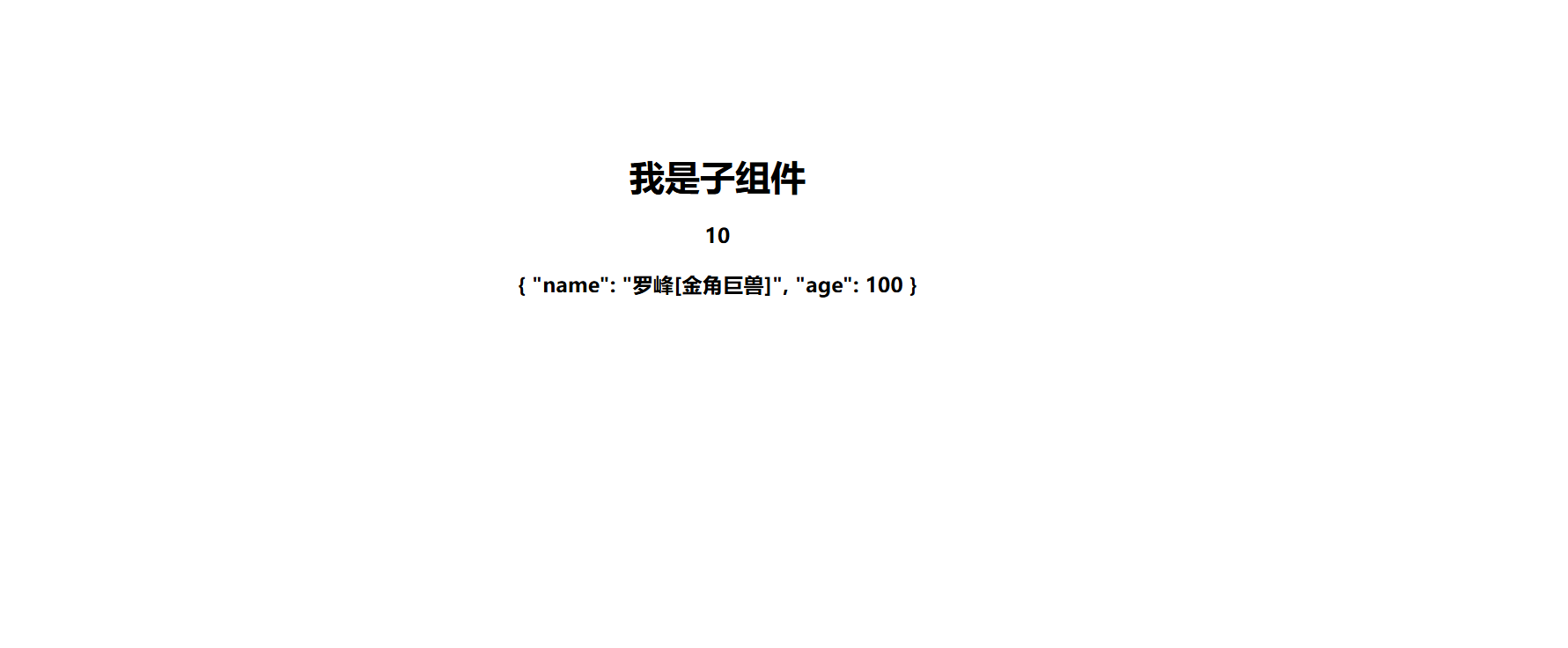
子组件中设置默认属性
<template>

  <div class="child-page">

    <h1>我是子组件</h1>

    <h3>{{ total }}</h3>

    <h3>{{ userInfo }} </h3>

  </div>

</template>

<script setup>

// 在<script setup>defineProps其实可以不用显示导入,因为编译器会自动处理

import {defineProps} from 'vue'

defineProps({

  total:{

    type:Number,

    default:10

  },

  userInfo:{

    type:Object,

    required: true,

    default:()=> {

      return {

        name: '罗峰[金角巨兽]',

        age: 100

      }

    }

  }

})
为啥解构失去响应式
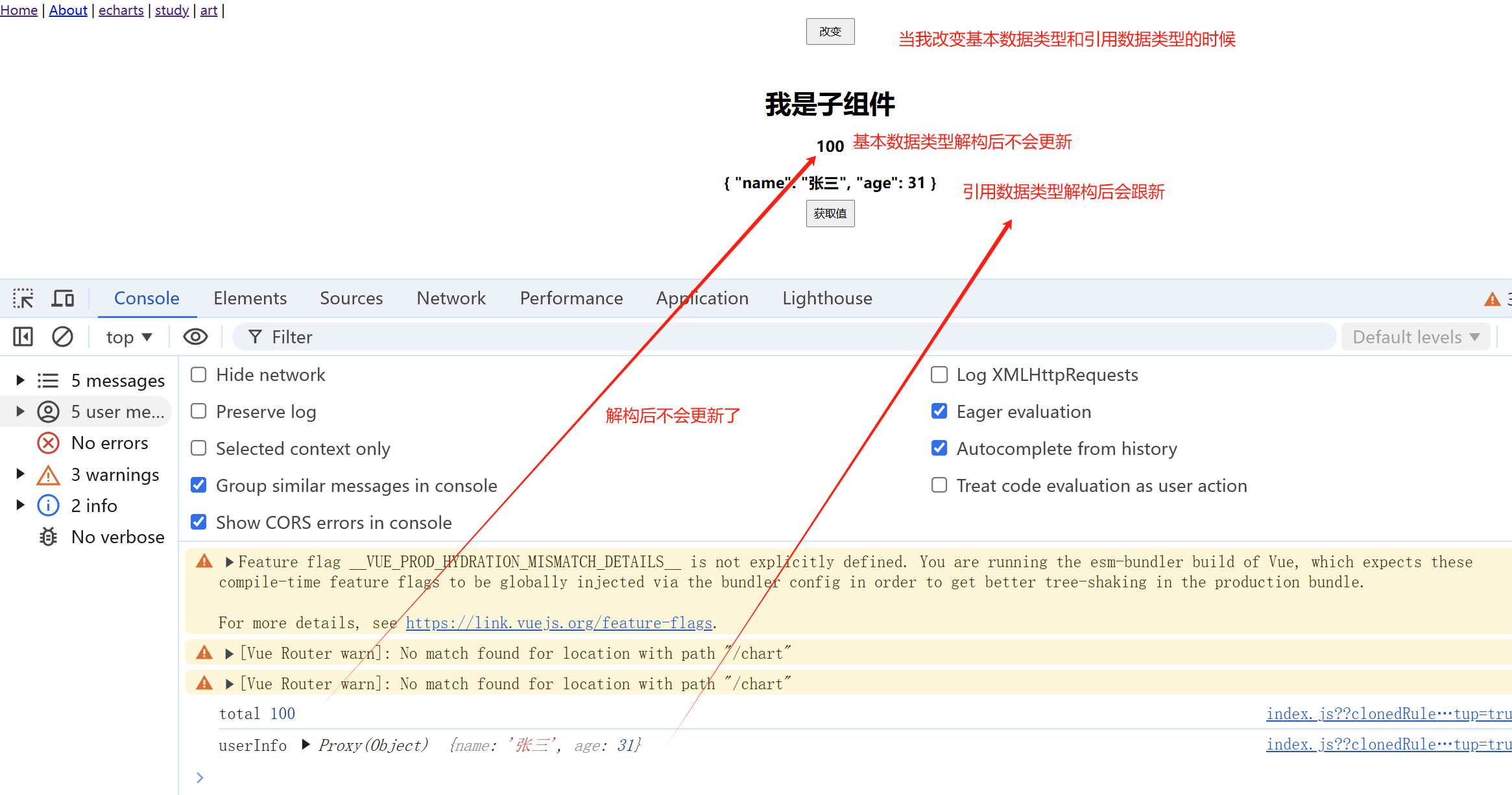
解构会让基本数据类型失去响应式。引用数据类型则不会失去响应式。
为啥基本数据类型解构就会失去响应式呢?
回答:因为Vue3使用了Proxy作为响应式的底层实现,而基本数据类型不是可观察的,无法被Proxy拦截。
验证解构失去响应式
// 父组件

<template>

  <div class="art-page">

    <button @click="changeHandler">改变</button>

    <child :total="total" :userInfo="userInfo"></child>

  </div>

</template>

<script setup>

import child from '@/components/child.vue'

import { ref,reactive } from 'vue';

let total=ref(100)

let userInfo =reactive({name: '张三', age:30})

const changeHandler = ()=>{

  total.value += 1000

  userInfo.age += 1

}

</script>
// 子组件

<template>

  <div class="child-page">

    <h1>我是子组件</h1>

    <h3>{{ total }}</h3>

    <h3>{{ userInfo }} </h3>

    <button @click="getValueHandler">获取值</button>

  </div>

</template>

<script setup>

import {defineProps, toRefs} from 'vue'

let props = defineProps({

  total:{

    type:Number,

    default:10

  },

  userInfo:{

    type:Object,

    required: true,

    default:()=> {

      return {

        name: '罗峰[金角巨兽]',

        age: 100

      }

    }

  }

})

// 基本数据类型解构失去响应式

const { total, userInfo} =props

const getValueHandler = ()=>{

  console.log('total', total)

  console.log('userInfo',userInfo)

}

</script>
vue3.5之前使用toRefs或toRef解构不会失去响应式
// 子组件

<template>

  <div class="child-page">

    <h1>我是子组件</h1>

    <h3>{{ total }}--{{ totalValue }}</h3>

    <h3>{{ userInfo }} --{{ userInfoObj }}</h3>

    <button @click="getValueHandler">获取值</button>

  </div>

</template>

<script setup>

import {defineProps, toRefs, toRef} from 'vue'

let props = defineProps({

   ...代码不变,省略

})

// 普通结构失去响应式

const { total, userInfo} =toRefs(props)

const totalValue = toRef(props, 'total');

const userInfoObj = toRef(props, 'userInfo')

const getValueHandler = ()=>{

  console.log('total', total)

  console.log('userInfo',userInfo)

}

</script>

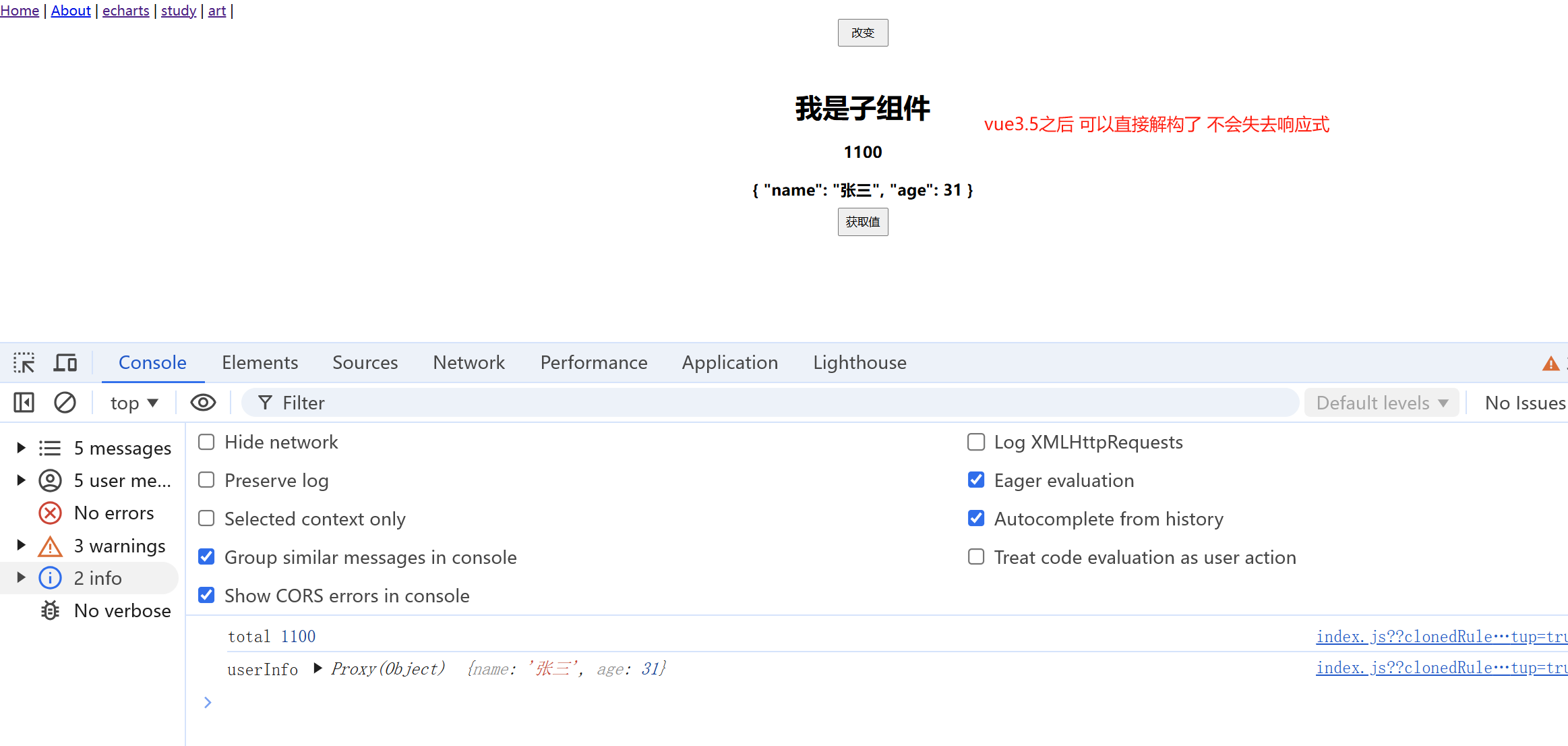
vue3.5直接解构不会失去响应式(不需要使用toRefs或者toRef)
<template>

  <div class="child-page">

    <h1>我是子组件</h1>

    <h3>{{ total }}</h3>

    <h3>{{ userInfo }} </h3>

    <button @click="getValueHandler">获取值</button>

  </div>

</template>

<script setup>

import {defineProps } from 'vue'

// vue3.5之后直接解构不会失去响应式

const { total, userInfo} = defineProps({

  total:{

    type:Number,

    default:10

  },

  userInfo:{

    type:Object,

    required: true,

    default:()=> {

      return {

        name: '罗峰[金角巨兽]',

        age: 100

      }

    }

  }

})

const getValueHandler = ()=>{

  console.log('total', total)

  console.log('userInfo',userInfo)

}

</script>
vue3.5 解构的时候直接设置默认值
我们刚刚是这样写默认值的,是不是感觉有点麻烦。
const { total, userInfo} = defineProps({

  total:{

    type:Number,

    default:10

  },

  userInfo:{

    type:Object,

    required: true,

    default:()=> {

      return {

        name: '罗峰[金角巨兽]',

        age: 100

      }

    }

  }

})
vue3.5vue3.5 解构的时候直接设置默认值,与es6的函数设置默认值一样了
<template>

  <div class="child-page">

    <h1>我是子组件</h1>

    <h3>{{ total }}</h3>

    <h3>{{ userInfo }} </h3>

    <button @click="getValueHandler">获取值</button>

  </div>

</template>

<script setup>

import {defineProps, toRefs, toRef} from 'vue'

// vue3.5 解构的时候直接设置默认值

const { total=10, userInfo= {name: '罗峰[金角巨兽]', age: 100} } = defineProps({

  total:{

    type:Number,

    // default:10

  },

  userInfo:{

    type:Object,

    required: true,

    // default:()=> {

    //   return {

    //     name: '罗峰[金角巨兽]',

    //     age: 100

    //   }

    // }

  }

})

const getValueHandler = ()=>{

  console.log('total', total)

  console.log('userInfo',userInfo)

}

</script>
解构后如何监听
<template>

  <div class="child-page">

    <h1>我是子组件</h1>

    <h3>{{ total }}</h3>

    <h3>{{ userInfo }} </h3>

  </div>

</template>

<script setup>

import {defineProps, toRefs, toRef, watch} from 'vue'

const { total=10, userInfo= {name: '罗峰[金角巨兽]', age: 100}} = defineProps({

  total:{

    type:Number,

  },

  userInfo:{

    type:Object,

    required: true,

  }

})

// 需要监听解构后的属性,我们要这样写,把它包装在getter中

watch(()=>total, (newValue, oldValue)=>{

 console.log('total', newValue)

})

</script>
监听解构后的属性,如果这样写会报错
watch(total, (newValue, oldValue)=>{

 console.log('total', newValue)

})
项目会提示:total" is a destructured prop and should not be passed directly to watch(). Pass a getter () => total instead.
大概意思是:total”是一个解构的道具,不应该直接传递给watch()。请传递一个getter()=>total。
vue3.5新增 useTemplateRef
useTemplateRef函数的用法很简单:
只接收一个参数key,这个字符串表示你要获取哪一个节点, 返回值是一个ref变量。
为啥会有这个方法?
我猜想的是通过原来通过ref获取DOM节点会让人分不清楚是变量还是DOM节点。
useTemplateRef 获取DOM节点
<template>

  <div class="art-page">

    // 我要获取这个节点

    <div ref="divNode">我是div</div>

    <button @click="getNodeHandler">获取div节点</button>

  </div>

</template>

<script lang="ts" setup>

import { useTemplateRef } from 'vue'

// useTemplateRef接受的是一个字符串,这个字符串表示你要获取哪一个节点

const divNode = useTemplateRef<HTMLElement>("divNode");

const getNodeHandler=()=>{

  if(divNode.value){

    divNode.value.innerText = '通过dom来赋值';

  }

  // 等价与 divNode.value && (divNode.value.innerText = '通过dom来赋值');

}

</script>
hooks中使用 useTemplateRef
// hooks文件

import { useTemplateRef } from 'vue'

export default function useRef(eleKey:string, contValue:string){

  const elementNode = useTemplateRef<HTMLElement>(eleKey);

 function setNodeElement(){

  console.log(elementNode.value);

  if(elementNode.value){

    elementNode.value.innerText = contValue;

  }

 }

 return { setNodeElement}

}
// 使用的文件

<template>

  <div class="art-page">

    <div ref="divNode">我是div</div>

    <button @click="getNodeHandler">获取div节点</button>

  </div>

</template>

<script lang="ts" setup>

import useRef from '@/hooks/useNode'

const { setNodeElement } = useRef('divNode', '哈哈-这个是hooks');

const getNodeHandler = ()=>{

  setNodeElement()

}

</script>

Vue 3.5新增useId 函数
useId是Vue3.5中引入的一个函数,用于生成唯一的ID。
它的主要用途是为组件或DOM元素中唯一的标识符,
避免在 SSR(服务器端渲染)或客户端渲染中因ID重复而导致的问题。
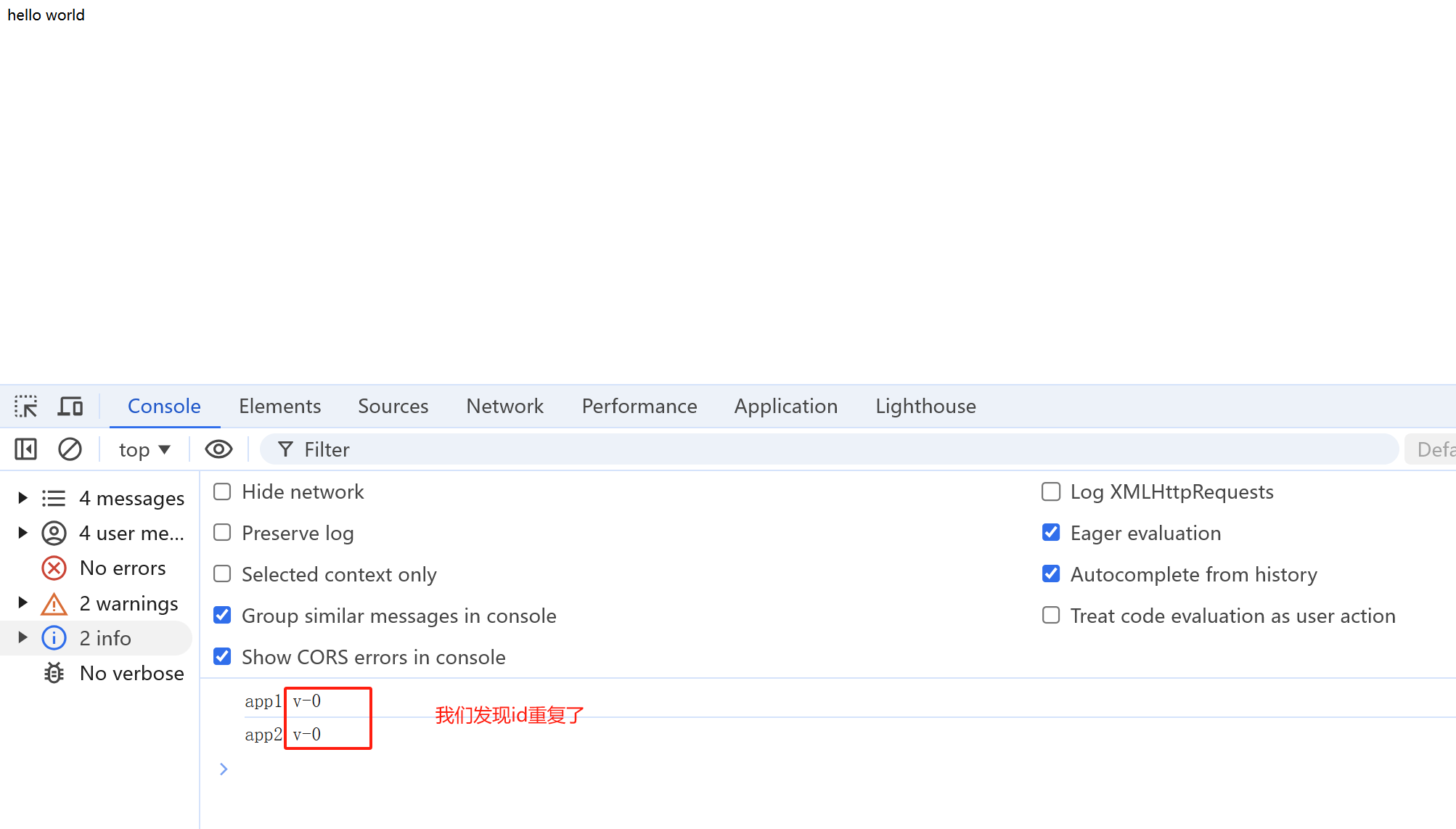
唯一性的前提是:必须在同一个createApp中才是唯一的,如果项目中有多个createApp,那么id就重复了。
多个createApp那么id就重复
// src\main.ts 文件

import { createApp, h, onMounted, useId } from "vue";

createApp({

  setup(){

    onMounted(()=>{

      console.log('app1', useId())

    })

    return ()=> h('div', 'hello world')

  }

}).mount('#app')

createApp({

  setup(){

    onMounted(()=>{

      console.log('app2', useId())

    })

    return ()=> h('div', 'hello world')

  }

}).mount('#app')
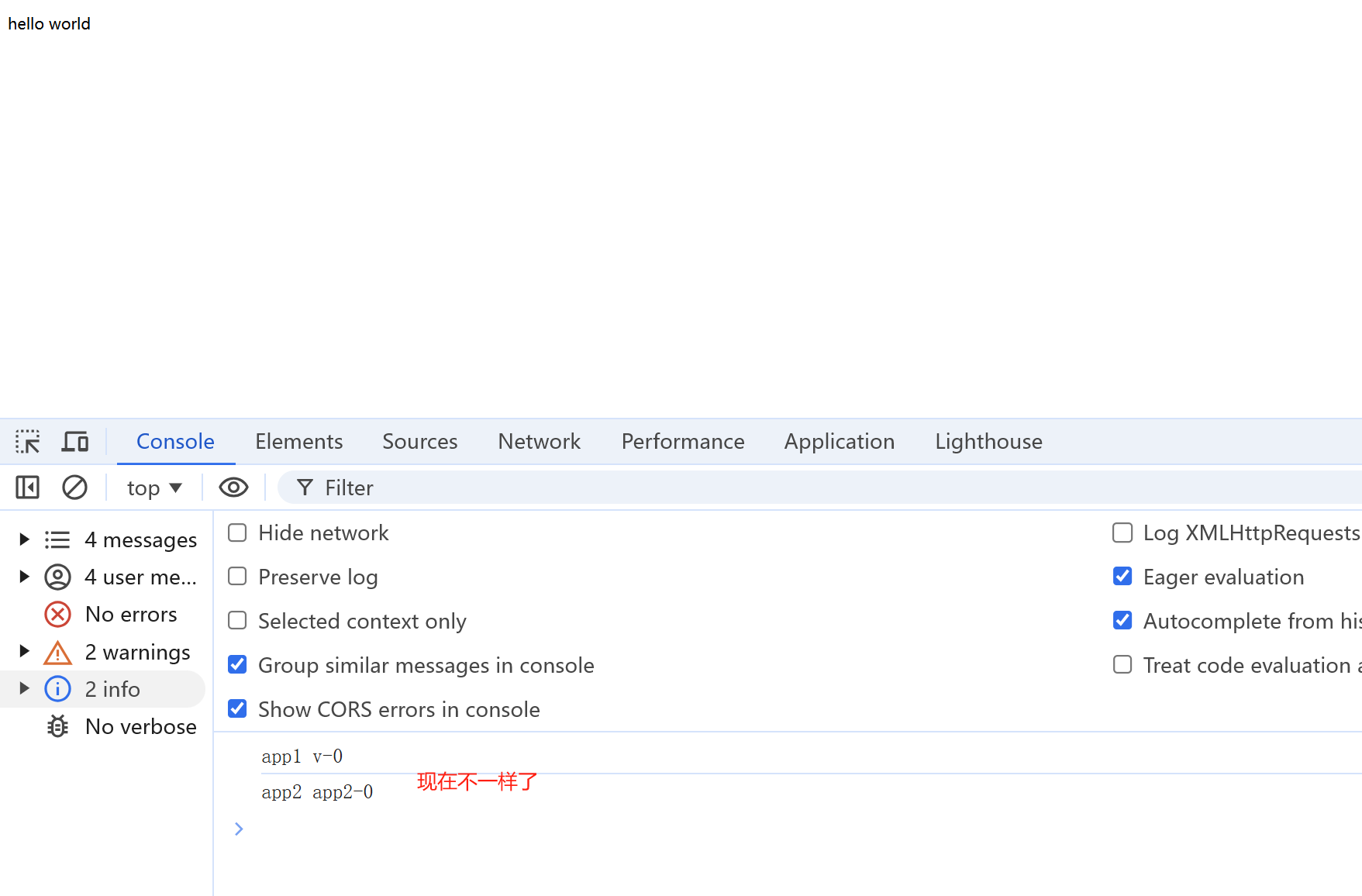
这个时候我们发现:app1和app2的id是重复的。
多个createApp如何解决id重复问题
我们可以加一个前缀就可以把这个问题给解决了
import { createApp, h, onMounted, useId } from "vue";

createApp({

  setup(){

    onMounted(()=>{

      console.log('app1', useId())

    })

    return ()=> h('div', 'hello world')

  }

}).mount('#app')

let app2 = createApp({

  setup(){

    onMounted(()=>{

      console.log('app2', useId())

    })

    return ()=> h('div', 'hello world')

  }

})

// 给app2加上一个前缀

app2.config.idPrefix = 'app2'

app2.mount('#app')
vue内置组件 Teleport
Vue内置 它可以将Teleport组件的内容移动到指定元素下。
在Teleport组件传送时,vue3.4之前要求目标元素在组件挂载时已经存在。
也就是说: 移动到目标元素必须在Teleport组件的前面。
Vue 3.5 引入了 defer 属性,允许传送的内容到后才渲染目标元素。
目标元素必须在Teleport组件的前面才能渲染
<template>

  <div class="art-page">

      <Teleport to="#target-node">

        <h1>我是传送的h1</h1>

        <h1> 等会会被传送</h1>

      </Teleport >

      <p>我是分割线==========我是分割线</p>

      // 现在目标元素在Teleport组件的后面,这样渲染会失败的

      <div id="target-node"></div>

      <p>我是分割线==========我是分割线</p>

  </div>

</template>

那怎么处理这个问题呢?
有的小伙伴会说:这个简单,我把目标元素放在Teleport组件的前面就行了。
确实:这样是可以的。换一下位置。
在vue3.5的版本中,我们只需要使用defer属性即可。
vue3.5中defer属性的作用
以通过 defer 来延迟 Teleport 的挂载。
它会等到同一更新周期中的所有其他 DOM 内容都渲染完毕后,再挂载到目标容器下。
延迟传送(defer Teleport)
<template>

  <div class="art-page">

      <Teleport defer to="#target-node">

        <h1>我是传送的h1</h1>

        <h1> 等会会被传送</h1>

      </Teleport >

      <p>我是分割线==========我是分割线</p>

      <div id="target-node"></div>

      <p>我是分割线==========我是分割线</p>

  </div>

</template>

onWatcherCleanup
该函数将在观察程序失效并即将重新运行时调用。
意思是说:它允许我们在观察的目标发生变化之前执行一些清理工作。
这样我们就可以取消网络请求、移除事件监听器等
onWatcherCleanup的注意点:
1,仅在 Vue 3.5+ 中支持。
2,并且必须在同步执行 watchEffect effect 函数或 watch 回调函数时调用,
你不能在异步函数中的 await 语句之后调用它。
点击按钮3次,就会发送3次请求。
<template>

  <div class="art-page">

     <button @click="num++">点击按钮</button>

  </div>

</template>

<script lang="ts" setup>

import { ref, watch } from 'vue';

let num =ref(0)

watch(num, ()=>{

  setTimeout(function(){

    console.log( '我会模拟发送请求', num.value)

  }, 2000)

})

</script>
10-触发3次.jpg
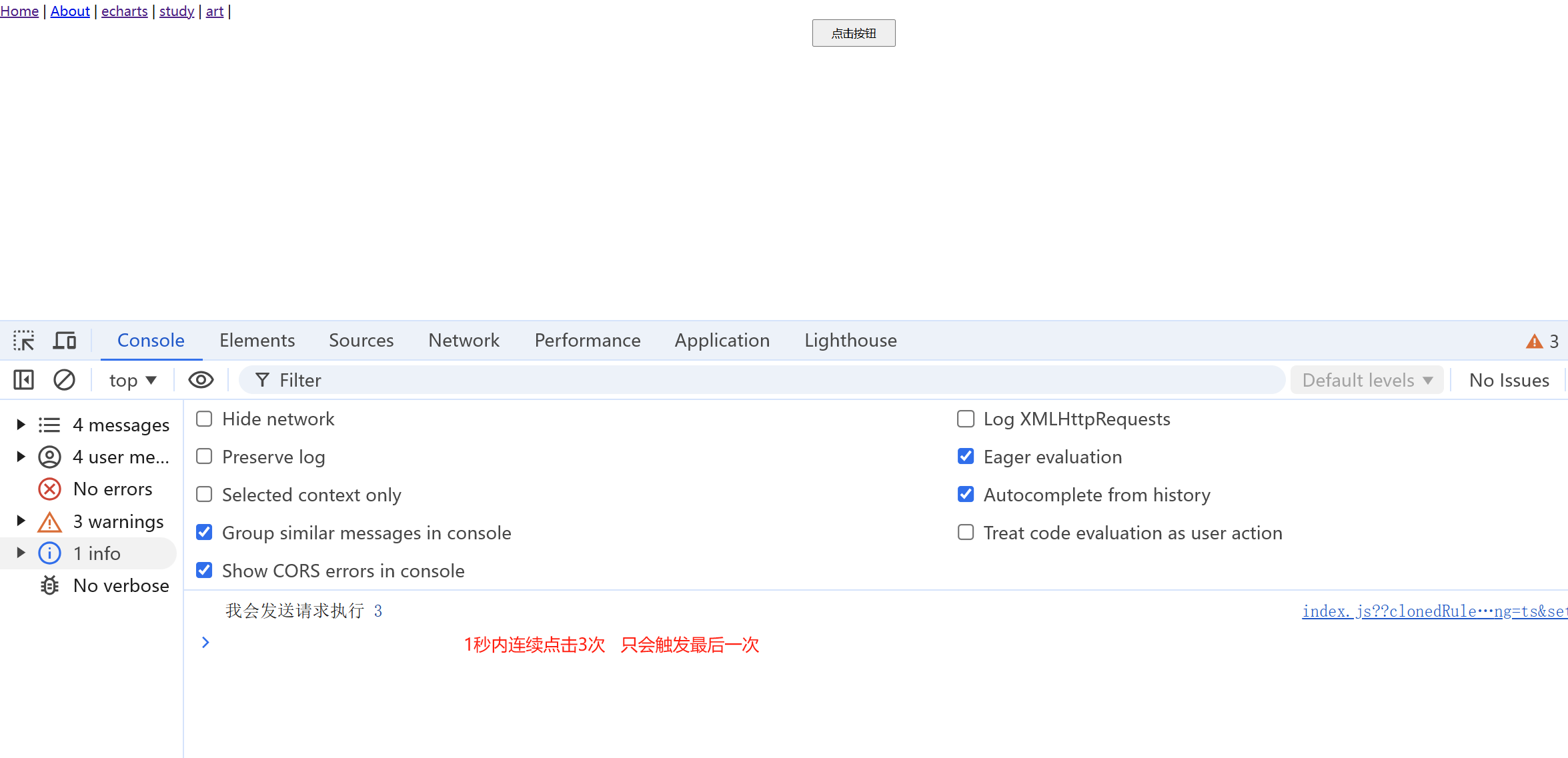
通过上面的图片,我们发现在1s内点击按钮3次
那么请求就会执行3次,这样并不好。
我们只希望触发最后一次请求。
这个时候我们的主角onWatcherCleanup就闪亮登场了。
vue3.5让它只发送一次请求
<template>

  <div class="art-page">

     <button @click="num++">点击按钮</button>

  </div>

</template>

<script lang="ts" setup>

import { onWatcherCleanup, ref, watch } from 'vue';

let num =ref(0)

watch(num, ()=>{

  let timer= setTimeout(function(){

    console.log( '我会发送请求执行', num.value)

  }, 2000)

  //

  onWatcherCleanup(()=>{

    clearTimeout(timer)

  })

})
vue3.5之前的处理办法,使用watch的第3个参数来处理
<template>

  <div class="art-page">

     <button @click="num++">点击按钮</button>

  </div>

</template>

<script lang="ts" setup>

import { onWatcherCleanup, ref, watch } from 'vue';

let num =ref(0)

watch(num, (newValue,oldValue, onCleanup)=>{

  let timer= setTimeout(function(){

    console.log( '我会发送请求执行', num.value)

  }, 2000)

  //

  onCleanup(()=>{

    clearTimeout(timer)

  })

})

</script>
vue3.5保证你看得明明白白的更多相关文章
- Vue3.2中的setup语法糖,保证你看的明明白白!
vue3.2 到底更新了什么? 根据原文内容的更新的内容主要有以下 5 块: 1.SSR:服务端渲染优化.@vue/server-renderer包加了一个ES模块创建, 与Node.js解耦,使在非 ...
- 国庆总结:echarts自定义颜色主题,保证你看的明明白白
为什么需要使用颜色主题 随着用户审美越来越高,不再是过去那样只注重功能. 所以对界面的颜色样式都具有一定的审美要求 此时颜色是否好看就非常重要了 因为人都是视觉动物 对界面的第一印象肯定都是颜色. 如 ...
- vue下一代状态管理Pinia.js 保证你看的明明白白!
1.pinia的简单介绍 Pinia最初是在2019年11月左右重新设计使用Composition API的 Vue 商店外观的实验. 从那时起,最初的原则相同,但 Pinia 适用于 Vue 2 和 ...
- vue混入mixin的使用,保证你看的明明白白!
场景描述 有些时候,我们发现有些组件部分功能代码是几乎是一样的. 这个时候,我们就可以将相同的逻辑代码抽离出来 此时我们的主角混入mixin就登场了 下面我们有a-test和b-test两个组件,点击 ...
- node使用node-xlsx实现excel的下载与导入,保证你看的明明白白
需求简介 很多时候,我们都会有这样一个业务. 将列表中的数据导出为excel. 这样做的目的是为了方便查看,同时可以保存在本地归档. 还可以将导出的Excel后的数据进行加工. node-xlsx 的 ...
- 面试题——20+Vue面试题整理
0.那你能讲一讲MVVM吗? MVVM是Model-View-ViewModel缩写,也就是把MVC中的Controller演变成ViewModel. Model层代表数据模型,View代表UI组件, ...
- ES6 新特性
ECMAScript 6(以下简称ES6)是JavaScript语言的下一代标准.因为当前版本的ES6是在2015年发布的,所以又称ECMAScript 2015. 也就是说,ES6就是ES2015. ...
- 最常用的ES6特性(转)
最常用的ES6特性 let, const, class, extends, super, arrow functions, template string, destructuring, defaul ...
- java 大数据处理类 BigDecimal 解析
这两天,由于我的必修课概率论里经常要用到排列组合的计算,感觉很麻烦,加上现代智能手机的计算器是没有这方面功能的. 所以,就自己动手写了个安卓的 排列组合 计算器,用了一天,发现有很大的问题,阶乘达百亿 ...
- 算法:KMP算法
算法:KMP排序 算法分析 KMP算法是一种快速的模式匹配算法.KMP是三位大师:D.E.Knuth.J.H.Morris和V.R.Pratt同时发现的,所以取首字母组成KMP. 少部分图片来自孤~影 ...
随机推荐
- cmu15545-数据访问方式:B+树(B+Tree)
目录 基本概念 基于磁盘的B+树 查询与索引 设计选择 结点大小(Node Size) 合并阈值(Merge Thredshold) 变长键(Variable-length Keys) 结点内部搜索( ...
- VMware安装教程---------------------以及Windows,Linux,Apple MAC OS系统安装
1.什么是VMware虚拟机 VMware虚拟机是一个虚拟机软件,它可以在一台机器上同时运行多个系统,这些系统包括Windows,Linux,Apple os等. 2.虚拟机有什么用 虚拟机的用处很多 ...
- AtCoder Beginner Contest 380 (A~E)题解
A - 123233 遍历字符串统计出现次数即可. #include<bits/stdc++.h> using namespace std; #define int long long c ...
- CommonsCollections1(基于ysoserial)
准备环境 JDK1.7(7u80).commons-collections(3.x 4.x均可这里使用3.2版本) JDK:https://repo.huaweicloud.com/java/jdk/ ...
- 这些 JavaScript 编码习惯,让你最大程度提高你的项目可维护性!
前言: 因为 JavaScript 语言是一门极其松散.极其自由的语言,这意味着我们可以随心所欲的操作它,这是他的优点,但同时也是它的缺点.在编码过程中,我们需要一种良好的规范或者习惯来保持应用程序的 ...
- 零基础学习人工智能—Python—Pytorch学习(十一)
前言 本文主要介绍tensorboard的使用. tensorboard是一个可视化的,支持人工智能学习的一个工具. tensorboard的官方地址:https://www.tensorflow.o ...
- ChatGPT在功能测试用例生成方面的优势
功能测试是软件测试的非常重要的分类,所有软件系统都要保证功能的正确性,而测试用例则是功能测试的重中之重.测试用例的编写是测试人员必须认真面对的一件耗时费力.枯燥乏味的工作.如何才能快速高效地编写测试用 ...
- day02 计算机组成
day02 计算机组成 1.硬件 计算机硬件是指一些物理装置按照系统结构的要求构成一个有机整体为计算机软件运行提供物质基础 构成最基础的硬件有: CPU 内存 主板 IO设备 2.软件 计算机软件可以 ...
- 【Python】【爬虫】爬虫问题:requests的content和text
爬虫问题:requests的content和text 通常来说,text获取的是Unicode编码的文本数据,content获取的是byte类型的二进制数据,比如获取图片本身.PDF文件之类的,可以用 ...
- 解决用netty去做web服务时,post长度过大的问题
原文地址 http://my.oschina.net/momohuang/blog/114552 先说一下,本来是想自己写socket ,启动一个简单点的web服务用于接收数据的.写完之后,发现会有各 ...