
建立链表的虚拟头结点 203 Remove Linked List Element,82,147,148,237
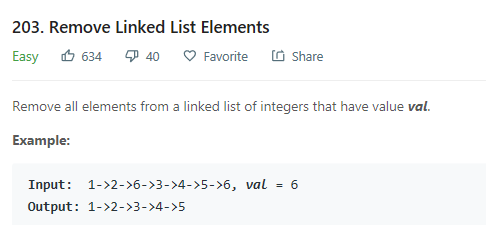
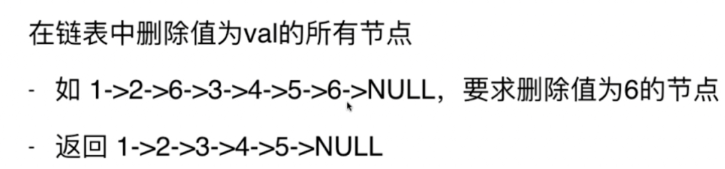

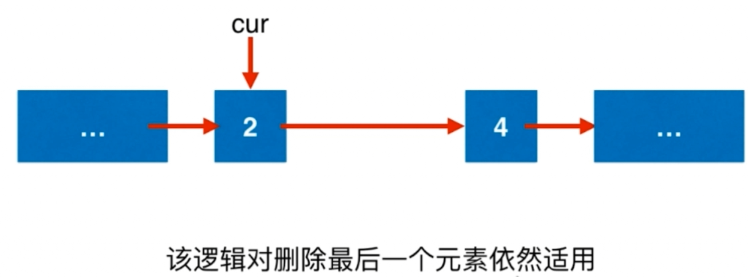
该逻辑对于删除第一个元素不适用。
这样的代码不优美
/**

 * Definition for singly-linked list.

 * struct ListNode {

 *     int val;

 *     ListNode *next;

 *     ListNode(int x) : val(x), next(NULL) {}

 * };

 */

class Solution {

public:

    ListNode* removeElements(ListNode* head, int val) {

        while(head!=NULL && head->val == val){

            ListNode* delNode = head;

            head = delNode ->next;

            delete delNode;

        }

        if(head == NULL)

            return NULL;

        ListNode* cur = head;

        while(cur->next != NULL){

            if(cur->next->val == val){

                //删除

                ListNode* delNode = cur->next;

                cur->next = delNode->next;

                delete delNode;

            }

            else

                cur = cur->next;

        }

        return head;

    }

};
可以设置一个虚拟的头结点:

/**

 * Definition for singly-linked list.

 * struct ListNode {

 *     int val;

 *     ListNode *next;

 *     ListNode(int x) : val(x), next(NULL) {}

 * };

 */

class Solution {

public:

    ListNode* removeElements(ListNode* head, int val) {

        ListNode* dummyHead = new ListNode();

        dummyHead->next = head;

        ListNode* cur = dummyHead;

        while(cur->next != NULL){

            if(cur->next->val == val){

                //删除

                ListNode* delNode = cur->next;

                cur->next = delNode->next;

                delete delNode;

            }

            else

                cur = cur->next;

        }

        ListNode* retNode = dummyHead->next;

        delete dummyHead;

        return retNode;

    }

};

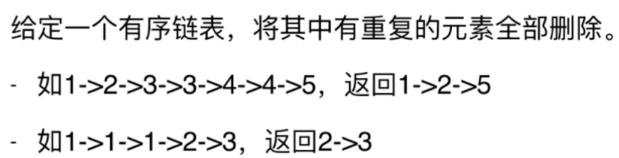
这道题想了好久,原因是要把重复的所有元素都删除,这里设立一个duplicate标志位来记录当前cur是否与下一个结点重复。
/**

 * Definition for singly-linked list.

 * struct ListNode {

 *     int val;

 *     ListNode *next;

 *     ListNode(int x) : val(x), next(NULL) {}

 * };

 */

class Solution {

public:

    ListNode* deleteDuplicates(ListNode* head) {

        ListNode* h = new ListNode(-);

        h->next = head;

        ListNode* pre = h;

        ListNode* cur = head;

        while(cur!=NULL){

            bool duplicate = false;

            while(cur->next!=NULL && cur->val==cur->next->val){

                ListNode* delNode = cur;

                cur = cur->next;

                delete delNode;

                duplicate = true;

            }

            if(duplicate == false){

                pre = cur;

                cur = cur->next;

            }

            else{

                pre->next = cur->next;

                ListNode* delNode = cur;

                cur = cur->next;

                delete delNode;

            }

        }

        return h->next;

    }

};
又重新做了一遍这道题,思路和前面设置标志位记录重复的不太一样。重点在于在两个结点不相同时,需要判断在它们前面是否存在重复的元素,若存在,pre需要跳过这些结点;若不存在,pre直接指向pre->next即cur即可。
/**

 * Definition for singly-linked list.

 * struct ListNode {

 *     int val;

 *     ListNode *next;

 *     ListNode(int x) : val(x), next(NULL) {}

 * };

 */

class Solution {

public:

    ListNode* deleteDuplicates(ListNode* head) {

        if(head == NULL)

            return NULL;

        ListNode dummy();

        dummy.next = head;

        ListNode* pre = &dummy, *cur = head;

        while(cur){

            ListNode* next = cur->next;

            while(next && next->val == cur->val){

                    cur = cur->next;

                    next = next->next;

                }

            if(cur != pre->next){

                cur = next;   //将最后一个重复的跳过

                pre->next = cur;

            }

            else{  //pre和cur之间没有重复的

                pre = cur;

                cur = next;

            }

        }

        return dummy.next;

    }

};
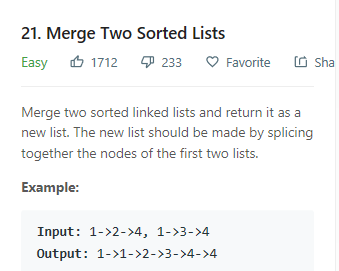
归并两个有序的链表。
/**

 * Definition for singly-linked list.

 * struct ListNode {

 *     int val;

 *     ListNode *next;

 *     ListNode(int x) : val(x), next(NULL) {}

 * };

 */

class Solution {

public:

    ListNode* mergeTwoLists(ListNode* l1, ListNode* l2) {

        ListNode* h = new ListNode(-);

        ListNode* cur = h;

        ListNode* cur1 = l1;

        ListNode* cur2 = l2;

        while(cur1 != NULL && cur2 != NULL){

            if(cur1->val <= cur2->val){

                cur->next = cur1;

                cur1 = cur1->next;

            }

            else{

                cur->next = cur2;

                cur2 = cur2->next;

            }

            cur = cur->next;

        }

        if(cur1 != NULL){

            cur->next = cur1;

        }

        if(cur2 != NULL){

            cur->next = cur2;

        }

        ListNode* ret = h->next;

        delete h;

        return ret;

    }

};


/**

 * Definition for singly-linked list.

 * struct ListNode {

 *     int val;

 *     ListNode *next;

 *     ListNode(int x) : val(x), next(NULL) {}

 * };

 */

class Solution {

public:

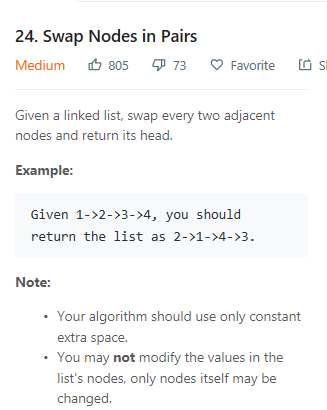
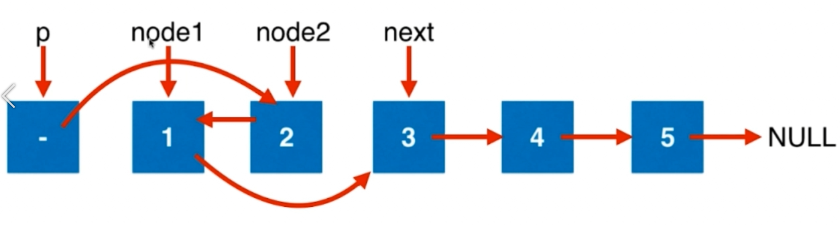
    ListNode* swapPairs(ListNode* head) {

        ListNode* dummyHead = new ListNode();

        dummyHead->next = head;

        ListNode* p = dummyHead;

        while(p->next && p->next->next){

            ListNode* node1 = p->next;

            ListNode* node2 = node1->next;

            ListNode* next = node2->next;

            node2->next = node1;

            node1->next = next;

            p->next = node2;

            p = node1;

        }

        ListNode* ret = dummyHead->next;

        delete dummyHead;

        return ret;

    }

};
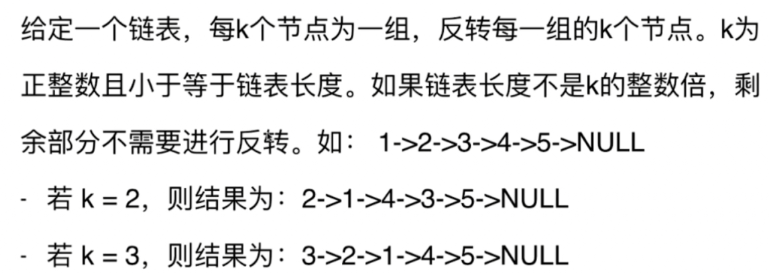
/**

 * Definition for singly-linked list.

 * struct ListNode {

 *     int val;

 *     ListNode *next;

 *     ListNode(int x) : val(x), next(NULL) {}

 * };

 */

class Solution {

public:

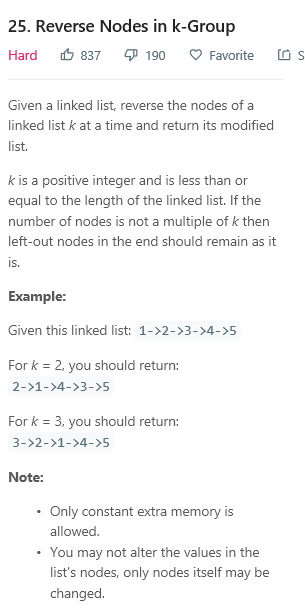
    ListNode* reverseKGroup(ListNode* head, int k) {

        if(!head || k==) return head;

        ListNode* dummy = new ListNode(-);

        ListNode* pre = dummy, *cur = head;

        dummy->next = head;

        int i = ;

        while(cur){

            i++;

            if(i%k == ){

                pre = reverseOneGroup(pre, cur->next);

                cur = pre->next;

            }

            else{

                cur = cur->next;

            }

        }

        return dummy->next;

    }

    ListNode* reverseOneGroup(ListNode* pre, ListNode* next){

        ListNode* last = pre->next;

        ListNode* cur = last->next;

        while(cur!=next)

        {

            last->next = cur->next;

            cur->next = pre->next;   //注意这里是指向pre->next

            pre->next = cur;

            cur = last->next;

        }

        return last;     //返回需要翻转的最后一个元素

    }

};

用链表来实现插入排序。
思路:创建一个辅助的新链表,并且使用一个指针遍历原链表,每次将原链表中的一个节点插入到新链表的合适位置(即该节点的值大于新链表上的节点的值,又小于后一节点的值)。最后将新链表的头部返回即可。
/**

 * Definition for singly-linked list.

 * struct ListNode {

 *     int val;

 *     ListNode *next;

 *     ListNode(int x) : val(x), next(NULL) {}

 * };

 */

class Solution {

public:

    ListNode* insertionSortList(ListNode* head) {

        if(head == NULL || head->next == NULL)

            return head;

        ListNode* pre = new ListNode(-), *ans = pre;   //创建一个新链表的头结点,并用一个临时变量来保存

        ListNode* cur = head;  //cur是原链表的指针

        while(cur != NULL){

            //每次循环前重置pre为头结点,保证每次都从头到尾遍历

            pre = ans;

            while(pre->next != NULL && pre->next->val < cur->val){

                pre = pre->next;

            }

            //此时,pre->next->val大于cur->val,应把cur插入到pre后

            //保存原链表当前节点的下一个节点

            ListNode* tmp = cur->next;

            //插入cur到pre后

            cur->next = pre->next;

            pre->next = cur;

            cur = tmp; //cur在原链表中后移一位

        }

        return ans->next;

    }

};
一样的思路,又写了一遍,创建一个新链表,dummy指向新链表的头结点。扫描原链表,对于每个结点v,从前往后扫描已排序好的结果链表,找到第一个比v大的u结点,将v插入到u之前。
时间复杂度:共遍历n个结点,为每个结点找到合适的位置,最多再遍历n次,所以总的时间复杂度是O(n^2)
/**

 * Definition for singly-linked list.

 * struct ListNode {

 *     int val;

 *     ListNode *next;

 *     ListNode(int x) : val(x), next(NULL) {}

 * };

 */

class Solution {

public:

    ListNode* insertionSortList(ListNode* head) {

        ListNode *dummy = new ListNode(-);   //dummy指向已排序链表的头结点

        while(head){

            ListNode* next = head->next;

            ListNode *p = dummy;

            while(p->next && p->next->val <= head->val)

                p = p -> next;  //p->next指向比head大的第一个结点,则p指向比head小的最后一个结点

            //将head插入到p和p->next之间

            head->next = p->next;

            p->next = head;

            head = next;

        }

        return dummy->next;

    }

};
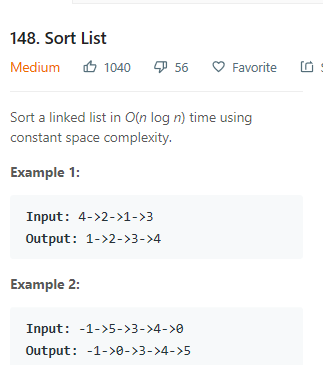
本题适用于归并排序,难点是:怎么样找到分治时的middle指针,采用快慢指针的思想。快指针一次走两步,慢指针一次走一步,当快指针走到头时,慢指针刚好走到中间位置,此位置即为middle的位置。
快慢指针思想:
快慢指针是指指针移动的步长,快指针移动的快,慢指针移动的慢,例如可以让快指针一次移动两个步长,让慢指针一次移动一个步长。
快慢指针有两个比较重要的应用:
1、判断链表是否为单链表
2、在有序链表中寻找中位数
/**

 * Definition for singly-linked list.

 * struct ListNode {

 *     int val;

 *     ListNode *next;

 *     ListNode(int x) : val(x), next(NULL) {}

 * };

 */

class Solution {

public:

    ListNode* sortList(ListNode* head) {

        //将一个链表平分为两个链表

        if(!head || !head->next) return head;

        ListNode* slow = head, *fast = head, *pre = head;

        while(fast && fast->next){

            pre = slow;

            slow = slow->next;

            fast = fast->next->next;

        }

        pre->next = NULL;

        return merge(sortList(head), sortList(slow));

    }

    ListNode* merge(ListNode* l1, ListNode* l2){

        ListNode* dummy = new ListNode(-);

        ListNode* cur = dummy;

        while(l1 && l2){

            if(l1->val < l2->val){

                cur->next = l1;

                l1 = l1->next;

            }

            else{

                cur->next = l2;

                l2 = l2->next;

            }

            cur = cur->next;

        }

        if(l1) cur->next = l1;

        if(l2) cur->next = l2;

        return dummy->next;

    }

};
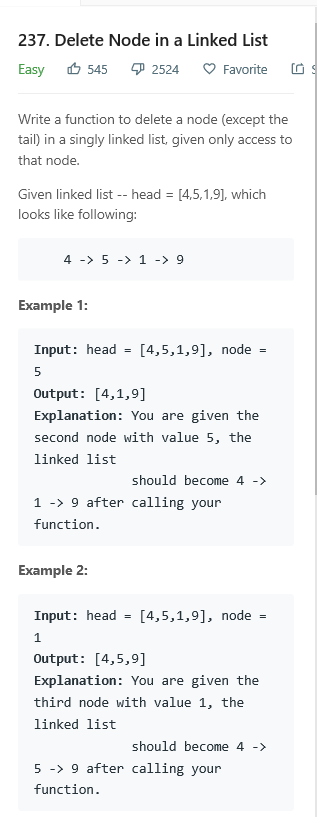
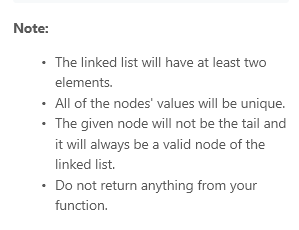
改变节点的值来解决问题。

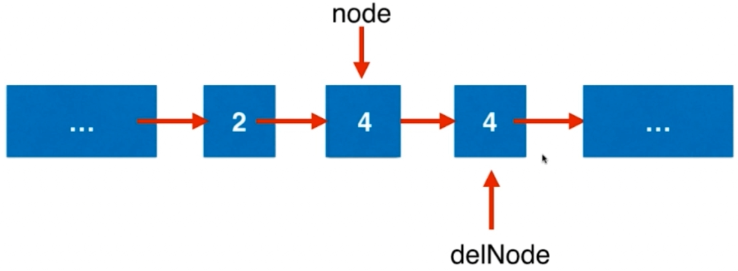
/**

 * Definition for singly-linked list.

 * struct ListNode {

 *     int val;

 *     ListNode *next;

 *     ListNode(int x) : val(x), next(NULL) {}

 * };

 */

class Solution {

public:

    void deleteNode(ListNode* node) {

        if(node == NULL)

            return;

        if(node->next == NULL){

            delete node;

            node = NULL;

            return;

        }

        node->val = node->next->val;

        ListNode* delNode = node->next;

        node->next = delNode->next;

        delete delNode;

        return;

    }

};
建立链表的虚拟头结点 203 Remove Linked List Element,82,147,148,237的更多相关文章
- leetcode 203. Remove Linked List Elements 、83. Remove Duplicates from Sorted List 、82. Remove Duplicates from Sorted List II(剑指offer57 删除链表中重复的结点)
203题是在链表中删除一个固定的值,83题是在链表中删除重复的数值,但要保留一个:82也是删除重复的数值,但重复的都删除,不保留. 比如[1.2.2.3],83题要求的结果是[1.2.3],82题要求 ...
- 单链表在不知头结点的情况下对第i个元素的删除
一.首先,看看单链表中第i个元素的删除: Status ListDelete_L (LinkList &L,int i,ElemType &e){ //在带头结点的单链表L中,删除第i ...
- 203. Remove Linked List Elements - LeetCode
Question 203. Remove Linked List Elements Solution 题目大意:从链表中删除给定的数 思路:遍历链表,如果该节点的值等于给的数就删除该节点,注意首节点 ...
- 203. Remove Linked List Elements【easy】
203. Remove Linked List Elements[easy] Remove all elements from a linked list of integers that have ...
- LeetCode 203. Remove Linked List Elements 移除链表元素 C++/Java
Remove all elements from a linked list of integers that have value val. Example: Input: ->->-& ...
- [刷题] 203 Remove Linked List Elements
要求 在链表中删除值为val的所有节点 示例 如 1->2->3->4->5->6->NULL,要求删除值为6的节点 返回1->2->3->4-& ...
- 【LeetCode】203. Remove Linked List Elements
Remove Linked List Elements Remove all elements from a linked list of integers that have value val. ...
- 【刷题-LeetCode】203. Remove Linked List Elements
Remove Linked List Elements Remove all elements from a linked list of integers that have value *val* ...
- LeetCode 203. Remove Linked List Elements (移除链表中的项)
Remove all elements from a linked list of integers that have value val. ExampleGiven: 1 --> 2 --& ...
随机推荐
- 基于rank的优化
------------------siwuxie095 基于 rank 的优化 基于 size 的优化,在大多数情况下 ...
- Python代码注释
1.单行注释使用# # Code 2.多行注释,成对使用'''或""",三个单撇号或三个双引号 “”” Code “”” 3.多行快捷注释 1).增加注释 选中待注释的多 ...
- Python开发 第一篇 python的前世今生
Python前世今生 python的创始人为吉多·范罗苏姆(Guido van Rossum).1989年的圣诞节期间,吉多·范罗苏姆为了在阿姆斯特丹打发时间,决心开发一个新的脚本解释程序,作为ABC ...
- HTTP文件上传插件开发文档-JSP
版权所有 2009-2016 荆门泽优软件有限公司 保留所有权利 官方网站:http://www.ncmem.com/ 产品首页:http://www.ncmem.com/webplug/http-u ...
- 如何解决某个jar包的依赖冲突问题
我用的是idea集成开发环境,因此以该开发工具讲解. 首先在在Terminal窗口中,键入:mvn dependency:tree -Dincludes=com.google.guava 如果不加-D ...
- aspx 与 ashx cs
1. aspx 与 ashx 我们知道 aspx :继承自 System.Web.UI.Page 然而Page:IHttpHandler public class Page : TemplateCon ...
- 20145218PC平台逆向破解
20145218PC平台逆向破解 实践目标 本次实践的对象是一个名为pwn1的linux可执行文件. 该程序正常执行流程是:main调用foo函数,foo函数会简单回显任何用户输入的字符串. 该程序同 ...
- Canvas保存为图片
public static void GenerateCanvas(string imgSaveName, int canvasWidth, int canvasHeight, string imgD ...
- MQ入门总结(一)消息队列概念和使用场景
一.消息队列 消息即是信息的载体.为了让消息发送者和消息接收者都能够明白消息所承载的信息(消息发送者需要知道如何构造消息:消息接收者需要知道如何解析消息),它们就需要按照一种统一的格式描述消息,这种统 ...
- C#中线程的委托
很多时候写windows程序都需要结合多线程,在C#中用如下得代码来创建并启动一个新的线程. Thread thread = new Thread(new ThreadStart(ThreadProc ...