
Spring MVC内容协商实现原理及自定义配置【享学Spring MVC】
每篇一句
在绝对力量面前,一切技巧都是浮云
前言
上文 介绍了Http内容协商的一些概念,以及Spring MVC内置的4种协商方式使用介绍。本文主要针对Spring MVC内容协商方式:从步骤、原理层面理解,最后达到通过自己来扩展协商方式效果。
首先肯定需要介绍的,那必然就是Spring MVC的默认支持的四大协商策略的原理分析喽:
ContentNegotiationStrategy
该接口就是Spring MVC实现内容协商的策略接口:
// A strategy for resolving the requested media types for a request.

// @since 3.2

@FunctionalInterface

public interface ContentNegotiationStrategy {

	// @since 5.0.5

	List<MediaType> MEDIA_TYPE_ALL_LIST = Collections.singletonList(MediaType.ALL);

	// 将给定的请求解析为媒体类型列表

	// 返回的 List 首先按照 specificity 参数排序,其次按照 quality 参数排序

	// 如果请求的媒体类型不能被解析则抛出 HttpMediaTypeNotAcceptableException 异常

	List<MediaType> resolveMediaTypes(NativeWebRequest webRequest) throws HttpMediaTypeNotAcceptableException;

}
说白了,这个策略接口就是想知道客户端的请求需要什么类型(MediaType)的数据List。从 上文 我们知道Spring MVC它支持了4种不同的协商机制,它都和此策略接口相关的。
它的继承树:
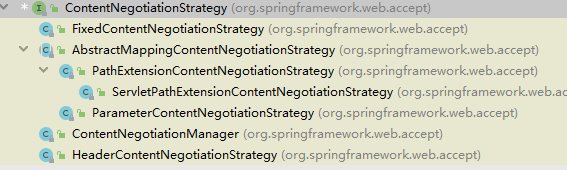
从实现类的名字上就能看出它和上文提到的4种方式恰好是一一对应着的(ContentNegotiationManager除外)。
Spring MVC默认加载两个该策略接口的实现类:
ServletPathExtensionContentNegotiationStrategy-->根据文件扩展名(支持RESTful)。
HeaderContentNegotiationStrategy-->根据HTTP Header里的Accept字段(支持Http)。
HeaderContentNegotiationStrategy
Accept Header解析:它根据请求头Accept来协商。
public class HeaderContentNegotiationStrategy implements ContentNegotiationStrategy {

	@Override

	public List<MediaType> resolveMediaTypes(NativeWebRequest request) throws HttpMediaTypeNotAcceptableException {

		// 我的Chrome浏览器值是:[text/html,application/xhtml+xml,application/xml;q=0.9,image/webp,image/apng,*/*;q=0.8,application/signed-exchange;v=b3]

		// postman的值是:[*/*]

		String[] headerValueArray = request.getHeaderValues(HttpHeaders.ACCEPT);

		if (headerValueArray == null) {

			return MEDIA_TYPE_ALL_LIST;

		}

		List<String> headerValues = Arrays.asList(headerValueArray);

		try {

			List<MediaType> mediaTypes = MediaType.parseMediaTypes(headerValues);

			// 排序

			MediaType.sortBySpecificityAndQuality(mediaTypes);

			// 最后Chrome浏览器的List如下:

			// 0 = {MediaType@6205} "text/html"

			// 1 = {MediaType@6206} "application/xhtml+xml"

			// 2 = {MediaType@6207} "image/webp"

			// 3 = {MediaType@6208} "image/apng"

			// 4 = {MediaType@6209} "application/signed-exchange;v=b3"

			// 5 = {MediaType@6210} "application/xml;q=0.9"

			// 6 = {MediaType@6211} "*/*;q=0.8"

			return !CollectionUtils.isEmpty(mediaTypes) ? mediaTypes : MEDIA_TYPE_ALL_LIST;

		} catch (InvalidMediaTypeException ex) {

			throw new HttpMediaTypeNotAcceptableException("Could not parse 'Accept' header " + headerValues + ": " + ex.getMessage());

		}

	}

}
可以看到,如果没有传递Accept,则默认使用MediaType.ALL 也就是*/*
AbstractMappingContentNegotiationStrategy
通过file extension/query param来协商的抽象实现类。在了解它之前,有必要先插队先了解MediaTypeFileExtensionResolver它的作用:
MediaTypeFileExtensionResolver:MediaType和路径扩展名解析策略的接口,例如将 .json 解析成 application/json 或者反向解析
// @since 3.2

public interface MediaTypeFileExtensionResolver {

	// 根据指定的mediaType返回一组文件扩展名

	List<String> resolveFileExtensions(MediaType mediaType);

	// 返回该接口注册进来的所有的扩展名

	List<String> getAllFileExtensions();

}
继承树如下:
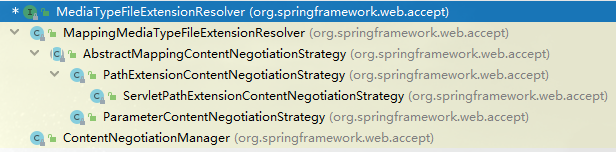
显然,本处只需要讲解它的直接实现子类MappingMediaTypeFileExtensionResolver即可:
MappingMediaTypeFileExtensionResolver
public class MappingMediaTypeFileExtensionResolver implements MediaTypeFileExtensionResolver {

	// key是lowerCaseExtension,value是对应的mediaType

	private final ConcurrentMap<String, MediaType> mediaTypes = new ConcurrentHashMap<>(64);

	// 和上面相反,key是mediaType,value是lowerCaseExtension(显然用的是多值map)

	private final MultiValueMap<MediaType, String> fileExtensions = new LinkedMultiValueMap<>();

	// 所有的扩展名(List非set哦~)

	private final List<String> allFileExtensions = new ArrayList<>();

	...

	public Map<String, MediaType> getMediaTypes() {

		return this.mediaTypes;

	}

	// protected 方法

	protected List<MediaType> getAllMediaTypes() {

		return new ArrayList<>(this.mediaTypes.values());

	}

	// 给extension添加一个对应的mediaType

	// 采用ConcurrentMap是为了避免出现并发情况下导致的一致性问题

	protected void addMapping(String extension, MediaType mediaType) {

		MediaType previous = this.mediaTypes.putIfAbsent(extension, mediaType);

		if (previous == null) {

			this.fileExtensions.add(mediaType, extension);

			this.allFileExtensions.add(extension);

		}

	}

	// 接口方法:拿到指定的mediaType对应的扩展名们~

	@Override

	public List<String> resolveFileExtensions(MediaType mediaType) {

		List<String> fileExtensions = this.fileExtensions.get(mediaType);

		return (fileExtensions != null ? fileExtensions : Collections.emptyList());

	}

	@Override

	public List<String> getAllFileExtensions() {

		return Collections.unmodifiableList(this.allFileExtensions);

	}

	// protected 方法:根据扩展名找到一个MediaType~(当然可能是找不到的)

	@Nullable

	protected MediaType lookupMediaType(String extension) {

		return this.mediaTypes.get(extension.toLowerCase(Locale.ENGLISH));

	}

}
此抽象类维护一些Map以及提供操作的方法,它维护了一个文件扩展名和MediaType的双向查找表。扩展名和MediaType的对应关系:
- 一个
MediaType对应N个扩展名 - 一个扩展名最多只会属于一个MediaType~
继续回到AbstractMappingContentNegotiationStrategy。
// @since 3.2 它是个协商策略抽象实现,同时也有了扩展名+MediaType对应关系的能力

public abstract class AbstractMappingContentNegotiationStrategy extends MappingMediaTypeFileExtensionResolver implements ContentNegotiationStrategy {

	// Whether to only use the registered mappings to look up file extensions,

	// or also to use dynamic resolution (e.g. via {@link MediaTypeFactory}.

	// org.springframework.http.MediaTypeFactory是Spring5.0提供的一个工厂类

	// 它会读取/org/springframework/http/mime.types这个文件,里面有记录着对应关系

	private boolean useRegisteredExtensionsOnly = false;

	// Whether to ignore requests with unknown file extension. Setting this to

	// 默认false:若认识不认识的扩展名,抛出异常:HttpMediaTypeNotAcceptableException

	private boolean ignoreUnknownExtensions = false;

	// 唯一构造函数

	public AbstractMappingContentNegotiationStrategy(@Nullable Map<String, MediaType> mediaTypes) {

		super(mediaTypes);

	}

	// 实现策略接口方法

	@Override

	public List<MediaType> resolveMediaTypes(NativeWebRequest webRequest) throws HttpMediaTypeNotAcceptableException {

		// getMediaTypeKey:抽象方法(让子类把扩展名这个key提供出来)

		return resolveMediaTypeKey(webRequest, getMediaTypeKey(webRequest));

	}

	public List<MediaType> resolveMediaTypeKey(NativeWebRequest webRequest, @Nullable String key) throws HttpMediaTypeNotAcceptableException {

		if (StringUtils.hasText(key)) {

			// 调用父类方法:根据key去查找出一个MediaType出来

			MediaType mediaType = lookupMediaType(key);

			// 找到了就return就成(handleMatch是protected的空方法~~~  子类目前没有实现的)

			if (mediaType != null) {

				handleMatch(key, mediaType); // 回调

				return Collections.singletonList(mediaType);

			}

			// 若没有对应的MediaType,交给handleNoMatch处理(默认是抛出异常,见下面)

			// 注意:handleNoMatch如果通过工厂找到了,那就addMapping()保存起来(相当于注册上去)

			mediaType = handleNoMatch(webRequest, key);

			if (mediaType != null) {

				addMapping(key, mediaType);

				return Collections.singletonList(mediaType);

			}

		}

		return MEDIA_TYPE_ALL_LIST; // 默认值:所有

	}

	// 此方法子类ServletPathExtensionContentNegotiationStrategy有复写

	@Nullable

	protected MediaType handleNoMatch(NativeWebRequest request, String key) throws HttpMediaTypeNotAcceptableException {

		// 若不是仅仅从注册里的拿,那就再去MediaTypeFactory里看看~~~  找到了就返回

		if (!isUseRegisteredExtensionsOnly()) {

			Optional<MediaType> mediaType = MediaTypeFactory.getMediaType("file." + key);

			if (mediaType.isPresent()) {

				return mediaType.get();

			}

		}

		// 忽略找不到,返回null吧  否则抛出异常:HttpMediaTypeNotAcceptableException

		if (isIgnoreUnknownExtensions()) {

			return null;

		}

		throw new HttpMediaTypeNotAcceptableException(getAllMediaTypes());

	}

}
该抽象类实现了模版处理流程。
由子类去决定:你的扩展名是来自于URL的参数还是来自于path...
ParameterContentNegotiationStrategy
上面抽象类的子类具体实现,从名字中能看出扩展名来自于param参数。
public class ParameterContentNegotiationStrategy extends AbstractMappingContentNegotiationStrategy {

	// 请求参数默认的key是format,你是可以设置和更改的。(set方法)

	private String parameterName = "format";

	// 唯一构造

	public ParameterContentNegotiationStrategy(Map<String, MediaType> mediaTypes) {

		super(mediaTypes);

	}

	... // 生路get/set

	// 小Tips:这里调用的是getParameterName()而不是直接用属性名,以后建议大家设计框架也都这么使用 虽然很多时候效果是一样的,但更符合使用规范

	@Override

	@Nullable

	protected String getMediaTypeKey(NativeWebRequest request) {

		return request.getParameter(getParameterName());

	}

}
根据一个查询参数(query parameter)判断请求的MediaType,该查询参数缺省使用format。
需要注意的是:基于param的此策略
Spring MVC虽然支持,但默认是木有开启的,若想使用需要手动显示开启
PathExtensionContentNegotiationStrategy
它的扩展名需要从Path里面分析出来。
public class PathExtensionContentNegotiationStrategy extends AbstractMappingContentNegotiationStrategy {

	private UrlPathHelper urlPathHelper = new UrlPathHelper();

	// 它额外提供了一个空构造

	public PathExtensionContentNegotiationStrategy() {

		this(null);

	}

	// 有参构造

	public PathExtensionContentNegotiationStrategy(@Nullable Map<String, MediaType> mediaTypes) {

		super(mediaTypes);

		setUseRegisteredExtensionsOnly(false);

		setIgnoreUnknownExtensions(true); // 注意:这个值设置为了true

		this.urlPathHelper.setUrlDecode(false); // 不需要解码(url请勿有中文)

	}

	// @since 4.2.8  可见Spring MVC允许你自己定义解析的逻辑

	public void setUrlPathHelper(UrlPathHelper urlPathHelper) {

		this.urlPathHelper = urlPathHelper;

	}

	@Override

	@Nullable

	protected String getMediaTypeKey(NativeWebRequest webRequest) {

		HttpServletRequest request = webRequest.getNativeRequest(HttpServletRequest.class);

		if (request == null) {

			return null;

		}

		// 借助urlPathHelper、UriUtils从URL中把扩展名解析出来

		String path = this.urlPathHelper.getLookupPathForRequest(request);

		String extension = UriUtils.extractFileExtension(path);

		return (StringUtils.hasText(extension) ? extension.toLowerCase(Locale.ENGLISH) : null);

	}

	// 子类ServletPathExtensionContentNegotiationStrategy有使用和复写

	// 它的作用是面向Resource找到这个资源对应的MediaType ~

	@Nullable

	public MediaType getMediaTypeForResource(Resource resource) { ... }

}
根据请求URL路径中所请求的文件资源的扩展名部分判断请求的MediaType(借助UrlPathHelper和UriUtils解析URL)。
ServletPathExtensionContentNegotiationStrategy
它是对PathExtensionContentNegotiationStrategy的扩展,和Servlet容器有关了。因为Servlet额外提供了这个方法:ServletContext#getMimeType(String)来处理文件的扩展名问题。
public class ServletPathExtensionContentNegotiationStrategy extends PathExtensionContentNegotiationStrategy {

	private final ServletContext servletContext;

	... // 省略构造函数

	// 一句话:在去工厂找之前,先去this.servletContext.getMimeType("file." + extension)这里找一下,找到就直接返回。否则再进工厂

	@Override

	@Nullable

	protected MediaType handleNoMatch(NativeWebRequest webRequest, String extension) throws HttpMediaTypeNotAcceptableException { ... }

	//  一样的:先this.servletContext.getMimeType(resource.getFilename()) 再交给父类处理

	@Override

	public MediaType getMediaTypeForResource(Resource resource) { ... }

	// 两者调用父类的条件都是:mediaType == null || MediaType.APPLICATION_OCTET_STREAM.equals(mediaType)

}
说明:ServletPathExtensionContentNegotiationStrategy是Spring MVC默认就开启支持的策略,无需手动开启。
FixedContentNegotiationStrategy
固定类型解析:返回固定的MediaType。
public class FixedContentNegotiationStrategy implements ContentNegotiationStrategy {

	private final List<MediaType> contentTypes;

	// 构造函数:必须指定MediaType

	// 一般通过@RequestMapping.produces这个注解属性指定(可指定多个)

	public FixedContentNegotiationStrategy(MediaType contentType) {

		this(Collections.singletonList(contentType));

	}

	// @since 5.0

	public FixedContentNegotiationStrategy(List<MediaType> contentTypes) {

		this.contentTypes = Collections.unmodifiableList(contentTypes);

	}

}
固定参数类型非常简单,构造函数传进来啥返回啥(不能为null)。
ContentNegotiationManager
介绍完了上面4中协商策略,开始介绍这个协商"容器"。
这个管理器它的作用特别像之前讲述的xxxComposite这种“容器”管理类,总体思想是管理、委托,有了之前的基础了解起他还是非常简单的了。
//  它不仅管理一堆strategies(List),还管理一堆resolvers(Set)

public class ContentNegotiationManager implements ContentNegotiationStrategy, MediaTypeFileExtensionResolver {

	private final List<ContentNegotiationStrategy> strategies = new ArrayList<>();

	private final Set<MediaTypeFileExtensionResolver> resolvers = new LinkedHashSet<>();

	...

	// 若没特殊指定,至少是包含了这一种的策略的:HeaderContentNegotiationStrategy

	public ContentNegotiationManager() {

		this(new HeaderContentNegotiationStrategy());

	}

	... // 因为比较简单,所以省略其它代码

}
它是一个ContentNegotiationStrategy容器,同时也是一个MediaTypeFileExtensionResolver容器。自身同时实现了这两个接口。
ContentNegotiationManagerFactoryBean
顾名思义,它是专门用于来创建一个ContentNegotiationManager的FactoryBean。
// @since 3.2  还实现了ServletContextAware,可以得到当前servlet容器上下文

public class ContentNegotiationManagerFactoryBean implements FactoryBean<ContentNegotiationManager>, ServletContextAware, InitializingBean {

	// 默认就是开启了对后缀的支持的

	private boolean favorPathExtension = true;

	// 默认没有开启对param的支持

	private boolean favorParameter = false;

	// 默认也是开启了对Accept的支持的

	private boolean ignoreAcceptHeader = false;

	private Map<String, MediaType> mediaTypes = new HashMap<String, MediaType>();

	private boolean ignoreUnknownPathExtensions = true;

	// Jaf是一个数据处理框架,可忽略

	private Boolean useJaf;

	private String parameterName = "format";

	private ContentNegotiationStrategy defaultNegotiationStrategy;

	private ContentNegotiationManager contentNegotiationManager;

	private ServletContext servletContext;

	... // 省略普通的get/set

	// 注意这里传入的是:Properties  表示后缀和MediaType的对应关系

	public void setMediaTypes(Properties mediaTypes) {

		if (!CollectionUtils.isEmpty(mediaTypes)) {

			for (Entry<Object, Object> entry : mediaTypes.entrySet()) {

				String extension = ((String)entry.getKey()).toLowerCase(Locale.ENGLISH);

				MediaType mediaType = MediaType.valueOf((String) entry.getValue());

				this.mediaTypes.put(extension, mediaType);

			}

		}

	}

	public void addMediaType(String fileExtension, MediaType mediaType) {

		this.mediaTypes.put(fileExtension, mediaType);

	}

	...

	// 这里面处理了很多默认逻辑

	@Override

	public void afterPropertiesSet() {

		List<ContentNegotiationStrategy> strategies = new ArrayList<ContentNegotiationStrategy>();

		// 默认favorPathExtension=true,所以是支持path后缀模式的

		// servlet环境使用的是ServletPathExtensionContentNegotiationStrategy,否则使用的是PathExtensionContentNegotiationStrategy

		//

		if (this.favorPathExtension) {

			PathExtensionContentNegotiationStrategy strategy;

			if (this.servletContext != null && !isUseJafTurnedOff()) {

				strategy = new ServletPathExtensionContentNegotiationStrategy(this.servletContext, this.mediaTypes);

			} else {

				strategy = new PathExtensionContentNegotiationStrategy(this.mediaTypes);

			}

			strategy.setIgnoreUnknownExtensions(this.ignoreUnknownPathExtensions);

			if (this.useJaf != null) {

				strategy.setUseJaf(this.useJaf);

			}

			strategies.add(strategy);

		}

		// 默认favorParameter=false 木有开启滴

		if (this.favorParameter) {

			ParameterContentNegotiationStrategy strategy = new ParameterContentNegotiationStrategy(this.mediaTypes);

			strategy.setParameterName(this.parameterName);

			strategies.add(strategy);

		}

		// 注意这前面有个!,所以默认Accept也是支持的

		if (!this.ignoreAcceptHeader) {

			strategies.add(new HeaderContentNegotiationStrategy());

		}

		// 若你喜欢,你可以设置一个defaultNegotiationStrategy  最终也会被add进去

		if (this.defaultNegotiationStrategy != null) {

			strategies.add(this.defaultNegotiationStrategy);

		}

		// 这部分我需要提醒注意的是:这里使用的是ArrayList,所以你add的顺序就是u最后的执行顺序

		// 所以若你指定了defaultNegotiationStrategy,它也是放到最后的

		this.contentNegotiationManager = new ContentNegotiationManager(strategies);

	}

	// 三个接口方法

	@Override

	public ContentNegotiationManager getObject() {

		return this.contentNegotiationManager;

	}

	@Override

	public Class<?> getObjectType() {

		return ContentNegotiationManager.class;

	}

	@Override

	public boolean isSingleton() {

		return true;

	}

}
这里解释了 该文 的顺序(后缀 > 请求参数 > HTTP首部Accept)现象。Spring MVC是通过它来创建ContentNegotiationManager进而管理协商策略的。
内容协商的配置:ContentNegotiationConfigurer
虽然说默认情况下Spring开启的协商支持能覆盖我们绝大部分应用场景了,但不乏有的时候我们也还是需要对它进行个性化的,那么这部分就讲解下对它的个性化配置~
ContentNegotiationConfigurer
它用于"收集"配置项,根据你提供的配置项来创建出一个ContentNegotiationManager。
public class ContentNegotiationConfigurer {

	private final ContentNegotiationManagerFactoryBean factory = new ContentNegotiationManagerFactoryBean();

	private final Map<String, MediaType> mediaTypes = new HashMap<String, MediaType>();

	public ContentNegotiationConfigurer(@Nullable ServletContext servletContext) {

		if (servletContext != null) {

			this.factory.setServletContext(servletContext);

		}

	}

	// @since 5.0

	public void strategies(@Nullable List<ContentNegotiationStrategy> strategies) {

		this.factory.setStrategies(strategies);

	}

	...

	public ContentNegotiationConfigurer defaultContentTypeStrategy(ContentNegotiationStrategy defaultStrategy) {

		this.factory.setDefaultContentTypeStrategy(defaultStrategy);

		return this;

	}

	// 手动创建出一个ContentNegotiationManager 此方法是protected

	// 唯一调用处是:WebMvcConfigurationSupport

	protected ContentNegotiationManager buildContentNegotiationManager() {

		this.factory.addMediaTypes(this.mediaTypes);

		return this.factory.build();

	}

}
ContentNegotiationConfigurer可以认为是提供一个设置ContentNegotiationManagerFactoryBean的入口(自己内容new了一个它的实例),最终交给WebMvcConfigurationSupport向容器内注册这个Bean:
public class WebMvcConfigurationSupport implements ApplicationContextAware, ServletContextAware {

	...

	// 请注意是BeanName为:mvcContentNegotiationManager

	// 若实在有需要,你是可以覆盖的~~~~

	@Bean

	public ContentNegotiationManager mvcContentNegotiationManager() {

		if (this.contentNegotiationManager == null) {

			ContentNegotiationConfigurer configurer = new ContentNegotiationConfigurer(this.servletContext);

			configurer.mediaTypes(getDefaultMediaTypes()); // 服务端默认支持的后缀名-->MediaType们~~~

			// 这个方法就是回调我们自定义配置的protected方法~~~~

			configureContentNegotiation(configurer);

			// 调用方法生成一个管理器

			this.contentNegotiationManager = configurer.buildContentNegotiationManager();

		}

		return this.contentNegotiationManager;

	}

	// 默认支持的协商MediaType们~~~~

	protected Map<String, MediaType> getDefaultMediaTypes() {

		Map<String, MediaType> map = new HashMap<>(4);

		// 几乎不用

		if (romePresent) {

			map.put("atom", MediaType.APPLICATION_ATOM_XML);

			map.put("rss", MediaType.APPLICATION_RSS_XML);

		}

		// 若导了jackson对xml支持的包,它就会被支持

		if (jaxb2Present || jackson2XmlPresent) {

			map.put("xml", MediaType.APPLICATION_XML);

		}

		// jackson.databind就支持json了,所以此处一般都是满足的

		// 额外还支持到了gson和jsonb。希望不久将来内置支持fastjson

		if (jackson2Present || gsonPresent || jsonbPresent) {

			map.put("json", MediaType.APPLICATION_JSON);

		}

		if (jackson2SmilePresent) {

			map.put("smile", MediaType.valueOf("application/x-jackson-smile"));

		}

		if (jackson2CborPresent) {

			map.put("cbor", MediaType.valueOf("application/cbor"));

		}

		return map;

	}

	...

}
Tips:
WebMvcConfigurationSupport是@EnableWebMvc导进去的。
配置实践
有了上面理论的支撑,那么使用Spring MVC协商的最佳实践配置可参考如下(大多数情况下都无需配置):
@Configuration

@EnableWebMvc

public class WebMvcConfig extends WebMvcConfigurerAdapter {

    @Override

    public void configureContentNegotiation(ContentNegotiationConfigurer configurer) {

        configurer.favorParameter(true)

        //.parameterName("mediaType")

        //.defaultContentTypeStrategy(new ...) // 自定义一个默认的内容协商策略

        //.ignoreAcceptHeader(true) // 禁用Accept协商方式

        //.defaultContentType(MediaType.APPLICATION_JSON) // 它的效果是new FixedContentNegotiationStrategy(contentTypes)  增加了对固定策略的支

        //.strategies(list);

        //.useRegisteredExtensionsOnly() //PathExtensionContentNegotiationStrategy.setUseRegisteredExtensionsOnly(this.useRegisteredExtensionsOnly);

        ;

    }

}
总结
本文从原理上分析了Spring MVC对内容协商策略的管理、使用以及开放的配置,旨在做到心中有数,从而更好、更安全、更方便的进行扩展,对下文内容协商视图的理解有非常大的帮助作用,有兴趣的可持续关注~
相关阅读
ContentNegotiation内容协商机制(一)---Spring MVC内置支持的4种内容协商方式【享学Spring MVC】
ContentNegotiation内容协商机制(二)---Spring MVC内容协商实现原理及自定义配置【享学Spring MVC】
ContentNegotiation内容协商机制(三)---在视图View上的应用:ContentNegotiatingViewResolver深度解析【享学Spring MVC】
知识交流
The last:如果觉得本文对你有帮助,不妨点个赞呗。当然分享到你的朋友圈让更多小伙伴看到也是被作者本人许可的~
若对技术内容感兴趣可以加入wx群交流:Java高工、架构师3群。
若群二维码失效,请加wx号:fsx641385712(或者扫描下方wx二维码)。并且备注:"java入群" 字样,会手动邀请入群
若对Spring、SpringBoot、MyBatis等源码分析感兴趣,可加我wx:fsx641385712,手动邀请你入群一起飞
Spring MVC内容协商实现原理及自定义配置【享学Spring MVC】的更多相关文章
- Spring MVC内置支持的4种内容协商方式【享学Spring MVC】
每篇一句 十个光头九个富,最后一个会砍树 前言 不知你在使用Spring Boot时是否对这样一个现象"诧异"过:同一个接口(同一个URL)在接口报错情况下,若你用rest访问,它 ...
- 内容协商在视图View上的应用【享学Spring MVC】
每篇一句 人生很有意思:首先就得活得长.活得长才能够见自己,再长就可以见众生 前言 在经过 前两篇 文章了解了Spring MVC的内容协商机制之后,相信你已经能够熟练的运用Spring MVC提供的 ...
- HandlerMethodArgumentResolver(二):Map参数类型和固定参数类型【享学Spring MVC】
每篇一句 黄金的导电性最好,为什么电脑主板还是要用铜? 飞机最快,为什么还有人做火车? 清华大学最好,为什么还有人去普通学校? 因为资源都是有限的,我们现实生活中必须兼顾成本与产出的平衡 前言 上文 ...
- 从原理层面掌握@InitBinder的使用【享学Spring MVC】
每篇一句 大魔王张怡宁:女儿,这堆金牌你拿去玩吧,但我的银牌不能给你玩.你要想玩银牌就去找你王浩叔叔吧,他那银牌多 前言 为了讲述好Spring MVC最为复杂的数据绑定这块,我前面可谓是做足了功课, ...
- RestTemplate的使用和原理你都烂熟于胸了吗?【享学Spring MVC】
每篇一句 人圆月圆心圆,人和家和国和---中秋节快乐 前言 在阅读本篇之前,建议先阅读开山篇效果更佳.RestTemplate是Spring提供的用于访问Rest服务的客户端工具,它提供了多种便捷访问 ...
- 让Spring Boot项目启动时可以根据自定义配置决定初始化哪些Bean
让Spring Boot项目启动时可以根据自定义配置决定初始化哪些Bean 问题描述 实现思路 思路一 [不符合要求] 思路二[满足要求] 思路三[未试验] 问题描述 目前我工作环境下,后端主要的框架 ...
- RestTemplate相关组件:ClientHttpRequestInterceptor【享学Spring MVC】
每篇一句 做事的人和做梦的人最大的区别就是行动力 前言 本文为深入了解Spring提供的Rest调用客户端RestTemplate开山,对它相关的一些组件做讲解. Tips:请注意区分RestTemp ...
- HandlerMethodArgumentResolver(三):基于消息转换器的参数处理器【享学Spring MVC】
每篇一句 一个事实是:对于大多数技术,了解只需要一天,简单搞起来只需要一周.入门可能只需要一个月 前言 通过 前面两篇文章 的介绍,相信你对HandlerMethodArgumentResolver了 ...
- HandlerMethodArgumentResolver(一):Controller方法入参自动封装器【享学Spring MVC】
每篇一句 你的工作效率高,老板会认为你强度不够.你代码bug多,各种生产环境救火,老板会觉得你是团队的核心成员. 前言 在享受Spring MVC带给你便捷的时候,你是否曾经这样疑问过:Control ...
随机推荐
- 推荐 2 款超牛逼、炫酷、实用的Docker管理工具!
Docker技术的火热程度,想必每个互联网IT技术人员都能时时感受的到,的确,近些年,国内对于Docker容器技术的应用需求越来越强烈!! 人均年薪80万以上,docker到底是什么?为什么这么火? ...
- 不同版本2.5的Servlet web.xml 头信息
<?xml version="1.0" encoding="UTF-8"?> <web-app version="2.5" ...
- js - 使用jquery发送前台请求给服务器,并显示数据
1.使用jquery发送前台请求给服务器,并显示数据 <%@ page contentType="text/html;charset=UTF-8" language=&quo ...
- 7kyu (难度系数kyu阶段数值越大难度越低) 数组分组及求和
几个人排成一排,分成两队.第一个人进入一队,第二个人进入第二队,第三个人进入第一队,以此类推. 给定一个正整数的数组(人的权重),返回两个整数的新数组/元组,其中第一个是第1组的总重量,第二个是第2组 ...
- JavaScript的面向对象原理之原型链
二.JavaScript的对象 为了能够清楚的解释这一切,我先从对象讲起.从其他面向对象语言(如Java)而来的人可能认为在JS里的对象也是由类来实例化出来的,并且是由属性和方法组成的. 实际上在JS ...
- Deque 和Queue
概述 接口,一个线性结合,支持在集合首尾add , remove , deque 是double ended queue 的缩写,意味双端队列,接口提供的方法有两种类型,如果失败,一种抛出异常,一种 ...
- TCP queue 的一些问题
转自Jasey Wang的blog,原文地址 首先回顾下三次握手里面涉及到的问题: 当 client 通过 connect 向 server 发出 SYN 包时,client 会维护一个 socket ...
- Flutter学习笔记(13)--表单组件
如需转载,请注明出处:Flutter学习笔记(13)--表单组件 表单组件是个包含表单元素的区域,表单元素允许用户输入内容,比如:文本区域,下拉表单,单选框.复选框等,常见的应用场景有:登陆.注册.输 ...
- Js面向对象原型~构造函数
脑袋一团浆糊,但希望写点啥,所有就有了这篇博文了,抱歉哦....开始吧!!!! 什么是构造函数?? 所谓"构造函数",其实就是一个普通函数,但是内部使用了this变量.对构造 ...
- Java几种常见的排序算法
一.所谓排序,就是使一串记录,按照其中的某个或某些关键字的大小,递增或递减的排列起来的操作.排序算法,就是如何使得记录按照要求排列的方法.排序算法在很多领域得到相当地重视,尤其是在大量数据的处理方面. ...