
java的多线程是如何实现的?和操作系统有什么关系?
本文是作者原创,版权归作者所有.若要转载,请注明出处.本文只贴我觉得比较重要的源码,其他不重要非关键的就不贴了
本文操作系统是centos7
1.查看 pthread_create 函数显示及其示例
man pthread_create

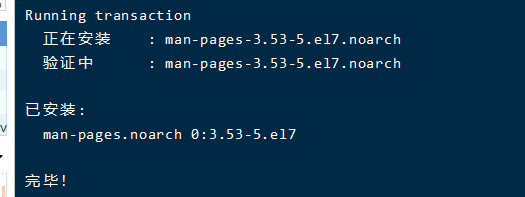
2.cengos下安装man手册命令:
yum install man-pages -y
3.重新查看 pthread_create 函数显示及其示例
man pthread_create
如下图
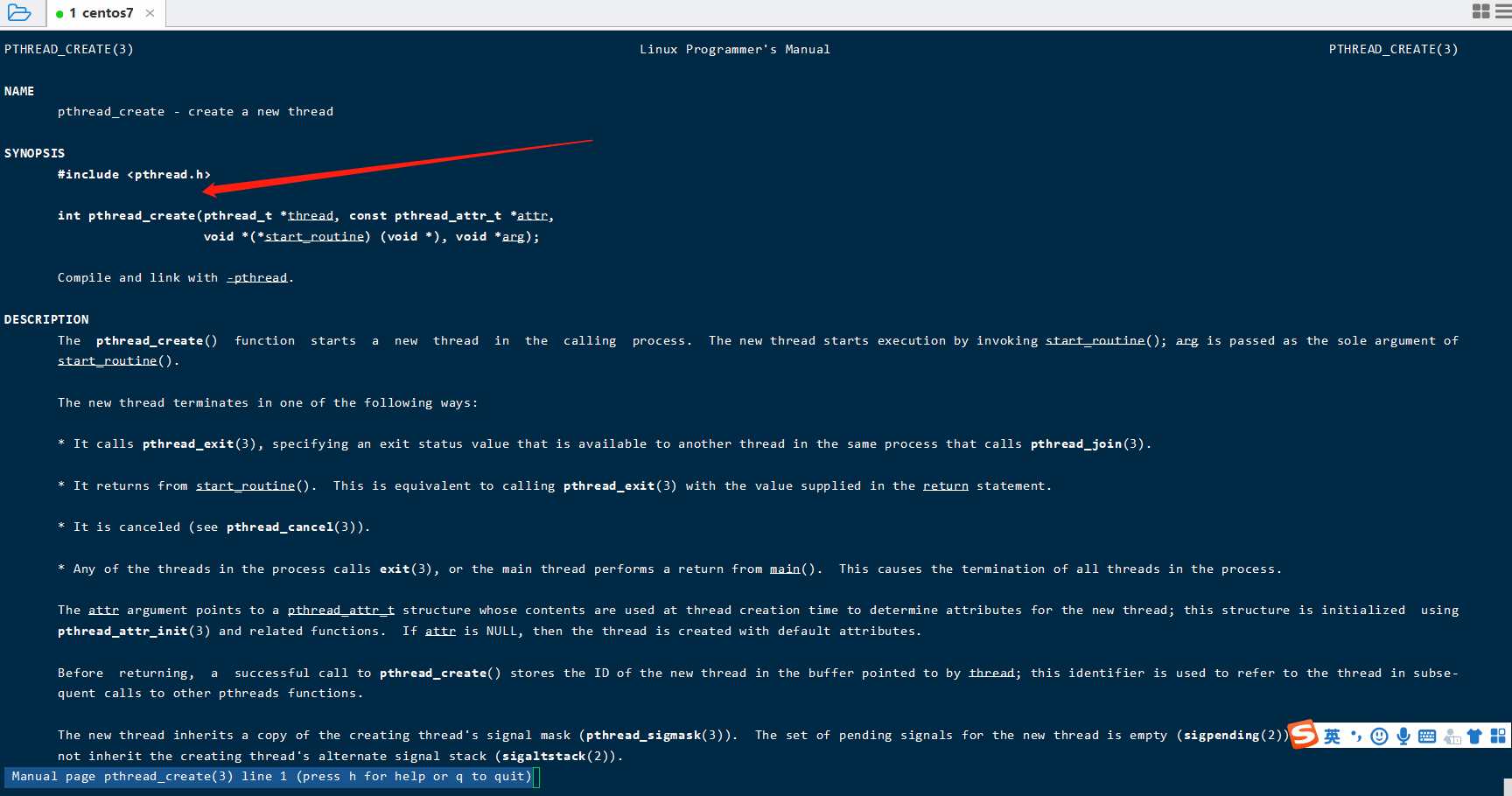
根据man配置的信息可以得出pthread_create会创建一个线程,这个函数是linux系统的函 数,可以用C或者C++直接调用,
上面信息也告诉程序员这个函数在pthread.h, 这个函数 有四个参数

一个小demo
#include <pthread.h>//头文件

 #include <stdio.h>

 pthread_t pid;//定义一个变量,接受创建线程后的线程id

 //定义线程的主体函数

 void* thread_entity(void* arg)

 {

 printf("i am new Thread!");

 }

 //main方法,程序入口,main和java的main一样会产生一个进程,继而产生一个main线程

 int main()

 {

 //调用操作系统的函数创建线程,注意四个参数

 pthread_create(&pid,NULL,thread_entity,NULL);

 //usleep是睡眠的意思,那么这里的睡眠是让谁睡眠呢?

 //为什么需要睡眠?如果不睡眠会出现什么情况

 usleep(100);

 printf("main\n");

 }
4.那么java当中的线程和操作系统的线程是什么关系呢?,我们看下例子
public static void main(String[] args) {

        Thread thread = new Thread(){

            @Override

            public void run() {

                System.out.println("i am new Thread!");

            }

        };

        thread.start();

    }

上述例子可以看出:我们启用线程是调用start方法,而非直接调用run方法
5.我们追踪start方法的源码:
public synchronized void start() {

        /**

         * This method is not invoked for the main method thread or "system"

         * group threads created/set up by the VM. Any new functionality added

         * to this method in the future may have to also be added to the VM.

         *

         * A zero status value corresponds to state "NEW".

         */

        if (threadStatus != 0)

            throw new IllegalThreadStateException();

        /* Notify the group that this thread is about to be started

         * so that it can be added to the group's list of threads

         * and the group's unstarted count can be decremented. */

        group.add(this);

        boolean started = false;

        try {

            start0();//这行是关键代码

            started = true;

        } finally {

            try {

                if (!started) {

                    group.threadStartFailed(this);

                }

            } catch (Throwable ignore) {

                /* do nothing. If start0 threw a Throwable then

                  it will be passed up the call stack */

            }

        }

    }
6.继续追踪我注释的这行关键代码start0()
private native void start0();
这个是native方法,具体实现需要查看openjdk的源码
7.openjdk的写jni一般是一一对应的,Thread.java对应的就是Thread.c
static JNINativeMethod methods[] = {

    {"start0",           "()V",        (void *)&JVM_StartThread},

    {"stop0",            "(" OBJ ")V", (void *)&JVM_StopThread},

    {"isAlive",          "()Z",        (void *)&JVM_IsThreadAlive},

    {"suspend0",         "()V",        (void *)&JVM_SuspendThread},

    {"resume0",          "()V",        (void *)&JVM_ResumeThread},

    {"setPriority0",     "(I)V",       (void *)&JVM_SetThreadPriority},

    {"yield",            "()V",        (void *)&JVM_Yield},

    {"sleep",            "(J)V",       (void *)&JVM_Sleep},

    {"currentThread",    "()" THD,     (void *)&JVM_CurrentThread},

    {"countStackFrames", "()I",        (void *)&JVM_CountStackFrames},

    {"interrupt0",       "()V",        (void *)&JVM_Interrupt},

    {"isInterrupted",    "(Z)Z",       (void *)&JVM_IsInterrupted},

    {"holdsLock",        "(" OBJ ")Z", (void *)&JVM_HoldsLock},

    {"getThreads",        "()[" THD,   (void *)&JVM_GetAllThreads},

    {"dumpThreads",      "([" THD ")[[" STE, (void *)&JVM_DumpThreads},

    {"setNativeName",    "(" STR ")V", (void *)&JVM_SetNativeThreadName},

};
8.start0其实就是JVM_StartThread。在jvm.h中找到了声明
/*

 * java.lang.Thread

 */

JNIEXPORT void JNICALL

JVM_StartThread(JNIEnv *env, jobject thread);
9.在jvm.cpp中有实现,如下
JVM_ENTRY(void, JVM_StartThread(JNIEnv* env, jobject jthread))

  JVMWrapper("JVM_StartThread");

  JavaThread *native_thread = NULL;

  // We cannot hold the Threads_lock when we throw an exception,

  // due to rank ordering issues. Example:  we might need to grab the

  // Heap_lock while we construct the exception.

  bool throw_illegal_thread_state = false;

  // We must release the Threads_lock before we can post a jvmti event

  // in Thread::start.

  {

    // Ensure that the C++ Thread and OSThread structures aren't freed before

    // we operate.

    MutexLocker mu(Threads_lock);

    // Since JDK 5 the java.lang.Thread threadStatus is used to prevent

    // re-starting an already started thread, so we should usually find

    // that the JavaThread is null. However for a JNI attached thread

    // there is a small window between the Thread object being created

    // (with its JavaThread set) and the update to its threadStatus, so we

    // have to check for this

    if (java_lang_Thread::thread(JNIHandles::resolve_non_null(jthread)) != NULL) {

      throw_illegal_thread_state = true;

    } else {

      // We could also check the stillborn flag to see if this thread was already stopped, but

      // for historical reasons we let the thread detect that itself when it starts running

      jlong size =

             java_lang_Thread::stackSize(JNIHandles::resolve_non_null(jthread));

      // Allocate the C++ Thread structure and create the native thread.  The

      // stack size retrieved from java is signed, but the constructor takes

      // size_t (an unsigned type), so avoid passing negative values which would

      // result in really large stacks.

      size_t sz = size > 0 ? (size_t) size : 0;

      native_thread = new JavaThread(&thread_entry, sz);//关键代码

      // At this point it may be possible that no osthread was created for the

      // JavaThread due to lack of memory. Check for this situation and throw

      // an exception if necessary. Eventually we may want to change this so

      // that we only grab the lock if the thread was created successfully -

      // then we can also do this check and throw the exception in the

      // JavaThread constructor.

      if (native_thread->osthread() != NULL) {

        // Note: the current thread is not being used within "prepare".

        native_thread->prepare(jthread);

      }

    }

  }

  if (throw_illegal_thread_state) {

    THROW(vmSymbols::java_lang_IllegalThreadStateException());

  }

  assert(native_thread != NULL, "Starting null thread?");

  if (native_thread->osthread() == NULL) {

    // No one should hold a reference to the 'native_thread'.

    delete native_thread;

    if (JvmtiExport::should_post_resource_exhausted()) {

      JvmtiExport::post_resource_exhausted(

        JVMTI_RESOURCE_EXHAUSTED_OOM_ERROR | JVMTI_RESOURCE_EXHAUSTED_THREADS,

        "unable to create new native thread");

    }

    THROW_MSG(vmSymbols::java_lang_OutOfMemoryError(),

              "unable to create new native thread");

  }

  Thread::start(native_thread);

JVM_END
10.大概浏览上下文,native_thread的构造应该是在JavaThread的构造中完成的.再看new JavaThread(...)这步
JavaThread::JavaThread(ThreadFunction entry_point, size_t stack_sz) :

  Thread()

#if INCLUDE_ALL_GCS

  , _satb_mark_queue(&_satb_mark_queue_set),

  _dirty_card_queue(&_dirty_card_queue_set)

#endif // INCLUDE_ALL_GCS

{

  if (TraceThreadEvents) {

    tty->print_cr("creating thread %p", this);

  }

  initialize();

  _jni_attach_state = _not_attaching_via_jni;

  set_entry_point(entry_point);

  os::ThreadType thr_type = os::java_thread;

  thr_type = entry_point == &compiler_thread_entry ? os::compiler_thread :

                                                     os::java_thread;

  os::create_thread(this, thr_type, stack_sz);//这里创建线程

  _safepoint_visible = false;

}
11.到了os::create_thread这步,具体实现在os_linux.cpp中(这里我们只说linux的,其他系统的实现就不在这里了)
bool os::create_thread(Thread* thread, ThreadType thr_type, size_t stack_size) {

  assert(thread->osthread() == NULL, "caller responsible");

  // Allocate the OSThread object

  OSThread* osthread = new OSThread(NULL, NULL);

  if (osthread == NULL) {

    return false;

  }

  // set the correct thread state

  osthread->set_thread_type(thr_type);

  // Initial state is ALLOCATED but not INITIALIZED

  osthread->set_state(ALLOCATED);

  thread->set_osthread(osthread);

  // init thread attributes

  pthread_attr_t attr;

  pthread_attr_init(&attr);

  pthread_attr_setdetachstate(&attr, PTHREAD_CREATE_DETACHED);

  // stack size

  if (os::Linux::supports_variable_stack_size()) {

    // calculate stack size if it's not specified by caller

    if (stack_size == 0) {

      stack_size = os::Linux::default_stack_size(thr_type);

      switch (thr_type) {

      case os::java_thread:

        // Java threads use ThreadStackSize which default value can be

        // changed with the flag -Xss

        assert (JavaThread::stack_size_at_create() > 0, "this should be set");

        stack_size = JavaThread::stack_size_at_create();

        break;

      case os::compiler_thread:

        if (CompilerThreadStackSize > 0) {

          stack_size = (size_t)(CompilerThreadStackSize * K);

          break;

        } // else fall through:

          // use VMThreadStackSize if CompilerThreadStackSize is not defined

      case os::vm_thread:

      case os::pgc_thread:

      case os::cgc_thread:

      case os::watcher_thread:

        if (VMThreadStackSize > 0) stack_size = (size_t)(VMThreadStackSize * K);

        break;

      }

    }

    stack_size = MAX2(stack_size, os::Linux::min_stack_allowed);

    pthread_attr_setstacksize(&attr, stack_size);

  } else {

    // let pthread_create() pick the default value.

  }

  // glibc guard page

  pthread_attr_setguardsize(&attr, os::Linux::default_guard_size(thr_type));

  ThreadState state;

  {

    // Serialize thread creation if we are running with fixed stack LinuxThreads

    bool lock = os::Linux::is_LinuxThreads() && !os::Linux::is_floating_stack();

    if (lock) {

      os::Linux::createThread_lock()->lock_without_safepoint_check();

    }

    pthread_t tid;

    int ret = pthread_create(&tid, &attr, (void* (*)(void*)) java_start, thread);//看这行代码,是不是就是linux系统的线程调用函数

    pthread_attr_destroy(&attr);

    if (ret != 0) {

      if (PrintMiscellaneous && (Verbose || WizardMode)) {

        perror("pthread_create()");

      }

      // Need to clean up stuff we've allocated so far

      thread->set_osthread(NULL);

      delete osthread;

      if (lock) os::Linux::createThread_lock()->unlock();

      return false;

    }

    // Store pthread info into the OSThread

    osthread->set_pthread_id(tid);

    // Wait until child thread is either initialized or aborted

    {

      Monitor* sync_with_child = osthread->startThread_lock();

      MutexLockerEx ml(sync_with_child, Mutex::_no_safepoint_check_flag);

      while ((state = osthread->get_state()) == ALLOCATED) {

        sync_with_child->wait(Mutex::_no_safepoint_check_flag);

      }

    }

    if (lock) {

      os::Linux::createThread_lock()->unlock();

    }

  }

  // Aborted due to thread limit being reached

  if (state == ZOMBIE) {

      thread->set_osthread(NULL);

      delete osthread;

      return false;

  }

  // The thread is returned suspended (in state INITIALIZED),

  // and is started higher up in the call chain

  assert(state == INITIALIZED, "race condition");

  return true;

}
12.这里终于看到了系统库函数的调用。,看我注释的那行代码,是不是就是linux系统的线程调用函数pthread_create
调用线程执行的方法是java_start,参数是thread
看下源码
// Thread start routine for all newly created threads

static void *java_start(Thread *thread) {

  // Try to randomize the cache line index of hot stack frames.

  // This helps when threads of the same stack traces evict each other's

  // cache lines. The threads can be either from the same JVM instance, or

  // from different JVM instances. The benefit is especially true for

  // processors with hyperthreading technology.

  static int counter = 0;

  int pid = os::current_process_id();

  alloca(((pid ^ counter++) & 7) * 128);

  ThreadLocalStorage::set_thread(thread);

  OSThread* osthread = thread->osthread();

  Monitor* sync = osthread->startThread_lock();

  // non floating stack LinuxThreads needs extra check, see above

  if (!_thread_safety_check(thread)) {

    // notify parent thread

    MutexLockerEx ml(sync, Mutex::_no_safepoint_check_flag);

    osthread->set_state(ZOMBIE);

    sync->notify_all();

    return NULL;

  }

  // thread_id is kernel thread id (similar to Solaris LWP id)

  osthread->set_thread_id(os::Linux::gettid());

  if (UseNUMA) {

    int lgrp_id = os::numa_get_group_id();

    if (lgrp_id != -1) {

      thread->set_lgrp_id(lgrp_id);

    }

  }

  // initialize signal mask for this thread

  os::Linux::hotspot_sigmask(thread);

  // initialize floating point control register

  os::Linux::init_thread_fpu_state();

  // handshaking with parent thread

  {

    MutexLockerEx ml(sync, Mutex::_no_safepoint_check_flag);

    // notify parent thread

    osthread->set_state(INITIALIZED);

    sync->notify_all();

    // wait until os::start_thread()

    while (osthread->get_state() == INITIALIZED) {

      sync->wait(Mutex::_no_safepoint_check_flag);

    }

  }

  // call one more level start routine

  thread->run();//终于找到run方法了

  return 0;

}
13.这个方法可以直接跳到最后一行,他执行的是传递过来对象的run方法
14.总结:由上面源码可以看到:Java的多线程是直接调用linux的多线程函数实现的
每个继承java.lang.Thread的类,调用start方法之后,都调用start0()的native方法;
start0()的native方法在openjdk里调用的是JVM_StartThread;
JVM_StartThread最终调用的是操作系统的pthread_create()函数,有四个参数,我们写的run方法就是该函数的第三个参数.
java的多线程是如何实现的?和操作系统有什么关系?的更多相关文章
- Java的多线程机制系列:不得不提的volatile及指令重排序(happen-before)
一.不得不提的volatile volatile是个很老的关键字,几乎伴随着JDK的诞生而诞生,我们都知道这个关键字,但又不太清楚什么时候会使用它:我们在JDK及开源框架中随处可见这个关键字,但并发专 ...
- java线程 - 多线程 - 守护线程
1.多线程执行者/处理类 都是Runnable的实现类(如自定义类实现Runnable 或 java原生的Thread.FutureTask),但最后都必须封装成Thread线程类由Thread.st ...
- java之多线程 二
线程的生命周期: 当线程被创建并被启动时,它既不是一启动就进入了执行状态,在线程的生命周期中,它要经过new(新建),就绪(Runnable),运行(Running),阻塞(Blocked),dead ...
- Java的多线程机制系列:(一)总述及基础概念
前言 这一系列多线程的文章,一方面是个人对Java现有的多线程机制的学习和记录,另一方面是希望能给不熟悉Java多线程机制.或有一定基础但理解还不够深的读者一个比较全面的介绍,旨在使读者对Java的多 ...
- Java Thread 多线程 介绍
1.线程概述 几乎所有的操作系统都支持同时运行多个任务,一个任务通常就是一个程序,每个运行中的程序就是一个进程. 当一个程序运行时,内部可能包含了多个顺序执行流,每个顺序执行流就是一个线程. 2.线程 ...
- Java:多线程<一>
程序运行时,其实是CPU在执行程序的进程,为了提高工作效率一个进程可以有多个线程. Java的多线程: 其实我们之前就见过Java的线程,main就是Java的一个线程,还有另一个条线程总是和main ...
- Java的多线程机制系列:(四)不得不提的volatile及指令重排序(happen-before)
一.不得不提的volatile volatile是个很老的关键字,几乎伴随着JDK的诞生而诞生,我们都知道这个关键字,但又不太清楚什么时候会使用它:我们在JDK及开源框架中随处可见这个关键字,但并发专 ...
- Java的多线程机制系列:(三)synchronized的同步原理
synchronized关键字是JDK5之实现锁(包括互斥性和可见性)的唯一途径(volatile关键字能保证可见性,但不能保证互斥性,详细参见后文关于vloatile的详述章节),其在字节码上编译为 ...
- Java基础——多线程
Java中多线程的应用是非常多的,我们在Java中又该如何去创建线程呢? http://www.jianshu.com/p/40d4c7aebd66 一.常用的有三种方法来创建多线程 新建一个类继承自 ...
随机推荐
- ORM单表查询,跨表查询,分组查询
ORM单表查询,跨表查询,分组查询 单表查询之下划线 models.Tb1.objects.filter(id__lt=10, id__gt=1) # 获取id大于1 且 小于10的值models ...
- webpack打包es6代码
1.简单描述一下es6的模块导入和导出的语法: //导出:export var aa = 10;export function demo(){} //不能写成:var aa = 10;export a ...
- 彻底明白equals和hashCode
equals和hashCode方法 equals 我们知道equals是用来比较两个对象是否相等的,比如我们常用的String.equals方法 @Test public void test() { ...
- C#中的9个“黑魔法”与“骚操作”
C#中的9个"黑魔法"与"骚操作" 我们知道C#是非常先进的语言,因为是它很有远见的"语法糖".这些"语法糖"有时过于好 ...
- ArcGIS Server的安装
1.双击ArcGIS Server安装目录下的Setup.exe. 2.点击“Next”. 3.选择“I accept the license agreement”,点击“Next”. 4.点击“Ch ...
- 关于dll劫持我的奇思妙想(一)
0x00 前言 前段时间在研究着windows底层的一些东西,发现这个dll劫持一直没有做过,根据倾旋师傅的视频和文章做了一系列的研究,然后就突发来了兴致研究一些dll劫持提权. 0x01 了解 ...
- centos7 编译安装mysql5.7
mysql源码可以到官网下载 安装依赖包 yum -y install gcc gcc-c++ ncurses ncurses-devel bison libgcrypt perl make cmak ...
- 新基建新机遇!100页PPT
"新基建"是与传统的"铁公基"相对应,结合新一轮科技革命和产业变革特征,面向国家战略需求,为经济社会的创新.协调.绿色.开放.共享发展提供底层支撑的具有乘数效应 ...
- B 【ZJOI2007】时态同步
时间限制 : - MS 空间限制 : 265536 KB 评测说明 : 1s 256m 问题描述 小Q在电子工艺实习课上学习焊接电路板.一块电路板由若干个元件组成,我们不妨称之为节点,并将其用数 ...
- jenkins集成sonarQube实现代码质量检查
1.sonarQube的简介 SonarQube是一款自动化代码审查工具,用于检测代码中的错误.漏洞和代码异味.它可以与你现有的工作流集成,以支持跨项目分支和拉取请求的连续代码检查. 其工作流程如下: ...