
Mybatis(四)关联映射
一. Mybatis关联映射
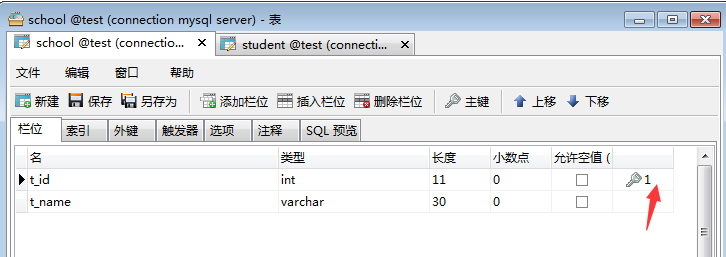
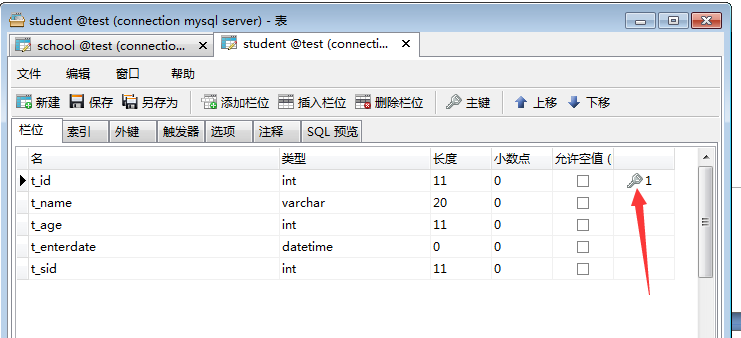
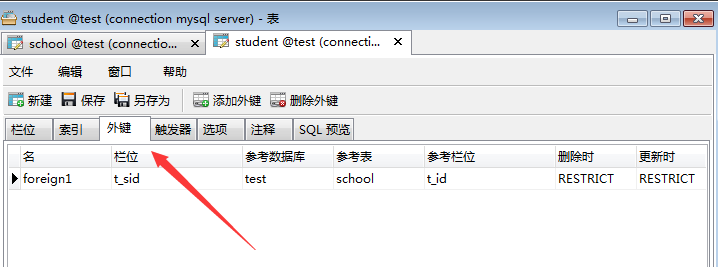
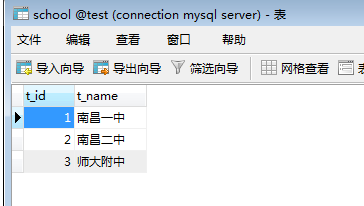
1 讲数据库中关联关系,主键表与外键表
一对多,多对一,主键表表示一 与外键表表示多
学生与学校的关系,工人与工厂,人员与部门的关系,。。。。
多 一 多 一 多 一
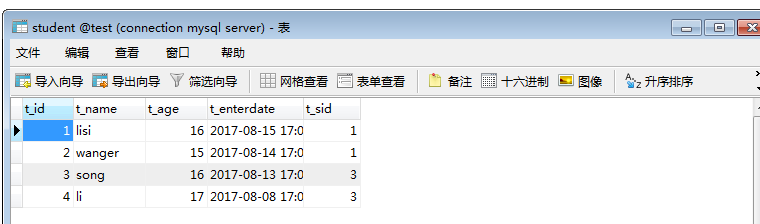
2 多表查询
多表查询 方法一
select a.*,b.* from student a,school b where a.t_sid=b.t_id
select a.*,b.t_name from student a,school b where a.t_sid=b.t_id
select a.*,b.t_name from student a,school b where a.t_sid=b.t_id and b.t_id=1
多表查询 方法二
select student.*,school.* from student inner join school on student.t_sid=school.t_id
select student.*,school.t_name from student inner join school on student.t_sid=school.t_id
select student.*,school.t_name from student inner join school on student.t_sid=school.t_id and school.t_id=1
3 mybatis多对一
要查询多个表中信息:有三种方法:
方法一:
<resultMap type="com.softjx.model.Student" id="StudentMap1">

  <result column="t_id" property="id"/>

  <result column="t_name" property="studentName" />

  <result column="t_age" property="age"/>

  <result column="t_enterdate" property="enterDate"/>

  <result column="t_sid" property="sid"/>

<!—关联字段-->

  <result column="t_id1" property="school.id"/>

  <result column="t_name1" property="school.schoolName"/>

  </resultMap>

<!-- 根据id查询数据表中的一条记录 -->

<select id="getStudentId1"  resultMap="StudentMap1">

 select a.t_id,a.t_name,a.t_age,a.t_enterdate,a.t_sid,b.t_id as t_id1,b.t_name as t_name1 from student a,school b  where a.t_sid=b.t_id and a.t_id=#{id};

</select>
方法二:使用association定义关联的单个对象
  <resultMap type="com.softjx.model.Student" id="StudentMap2">

  <result column="t_id" property="id"/>

  <result column="t_name" property="studentName" />

  <result column="t_age" property="age"/>

  <result column="t_enterdate" property="enterDate"/>

  <result column="t_sid" property="sid"/>

    <!--  association可以指定联合的javaBean对象

        property="school":指定哪个属性是联合的对象

        javaType:指定这个属性对象的类型[不能省略]

        -->

  <association property="school" javaType="com.softjx.model.School">

            <id column="t_id" property="id"/>

            <result column="t_name" property="schoolName"/>

  </association>

  </resultMap>

<!-- 根据id查询数据表中的一条记录 -->

<select id="getStudentId2"  resultMap="StudentMap2">

 select a.t_id,a.t_name,a.t_age,a.t_enterdate,a.t_sid,b.t_id as t_id1,b.t_name as t_name1 from student a,school b  where a.t_sid=b.t_id and a.t_id=#{id};

</select>
方法三:使用association进行分步查询
1)、先按照t_id查询学生信息
2)、根据查询学生信息中的t_sid值去学校表查出学校的信息
3)、学校信息设置到学生中;
1、先按照t_id查询学生信息

2、根据查询学生信息中的t_sid值去学校表查出学校的信息

    3、学校信息设置到学生中;

<resultMap type="com.softjx.model.Student" id="StudentMap3">

  <result column="t_id" property="id"/>

  <result column="t_name" property="studentName" />

  <result column="t_age" property="age"/>

  <result column="t_enterdate" property="enterDate"/>

  <result column="t_sid" property="sid"/>

<!-- association定义关联对象的封装

    select:表明当前属性再去调用哪个方法查出的结果

    column:指定根据当前表中哪一列的值传给这个方法

     流程:使用select指定的方法查出对象,并封装给property指定的属性

-->

  <association property="school"

             select="com.softjx.dao.SchoolMapper.getSchoolId"

             column="t_sid">

 </association>

  </resultMap>
使用association进行分步查询,可以是立即加载,延迟加载;
可以使用延迟加载(懒加载);(按需加载)
Student==>School:
我们每次查询Student对象的时候,都将一起查询出来,(立即加载)。
学校信息在我们使用的时候再去查询(延迟加载);
分段查询的基础之上(懒加载)加上两个配置在全局配置文件中config.xml:
<settings>

<setting name="lazyLoadingEnabled" value="true"/>

<setting name="aggressiveLazyLoading" value="false"/>

</settings>
4 mybatis一对多
方法一:使用collection标签
1)在学校中有一个集合类型,指向多个学生
private List<Student> students;

    public List<Student> getStudents() {

        return students;

    }

    public void setStudents(List<Student> students) {

        this.students = students;

    }
2)在SchoolMapper.xml文件中配置collection标签,标签中ofType:指定集合里面元素的类型,property:指定bean的属性名。
<resultMap type="com.softjx.model.School" id="SchoolMap1">

         <result column="t_id" property="id"/>

         <result column="t_name" property="schoolName" />

        <!--

            collection定义关联集合类型的属性

            ofType:指定集合里面元素的类型

        -->

        <collection property="students" ofType="com.softjx.model.Student">

            <!-- 定义这个集合中元素的封装规则 -->

             <result column="t_id1" property="id"/>

             <result column="t_name1" property="studentName" />

             <result column="t_age" property="age"/>

             <result column="t_enterdate" property="enterDate"/>

             <result column="t_sid" property="sid"/>

        </collection>

    </resultMap>

<select id="getSchoolId1" resultMap="SchoolMap1">

select b.t_id as t_id,b.t_name as t_name ,a.t_id as t_id1 ,a.t_name as t_name1,a.t_age,a.t_enterdate, a.t_sid from school b, student a where b.t_id=a.t_sid and b.t_id=#{id}

</select>
方法二:使用collection分段:
1)首先要根据学校编号在学生表中查询所有学生:
<!-- 根据学生的学校id查询所有的学生 -->

public List<Student> getStudentsBySchoolId(Integer sid);

<select id="getStudentsBySchoolId" resultMap="StudentMap">

 select * from student where t_sid=#{sid};

</select>

注意:这个sid是collection标签中要访问的。
2)Collection分段代码:
<!-- sid是方法的参数名,t_id是字段名 -->

    <resultMap type="com.softjx.model.School" id="SchoolMap2">

        <result column="t_id" property="id"/>

        <result column="t_name" property="schoolName" />

        <collection property="students"

            select="com.softjx.dao.StudentMapper.getStudentsBySchoolId"

            column="{sid=t_id}" fetchType="lazy">

        </collection>

    </resultMap>

<select id="getSchoolId2" resultMap="SchoolMap2">

        select * from school where t_id=#{id}

    </select>
注意:
1)fetchType="lazy":表示使用延迟加载,默认是延迟;它的取值是 lazy:延迟加载,eager:立即加载。
2)多列的值传递:
column="{key1=column1,key2=column2}",key1是方法的参数名,column1是字段名, key2是方法的参数名,column2是字段名。
5 mybatis一对多,多对一(使用注解)
1)mybatis全局配置文件要应用接口类:
       <mappers>

          <mapper class="com.softjx.dao.SchoolMapper"/>

          <mapper class="com.softjx.dao.StudentMapper"/>

       </mappers>
2)没有mapper.xml文件,只有接口文件:
多对一关系:
//根据id查询学生,包括学生的学校

//property="school",column="t_sid" column是当前表中关联字段名t_sid

//查询一个用户

    @Select("select * from student where t_id=#{id}")

    @Results({@Result(property="id",column="t_id")

             ,@Result(property="studentName",column="t_name")

             ,@Result(property="age",column="t_age")

             ,@Result(property="enterDate",column="t_enterdate")

             ,@Result(property="sid",column="t_sid")

             ,@Result(property="school",column="t_sid",one=@One(select="com.softjx.dao.SchoolMapper.getSchoolId",fetchType=FetchType.EAGER))

            })

    public Student getStudentId1(Integer id);
一对多的关系:
1.先要在多这一方查询数据。

//根据学生的学校id查询所有的学生

    @Select("select * from student where t_sid=#{sid}")

    @Results({@Result(property="id",column="t_id")

             ,@Result(property="studentName",column="t_name")

             ,@Result(property="age",column="t_age")

             ,@Result(property="enterDate",column="t_enterdate")

             ,@Result(property="sid",column="t_sid")

            })

    public List<Student> getStudentsBySchoolId(Integer sid);

2.

//根据id查询学校

    //property="students",column="t_id" column是当前表中的主键字段名t_id

    @Select("select * from school where t_id=#{id}")

    @Results({@Result(property="id",column="t_id")

             ,@Result(property="schoolName",column="t_name")

             ,@Result(property="students",column="t_id",many=@Many(select="com.softjx.dao.StudentMapper.getStudentsBySchoolId",fetchType=FetchType.LAZY))

            })

    public School getSchoolId1(Integer id);
Mybatis(四)关联映射的更多相关文章
- 04—mybatis的关联映射
mybatis的关联映射一对一一对多多对多 一.一对一(一个人只能有一个身份证号) 1.创建表创建表tb_card CREATE TABLE `tb_card` ( `id` int(11) NOT ...
- mybatis 一对一关联映射实例
在实际项目开发中,经常存在一对一的关系,如一个人对应一张身份证信息,这就是一对一的关系.下面是一个简单的实例: 1.建表过程我就省略了,主要是一张Person表,一张IDCard表,其相关属性见步骤2 ...
- mybatis之关联映射
###mybatis使用之一对一关联映射 1)分析并画ER图.(特别是一对一.一对多.多对多的情况) 2)启动终端数据库,并建库建表,在表中插入值和字段,并查看结果.(后期把navicat用上) 3) ...
- Mybatis的关联映射案例
主要是对之前学习的关联映射做一个案例,自己动手实践一下,可以理解的更好一点. 开发环境 开发工具:idea Java环境: jdk1.8.0_121 数据库:SQLServer 项目结构,里面包含了三 ...
- Mybatis的关联映射
实际的开发中,对数据库的操作常常会涉及到多张表,这在面向对象中就涉及到了对象与对象之间的关联关系.针对多表之间的操作,MyBatis提供了关联映射, 通过关联映射就可以很好的处理对象与对象之间的关联关 ...
- Mybatis(四) 高级映射,一对一,一对多,多对多映射
天气甚好,怎能不学习? 一.单向和双向 包括一对一,一对多,多对多这三种情况,但是每一种又分为单向和双向,在hibernate中我们就详细解析过这单向和双向是啥意思,在这里,在重复一遍,就拿一对多这种 ...
- MyBatis的关联映射和动态SQL
CREATE TABLE tb_card ( id INT PRIMARY KEY AUTO_INCREMENT, CODE ) ); '); CREATE TABLE tb_person ( id ...
- 【Hibernate框架】关联映射(一对一关联映射)
一.整理思路: 之前,小编总结过Mybatis的关联映射,接下来,再来总结一下hibernate的相关的关联映射,直接上图: 这张图,就是小编整理总结整个Hibernate的关联映射的一个大致思路. ...
- MyBatis学习(七)MyBatis关联映射之多对多映射
对于数据库中的多对多关系建议使用一个中间表来维护关系. 1.创建四张表,分别为用户表,商品表,订单表,中间表. DROP TABLE IF EXISTS `t_user`; CREATE TABLE ...
随机推荐
- Taffy自动化测试框架简介
Taffy Taffy是基于nosetests的自动化测试框架. Taffy主要用来测试后台服务(包括且不限于Http, Dubbo/hessian, Webservice, Socket等类型接口) ...
- poi入门之读写excel
Apache POI 是用Java编写的免费开源的跨平台的 Java API,Apache POI提供API给Java程式对Microsoft Office格式档案读和写的功能.该篇是介绍poi基本的 ...
- SQL基本查询_单表查询(实验二)
SQL基本查询_单表查询(实验二) 查询目标表结构及数据 emp empno ename job hiedate sal comn deptno 1007 马明 内勤 1992-6-12 4000 2 ...
- Bluetooth A2DP --Audio payload type
数据结构: 字段解释: payload type: 0x60(96), dynamic type type 定义: https://www.iana.org/assignments/rtp-param ...
- Linux库函数制作(静态库、动态库)
Linux库函数制作(静态库.动态库) 静态库与动态库 链接方式 链接分为两种:静态链接.动态链接 静态链接: 由链接器在链接时将库的内容加入到可执行程序中 静态链接的特点是: 优点: 对运行环境的依 ...
- 0_Simple__cppIntegration
引用已经编好的 .cu 和 .cpp 代码来混合使用.在 main.cpp 中调用了使用GPU的 cppIntegration.cu (测试函数也在其中) 和使用CPU的 cppIntegration ...
- D3.js使用过程中的常见问题(D3版本D3V4)
目录 一.学习D3我必须要学习好SVG矢量图码? 二.如何理解D3给Dom节点绑定数据时的Update.Enter和Exit模式 三.D3绑定数据时用datum与data有什么不一样? 四.SVG图中 ...
- js with用法
有标签的语句 with 语句用于设置代码在特定对象中的作用域. 它的语法: with (expression) statement 例如: var sMessage = "hello&quo ...
- html5 postMessage解决跨域、跨窗口消息传递[转载]
原文:http://www.cnblogs.com/dolphinX/p/3464056.html 一些麻烦事儿 平时做web开发的时候关于消息传递,除了客户端与服务器传值还有几个经常会遇到的问题 1 ...
- null transform hack 强制使用硬件加速
-webkit-transform: translateZ(0); -webkit-transform: translate3d(0,0,0); 作用: 1.切换到硬件合成模式,通常所有事情都CP ...