
Looper Handler MessageQueue Message 探究
Android消息处理的大致的原理如下:
1.有一个消息队列,可以往队列中添加消息
2.有一个消息循环,可以从消息队列中取出消息
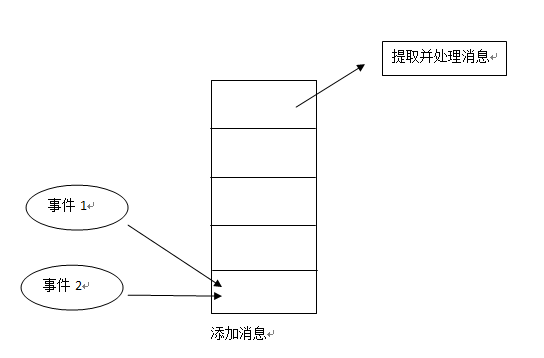
Android系统中这些工作主要由Looper和Handler两个类来实现:
Looper类: 有一个消息队列,封装消息循环
Handler类: 消息的投递、消息的处理
Looper类:
Looper的使用需先调用 Looper.prepare(),然后调用Looper.loop()开启消息循环。
     public static void prepare() {

         prepare(true);

     }

     private static void prepare(boolean quitAllowed) {

         if (sThreadLocal.get() != null) {

             throw new RuntimeException("Only one Looper may be created per thread");

         }

         sThreadLocal.set(new Looper(quitAllowed));

     }

    static final ThreadLocal<Looper> sThreadLocal = new ThreadLocal<Looper>();
prepare会在调用线程的局部变量中设置一个Looper对象;
ThreadLocal是java中线程局部变量类,有两个关键函数:
set: 设置调用线程的局部变量
get: 获取调用线程的局部变量
Looper的构造函数:
     private Looper(boolean quitAllowed) {

         mQueue = new MessageQueue(quitAllowed);

         mThread = Thread.currentThread();

     }
创建了一个消息队列,用于存放消息。
Looper.loop(), myLooper()通过ThreadLocal对象获取了prepare时创建的Looper对象。loop里面是一个循环,循环从MessageQueue中取消息,然后通过Handler去处理。
(msg.target.dispatchMessage(msg); target是一个Handler对象,后面会提到)
     public static @Nullable Looper myLooper() {

         return sThreadLocal.get();

     }

     public static void loop() {

         final Looper me = myLooper();

         if (me == null) {

             throw new RuntimeException("No Looper; Looper.prepare() wasn't called on this thread.");

         }

         final MessageQueue queue = me.mQueue;

         // Make sure the identity of this thread is that of the local process,

         // and keep track of what that identity token actually is.

         Binder.clearCallingIdentity();

         final long ident = Binder.clearCallingIdentity();

         for (;;) {

             Message msg = queue.next(); // might block   可能会阻塞

             if (msg == null) {

                 // No message indicates that the message queue is quitting.

                 return;

             }

             // This must be in a local variable, in case a UI event sets the logger

             Printer logging = me.mLogging;

             if (logging != null) {

                 logging.println(">>>>> Dispatching to " + msg.target + " " +

                         msg.callback + ": " + msg.what);

             }

             msg.target.dispatchMessage(msg);

             if (logging != null) {

                 logging.println("<<<<< Finished to " + msg.target + " " + msg.callback);

             }

             // Make sure that during the course of dispatching the

             // identity of the thread wasn't corrupted.

             final long newIdent = Binder.clearCallingIdentity();

             if (ident != newIdent) {

                 Log.wtf(TAG, "Thread identity changed from 0x"

                         + Long.toHexString(ident) + " to 0x"

                         + Long.toHexString(newIdent) + " while dispatching to "

                         + msg.target.getClass().getName() + " "

                         + msg.callback + " what=" + msg.what);

             }

             msg.recycleUnchecked();

         }

     }
Looper的作用:
封装一个消息队列
prepare()方法把Looper对象和调用的线程绑定起来
通过loop()方法处理消息队列中的消息
Hander类:
Handler有多个构造函数,常用的就下面几个:
     public Handler() {

         this(null, false);

     }

     public Handler(Looper looper) {

         this(looper, null, false);

     }

     public Handler(Callback callback, boolean async) {

         mLooper = Looper.myLooper();

         if (mLooper == null) {

             throw new RuntimeException(

                 "Can't create handler inside thread that has not called Looper.prepare()");

         }

         mQueue = mLooper.mQueue;

         mCallback = callback;

         mAsynchronous = async;

     }

     public Handler(Looper looper, Callback callback, boolean async) {

         mLooper = looper;

         mQueue = looper.mQueue;

         mCallback = callback;

         mAsynchronous = async;

     }
无参构造函数,通过Looper.myLooper()获取调用线程的Looper对象; Handler提供了一个Callback的接口,参数里面的Callback在处理消息的时候会用到,如果设置了全局Callback,消息会通过这个Callback处理,如果未设置,则需重重载handlerMessage()方法来处理消息。
     public interface Callback {

         public boolean handleMessage(Message msg);

     }
(1) Handler和Message ----> Handler把Message插入Looper的消息队列。
Handler有一系列的处理消息的函数,比如:
     public final boolean sendMessage(Message msg)

     {

         return sendMessageDelayed(msg, 0);

     }

     public final boolean sendEmptyMessage(int what)

     {

         return sendEmptyMessageDelayed(what, 0);

     }

     public final boolean sendEmptyMessageDelayed(int what, long delayMillis) {

         Message msg = Message.obtain();

         msg.what = what;

         return sendMessageDelayed(msg, delayMillis);

     }

     public final boolean sendMessageDelayed(Message msg, long delayMillis)

     {

         if (delayMillis < 0) {

             delayMillis = 0;

         }

         return sendMessageAtTime(msg, SystemClock.uptimeMillis() + delayMillis);

     }

     public boolean sendMessageAtTime(Message msg, long uptimeMillis) {

         MessageQueue queue = mQueue;

         if (queue == null) {

             RuntimeException e = new RuntimeException(

                     this + " sendMessageAtTime() called with no mQueue");

             Log.w("Looper", e.getMessage(), e);

             return false;

         }

         return enqueueMessage(queue, msg, uptimeMillis);

     }

     public final boolean sendMessageAtFrontOfQueue(Message msg) {

         MessageQueue queue = mQueue;

         if (queue == null) {

             RuntimeException e = new RuntimeException(

                 this + " sendMessageAtTime() called with no mQueue");

             Log.w("Looper", e.getMessage(), e);

             return false;

         }

         return enqueueMessage(queue, msg, 0);

     }
这些都是将消息插入到Looper的消息队列,sendMessageAtFrontOfQueue()是将消息插入到消息队列的队列头,所以优先级很高。所有方法最后都是通过enqueueMessage()方法插入消息。
     private boolean enqueueMessage(MessageQueue queue, Message msg, long uptimeMillis) {

         msg.target = this;

         if (mAsynchronous) {

             msg.setAsynchronous(true);

         }

         return queue.enqueueMessage(msg, uptimeMillis);

     }
msg.target = this,前面有提到,target是Handler对象,消息的处理最后都需通过这个。
(2)Handler的消息处理
上面的Looper.loop()方法中,不断从消息队列中提取消息,然后通过Handler的dispatchMessage()方法处理消息。
     public void dispatchMessage(Message msg) {

         if (msg.callback != null) {

             handleCallback(msg);

         } else {

             if (mCallback != null) {

                 if (mCallback.handleMessage(msg)) {

                     return;

                 }

             }

             handleMessage(msg);

         }

     }
如果Message设置了callback,则通过这个callback处理,如果Message没设置callback则先通过全局callback来处理,如果都没设置,则通过handlerMessage()方法来处理。
简单总结一下:
Looper中有一个MessageQueue,里面存储一个个待处理的Message。
Message中有一个Handler,这个Handler处理Message。
转载还望注明出处:http://www.cnblogs.com/xiaojianli/p/5642380.html
Looper Handler MessageQueue Message 探究的更多相关文章
- Android开发之漫漫长途 ⅥI——Android消息机制(Looper Handler MessageQueue Message)
该文章是一个系列文章,是本人在Android开发的漫漫长途上的一点感想和记录,我会尽量按照先易后难的顺序进行编写该系列.该系列引用了<Android开发艺术探索>以及<深入理解And ...
- Android开发之漫漫长途 Ⅶ——Android消息机制(Looper Handler MessageQueue Message)
该文章是一个系列文章,是本人在Android开发的漫漫长途上的一点感想和记录,我会尽量按照先易后难的顺序进行编写该系列.该系列引用了<Android开发艺术探索>以及<深入理解And ...
- android的消息处理有三个核心类:Looper,Handler和Message。
android的消息处理机制(图+源码分析)——Looper,Handler,Message 作为 一名android程序员,我学习android的一大乐趣是可以通过源码学习google大牛们的设 ...
- Looper: Looper,Handler,MessageQueue三者之间的联系
在Android中每个应用的UI线程是被保护的,不能在UI线程中进行耗时的操作,其他的子线程也不能直接进行UI操作.为了达到这个目的Android设计了handler Looper这个系统框架,And ...
- Looper,Handler, MessageQueue
Looper Looper是线程用来运行消息循环(message loop)的类.默认情况下,线程并没有与之关联的Looper,可以通过在线程中调用Looper.prepare() 方法来获取,并通过 ...
- android的消息处理机制——Looper,Handler,Message
在开始讨论android的消息处理机制前,先来谈谈一些基本相关的术语. 通信的同步(Synchronous):指向客户端发送请求后,必须要在服务端有回应后客户端才继续发送其它的请求,所以这时所有请求将 ...
- 转 Android的消息处理机制(图+源码分析)——Looper,Handler,Message
作为一个大三的预备程序员,我学习android的一大乐趣是可以通过源码学习google大牛们的设计思想.android源码中包含了大量的设计模式,除此以外,android sdk还精心为我们设计了各种 ...
- 【转】android的消息处理机制(图+源码分析)——Looper,Handler,Message
原文地址:http://www.cnblogs.com/codingmyworld/archive/2011/09/12/2174255.html#!comments 作为一个大三的预备程序员,我学习 ...
- android的消息处理机制(图+源码分析)——Looper,Handler,Message
android源码中包含了大量的设计模式,除此以外,android sdk还精心为我们设计了各种helper类,对于和我一样渴望水平得到进阶的人来说,都太值得一读了.这不,前几天为了了解android ...
随机推荐
- 【poi】解决java导出excel 海量数据内存溢出问题
转自百度经验:http://jingyan.baidu.com/article/4853e1e5202c331909f72627.html 那里排版忒恶心,转来这里. 由于项目中有导出海量数据的需求, ...
- attr
今天用attr的时候忽然不知道html中没有的attribute可以不可以用该方法新增了, 查了appframework的文档,居然木有看出解答. 百度之,js原生的setAttribute当然是可以 ...
- linux配置Java(JDK)环境变量
本帖最后由 zhai 于 2013-11-19 23:00 编辑 1.下载jdk Oracle官方下载地址:http://www.oracle.com/technetwork/java/javase/ ...
- HDOJ/HDU 2539 点球大战(String.endsWith()方法的一个应用~)
Problem Description 在足球比赛中,有不少赛事,例如世界杯淘汰赛和欧洲冠军联赛淘汰赛中,当比赛双方经过正规比赛和加时赛之后仍然不分胜负时,需要进行点球大战来决定谁能够获得最终的胜利. ...
- lvs,haproxy,keepalived,heartbeat
lvs的是通过vrrp协议进行数据包转发的,提供的是4层的负载均衡.特点是效率高,只要你机器网卡抗的住就不是问题. haproxy可以提供4层或7层的数据转发服务,能做到7层的好处是可以根据服务所处的 ...
- 干货!如何正确使用Git Flow
我们已经从SVN 切换到Git很多年了,现在几乎所有的项目都在使用Github管理, 本篇文章讲一下为什么使用Git, 以及如何在团队中正确使用. Git的优点 Git的优点很多,但是这里只列出我认为 ...
- 配置java软件
到官网下载了jdk和jre的安装包 配置时发现javac显示 "javac不是内部或外部命令,等等一些的问题" 上百度搜索后,发现是win10系统配置path的时候需要写绝对路径而 ...
- wind安装selenium
1.按win+r进入运行模式,然后输入cmd进入命令行 2.输入pip按回车 查看命令帮助 3.然后输入pip install selenium 按回车,然后等待 下载,下载好了会自动安装完成 3.然 ...
- Scrapy的shell命令(转)
scrapy python MrZONT 2015年08月29日发布 ...
- 查看mysql数据库及表编码格式
1.查看数据库编码格式 mysql> show variables like 'character_set_database'; 2.查看数据表的编码格式 mysql> show crea ...