
Python常用数据结构之heapq模块
Python数据结构常用模块:collections、heapq、operator、itertools
heapq
堆是一种特殊的树形结构,通常我们所说的堆的数据结构指的是完全二叉树,并且根节点的值小于等于该节点所有子节点的值
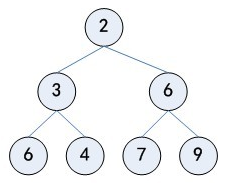
常用方法
| heappush(heap,item) | 往堆中插入一条新的值 |
| heappop(heap) | 从堆中弹出最小值 |
| heapreplace(heap,item) | 从堆中弹出最小值,并往堆中插入item |
| heappushpop(heap,item) | Python3中的heappushpop更高级 |
| heapify(x) | 以线性时间将一个列表转化为堆 |
| merge(*iterables,key=None,reverse=False) | 合并对个堆,然后输出 |
| nlargest(n,iterable,key=None) | 返回可枚举对象中的n个最大值并返回一个结果集list |
| nsmallest(n,iterable,key=None) | 返回可枚举对象中的n个最小值并返回一个结果集list |
常用方法示例
#coding=utf-8

import heapq

import random

def test():

    li = list(random.sample(range(100),6))

    print (li)

    n = len(li)

    #nlargest

    print ("nlargest:",heapq.nlargest(n, li))

    #nsmallest

    print ("nsmallest:", heapq.nsmallest(n, li))

    #heapify

    print('original list is', li)

    heapq.heapify(li)

    print('heapify  list is', li)

    # heappush & heappop

    heapq.heappush(li, 105)

    print('pushed heap is', li)

    heapq.heappop(li)

    print('popped heap is', li)

    # heappushpop & heapreplace

    heapq.heappushpop(li, 130)    # heappush -> heappop

    print('heappushpop', li)

    heapq.heapreplace(li, 2)    # heappop -> heappush

    print('heapreplace', li)
>>> [15, 2, 50, 34, 37, 55]
>>> nlargest: [55, 50, 37, 34, 15, 2]
>>> nsmallest: [2, 15, 34, 37, 50, 55]
>>> original list is [15, 2, 50, 34, 37, 55]
>>> heapify list is [2, 15, 50, 34, 37, 55]
>>> pushed heap is [2, 15, 50, 34, 37, 55, 105]
>>> popped heap is [15, 34, 50, 105, 37, 55]
>>> heappushpop [34, 37, 50, 105, 130, 55]
>>> heapreplace [2, 37, 50, 105, 130, 55]
堆排序示例
heapq模块中有几张方法进行排序:
方法一:
#coding=utf-8

import heapq

def heapsort(iterable):

    heap = []

    for i in iterable:

        heapq.heappush(heap, i)

    return [heapq.heappop(heap) for j in range(len(heap))]

if __name__ == "__main__":

    li = [30,40,60,10,20,50]

    print(heapsort(li))
>>>> [10, 20, 30, 40, 50, 60]
方法二(使用nlargest或nsmallest):
li = [30,40,60,10,20,50]

#nlargest

n = len(li)

print ("nlargest:",heapq.nlargest(n, li))

#nsmallest

print ("nsmallest:", heapq.nsmallest(n, li))
>>> nlargest: [60, 50, 40, 30, 20, 10]
>>> nsmallest: [10, 20, 30, 40, 50, 60]
方法三(使用heapify):
def heapsort(list):

    heapq.heapify(list)

    heap = []

    while(list):

        heap.append(heapq.heappop(list))

    li[:] = heap

    print (li)

if __name__ == "__main__":

    li = [30,40,60,10,20,50]

    heapsort(li)
>>> [10, 20, 30, 40, 50, 60]
堆在优先级队列中的应用
需求:实现任务的添加,删除(相当于任务的执行),修改任务优先级
pq = []                         # list of entries arranged in a heap

entry_finder = {}               # mapping of tasks to entries

REMOVED = '<removed-task>'      # placeholder for a removed task

counter = itertools.count()     # unique sequence count

def add_task(task, priority=0):

    'Add a new task or update the priority of an existing task'

    if task in entry_finder:

        remove_task(task)

    count = next(counter)

    entry = [priority, count, task]

    entry_finder[task] = entry

    heappush(pq, entry)

def remove_task(task):

    'Mark an existing task as REMOVED.  Raise KeyError if not found.'

    entry = entry_finder.pop(task)

    entry[-1] = REMOVED

def pop_task():

    'Remove and return the lowest priority task. Raise KeyError if empty.'

    while pq:

        priority, count, task = heappop(pq)

        if task is not REMOVED:

            del entry_finder[task]

            return task

    raise KeyError('pop from an empty priority queue')
Python常用数据结构之heapq模块的更多相关文章
- Python常用数据结构之collections模块
Python数据结构常用模块:collections.heapq.operator.itertools collections collections是日常工作中的重点.高频模块,常用类型由: 计数器 ...
- Python常用内置模块之xml模块
xml即可扩展标记语言,它可以用来标记数据.定义数据类型,是一种允许用户对自己的标记语言进行定义的源语言.从结构上,很像HTML超文本标记语言.但他们被设计的目的是不同的,超文本标记语言被设计用来显示 ...
- Python常用的内建模块
PS:Python之所以自称“batteries included”,就是因为内置了许多非常有用的模块,无需额外安装和配置,即可直接使用.下面就来看看一些常用的内建模块. 参考原文 廖雪峰常用的内建模 ...
- python常用数据结构讲解
一:序列 在数学上,序列是被排成一排的对象,而在python中,序列是最基本的数据结构.它的主要特征为拥有索引,每个索引的元素是可迭代对象.都可以进行索引,切片,加,乘,检查成员等操作.在py ...
- python常用数据结构(1)
python中有四种最常用的数据结构,分别是列表(list),字典(dict),集合(set)和元组(tuple) 下面简单描述下它们的区别和联系 1.初始化 不得不说,python数据结构的初始化比 ...
- Python常用数据结构(列表)
Python中常用的数据结构有序列(如列表,元组,字符串),映射(如字典)以及集合(set),是主要的三类容器 内容 序列的基本概念 列表的概念和用法 元组的概念和用法 字典的概念和用法 各类型之间的 ...
- python 常用数据结构使用
python 字典操作 http://www.cnblogs.com/kaituorensheng/archive/2013/01/24/2875456.html python 字典排序 http:/ ...
- python常用数据结构的常用操作
作为基础练习吧.列表LIST,元组TUPLE,集合SET,字符串STRING等等,显示,增删,合并... #===========List===================== shoplist ...
- python常用数据结构
0. 字典初始化 d = {'a':1,'b':2} 或 d={} d['a'] = 1 d['b'] = 2 是不是和json格式数据很相似,语法和JavaScript又很相似 1. 变量接受序列分 ...
随机推荐
- Java数据持久层框架 MyBatis之背景知识三
摘录自:http://www.cnblogs.com/lcngu/p/5437281.html 对于MyBatis的学习而言,最好去MyBatis的官方文档:http://www.mybatis.or ...
- 【js 笔记】读阮一峰老师 es6 入门笔记 —— 第二章
第二章:变量的解构赋值 在es6 版本前,如果要为多个变量赋不同值,我想是件比较麻烦的事情.但es6 版本新推出了一个新技术那就是今天的主角变量的解构赋值. 变量解构赋值分为两种方法:数组解构赋值 和 ...
- Python3基础知识
1.查看关键字 Python3查看关键字要先导入模块keyword,然后运用keyword的属性kwlist获取 >>> import keyword>>> key ...
- bash中声明变量方法
bash提供了declare命令来声明变量,该命令的基本语法如下: declare attribute variable 其中,attribute表示变量的属性,常用的属性有如下所述. ...
- SpringMvc4.x---快捷的ViewController
@RequestMapping("/index") public String hello(){ return "index"; } 此处无任何的业务处理,只是 ...
- iris数据集 决策树实现分类并画出决策树
# coding=utf-8 import pandas as pd from sklearn.model_selection import train_test_split from sklearn ...
- getRequestDispatcher()和response.sendRedirect()
request.getRequestDispatcher()是请求转发,前后页面共享一个request response.sendRedirect()是重新定向,前后页面不是一个request.
- Jetson TX2刷机教程(原创)
Jetson TX2刷机教程 一,硬件准备 1台host主机(linux系统,最好是ubuntu64位) 1台Jetson TX2的平台 二,软件包 JetPack(Jetson SDK) 下载地址: ...
- Tomcat(五):nginx/httpd + tomcat及负载均衡tomcat
*/ .hljs { display: block; overflow-x: auto; padding: 0.5em; color: #333; background: #f8f8f8; } .hl ...
- 一步一步创建ASP.NET MVC5程序[Repository+Autofac+Automapper+SqlSugar](八)
前言 Hi, 大家好,还是星期五,还是Rector,又在图享网准时和大家见面了. 今天给大家带来系列教程<一步一步创建ASP.NET MVC5程序[Repository+Autofac+Auto ...