
伪元素:target
:target 伪类选择器
|
1
2
3
4
5
6
|
<ul class='nav'>
<li>列表1</li>
<li>列表2</li>
</ul>
<div>列表1内容:123456</div>
<div>列表2内容:abcdefgkijkl</div>
|
|
1
2
3
4
5
6
|
<ul class='nav'>
<li><a href="#content1">列表1</a></li>
<li><a href="#content2">列表2</a></li>
</ul>
<div id="content1">列表1内容:123456</div>
<div id="content2">列表2内容:abcdefgkijkl</div>
|
|
1
2
3
4
5
6
7
8
9
|
#content1,
#content2{
display:none;
}
#content1:target,
#content2:target{
display:block;
}
|
|
1
2
3
4
5
6
|
<div id="content1">列表1内容:123456</div>
<div id="content2">列表2内容:abcdefgkijkl</div>
<ul class='nav'>
<li><a href="#content1">列表1</a></li>
<li><a href="#content2">列表2</a></li>
</ul>
|
E~F{ cssRules } ,CSS3 兄弟选择符(E~F) ,选择 E 元素后面的所有兄弟元素 F。注意这里,最重要的一句话是 E~F 只能选择 E 元素 之后 的 F 元素,所以顺序就显得很重要了。
|
1
2
3
4
5
6
7
8
9
10
11
12
13
14
|
#content1:target ~ .nav li{
// 改变li元素的背景色和字体颜色
&:first-child{
background:#ff7300;
color:#fff;
}
}
#content2:target ~ .nav li{
// 改变li元素的背景色和字体颜色
&:last-child{
background:#ff7300;
color:#fff;
}
}
|
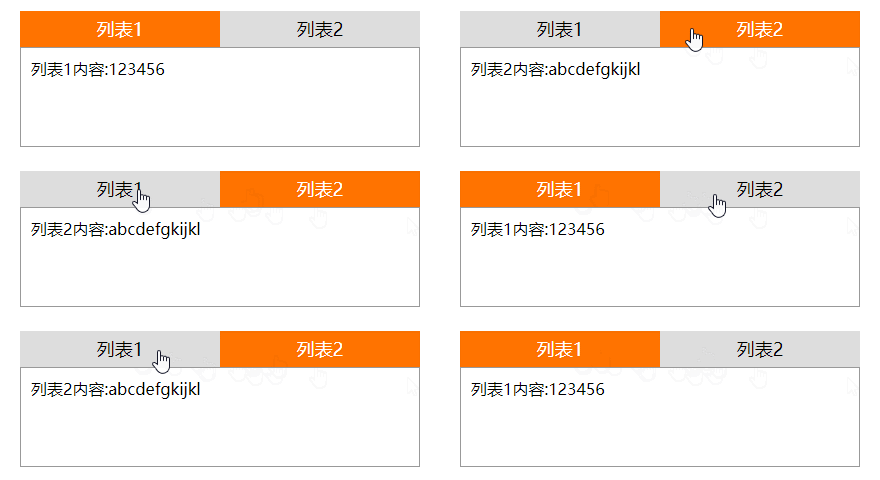
<!DOCTYPE html>

<html lang="en">

<head>

<meta charset="UTF-8">

<title>Title</title>

<style>

.container {

position: relative;

width: 400px;

margin: 50px auto;

box-sizing: border-box;

}

.nav {

position: relative;

overflow: hidden;

list-style: none;

padding: 0;

margin: 0;

}

ul li{

list-style: none;

}

li {

width: 50%;

float: left;

text-align: center;

background: #ddd;

}

li a {

display: block;

line-height: 36px;

font-size: 18px;

cursor: pointer;

text-decoration: none;

color: #000;

}

#content1, #content2 {

position: absolute;

overflow: hidden;

top: 36px;

height: 100px;

border: 1px solid #999;

box-sizing: border-box;

}

#content1, #content2 {

display: none;

width: 100%;

background: #fff;

}

#content1:target, #content2:target {

display: block;

}

#content1.active {

display: block;

}

.active ~ .nav li:first-child {

background: #ff7300;

color: #fff;

}

#content1:target ~ .nav li {

background: #ddd;

color: #000;

}

#content1:target ~ .nav li:first-child {

background: #ff7300;

color: #fff;

}

#content2:target ~ .nav li {

background: #ddd;

color: #000;

}

#content2:target ~ .nav li:last-child {

background: #ff7300;

color: #fff;

}

</style>

</head>

<body>

<div class="container">

<div id="content1" class="active">列表1内容:123456</div>

<div id="content2">列表2内容:abcdefgkijkl</div>

<ul class='nav'>

<li class="active"><a href="#content1">列表1</a></li>

<li><a href="#content2">列表2</a></li>

</ul>

</div>

</body>

</html>
法二:<input type="radio"> && <label for="">
|
1
2
3
4
5
|
<input class="nav1" type="radio">
<ul class='nav'>
<li>列表1</li>
</ul>
|
|
1
2
3
|
.nav1:checked ~ .nav li {
// 进行样式操作
}
|
同样用到了兄弟选择符 ~
|
1
2
3
4
5
|
<input class="nav1" id="li1" type="radio">
<ul class='nav'>
<li><label for="li1">列表1</label></li>
</ul>
|
label 标签中的 for 定义:for 属性规定 label 与哪个表单元素绑定。
|
1
2
3
|
input{
display:none;
}
|
|
1
2
3
4
5
6
7
8
9
10
11
12
|
<div class="container">
<input class="nav1" id="li1" type="radio" name="nav">
<input class="nav2" id="li2" type="radio" name="nav">
<ul class='nav'>
<li class='active'><label for="li1">列表1</label></li>
<li><label for="li2">列表2</label></li>
</ul>
<div class="content">
<div class="content1">列表1内容:123456</div>
<div class="content1">列表2内容:abcdefgkijkl</div>
</div>
</div>
|
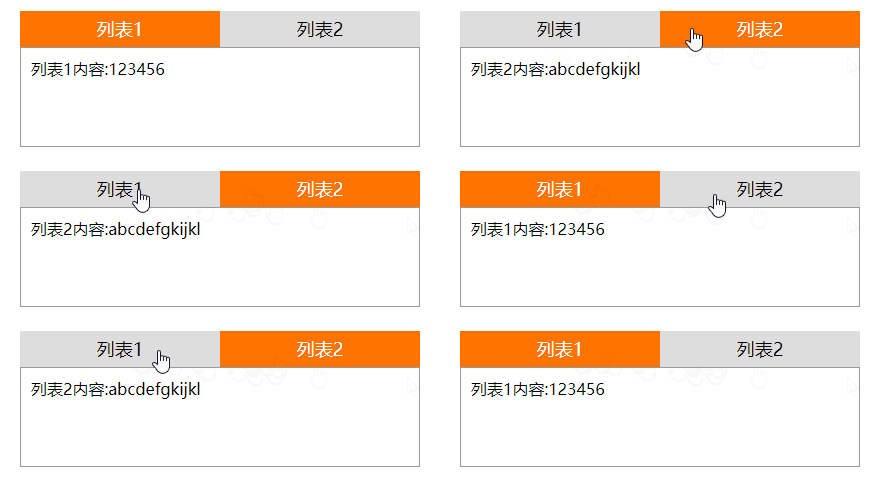
<!DOCTYPE html>

<html lang="en">

<head>

<meta charset="UTF-8">

<title>Title</title>

<style>

.container {

position: relative;

width: 400px;

margin: 50px auto;

}

input {

display: none;

}

.nav {

position: relative;

overflow: hidden;

}

* {

margin: 0;

padding: 0;

}

li {

float: left;

list-style: none;

text-align: center;

background: #ddd;

}

li label {

display: block;

width: 200px;

line-height: 36px;

font-size: 18px;

cursor: pointer;

}

.content {

position: relative;

overflow: hidden;

width: 400px;

height: 100px;

border: 1px solid #999;

box-sizing: border-box;

padding: 10px;

}

.content1,

.content2 {

display: none;

width: 100%;

height: 100%;

}

.nav1:checked ~ .nav li {

background: #ddd;

color: #000;

}

.nav1:checked ~ .nav li:first-child {

background: #ff7300;

color: #fff;

}

.nav2:checked ~ .nav li {

background: #ddd;

color: #000;

}

.nav2:checked ~ .nav li:last-child {

background: #ff7300;

color: #fff;

}

.nav1:checked ~ .content > div {

display: none;

}

.nav1:checked ~ .content > div:first-child {

display: block;

}

.nav2:checked ~ .content > div {

display: none;

}

.nav2:checked ~ .content > div:last-child {

display: block;

}

.active {

background: #ff7300;

color: #fff;

}

.default {

display: block;

}

</style>

</head>

<body>

<div class="container">

<input class="nav1" id="li1" type="radio" name="nav">

<input class="nav2" id="li2" type="radio" name="nav">

<ul class='nav'>

<li class='active'><label for="li1">列表1</label></li>

<li><label for="li2">列表2</label></li>

</ul>

<div class="content">

<div class="content1 default">列表1内容:123456</div>

<div class="content2">列表2内容:abcdefgkijkl</div>

</div>

</div>

</body>

</html>
伪元素:target的更多相关文章
- CSS笔记之伪类与伪元素
伪类分为两种:UI伪类 与 结构化伪类 UI伪类:a:link{} a:hover{} a:active{} a:visited{} input[type='text']:focus{} ...
- ::before和::after伪元素的用法
一.介绍 css3为了区分伪类和伪元素,伪元素采用双冒号写法. 常见伪类——:hover,:link,:active,:target,:not(),:focus. 常见伪元素——::first-let ...
- CSS伪类和伪元素
一.伪类 CSS伪类用于向某些选择器添加特殊的效果,在W3规范中,CSS伪类有如下几个: CSS2.1 :active:向被激活的元素添加样式(激活是指点击鼠标那一下) :focus:向拥有键盘输入焦 ...
- css伪类选择器及伪元素选择器
1.类选择器 在css中可以使用类选择器把相同的元素定义成不同的样式.比如: 结果如下: 标题背景未变 2.伪类选择器 类选择器和伪类选择器的区别在于,类选择器我们定义的,而伪类选择器是CSS中已经定 ...
- css3 -- 伪类与伪元素
伪类: 1.结构伪类 A:E : first-child{} E : nth-*(n){} E : first-*(even){} E : first-*(odd){} B:nth-child 是根 ...
- css伪元素选择器
<!DOCTYPE html><html lang="en"><head> <meta charset="UTF-8" ...
- CSS_03_04_CSS伪元素选择器
第01步:编写css代码:wei.css @charset "utf-8"; /* 伪元素选择器 :状态 效果顺序:L V H A */ a:link.lin_01{/*超链接,未 ...
- 使用css3伪元素制作时间轴并且实现鼠标选中高亮效果
利用css3来制作时间轴的知识要点:伪元素,以及如何在伪元素上添加锚伪类 1)::before 在元素之前添加内容. 2)::after 在元素之后添加内容. 提示:亦可写成 :before :aft ...
- CSS——伪元素与伪类
伪类与伪元素 伪类:在特殊性中占据0,0,1,0 :link 向未访问的链接添加特殊的样式.也就是说,链接所指的 URI 尚未出现在用户代理的历史中.这种状态与 :visited状态是互斥的. :vi ...
随机推荐
- 《Spring Boot 实战》随记
第一部分 Spring 4.x 1. Spring基础 略过 2. Spring常用配置 2.1 Bean的scope 使用@Scope注解配置scope.默认signleton,原型模式protot ...
- URAL - 1902 Neo-Venice
题目: Mars was the first planet colonized by humans. After a long terraforming process its appearance ...
- ASYNCAPI
https://www.asyncapi.com Introduction AsyncAPI provides a specification that allows you to define Me ...
- JS中函数之外不能写return
JS中return有时会遇到这种情况,具体表现为:google浏览器等浏览器可以继续执行,IE浏览器不能执行return,并且google浏览器:执行时会显示SyntaxError: Illegal ...
- java jvm内存管理/gc策略/参数设置
1. JVM内存管理:深入垃圾收集器与内存分配策略 http://www.iteye.com/topic/802638 Java与C++之间有一堵由内存动态分配和垃圾收集技术所围成的高墙,墙外面的人想 ...
- 【北京集训D2T3】tvt
[北京集训D2T3]tvt \(n,q \le 1e9\) 题目分析: 首先需要对两条路径求交,对给出的四个点的6个lca进行分类讨论.易于发现路径的交就是这六个lca里面最深的两个所形成的链. 然后 ...
- java拷贝指定文件夹下的指定文件类型
例如:把C:\Windows\SysWOW64下的所有dll文件拷贝到C:\Users\Administrator\Desktop\64dll这个目录 package com.xiaostudy.co ...
- eclipse中的错误解决——Servlet cannot be resolved to a type
问题如图 解决问题方法
- ixgbe RSS原理分析
这个月,一直在搞ixgbe RSS,希望能使得收包均衡,结果没成功,但是对网卡的收包原理理解得更深入些. 1.网卡硬件通过网线或者光纤收包. 2.网卡的RSS功能根据网络五元组计算得到32bit的ha ...
- java-四则运算-四
题目要求:查找数组连成环形的和最大的连续子数组 实验代码: package zuoYe; import java.util.Scanner; public class MaxSubArray { pu ...