
Spring Cloud Gateway-自定义异常处理
前提
我们平时在用SpringMVC的时候,只要是经过DispatcherServlet处理的请求,可以通过@ControllerAdvice和@ExceptionHandler自定义不同类型异常的处理逻辑,具体可以参考ResponseEntityExceptionHandler和DefaultHandlerExceptionResolver,底层原理很简单,就是发生异常的时候搜索容器中已经存在的异常处理器并且匹配对应的异常类型,匹配成功之后使用该指定的异常处理器返回结果进行Response的渲染,如果找不到默认的异常处理器则用默认的进行兜底(个人认为,Spring在很多功能设计的时候都有这种“有则使用自定义,无则使用默认提供”这种思想十分优雅)。
SpringMVC中提供的自定义异常体系在Spring-WebFlux中并不适用,其实原因很简单,两者底层的运行容器并不相同。WebExceptionHandler是Spring-WebFlux的异常处理器顶层接口,因此追溯到子类可以追踪到DefaultErrorWebExceptionHandler是Spring Cloud Gateway的全局异常处理器,配置类是ErrorWebFluxAutoConfiguration。
为什么要自定义异常处理
先画一个假想但是贴近实际架构图,定位一下网关的作用:
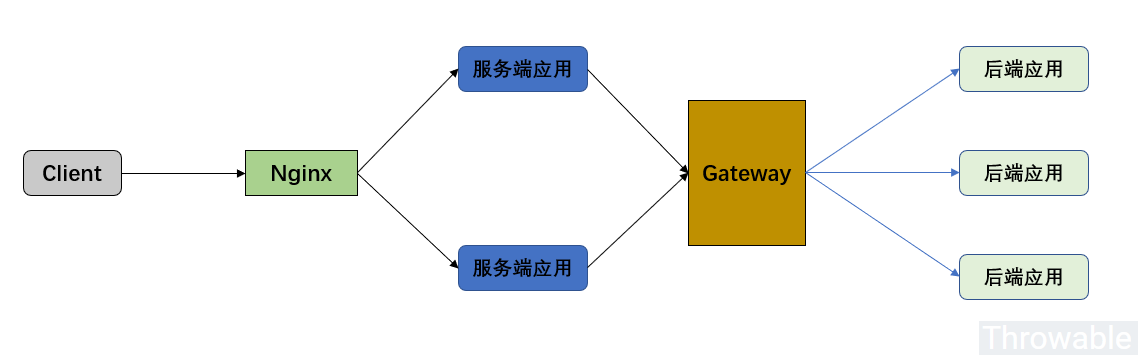
网关在整个架构中的作用是:
- 路由服务端应用的请求到后端应用。
- (聚合)后端应用的响应转发到服务端应用。
假设网关服务总是正常的前提下:
对于第1点来说,假设后端应用不能平滑无损上线,会有一定的几率出现网关路由请求到一些后端的“僵尸节点(请求路由过去的时候,应用更好在重启或者刚好停止)”,这个时候会路由会失败抛出异常,一般情况是Connection Refuse。
对于第2点来说,假设后端应用没有正确处理异常,那么应该会把异常信息经过网关转发回到服务端应用,这种情况理论上不会出现异常。
其实还有第3点隐藏的问题,网关如果不单单承担路由的功能,还包含了鉴权、限流等功能,如果这些功能开发的时候对异常捕获没有做完善的处理甚至是逻辑本身存在BUG,有可能导致异常没有被正常捕获处理,走了默认的异常处理器DefaultErrorWebExceptionHandler,默认的异常处理器的处理逻辑可能并不符合我们预期的结果。
如何自定义异常处理
我们可以先看默认的异常处理器的配置类ErrorWebFluxAutoConfiguration:
@Configuration

@ConditionalOnWebApplication(type = ConditionalOnWebApplication.Type.REACTIVE)

@ConditionalOnClass(WebFluxConfigurer.class)

@AutoConfigureBefore(WebFluxAutoConfiguration.class)

@EnableConfigurationProperties({ ServerProperties.class, ResourceProperties.class })

public class ErrorWebFluxAutoConfiguration {

	private final ServerProperties serverProperties;

	private final ApplicationContext applicationContext;

	private final ResourceProperties resourceProperties;

	private final List<ViewResolver> viewResolvers;

	private final ServerCodecConfigurer serverCodecConfigurer;

	public ErrorWebFluxAutoConfiguration(ServerProperties serverProperties,

			ResourceProperties resourceProperties,

			ObjectProvider<ViewResolver> viewResolversProvider,

			ServerCodecConfigurer serverCodecConfigurer,

			ApplicationContext applicationContext) {

		this.serverProperties = serverProperties;

		this.applicationContext = applicationContext;

		this.resourceProperties = resourceProperties;

		this.viewResolvers = viewResolversProvider.orderedStream()

				.collect(Collectors.toList());

		this.serverCodecConfigurer = serverCodecConfigurer;

	}

	@Bean

	@ConditionalOnMissingBean(value = ErrorWebExceptionHandler.class,

			search = SearchStrategy.CURRENT)

	@Order(-1)

	public ErrorWebExceptionHandler errorWebExceptionHandler(

			ErrorAttributes errorAttributes) {

		DefaultErrorWebExceptionHandler exceptionHandler = new DefaultErrorWebExceptionHandler(

				errorAttributes, this.resourceProperties,

				this.serverProperties.getError(), this.applicationContext);

		exceptionHandler.setViewResolvers(this.viewResolvers);

		exceptionHandler.setMessageWriters(this.serverCodecConfigurer.getWriters());

		exceptionHandler.setMessageReaders(this.serverCodecConfigurer.getReaders());

		return exceptionHandler;

	}

	@Bean

	@ConditionalOnMissingBean(value = ErrorAttributes.class,

			search = SearchStrategy.CURRENT)

	public DefaultErrorAttributes errorAttributes() {

		return new DefaultErrorAttributes(

				this.serverProperties.getError().isIncludeException());

	}

}
注意到两个Bean实例ErrorWebExceptionHandler和DefaultErrorAttributes都使用了@ConditionalOnMissingBean注解,也就是我们可以通过自定义实现去覆盖它们。先自定义一个CustomErrorWebFluxAutoConfiguration(除了ErrorWebExceptionHandler的自定义实现,其他直接拷贝ErrorWebFluxAutoConfiguration):
@Configuration

@ConditionalOnWebApplication(type = ConditionalOnWebApplication.Type.REACTIVE)

@ConditionalOnClass(WebFluxConfigurer.class)

@AutoConfigureBefore(WebFluxAutoConfiguration.class)

@EnableConfigurationProperties({ServerProperties.class, ResourceProperties.class})

public class CustomErrorWebFluxAutoConfiguration {

    private final ServerProperties serverProperties;

    private final ApplicationContext applicationContext;

    private final ResourceProperties resourceProperties;

    private final List<ViewResolver> viewResolvers;

    private final ServerCodecConfigurer serverCodecConfigurer;

    public CustomErrorWebFluxAutoConfiguration(ServerProperties serverProperties,

                                               ResourceProperties resourceProperties,

                                               ObjectProvider<ViewResolver> viewResolversProvider,

                                               ServerCodecConfigurer serverCodecConfigurer,

                                               ApplicationContext applicationContext) {

        this.serverProperties = serverProperties;

        this.applicationContext = applicationContext;

        this.resourceProperties = resourceProperties;

        this.viewResolvers = viewResolversProvider.orderedStream()

                .collect(Collectors.toList());

        this.serverCodecConfigurer = serverCodecConfigurer;

    }

    @Bean

    @ConditionalOnMissingBean(value = ErrorWebExceptionHandler.class,

            search = SearchStrategy.CURRENT)

    @Order(-1)

    public ErrorWebExceptionHandler errorWebExceptionHandler(ErrorAttributes errorAttributes) {

        // TODO 这里完成自定义ErrorWebExceptionHandler实现逻辑

        return null;

    }

    @Bean

    @ConditionalOnMissingBean(value = ErrorAttributes.class, search = SearchStrategy.CURRENT)

    public DefaultErrorAttributes errorAttributes() {

        return new DefaultErrorAttributes(this.serverProperties.getError().isIncludeException());

    }

}
ErrorWebExceptionHandler的实现,可以直接参考DefaultErrorWebExceptionHandler,甚至直接继承DefaultErrorWebExceptionHandler,覆盖对应的方法即可。这里直接把异常信息封装成下面格式的Response返回,最后需要渲染成JSON格式:
{

  "code": 200,

  "message": "描述信息",

  "path" : "请求路径",

  "method": "请求方法"

}
我们需要分析一下DefaultErrorWebExceptionHandler中的一些源码:
// 封装异常属性

protected Map<String, Object> getErrorAttributes(ServerRequest request, boolean includeStackTrace) {

	return this.errorAttributes.getErrorAttributes(request, includeStackTrace);

}

// 渲染异常Response

protected Mono<ServerResponse> renderErrorResponse(ServerRequest request) {

	boolean includeStackTrace = isIncludeStackTrace(request, MediaType.ALL);

	Map<String, Object> error = getErrorAttributes(request, includeStackTrace);

	return ServerResponse.status(getHttpStatus(error))

			.contentType(MediaType.APPLICATION_JSON_UTF8)

			.body(BodyInserters.fromObject(error));

}

// 返回路由方法基于ServerResponse的对象

@Override

protected RouterFunction<ServerResponse> getRoutingFunction(ErrorAttributes errorAttributes) {

	return route(acceptsTextHtml(), this::renderErrorView).andRoute(all(), this::renderErrorResponse);

}

// HTTP响应状态码的封装,原来是基于异常属性的status属性进行解析的

protected HttpStatus getHttpStatus(Map<String, Object> errorAttributes) {

	int statusCode = (int) errorAttributes.get("status");

	return HttpStatus.valueOf(statusCode);

}
确定三点:
- 最后封装到响应体的对象来源于
DefaultErrorWebExceptionHandler#getErrorAttributes(),并且结果是一个Map<String, Object>实例转换成的字节序列。 - 原来的
RouterFunction实现只支持HTML格式返回,我们需要修改为JSON格式返回(或者说支持所有格式返回)。 DefaultErrorWebExceptionHandler#getHttpStatus()是响应状态码的封装,原来的逻辑是基于异常属性getErrorAttributes()的status属性进行解析的。
自定义的JsonErrorWebExceptionHandler如下:
public class JsonErrorWebExceptionHandler extends DefaultErrorWebExceptionHandler {

    public JsonErrorWebExceptionHandler(ErrorAttributes errorAttributes,

                                        ResourceProperties resourceProperties,

                                        ErrorProperties errorProperties,

                                        ApplicationContext applicationContext) {

        super(errorAttributes, resourceProperties, errorProperties, applicationContext);

    }

    @Override

    protected Map<String, Object> getErrorAttributes(ServerRequest request, boolean includeStackTrace) {

        // 这里其实可以根据异常类型进行定制化逻辑

        Throwable error = super.getError(request);

        Map<String, Object> errorAttributes = new HashMap<>(8);

        errorAttributes.put("message", error.getMessage());

        errorAttributes.put("code", HttpStatus.INTERNAL_SERVER_ERROR.value());

        errorAttributes.put("method", request.methodName());

        errorAttributes.put("path", request.path());

        return errorAttributes;

    }

    @Override

    protected RouterFunction<ServerResponse> getRoutingFunction(ErrorAttributes errorAttributes) {

        return RouterFunctions.route(RequestPredicates.all(), this::renderErrorResponse);

    }

    @Override

    protected HttpStatus getHttpStatus(Map<String, Object> errorAttributes) {

        // 这里其实可以根据errorAttributes里面的属性定制HTTP响应码

        return HttpStatus.INTERNAL_SERVER_ERROR;

    }

}
配置类CustomErrorWebFluxAutoConfiguration添加JsonErrorWebExceptionHandler:
@Bean

@ConditionalOnMissingBean(value = ErrorWebExceptionHandler.class, search = SearchStrategy.CURRENT)

@Order(-1)

public ErrorWebExceptionHandler errorWebExceptionHandler(ErrorAttributes errorAttributes) {

    JsonErrorWebExceptionHandler exceptionHandler = new JsonErrorWebExceptionHandler(

                errorAttributes,

                resourceProperties,

                this.serverProperties.getError(),

                applicationContext);

    exceptionHandler.setViewResolvers(this.viewResolvers);

    exceptionHandler.setMessageWriters(this.serverCodecConfigurer.getWriters());

    exceptionHandler.setMessageReaders(this.serverCodecConfigurer.getReaders());

    return exceptionHandler;

}
很简单,这里把异常的HTTP响应状态码统一为HttpStatus.INTERNAL_SERVER_ERROR(500),改造的东西并不多,只要了解原来异常处理的上下文逻辑即可。
测试
测试场景一:只启动网关,下游服务不启动的情况下直接调用下游服务:
curl http://localhost:9090/order/host

// 响应结果

{"path":"/order/host","code":500,"message":"Connection refused: no further information: localhost/127.0.0.1:9091","method":"GET"}
测试场景二:下游服务正常启动和调用,网关自身抛出异常。
在网关应用自定义一个全局过滤器并且故意抛出异常:
@Component

public class ErrorGlobalFilter implements GlobalFilter {

    @Override

    public Mono<Void> filter(ServerWebExchange exchange, GatewayFilterChain chain) {

        int i = 1/0;

        return chain.filter(exchange);

    }

}
curl http://localhost:9090/order/host

// 响应结果

{"path":"/order/host","code":500,"message":"/ by zero","method":"GET"}
响应结果和定制的逻辑一致,并且后台的日志也打印了对应的异常堆栈。
小结
笔者一直认为,做异常分类和按照分类处理是工程里面十分重要的一环。笔者在所在公司负责的系统中,坚持实现异常分类捕获,主要是需要区分可以重试补偿以及无法重试需要及时预警的异常,这样子才能针对可恢复异常定制自愈逻辑,对不能恢复的异常及时预警和人为介入。所以,Spring Cloud Gateway这个技术栈也必须调研其自定义异常的处理逻辑。
原文链接
- GitHub Page:http://www.throwable.club/2019/05/11/spring-cloud-gateway-custom-exception-handler
- Coding Page:http://throwable.coding.me/2019/05/11/spring-cloud-gateway-custom-exception-handler
(本文完 c-1-d e-a-20190511)
Spring Cloud Gateway-自定义异常处理的更多相关文章
- Spring Cloud Gateway自定义异常处理Exception Handler
版本: Spring Cloud 2020.0.3 常见的方法有 实现自己的 DefaultErrorWebExceptionHandler 或 仅实现ErrorAttributes. 方法1: Er ...
- spring cloud gateway自定义过滤器
在API网关spring cloud gateway和负载均衡框架ribbon实战文章中,主要实现网关与负载均衡等基本功能,详见代码.本节内容将继续围绕此代码展开,主要讲解spring cloud g ...
- Spring Cloud Gateway中异常处理
最近我们的项目在考虑使用Gateway,考虑使用Spring Cloud Gateway,发现网关的异常处理和spring boot 单体应用异常处理还是有很大区别的.让我们来回顾一下异常. 关于异常 ...
- Spring Cloud Alibaba学习笔记(21) - Spring Cloud Gateway 自定义全局过滤器
在前文中,我们介绍了Spring Cloud Gateway内置了一系列的全局过滤器,本文介绍如何自定义全局过滤器. 自定义全局过滤需要实现GlobalFilter 接口,该接口和 GatewayFi ...
- Spring Cloud Alibaba学习笔记(19) - Spring Cloud Gateway 自定义过滤器工厂
在前文中,我们介绍了Spring Cloud Gateway内置了一系列的内置过滤器工厂,若Spring Cloud Gateway内置的过滤器工厂无法满足我们的业务需求,那么此时就需要自定义自己的过 ...
- Spring Cloud Alibaba学习笔记(17) - Spring Cloud Gateway 自定义路由谓词工厂
在前文中,我们介绍了Spring Cloud Gateway内置了一系列的路由谓词工厂,但是如果这些内置的路由谓词工厂不能满足业务需求的话,我们可以自定义路由谓词工厂来实现特定的需求. 例如有某个服务 ...
- Spring cloud gateway自定义filter以及负载均衡
自定义全局filter package com.example.demo; import java.nio.charset.StandardCharsets; import org.apache.co ...
- spring cloud gateway 自定义GatewayFilterFactory
spring cloud gateway提供了很多内置的过滤器,那么因为需求的关系,需要自定义实现,并且要可配置,在一番折腾之后,总算是解决了,那么久记录下来 对于自定义的factory,我们可以选择 ...
- Spring Cloud Gateway自定义过滤器实战(观测断路器状态变化)
欢迎访问我的GitHub https://github.com/zq2599/blog_demos 内容:所有原创文章分类汇总及配套源码,涉及Java.Docker.Kubernetes.DevOPS ...
- 微服务网关实战——Spring Cloud Gateway
导读 作为Netflix Zuul的替代者,Spring Cloud Gateway是一款非常实用的微服务网关,在Spring Cloud微服务架构体系中发挥非常大的作用.本文对Spring Clou ...
随机推荐
- JS 正则中环视(断言)应用 -- 数字千分符
介绍一下顺序环视 (?=...) 和逆序环视 (?<=...) 方便不想看长文的人,如果在支持 ES2018 的环境中整数可以这样使用: String(12345678).replace(/(? ...
- TYUT程序设计入门第四讲练习题题解--数论入门
程序设计入门第四讲练习题题解--数论入门 对于新知识点的学习,需要不断地刷题训练,才能有所收获,才能更好地消化知识点. 题组链接: 程序设计入门第四讲练习题--数论 by vjudge 题解: A. ...
- Python集合类型的操作与应用
Python集合类型的操作与应用 一.Python集合类型 Python中的集合类型是一个包含0个或多个数据项的无序的.不重复的数据组合,其中,元素类型只能是固定数据类型,如整数.浮点数.字符串.元组 ...
- Luogu P2210 Haywire 题解
其实这题吧...有一种玄学解法 这题的要求的就是一个最小化的顺序 那么,我们就不进想到了一种显然的写法 就是random_shuffle 什么?这不是乱搞的非正解吗 然而,正如一句话说的好 一个算法, ...
- java之工厂方法设计模式
工厂方法模式是设计模式中应用最广泛的模式.在面向对象的编程中,对象的创建工作非常简单,对象的创建时机却很重要.工厂方法模式就是解决这个问题,它通过面向对象的手法,将所要创建的具体对象创建工作延迟到了子 ...
- Linux查看CPU和内存情况
本文简单介绍在Linux上查看CPU和内存情况和一款系统资源查看工具htop. 查看CPU情况 以下是个人工作会经常使用到的服务器的信息. 查看所有CPU信息 可以通过如下命令查看所有CPU信息: # ...
- ycsb 测试Hbase性能
下载 github:https://github.com/brianfrankcooper/YCSB/releases/tag/0.10.0 wget https://github.com/brian ...
- Spark家族:Win10系统下搭建Scala开发环境
一.Scala环境基础 Scala对Java相关的类,接口进行了包装,所以依赖Jvm环境. Jdk 1.8 scala 依赖 scala 2.11 安装版本 idea 2017.3 开发工具 二.配置 ...
- Docker安装ELK
1.下载elk docker pull sebp/elk 2.启动elk //Elasticsearch至少需要单独2G的内存 //增加了一个volume绑定,以免重启container以后ES的数据 ...
- OpenCV绘制直线,矩形和园
首先导入我们所需要的库: import numpy as np import cv2 import matplotlib.pyplot as plt 自定义显示图像的函数: def show(imag ...