
SpringBoot-集成SpringSecurity
在 Web 开发中,安全一直是非常重要的一个方面。
安全虽然属于应用的非功能性需求,但是从应用开发的第一天就应该把安全相关的因素考虑进来,并在整个应用的开发过程中。
Spring Security官网介绍
Spring Security is a powerful and highly customizable authentication and access-control framework. It is the de-facto standard for securing Spring-based applications.
Spring Security is a framework that focuses on providing both authentication and authorization to Java applications. Like all Spring projects, the real power of Spring Security is found in how easily it can be extended to meet custom requirements
Spring Security是一个功能强大且高度可定制的身份验证和访问控制框架。它实际上是保护基于spring的应用程序的标准。
Spring Security是一个框架,侧重于为Java应用程序提供身份验证和授权。与所有Spring项目一样,Spring安全性的真正强大之处在于它可以轻松地扩展以满足定制需求。
Spring Security 基于 Spring 框架,提供了一套 Web 应用安全性的完整解决方案。一般来说,Web 应用的安全性包括用户认证(Authentication)和用户授权(Authorization)两个部分。用户认证指的是验证某个用户是否为系统中的合法主体,也就是说用户能否访问该系统。用户认证一般要求用户提供用户名和密码。系统通过校验用户名和密码来完成认证过程。用户授权指的是验证某个用户是否有权限执行某个操作。在一个系统中,不同用户所具有的权限是不同的。比如对一个文件来说,有的用户只能进行读取,而有的用户可以进行修改。一般来说,系统会为不同的用户分配不同的角色,而每个角色则对应一系列的权限。
对于上面提到的两种应用情景,Spring Security 框架都有很好的支持。在用户认证方面,Spring Security 框架支持主流的认证方式,包括 HTTP 基本认证、HTTP 表单验证、HTTP 摘要认证、OpenID 和 LDAP 等。在用户授权方面,Spring Security 提供了基于角色的访问控制和访问控制列表(Access Control List,ACL),可以对应用中的领域对象进行细粒度的控制。
应用
------------恢复内容开始------------
在 Web 开发中,安全一直是非常重要的一个方面。
安全虽然属于应用的非功能性需求,但是从应用开发的第一天就应该把安全相关的因素考虑进来,并在整个应用的开发过程中。
Spring Security官网介绍
Spring Security is a powerful and highly customizable authentication and access-control framework. It is the de-facto standard for securing Spring-based applications.
Spring Security is a framework that focuses on providing both authentication and authorization to Java applications. Like all Spring projects, the real power of Spring Security is found in how easily it can be extended to meet custom requirements
Spring Security是一个功能强大且高度可定制的身份验证和访问控制框架。它实际上是保护基于spring的应用程序的标准。
Spring Security是一个框架,侧重于为Java应用程序提供身份验证和授权。与所有Spring项目一样,Spring安全性的真正强大之处在于它可以轻松地扩展以满足定制需求。
Spring Security 基于 Spring 框架,提供了一套 Web 应用安全性的完整解决方案。一般来说,Web 应用的安全性包括用户认证(Authentication)和用户授权(Authorization)两个部分。用户认证指的是验证某个用户是否为系统中的合法主体,也就是说用户能否访问该系统。用户认证一般要求用户提供用户名和密码。系统通过校验用户名和密码来完成认证过程。用户授权指的是验证某个用户是否有权限执行某个操作。在一个系统中,不同用户所具有的权限是不同的。比如对一个文件来说,有的用户只能进行读取,而有的用户可以进行修改。一般来说,系统会为不同的用户分配不同的角色,而每个角色则对应一系列的权限。
对于上面提到的两种应用情景,Spring Security 框架都有很好的支持。在用户认证方面,Spring Security 框架支持主流的认证方式,包括 HTTP 基本认证、HTTP 表单验证、HTTP 摘要认证、OpenID 和 LDAP 等。在用户授权方面,Spring Security 提供了基于角色的访问控制和访问控制列表(Access Control List,ACL),可以对应用中的领域对象进行细粒度的控制。
应用
添加依赖
        <dependency>

            <groupId>org.springframework.boot</groupId>

            <artifactId>spring-boot-starter-web</artifactId>

        </dependency>

        <dependency>

            <groupId>org.springframework.boot</groupId>

            <artifactId>spring-boot-starter-test</artifactId>

            <scope>test</scope>

        </dependency>

        <dependency>

            <groupId>org.springframework.boot</groupId>

            <artifactId>spring-boot-starter-security</artifactId>

        </dependency>

        <!--thymeleaf-->

        <dependency>

            <groupId>org.springframework.boot</groupId>

            <artifactId>spring-boot-starter-thymeleaf</artifactId>

        </dependency>
编写一些具有层级关系的简单页面,方便后面的模拟访问:
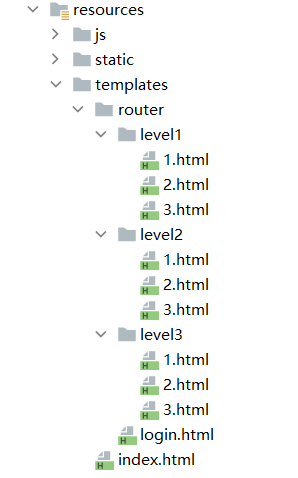
为这些页面对应的写上控制层:
package com.hwl.securitydemo.controller;

@Controller

public class RouterController {

    @RequestMapping({"/","/index"})

    public String index(){

        return "index";

    }

    @RequestMapping("/toLogin")

    public String toLogin(){

        return "router/login";

    }

    @RequestMapping("/level1/{id}")

    public String level1( @PathVariable("id") int id ){

        return "/router/level1/"+id;

    }

    @RequestMapping("/level2/{id}")

    public String level2( @PathVariable("id") int id ){

        return "router/level2/"+id;

    }

    @RequestMapping("/level3/{id}")

    public String level3( @PathVariable("id") int id ){

        return "router/level3/"+id;

    }

}
关闭 thymeleaf 方便开发测试:
spring.thymeleaf.cache=false
此时,测试运行项目,访问,进入到了Spring Security默认的登录页面,说明Security已经生效!
实际情况我们很少会使用默认的配置,所有这里也是通过定义自己的SecurityConfig来接管默认的配置:
@EnableWebSecurity

public class SecurityConfig extends WebSecurityConfigurerAdapter {

    @Override

    protected void configure(HttpSecurity http) throws Exception {

        //请求授权规则 首页人人都能访问 功能页有权限才可访问

        http.authorizeRequests().antMatchers("/").permitAll()

                .antMatchers("/level1/**").hasRole("VIP1")

                .antMatchers("/level2/**").hasRole("VIP2")

                .antMatchers("/level3/**").hasRole("VIP3");

        //没有权限默认去登录页 需要开启登录的页面- /login

        http.formLogin();

    }

    @Override

    protected void configure(AuthenticationManagerBuilder auth) throws Exception {

        //正常情况应该从数据读取

        auth.inMemoryAuthentication().passwordEncoder(new BCryptPasswordEncoder())

                .withUser("guest").password(new BCryptPasswordEncoder().encode("123456")).roles("VIP1")

                .and()

                .withUser("me").password(new BCryptPasswordEncoder().encode("123456")).roles("VIP2", "VIP3")

                .and()

                .withUser("root").password(new BCryptPasswordEncoder().encode("123456")).roles("VIP1", "VIP2", "VIP3");

    }

}
这个配置里,我们开放了默认页面,并设置3个VIP等级分别对应3个level组的访问权限,之后再模拟三个真实角色,分别为他们授权,例如me这个真实角色具有VIP2、VIP3这两个等级,对应的具有了level2、level3的访问权限。
注意:这里在实际项目中是用来自数据库的数据,这里为了更快更方便的测试,直接写数据模拟。
现在测试访问:
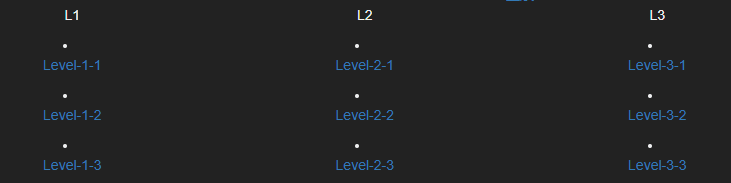
正在进入主页,测试访问任意一个功能链接:

因为没有登录过,被security拦截送去了默认的登录页面了。
现在登录me这个真实角色,正常返回具有权限后的主页,访问me具有的level2、level3下的功能:
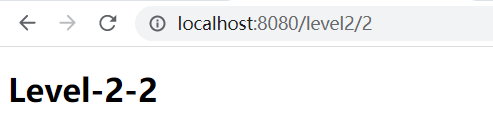
level2、level3成功访问到,现在测试me这个角色没访问权限的level1下的菜单:

没有访问到,返回了Error Page,这基本就完成了登录和访问拦截了。
现在虽然实现了角色的权限访问控制,但是还有优化空间,就是让没有权限的项目直接不让角色看到:
导入thymeleaf-springsecurity整合包
        <dependency>

            <groupId>org.thymeleaf.extras</groupId>

            <artifactId>thymeleaf-extras-springsecurity4</artifactId>

            <version>3.0.4.RELEASE</version>

        </dependency>
页面添加命名空间
xmlns:sec="http://www.thymeleaf.org/thymeleaf-extras-springsecurity4"
在页面上添加角色判断:
sec:authorize="hasRole('VIP1')"
<div class="col-md-3" sec:authorize="hasRole('VIP1')" >

            <p>

                L1

            </p>

            <p>

                <a th:href="@{/level1/1}"><li class="bullhorn icon"></li>Level-1-1</a>

            </p>

            <p>

                <a th:href="@{/level1/2}"><li class="bullhorn icon"></li>Level-1-2</a>

            </p>

            <p>

                <a th:href="@{/level1/3}"><li class="bullhorn icon"></li>Level-1-3</a>

            </p>

        </div>
VIP2、VIP3相同。
注销:
页面添加对应的:
                <a class="item" th:href="@{/logout}">

                    <i class="glyphicon glyphicon-log-out"></i> 注销

                </a>
在SecurityConfig中 configure(HttpSecurity http) 添加
        // 处理请求方式问题

         http.csrf().disable();

        //注销

        http.logout().logoutSuccessUrl("/");
因为页面这样的请求方式是get,所需要 http.csrf().disable();
此时从主页注销后,可以发现再次去点击功能的时候已经没有使用权限了,被送回了登录页面,注销能用。
SpringBoot-集成SpringSecurity的更多相关文章
- SpringBoot 集成SpringSecurity JWT
目录 1. 简介 1.1 SpringSecurity 1.2 OAuth2 1.3 JWT 2. SpringBoot 集成 SpringSecurity 2.1 导入Spring Security ...
- 【使用篇二】SpringBoot集成SpringSecurity(22)
SpringSecurity是专门针对基于Spring项目的安全框架,充分利用了依赖注入和AOP来实现安全管控.在很多大型企业级系统中权限是最核心的部分,一个系统的好与坏全都在于权限管控是否灵活,是否 ...
- Springboot集成SpringSecurity
一.Spring security 是什么? Spring Security是一个能够为基于Spring的企业应用系统提供声明式的安全访问控制解决方案的安全框架. 它提供了一组可以在Spring应用上 ...
- SpringBoot集成Spring Security(5)——权限控制
在第一篇中,我们说过,用户<–>角色<–>权限三层中,暂时不考虑权限,在这一篇,是时候把它完成了. 为了方便演示,这里的权限只是对角色赋予权限,也就是说同一个角色的用户,权限是 ...
- SpringBoot集成Spring Security(4)——自定义表单登录
通过前面三篇文章,你应该大致了解了 Spring Security 的流程.你应该发现了,真正的 login 请求是由 Spring Security 帮我们处理的,那么我们如何实现自定义表单登录呢, ...
- 【springBoot】springBoot集成redis的key,value序列化的相关问题
使用的是maven工程 springBoot集成redis默认使用的是注解,在官方文档中只需要2步; 1.在pom文件中引入即可 <dependency> <groupId>o ...
- SpringBoot集成security
本文就SpringBoot集成Security的使用步骤做出解释说明.
- springboot集成Actuator
Actuator监控端点,主要用来监控与管理. 原生端点主要分为三大类:应用配置类.度量指标类.操作控制类. 应用配置类:获取应用程序中加载的配置.环境变量.自动化配置报告等与SpringBoot应用 ...
- SpringBoot集成Shiro并用MongoDB做Session存储
之前项目鉴权一直使用的Shiro,那是在Spring MVC里面使用的比较多,而且都是用XML来配置,用Shiro来做权限控制相对比较简单而且成熟,而且我一直都把Shiro的session放在mong ...
- SpringBoot集成redis的key,value序列化的相关问题
使用的是maven工程 springBoot集成redis默认使用的是注解,在官方文档中只需要2步; 1.在pom文件中引入即可 <dependency> <groupId>o ...
随机推荐
- 高德地图——公交路线规划(关键字&坐标)
&plugin=AMap.Transfer 1.关键词方式---不支持途径(仅支持2个数据) <!DOCTYPE html> <html> <head> & ...
- 再过五分钟,你就懂 HTTP 2.0 了!
Hey guys ,各位小伙伴们大家好,这里是程序员 cxuan,欢迎你收看我最新一期的文章. 这篇文章我们来聊一聊 HTTP 2.0,以及 HTTP 2.0 它在 HTTP 1.1 的基础上做了哪些 ...
- 超实用的idea技巧,windows技巧,用于节省时间!
进去https://zhangjzm.gitee.io/self_study 找平常积累,或者其它的
- css 边框添加三角形指向,简单粗暴,易学易懂
构建一个 div , class 随便命名 css 部分 class 名字 { position: relative; // 相对定位是重点 } class名字:before,class名字:afte ...
- HCNP Routing&Switching之动态路由协议IS-IS基础
前文我们了解了OSPF的特殊区域相关话题,回顾请参考https://www.cnblogs.com/qiuhom-1874/p/15236330.html:今天我们来聊一聊另一动态路由协议IS-IS相 ...
- noip模拟19/20
这两场考试大部分的题都考过,然鹅有的 \(trick\) 忘了,有的当时咕了(虽然现在还咕着) 首先是 \(v\) 这道题需要加一个小优化,对于较小的状态应该直接用数组记录,较大的再用 map 记 然 ...
- IS(上升子序列)
前言: 这是一篇杂题选讲+作者口胡的博客,不喜勿喷. 正文: 提示:在阅读时请留意加粗的字体是"极长"还是"最长". 今天改题时碰到了一道关于线段树 ...
- 使用Vue制作了一个计算机网络中子网划分部分的简陋计算工具
前端新手请多关照~~~~ 上个学期学校开了计算机网络的课, 上到子网划分部分时, 各种计算虽然不然但是足够让人眼花缭乱 于是就想着自己写一个子网划分的小工具来辅助一下, 在一些简单的题目测试后没什么问 ...
- Pikachu靶场通关之XSS(跨站脚本)
一.XSS(跨站脚本)概述 Cross-Site Scripting 简称为"CSS",为避免与前端叠成样式表的缩写"CSS"冲突,故又称XSS.一般XSS可以 ...
- Oracle体系结构一
总体结构分为三个部分:SGA,PGA,FILE文件 按功能分: 存储结构 存储结构对应关系 主要文件: 数据文件: 每个数据文件只与一个数据库相关联 一个表空间可以包含一个或者多个数据文件 一个数 ...