
Unicode Character Set and UTF-8, UTF-16, UTF-32 Encoding
在计算机内存中,统一使用unicode编码,当需要保存到硬盘或者需要传输的时候,就转换为utf-8编码。
用记事本编辑的时候,从文件读取的utf-8字符被转换为unicode字符到内存里,编码完成保存时再把unicode转换为utf-8保存到文件。
浏览网页时,服务器会把动态生成的unicode内容转换为utf-8再传输给浏览器,所以会看到许多网页的源码上会有类似<meta charset="UTF-8" />的信息,表示该网页正是用的utf-8编码。
转自:https://naveenr.net/unicode-character-set-and-utf-8-utf-16-utf-32-encoding/
ASCII
In the older days of computing, ASCII code was used to represent characters. The English language has only 26 alphabets and a few other special characters and symbols.
The table below provides the ASCII characters and their corresponding Decimal and Hex values.
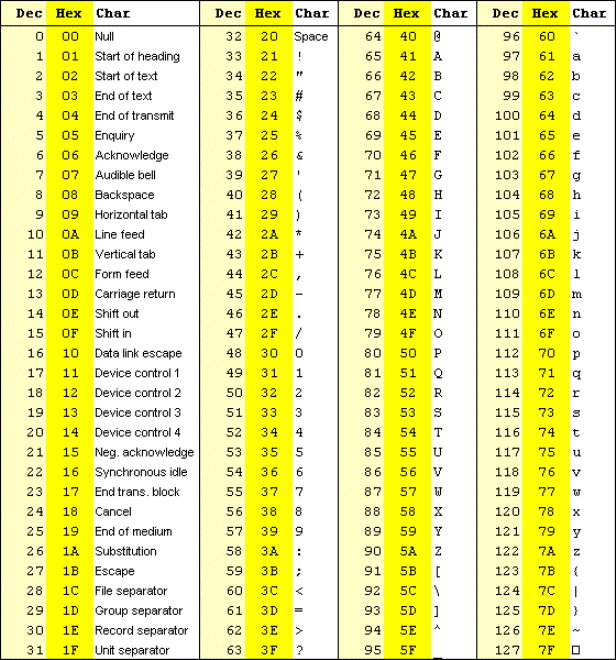
As you can infer from the above table, the ASCII values can be represented from 0 to 127 in the decimal number system. Lets look at the binary representation of 0 and 127 in 8 bit bytes.
0 is represented as
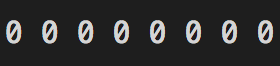
127 is represented as
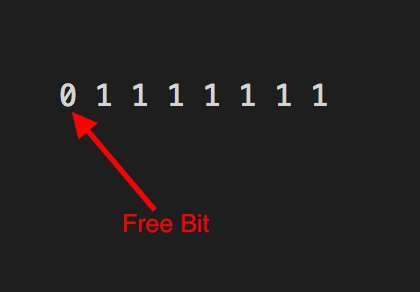
It can be inferred from the above binary representation that decimal values 0 to 127 can be represented using 7 bits leaving the 8th bit free.
This is where things started getting messy.
People came up with different ways of using the remaining eight bit which represented decimal values from 128 to 255 and collisions started to happen. For instance the decimal value 182 was used by the Vietnamese to represent the Vietnamese alphabet ờ whereas the same value 182 was used by the Indians to represent the Hindi alphabet घ. So if an email written by an Indian contains the alphabet घ and if it is read by a person in Vietnam it would appear as ờ. Cleary not the intended way to appear.
This is where Unicode character set came to save the day.
Unicode and Code Points
Unicode character set mapped each character in the world to a unique number. This ensured that there are no collisions between alphabets of different languages. These numbers are platform independent.
These unique numbers are called as code points in the unicode terminology.
Lets see how they are referred.
The latin character ṍ is referred using the code point
U+1E4D
U+ denotes unicode and 1E4D is the hexadecimal value assigned to the character ṍ
The English alphabet A is represented as U+0041
Please visit http://www.unicode.org/charts/ to know the code points for all languages and alphabets of the world
UTF-8 Encoding
Now that we know what is unicode and how each alphabet in the world is assigned to a unique code point, we need a way to represent these code points in the computer's memory. This is where character encodings come into the picture. One such encoding scheme is UTF-8.
UTF-8 encoding is a variable sized encoding scheme to represent unicode code points in memory. Variable sized encoding means the code points are represented using 1, 2, 3 or 4 bytes depending on their size.
UTF-8 1 byte encoding
A 1 byte encoding is identified by the presence of 0 in the first bit.
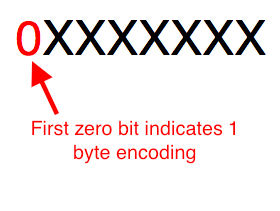
The English alphabet A has unicode code point U+0041. It's binary representation is 1000001.
A is represented in UTF-8 encoding as
01000001
The red 0 bit indicates that 1 byte encoding is used and the remaining bits represent the code point
UTF-8 2 byte encoding
The latin alphabet ñ with code point U+00F1 has binary value 11110001. This value is larger than the maximum value that can be represented using 1 byte encoding format and hence this alphabet will be represented using UTF-8 2 byte encoding.
2 byte encoding is identified by the presence of the bit sequence 110 in the first bit and 10 in the second bit.
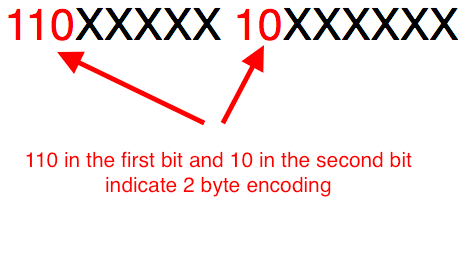
The binary value of the unicode code point U+00F1 is 1111 0001. Filling these bits in the 2 byte encoding format, we get the UTF-8 2 byte encoding representation of ñ shown below. The filling is done starting with the least significant bit of the code point being mapped to the least significant bit of the second byte.
11000011 10110001
The binary digits in blue 11110001 represent the code point U+00F1's binary value and the ones in red are the 2 byte encoding identifiers. The black coloured zeros are used to fill up the empty bits in the byte.
UTF-8 3 byte encoding
The latin character ṍ with code point U+1E4D is be represented using 3 byte encoding as it is larger than the maximum value that can be represented using 2 byte encoding.
A 3 byte encoding is identified by the presence of the bit sequence 1110 in the first byte and 10 in the second and third bytes.
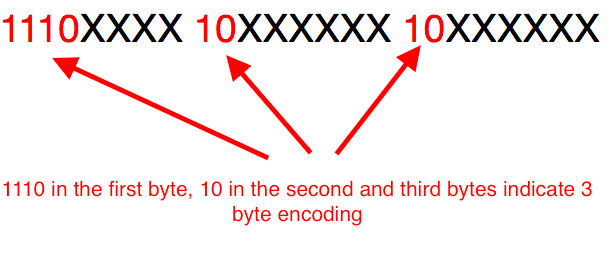
The binary value for the hex code point 0x1E4D is 1111001001101. Filling these bits in the above encoding format gives us the UTF-8 3 byte encoding representation of ṍ show below. The filling is done starting with the least significant bit of the code point mapped to the least significant of the third byte.
11100001 10111001 10001101
The red bits indicate 3 byte encoding, the black ones are filler bits and the blues represent the code point.
UTF-8 4 byte encoding
The Emoji
Unicode Character Set and UTF-8, UTF-16, UTF-32 Encoding的更多相关文章
- Unicode Character Table – Unicode 字符大全
Unicode(统一码.万国码.单一码)是一种在计算机上使用的字符编码.它为每种语言中的每个字符设定了统一并且唯一的二进制编码,以满足跨语言.跨平台进行文本转换.处理的要求.Unicode Chara ...
- nginx启动报错(1113: No mapping for the Unicode character exists in the target multi-byte code page)
使用windows版本的nginx启动时遇到(1113: No mapping for the Unicode character exists in the target multi-byte co ...
- failed (1113: No mapping for the Unicode character exists in the target multi-byte code page), client: 127.0.0.1...
nginx部署网站后,访问域名,网页显示 500 Internal Server Error ,经查看发现nginx的error.log中有报错: failed (1113: No mapping ...
- nginx 启动报错 1113: No mapping for the Unicode character exists in the target multi-byte code
failed (1113: No mapping for the Unicode character exists in the target multi-byte code page) 因为路径有中 ...
- Windows版Nginx启动失败之1113: No mapping for the Unicode character exists in the target multi-byte code page
Windows版Nginx启动一闪,进程中未发现nginx进程,查看nginx日志,提示错误为1113: No mapping for the Unicode character exists in ...
- Ansi、GB2312、GBK、Unicode(utf8、16、32)
关于ansi,一般默认为本地编码方式,中文应该是gb编码 他们之间的关系在这边文章里描写的很清楚:http://blog.csdn.net/ldanduo/article/details/820353 ...
- IIS7的FTP出错: 451 No mapping for the unicode character exists in the target multi-byte code page
提示:IIS7的FTP出错: 451 No mapping for the unicode character exists in the target multi-byte code page 今天 ...
- Multi-Byte Character Set & Unicode Character Set
本系列文章由 @YhL_Leo 出品,转载请注明出处. 文章链接: http://blog.csdn.net/yhl_leo/article/details/49592361 编程时遇到BUG:err ...
- 外设位宽为8、16、32时,CPU与外设之间地址线的连接方法
有不少人问到:flash连接CPU时,根据不同的数据宽度,比如16位的NOR FLASH (A0-A19),处理器的地址线要(A1-A20)左移偏1位.为什么要偏1位? (全文有点晦涩,建议收藏本文对 ...
随机推荐
- MySQL表名不区分大小写的设置方法
原来Linux下的MySQL默认是区分表名大小写的,通过如下设置,可以让MySQL不区分表名大小写:1.用root登录,修改 /etc/my.cnf:2.在[mysqld]节点下,加入一行: lowe ...
- POJ 2115:C Looooops
C Looooops Time Limit: 1000MS Memory Limit: 65536K Total Submissions: 19536 Accepted: 5204 Descr ...
- oracle 定时任务例子【项目例子】
说明:请在plsql工具的命令窗口中,依次按步骤执行如下脚本 (1)建立备份表 my_test_log2create table my_test_log2 as select * from my_ ...
- js 万恶之源 是否滚动到底部?
let scrollHandle = (el) => { // 如果已经滚到底部了 if (el.scrollHeight - el.scrollTop === el.clientHeight) ...
- hive元数据研究
hive的元数据存放在关系型数据库中,元数据中存储了hive中所有表格的信息,包括表格的名字,表格的字段,字段的类型,注释.这些信息分散的存放在各个表中,给定一个hive中的表格名字,查询这个表中含有 ...
- 菜鸟学Java(八)——dom4j详解之读取XML文件
dom4j是一个Java的XML API,类似于jdom,用来读写XML文件的.dom4j是一个非常非常优秀的Java XML API,具有性能优异.功能强大和极端易用使用的特点,同时它也是一个开放源 ...
- 关于CAE的那点儿破事儿
CAE是计算机辅助工程的英文简写,所涵盖的范围甚是广泛.现在很多人提到CAE,总是联想到结构有限元计算,更有甚者认为有限元就是CAE.还有人把所有的工程数值计算都称作有限元.本文就这一话题,来谈谈关于 ...
- ie6遮罩层兼容 100%高度的实现
.black { position:absolute;width:100%;height:100%;opacity:0.5;filter:alpha(opacity=50);background:#0 ...
- python(56):正则表达式积累
来源:http://www.runoob.com/python/python-reg-expressions.html re.match函数 re.match 尝试从字符串的起始位置匹配一个模式,如果 ...
- 理解Netty中的零拷贝(Zero-Copy)机制【转】
理解零拷贝 零拷贝是Netty的重要特性之一,而究竟什么是零拷贝呢? WIKI中对其有如下定义: “Zero-copy” describes computer operations in which ...