
分布式缓冲之memcache
1. memcache简介
memcache是danga.com的一个项目,它是一款开源的高性能的分布式内存对象缓存系统,,最早是给LiveJournal提供服务的,后来逐渐被越来越多的大型网站所采用,用于在应用中减少对数据库的访问,提高应用的访问速度,并降低数据库的负载。
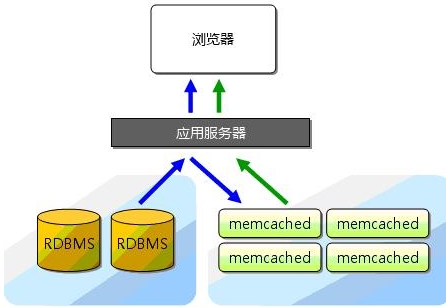
为了在内存中提供数据的高速查找能力,memcache使用key-value形式存储和访问数据,在内存中维护一张巨大的HashTable,使得对数据查询的时间复杂度降低到O(1),保证了对数据的高性能访问,内存的空间总是有限的,当内存没有更多的空间来存储新的数据时,memcache就会使用LRU(Least Recently Used)算法,将最近不常用的数据淘汰掉,以腾出空间来存放新的数据。memcache存储支持的数据个事业是灵活多样的,通过对象的序列化机制,可以将更高层抽象的对象转换为二进制数据,存储在缓存服务器中,当前端应用需要时,又可以通过二进制内容反序列化,将数据还原成原有对象。
2. memcache安装
由于memcache使用了libevent来进行高效的网络链接处理,因此在安装memcache之前,需要安装libevent
下载libevent,这里采用的是1.4.14版本的libevent
wget https://github.com/downloads/libevent/libevent/libevent-1.4.14b-stable.tar.gz

解压:

tar -xf llibevent-1.4.14b-stable.tar.gz

配置、编译、安装libevent:

./configure

make

sudo make install
下载memcache,并解压
wget http://www/memcache.org/files/memcache-1.4.17.tar.gz

tar -xzvf memcache-1.4..tar.gz

配置、编译、安装memcache:

./configure

make

sudo make install
3. memcache启动和关闭
(1)启动memcache服务
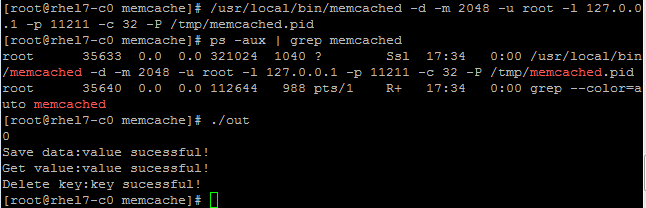
/use/local/bin/memcache -d -m -u root -l 192.168.1.10 -p -c -p /tem/memcached.pid
@ -d:表示启动一个守护进程
@ -m:指定分配给memcache的内存数量,单位为MB,这里指定的是10MB
@ -u:用户名
@ -l:ip
@ -p:port
@ -c:最大运行的并发连接数
@ -P:指定memcache的pid文件保存的位置
(2)关闭memcache服务
kill `cat /tmp/memcached.pid`
4. memcache支持读取/写入数据方式
(1)set将数据保存到缓存服务器,如果缓冲服务器存在同样的key,则替换之
(2)add将数据保存到缓存服务器,如果缓冲服务器存在同样的key,则新增失败
(3)replace将数据替换缓冲服务器中的相同的key,如果缓冲服务器中不存在同样的key,则替换失败
(4)append将数据追加到已经存在的数据后面
(5)prepend将数据追加到已经存在的数据的前面
(6)cats提供对变量的cas操作,它将保证在进行数据更新之前,数据没有被其它人更改
(7)get从缓存服务器获取数据
(8)iner对计数器进行增量操作
(9)decr对计数器进行减量操作
(10)delete将缓存服务器上的数据删除
5. memcache C/C++客户端库libmemcached
(1)下载libmemcached,下载地址:https://launchpad.net/libmemcached/+download
(2)我下载的是libmemcached-1.0.17.tar.gz
(3)解压、配置、安装
cd /usr/local

tar -vzxf libmemcached-1.0..tar.gz

./confiure

make

sudo make install
安装目录 /usr/local/include /usr/local/lib
6. libmemcached API
/*  vim:expandtab:shiftwidth=2:tabstop=2:smarttab:

 *

 *  Libmemcached library

 *

 *  Copyright (C) 2011 Data Differential, http://datadifferential.com/

 *  Copyright (C) 2006-2009 Brian Aker All rights reserved.

 *

 *  Redistribution and use in source and binary forms, with or without

 *  modification, are permitted provided that the following conditions are

 *  met:

 *

 *      * Redistributions of source code must retain the above copyright

 *  notice, this list of conditions and the following disclaimer.

 *

 *      * Redistributions in binary form must reproduce the above

 *  copyright notice, this list of conditions and the following disclaimer

 *  in the documentation and/or other materials provided with the

 *  distribution.

 *

 *      * The names of its contributors may not be used to endorse or

 *  promote products derived from this software without specific prior

 *  written permission.

 *

 *  THIS SOFTWARE IS PROVIDED BY THE COPYRIGHT HOLDERS AND CONTRIBUTORS

 *  "AS IS" AND ANY EXPRESS OR IMPLIED WARRANTIES, INCLUDING, BUT NOT

 *  LIMITED TO, THE IMPLIED WARRANTIES OF MERCHANTABILITY AND FITNESS FOR

 *  A PARTICULAR PURPOSE ARE DISCLAIMED. IN NO EVENT SHALL THE COPYRIGHT

 *  OWNER OR CONTRIBUTORS BE LIABLE FOR ANY DIRECT, INDIRECT, INCIDENTAL,

 *  SPECIAL, EXEMPLARY, OR CONSEQUENTIAL DAMAGES (INCLUDING, BUT NOT

 *  LIMITED TO, PROCUREMENT OF SUBSTITUTE GOODS OR SERVICES; LOSS OF USE,

 *  DATA, OR PROFITS; OR BUSINESS INTERRUPTION) HOWEVER CAUSED AND ON ANY

 *  THEORY OF LIABILITY, WHETHER IN CONTRACT, STRICT LIABILITY, OR TORT

 *  (INCLUDING NEGLIGENCE OR OTHERWISE) ARISING IN ANY WAY OUT OF THE USE

 *  OF THIS SOFTWARE, EVEN IF ADVISED OF THE POSSIBILITY OF SUCH DAMAGE.

 *

 */

#pragma once

/* This seems to be required for older compilers @note http://stackoverflow.com/questions/8132399/how-to-printf-uint64-t  */

#ifndef __STDC_FORMAT_MACROS

#  define __STDC_FORMAT_MACROS

#endif

#ifdef __cplusplus

#  include <tr1/cinttypes>

#  include <cstddef>

#  include <cstdlib>

#else

#  include <inttypes.h>

#  include <stddef.h>

#  include <stdlib.h>

#  include <stdbool.h>

#endif

#include <sys/types.h>

#include <libmemcached-1.0/visibility.h>

#include <libmemcached-1.0/configure.h>

#include <libmemcached-1.0/platform.h>

#include <libmemcached-1.0/limits.h>

#include <libmemcached-1.0/defaults.h>

#include <libmemcached-1.0/types/behavior.h>

#include <libmemcached-1.0/types/callback.h>

#include <libmemcached-1.0/types/connection.h>

#include <libmemcached-1.0/types/hash.h>

#include <libmemcached-1.0/types/return.h>

#include <libmemcached-1.0/types/server_distribution.h>

#include <libmemcached-1.0/return.h>

#include <libmemcached-1.0/types.h>

#include <libmemcached-1.0/callbacks.h>

#include <libmemcached-1.0/alloc.h>

#include <libmemcached-1.0/triggers.h>

#include <libhashkit-1.0/hashkit.h>

#include <libmemcached-1.0/struct/callback.h>

#include <libmemcached-1.0/struct/string.h>

#include <libmemcached-1.0/struct/result.h>

#include <libmemcached-1.0/struct/allocator.h>

#include <libmemcached-1.0/struct/sasl.h>

#include <libmemcached-1.0/struct/memcached.h>

#include <libmemcached-1.0/struct/server.h>

#include <libmemcached-1.0/struct/stat.h>

#include <libmemcached-1.0/basic_string.h>

#include <libmemcached-1.0/error.h>

#include <libmemcached-1.0/stats.h>

// Everything above this line must be in the order specified.

#include <libmemcached-1.0/allocators.h>

#include <libmemcached-1.0/analyze.h>

#include <libmemcached-1.0/auto.h>

#include <libmemcached-1.0/behavior.h>

#include <libmemcached-1.0/callback.h>

#include <libmemcached-1.0/delete.h>

#include <libmemcached-1.0/dump.h>

#include <libmemcached-1.0/encoding_key.h>

#include <libmemcached-1.0/exist.h>

#include <libmemcached-1.0/fetch.h>

#include <libmemcached-1.0/flush.h>

#include <libmemcached-1.0/flush_buffers.h>

#include <libmemcached-1.0/get.h>

#include <libmemcached-1.0/hash.h>

#include <libmemcached-1.0/options.h>

#include <libmemcached-1.0/parse.h>

#include <libmemcached-1.0/quit.h>

#include <libmemcached-1.0/result.h>

#include <libmemcached-1.0/server.h>

#include <libmemcached-1.0/server_list.h>

#include <libmemcached-1.0/storage.h>

#include <libmemcached-1.0/strerror.h>

#include <libmemcached-1.0/touch.h>

#include <libmemcached-1.0/verbosity.h>

#include <libmemcached-1.0/version.h>

#include <libmemcached-1.0/sasl.h>

#include <libmemcached-1.0/deprecated_types.h>

#ifdef __cplusplus

extern "C" {

#endif

LIBMEMCACHED_API

void memcached_servers_reset(memcached_st *ptr);

LIBMEMCACHED_API

memcached_st *memcached_create(memcached_st *ptr);

LIBMEMCACHED_API

memcached_st *memcached(const char *string, size_t string_length);

LIBMEMCACHED_API

void memcached_free(memcached_st *ptr);

LIBMEMCACHED_API

memcached_return_t memcached_reset(memcached_st *ptr);

LIBMEMCACHED_API

void memcached_reset_last_disconnected_server(memcached_st *ptr);

LIBMEMCACHED_API

memcached_st *memcached_clone(memcached_st *clone, const memcached_st *ptr);

LIBMEMCACHED_API

void *memcached_get_user_data(const memcached_st *ptr);

LIBMEMCACHED_API

void *memcached_set_user_data(memcached_st *ptr, void *data);

LIBMEMCACHED_API

memcached_return_t memcached_push(memcached_st *destination, const memcached_st *source);

LIBMEMCACHED_API

memcached_server_instance_st memcached_server_instance_by_position(const memcached_st *ptr, uint32_t server_key);

LIBMEMCACHED_API

uint32_t memcached_server_count(const memcached_st *);

LIBMEMCACHED_API

uint64_t memcached_query_id(const memcached_st *);

#ifdef __cplusplus

} // extern "C"

#endif
#include "stdio.h"

#include <string>

#include <iostream>

using namespace std;

#include <libmemcached/memcached.h>

int main()

{

    memcached_st *memc;

    memcached_return rc;

    memcached_server_st *server;

    time_t expiration = ;

    uint32_t  flags = ;

    memc = memcached_create(NULL);

    server = memcached_server_list_append(NULL, "127.0.0.1", , &rc);

    rc = memcached_server_push(memc, server);

    memcached_server_list_free(server);

    string key = "key";

    string value = "value";

    size_t value_length = value.length();

    size_t key_length = key.length();

    //Save data

    rc = memcached_set(memc, key.c_str(), key.length(), value.c_str(), value.length(), expiration, flags);

    cout << rc << endl;

    if (rc == MEMCACHED_SUCCESS)

    {

        cout << "Save data:" << value << " sucessful!" << endl;

    }

    //Get data

    char* result = memcached_get(memc, key.c_str(), key_length, &value_length, &flags, &rc);

    if (rc == MEMCACHED_SUCCESS)

    {

        cout << "Get value:" << result << " sucessful!" << endl;

    }

    //Delete data

    rc = memcached_delete(memc, key.c_str(), key_length, expiration);

    if (rc == MEMCACHED_SUCCESS)

    {

        cout << "Delete key:" << key << " sucessful!" << endl;

    }

    //free

    memcached_free(memc);

    return ;

}
分布式缓冲之memcache的更多相关文章
- 分布式缓存之 memcache 实现分布式缓存
最近想搞点分布式,但是不知道整点什么,来点简单的吧. 今天讲下memcache的分布式缓存 首先下载memcache的服务器端 百度下可以找到 然后执行安装和开启(关闭服务器)命令(还有其他的命令 可 ...
- memcache分布式实现、memcache分布…
Memcache的分布式介绍 memcached虽然称为"分布式"缓存服务器,但服务器端并没有"分布式"功能.服务器端仅包括内存存储功能,其实现非常简单.至于m ...
- 分布式缓存之Memcache
〇.为什么要用分布式缓存 1.软件从单机到分布式 走向分布式第一步就是解决:多台机器共享登录信息的问题. 例如:现在有三台机器组成了一个Web的应用集群,其中一台机器用户登录,然后其他另外两台机器共享 ...
- 分布式缓存系统——memcache
一.简介 memcache是一个自由开源的.高性能的.分布式内存对象缓存系统.它是一种基于内存的key-value存储,用来存储小块的任意数据(字符串.对象).这些数据可以是数据库调用.API调用等. ...
- memcache 分布式缓存
转载地址:http://www.cnblogs.com/phpstudy2015-6/p/6713164.html 作者:那一叶随风 1.memcached分布式简介 memcached虽然称为“分布 ...
- Memcache知识点梳理
Memcache知识点梳理 Memcached概念: Memcached是一个免费开源的,高性能的,具有分布式对象的缓存系统,它可以用来保存一些经常存取的对象或数据,保存的数据像一张巨大的HAS ...
- memcache 的内存管理介绍和 php实现memcache一致性哈希分布式算法
1 网络IO模型 安装memcached需要先安装libevent Memcached是多线程,非阻塞IO复用的网络模型,分为监听主线程和worker子线程,监听线程监听网络连接,接受请求后,将连接描 ...
- 分布式缓存(Cache)
1. 单层分布式cache. 如memcache. 2. 多层分布式cache. 服务端和调用者本地都存放cache, 使用udp组播解决cache同步更新问题,但不可靠. 3. 改进的多层分布式ca ...
- memcached分布式缓存
1.memcached分布式简介 memcached虽然称为“分布式”缓存服务器,但服务器端并没有“分布式”功能.Memcache集群主机不能够相互通信传输数据,它的“分布式”是基于客户端的程序逻辑算 ...
随机推荐
- 解读dbcp自动重连那些事(转)
本文转自:http://agapple.iteye.com/blog/791943 可以后另一篇做对比:http://agapple.iteye.com/blog/772507 borrow 借,从连 ...
- MySQL-5.7 游标及DECLARE
1.cursor游标 用来声明一个数据集 游标的声明必须在变量和条件声明之后,在handler声明之前 游标特性: 不灵敏:服务器可以或不复制其结果 只读:不可更新 不可滚动的:只能在一个方向上遍历, ...
- MySQL-5.7 DELETE语句详解
1.语法 (1)单表 DELETE [LOW_PRIORITY] [QUICK] [IGNORE] FROM tbl_name [PARTITION (partition_name [, partit ...
- 基于Promise对象的新一代Ajax API--fetch
***************************************************************** #fetch Request 使用isomorphic-fetch发 ...
- 20145235李涛《网络对抗》Exp7 网络欺诈技术防范
基础问题回答 通常在什么场景下容易受到DNS spoof攻击? 使用未知的公共wifi或者在不安全的局域网下容易受到DNS spoof攻击. 在日常生活工作中如何防范以上两攻击方法? 首先要提高防范意 ...
- git常用的语句
下面总结出开发中常用的指令: 1.git init:初始化git仓库 2.git add 文件名:把文件添加到暂存区中 3.git commit -m "提交信息":提交暂存区内容 ...
- Spring Boot 中修改端口和上下文路径
通过修改application.properties内容来改变访问的端口号和上下文路径(很简单!) spring.mvc.view.prefix=/WEB-INF/jsp/ spring.mvc.vi ...
- Java子类强制转父类类型不会变
class A{ void a(){ System.out.println("parent'a()"); }} class AA extends A{ ...
- DevExpress打印通用代码
DevExpress打印相关代码 using System;using System.Windows.Forms;using DevExpress.XtraPrinting;using System. ...
- 解析CEPH: 存储引擎实现之一 filestore
Ceph作为一个高可用和强一致性的软件定义存储实现,去使用它非常重要的就是了解其内部的IO路径和存储实现.这篇文章主要介绍在IO路径中最底层的ObjectStore的实现之一FileStore. Ob ...