
mybatis学习(九)——动态sql
MyBatis 的强大特性之一便是它的动态 SQL。可以根据不同条件拼接 SQL 语句。
动态 SQL 元素和使用 JSTL 或其他类似基于 XML 的文本处理器相似。主要由以下几种元素。
- if
- where
- trim
- choose (when, otherwise)
- set
- foreach
- bind
1、if (判断)
实例:根据条件查询酒店列表
hotelMapper接口
package com.pjf.mybatis.dao;

import java.util.List;
import com.pjf.mybatis.po.Hotel;

public interface HotelMapper {

    public List<Hotel> getHotel(Hotel hotel);

}
hotelMapper.xml
<?xml version="1.0" encoding="UTF-8" ?>
<!DOCTYPE mapper PUBLIC "-//mybatis.org//DTD Mapper 3.0//EN" "http://mybatis.org/dtd/mybatis-3-mapper.dtd" >
<mapper namespace="com.pjf.mybatis.dao.HotelMapper"> <resultMap type="com.pjf.mybatis.po.Hotel" id="myHotel">
<id column="id" property="id" jdbcType="INTEGER" />
<result column="hotel_name" property="hotelName" jdbcType="VARCHAR" />
<result column="hotel_address" property="hotelAddress"
jdbcType="VARCHAR" />
<result column="price" property="price" jdbcType="INTEGER" />
</resultMap> <!-- resultMap使用 -->
<select id="getHotel" resultMap="myHotel">
select*
from hotel
where
<if test="id!=null">
id=#{id}
</if>
<if test="hotelName!=null && hotelName!=""">
and hotel_name like concat('%',#{hotelName},'%')
</if>
<if test="price!=null">
and price> #{price}
</if>
</select>
</mapper>
测试类
package com.pjf.mybatis;

import java.io.IOException;

import java.io.InputStream;

import java.util.List;import org.apache.ibatis.io.Resources;

import org.apache.ibatis.session.SqlSession;

import org.apache.ibatis.session.SqlSessionFactory;

import org.apache.ibatis.session.SqlSessionFactoryBuilder;

import org.junit.Test;

import com.pjf.mybatis.dao.HotelMapper;import com.pjf.mybatis.po.Hotel;

public class TestHotel {

    public SqlSessionFactory sqlSessionFactory() throws IOException {

        // mybatis的配置文件

        String resource = "mybatis_config.xml";

        // 使用类加载器加载mybatis的配置文件(它也加载关联的映射文件)TestHotel.class.getClassLoader()

        InputStream is = Resources.getResourceAsStream(resource);

        // 构建sqlSession的工厂

        SqlSessionFactory sessionFactory = new SqlSessionFactoryBuilder().build(is);

        return sessionFactory;

    }

    @Test

    public void getHotel() throws IOException {

        SqlSessionFactory sessionFactory = sqlSessionFactory();

        SqlSession session = sessionFactory.openSession();

        HotelMapper hotelMapper = session.getMapper(HotelMapper.class);

        System.out.println(hotelMapper.getClass());

        Hotel hotel = new Hotel(1001, "南京", "", 800);

        List<Hotel> list = hotelMapper.getHotel(hotel);

        for (Hotel hotel1 : list) {

            System.out.println(hotel1);

        }

        session.close();

    }

}
查看结果

需要注意的是特殊字符需要转义,
<if test="hotelName!=null && hotelName!=""">
常用的有以下字符
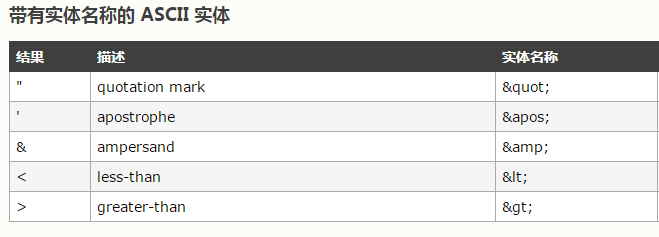
2、where
对于上面的查询条件,如果在测试类中
Hotel hotel = new Hotel(1001, "南京", "", 800);改成 Hotel hotel = new Hotel(null,"南京","", 800);
结果会怎么样

sql多了一个and
解决:
a、增加默认条件1=1
<?xml version="1.0" encoding="UTF-8" ?>
<!DOCTYPE mapper PUBLIC "-//mybatis.org//DTD Mapper 3.0//EN" "http://mybatis.org/dtd/mybatis-3-mapper.dtd" >
<mapper namespace="com.pjf.mybatis.dao.HotelMapper"> <resultMap type="com.pjf.mybatis.po.Hotel" id="myHotel">
<id column="id" property="id" jdbcType="INTEGER" />
<result column="hotel_name" property="hotelName" jdbcType="VARCHAR" />
<result column="hotel_address" property="hotelAddress"
jdbcType="VARCHAR" />
<result column="price" property="price" jdbcType="INTEGER" />
</resultMap> <!-- resultMap使用 -->
<select id="getHotel" resultMap="myHotel">
select*
from hotel
where 1=1
<if test="id!=null">
id=#{id}
</if>
<if test="hotelName!=null && hotelName!=""">
and hotel_name like concat('%',#{hotelName},'%')
</if>
<if test="price!=null">
and price> #{price}
</if>
</select>
</mapper>
结果

b、增加where元素
将所有的元素放在where标签内,where元素会自动去除首位的and或or。注意是首位的and或者or。
<?xml version="1.0" encoding="UTF-8" ?>
<!DOCTYPE mapper PUBLIC "-//mybatis.org//DTD Mapper 3.0//EN" "http://mybatis.org/dtd/mybatis-3-mapper.dtd" >
<mapper namespace="com.pjf.mybatis.dao.HotelMapper"> <resultMap type="com.pjf.mybatis.po.Hotel" id="myHotel">
<id column="id" property="id" jdbcType="INTEGER" />
<result column="hotel_name" property="hotelName" jdbcType="VARCHAR" />
<result column="hotel_address" property="hotelAddress"
jdbcType="VARCHAR" />
<result column="price" property="price" jdbcType="INTEGER" />
</resultMap> <!-- resultMap使用 -->
<select id="getHotel" resultMap="myHotel">
select*
from hotel
<where>
<if test="id!=null">
id=#{id}
</if>
<if test="hotelName!=null && hotelName!=""">
and hotel_name like concat('%',#{hotelName},'%')
</if>
<if test="price!=null">
and price> #{price}
</if>
</where>
</select>
</mapper>
3、trim (字符串截取)
如果and写在语句的末尾,该怎么解决呢
<?xml version="1.0" encoding="UTF-8" ?>
<!DOCTYPE mapper PUBLIC "-//mybatis.org//DTD Mapper 3.0//EN" "http://mybatis.org/dtd/mybatis-3-mapper.dtd" >
<mapper namespace="com.pjf.mybatis.dao.HotelMapper"> <resultMap type="com.pjf.mybatis.po.Hotel" id="myHotel">
<id column="id" property="id" jdbcType="INTEGER" />
<result column="hotel_name" property="hotelName" jdbcType="VARCHAR" />
<result column="hotel_address" property="hotelAddress"
jdbcType="VARCHAR" />
<result column="price" property="price" jdbcType="INTEGER" />
</resultMap> <!-- resultMap使用 -->
<select id="getHotel" resultMap="myHotel">
select*
from hotel
<where>
<if test="id!=null">
id=#{id} and
</if>
<if test="hotelName!=null && hotelName!=""">
hotel_name like concat('%',#{hotelName},'%') and
</if>
<if test="price!=null">
price> #{price}
</if>
</where>
</select>
</mapper>
测试类
package com.pjf.mybatis;

import java.io.IOException;

import java.io.InputStream;

import java.util.List;

import java.util.Map;

import org.apache.ibatis.io.Resources;

import org.apache.ibatis.session.SqlSession;

import org.apache.ibatis.session.SqlSessionFactory;

import org.apache.ibatis.session.SqlSessionFactoryBuilder;

import org.junit.Test;

import com.pjf.mybatis.dao.HotelMapper;

import com.pjf.mybatis.po.City;

import com.pjf.mybatis.po.Hotel;

public class TestHotel {

    public SqlSessionFactory sqlSessionFactory() throws IOException {

        // mybatis的配置文件

        String resource = "mybatis_config.xml";

        // 使用类加载器加载mybatis的配置文件(它也加载关联的映射文件)TestHotel.class.getClassLoader()

        InputStream is = Resources.getResourceAsStream(resource);

        // 构建sqlSession的工厂

        SqlSessionFactory sessionFactory = new SqlSessionFactoryBuilder().build(is);

        return sessionFactory;

    }

    @Test

    public void getHotel() throws IOException {

        SqlSessionFactory sessionFactory = sqlSessionFactory();

        SqlSession session = sessionFactory.openSession();

        HotelMapper hotelMapper = session.getMapper(HotelMapper.class);

        Hotel hotel = new Hotel(1001,"南京","",null);

        System.out.println(hotel);

        List<Hotel> list = hotelMapper.getHotel(hotel);

        for (Hotel hotel1 : list) {

            System.out.println(hotel1);

        }

        session.close();

    }

}
结果:末尾就会多一个and

这时候就可以通过trim标签来解决:
trim 对trim标签体中拼接后的字符串进行操作
   prefix       对拼接后的字符串加前缀

   prefixOverrides   对拼接后的字符串去前缀

   suffix  对拼接后的字符串加后缀

   suffixOverrides   对拼接后的字符串去后缀
<?xml version="1.0" encoding="UTF-8" ?>
<!DOCTYPE mapper PUBLIC "-//mybatis.org//DTD Mapper 3.0//EN" "http://mybatis.org/dtd/mybatis-3-mapper.dtd" >
<mapper namespace="com.pjf.mybatis.dao.HotelMapper"> <resultMap type="com.pjf.mybatis.po.Hotel" id="myHotel">
<id column="id" property="id" jdbcType="INTEGER" />
<result column="hotel_name" property="hotelName" jdbcType="VARCHAR" />
<result column="hotel_address" property="hotelAddress"
jdbcType="VARCHAR" />
<result column="price" property="price" jdbcType="INTEGER" />
</resultMap> <select id="getHotel" resultMap="myHotel">
select*
from hotel
<!-- trim 对trim标签体中拼接后的字符串进行操作
prefix 对拼接后的字符串加前缀
prefixOverrides 对拼接后的字符串去前缀
suffix 对拼接后的字符串加后缀
suffixOverrides 对拼接后的字符串去后缀
-->
<trim prefix="where" prefixOverrides="" suffix="" suffixOverrides="and">
<if test="id!=null">
id=#{id} and
</if>
<if test="hotelName!=null && hotelName!=""">
hotel_name like concat('%',#{hotelName},'%') and
</if>
<if test="price!=null">
price> #{price}
</if>
</trim>
</select>
</mapper>
这样就解决了
4、choose (分支选择)
MyBatis 提供了 choose 元素,它有点像 Java 中的 switch 语句。,但不同的是mybatis进入了一个分支后就不再进入其他分支。
<?xml version="1.0" encoding="UTF-8" ?>
<!DOCTYPE mapper PUBLIC "-//mybatis.org//DTD Mapper 3.0//EN" "http://mybatis.org/dtd/mybatis-3-mapper.dtd" >
<mapper namespace="com.pjf.mybatis.dao.HotelMapper"> <resultMap type="com.pjf.mybatis.po.Hotel" id="myHotel">
<id column="id" property="id" jdbcType="INTEGER" />
<result column="hotel_name" property="hotelName" jdbcType="VARCHAR" />
<result column="hotel_address" property="hotelAddress"
jdbcType="VARCHAR" />
<result column="price" property="price" jdbcType="INTEGER" />
</resultMap>
<select id="getHotel" resultMap="myHotel">
select*
from hotel
<where>
<choose>
<when test="id!=null">
id=#{id}
</when>
<when test="hotelName!=null && hotelName!=""">
hotel_name like concat('%',#{hotelName},'%')
</when>
<when test="hotelAddress!=null && hotelAddress!=""">
hotel_address=#{hotelAddress}
</when>
<when test="price!=null">
price>#{price}
</when>
<otherwise>
1=1
</otherwise>
</choose>
</where>
</select>
</mapper>
5、set
前面我们使用update可以进行全字段更新,但是如果是带了什么字段就更新什么字段,该怎么做呢。
可是使用set和if的结合,此外,set标签能自动删除末尾多余的逗号。
<?xml version="1.0" encoding="UTF-8" ?>

<!DOCTYPE mapper PUBLIC "-//mybatis.org//DTD Mapper 3.0//EN" "http://mybatis.org/dtd/mybatis-3-mapper.dtd" >

<mapper namespace="com.pjf.mybatis.dao.HotelMapper">

    <resultMap type="com.pjf.mybatis.po.Hotel" id="myHotel">

        <id column="id" property="id" jdbcType="INTEGER" />

        <result column="hotel_name" property="hotelName" jdbcType="VARCHAR" />

        <result column="hotel_address" property="hotelAddress"

            jdbcType="VARCHAR" />

        <result column="price" property="price" jdbcType="INTEGER" />

    </resultMap>

    <update id="updateHotel">

        update hotel

        <set>

        <if test="hotelName!=null">

            hotel_name=#{hotelName},

        </if>

        <if test="price!=null">

            price=#{price}

        </if>

        </set>

        <where>

            id=#{id}

        </where>

    </update>

</mapper>
6、foreach
用来对集合进行遍历
<?xml version="1.0" encoding="UTF-8" ?>

<!DOCTYPE mapper PUBLIC "-//mybatis.org//DTD Mapper 3.0//EN" "http://mybatis.org/dtd/mybatis-3-mapper.dtd" >

<mapper namespace="com.pjf.mybatis.dao.HotelMapper">

    <resultMap type="com.pjf.mybatis.po.Hotel" id="myHotel">

        <id column="id" property="id" jdbcType="INTEGER" />

        <result column="hotel_name" property="hotelName" jdbcType="VARCHAR" />

        <result column="hotel_address" property="hotelAddress"

            jdbcType="VARCHAR" />

        <result column="price" property="price" jdbcType="INTEGER" />

    </resultMap>

    <!-- resultMap使用 -->

    <select id="getHotel" resultMap="myHotel">

        select*

        from hotel where id in

        <!-- collection 指要遍历的集合    1. 如果传入的是单参数且参数类型是一个List的时候,collection属性值为list

                                        2. 如果传入的是单参数且参数类型是一个array数组的时候,collection的属性值为array

                                        3. 如果传入的参数是多个的时候,我们就需要把它们封装成一个Map了,当然单参数也可以封装成map,map的key就是参数名,所以这个时候collection属性值就是传入的List或array对象在自己封装的map里面的key

                 item 将遍历出的元素赋值给指定的变量

                 separator  每个元素之间的分隔符

                 open 遍历出的结果拼接出一个开始符

                 close 遍历出的结果拼接一个结束符

                 index 索引

         -->

        <foreach collection="list" item="ids" separator="," open="(" close=")">

        #{ids}

        </foreach>

    </select>

</mapper>
测试类
package com.pjf.mybatis;

import java.io.IOException;

import java.io.InputStream;

import java.util.ArrayList;

import java.util.List;

import java.util.Map;

import org.apache.ibatis.io.Resources;

import org.apache.ibatis.session.SqlSession;

import org.apache.ibatis.session.SqlSessionFactory;

import org.apache.ibatis.session.SqlSessionFactoryBuilder;

import org.junit.Test;

import com.pjf.mybatis.dao.HotelMapper;

import com.pjf.mybatis.po.City;

import com.pjf.mybatis.po.Hotel;

public class TestHotel {

    public SqlSessionFactory sqlSessionFactory() throws IOException {

        // mybatis的配置文件

        String resource = "mybatis_config.xml";

        // 使用类加载器加载mybatis的配置文件(它也加载关联的映射文件)TestHotel.class.getClassLoader()

        InputStream is = Resources.getResourceAsStream(resource);

        // 构建sqlSession的工厂

        SqlSessionFactory sessionFactory = new SqlSessionFactoryBuilder().build(is);

        return sessionFactory;

    }

    @Test

    public void getHotel() throws IOException {

        SqlSessionFactory sessionFactory = sqlSessionFactory();

        SqlSession session = sessionFactory.openSession(true);

        HotelMapper hotelMapper = session.getMapper(HotelMapper.class);

        List<Integer> id =new ArrayList<Integer>();

        id.add(1001);

        id.add(1002);

        id.add(1003);

        List<Hotel> list= hotelMapper.getHotel(id);

        for (Hotel hotel : list) {

            System.out.println(hotel);

        }

        session.close();

    }

}
7、bind
bind 元素可以从 OGNL 表达式中创建一个变量并将其绑定到上下文。
<select id="getHotel" resultMap="myHotel">

  <bind name="_hotelName" value="'%' + hotelName + '%'" />

  SELECT * FROM hotel

  WHERE hotel_name LIKE #{_hotelName}

</select>
mybatis学习(九)——动态sql的更多相关文章
- mybatis学习 十 动态 SQL
1. 根据方法传入的参数不同执行不同的 SQL 命令.称为动态 SQL, MyBatis 中动态 SQL 就是在 mapper.xml 中添加逻辑判断等. 2. <if>标签 <s ...
- mybatis学习之动态sql
mybatis的动态sql语句很强大,在mapper映射文件中使用简单的标签即可实现该效果,下面一个个记录: 1.select查询 简单的select类似如下: <select id=" ...
- mybatis 学习五 动态SQL语句
3.1 selectKey 标签 在insert语句中,在Oracle经常使用序列.在MySQL中使用函数来自动生成插入表的主键,而且需要方法能返回这个生成主键.使用myBatis的selectKey ...
- Mybatis学习笔记-动态SQL
概念 根据不同环境生成不同SQL语句,摆脱SQL语句拼接的烦恼[doge] 本质:SQL语句的拼接 环境搭建 搭建数据库 CREATE TABLE `blog`( `id` VARCHAR(50) N ...
- 【mybatis深度历险系列】mybatis中的动态sql
最近一直做项目,博文很长时间没有更新了,今天抽空,学习了一下mybatis,并且总结一下.在前面的博文中,小编主要简单的介绍了mybatis中的输入和输出映射,并且通过demo简单的介绍了输入映射和输 ...
- Mybatis入门之动态sql
Mybatis入门之动态sql 通过mybatis提供的各种标签方法实现动态拼接sql. 1.if.where.sql.include标签(条件.sql片段) <sql id="sel ...
- mybatis 详解------动态SQL
mybatis 详解------动态SQL 目录 1.动态SQL:if 语句 2.动态SQL:if+where 语句 3.动态SQL:if+set 语句 4.动态SQL:choose(when,o ...
- mybatis中的动态SQL
在实际开发中,数据库的查询很难一蹴而就,我们往往要根据各种不同的场景拼接出不同的SQL语句,这无疑是一项复杂的工作,我们在使用mybatis时,mybatis给我们提供了动态SQL,可以让我们根据具体 ...
- Mybatis映射文件动态SQL语句-01
因为在很多业务逻辑复杂的项目中,往往不是简单的sql语句就能查询出来自己想要的数据,所有mybatis引入了动态sql语句, UserMapper.xml <?xml version=" ...
- Java数据持久层框架 MyBatis之API学习九(SQL语句构建器详解)
对于MyBatis的学习而言,最好去MyBatis的官方文档:http://www.mybatis.org/mybatis-3/zh/index.html 对于语言的学习而言,马上上手去编程,多多练习 ...
随机推荐
- GIT在团队中的最佳实践
我们已经从SVN 切换到Git很多年了,现在几乎所有的项目都在使用Github管理, 本篇文章讲一下为什么使用Git, 以及如何在团队中正确使用. Git的优点 Git的优点很多,但是这里只列出我认为 ...
- ssh整合思想 Spring与Hibernate和Struts2的action整合 调用action添加数据库 使用HibernateTemplate的save(entity)方法 update delete get 等方法crud操作
UserAction类代码: package com.swift.action; import com.opensymphony.xwork2.ActionSupport; import com.sw ...
- lua 使用正则表达式分割字符串
function string_split(str, delimiter) if str == nil or str == '' or delimiter == nil then return ni ...
- skynet 学习笔记-sproto模块(2)
云风在skynet中继承了sproto的传输协议,对比protobuf的好处是,能明文看到传输内容,而且skynet不需要protobuf这么功能,所以云风也建议在lua层使用sproto来作为sky ...
- iOS应用架构谈-part1概述
当我们讨论客户端应用架构的时候,我们在讨论什么? 其实市面上大部分应用不外乎就是颠过来倒过去地做以下这些事情: --------------- --------------- ------------ ...
- 函数的扩展——箭头函数this的使用
箭头函数中的this指向的是定义时的this,而不是执行时的的this . 举例: 案例中,我们的obj对象中有一个属性x和一个属性show( )方法,show( )通过this打印出x的值,结果是u ...
- c内置数据类型
参考 C与指针 第三章 类型 类型标识符 字节 表示数值范围 备注 整型 [signed] int 2* -32768~32767 -2^15 ~ (2^15 -1) 无符号整型 unsigned [ ...
- PHP计算两个日期相差的年月日时分秒
$start_time = '2017-09-06 15:12:20'; $end_time = '2018-09-08 10:20:45'; get_time($start_time,$end_ti ...
- spring boot yaml 自定义配置 映射到 java POJO
只需要一个注解就ok: @ConfigurationProperties("user.other") “user.other” 这个值匹配的是user下的other对象 yaml ...
- Powershell 备忘
如何修改环境变量 [environment]::SetEnvironmentvariable(“path”,"xxx","user") [environment ...