
GNN 101
GNN 101
Why
Graph无处不在
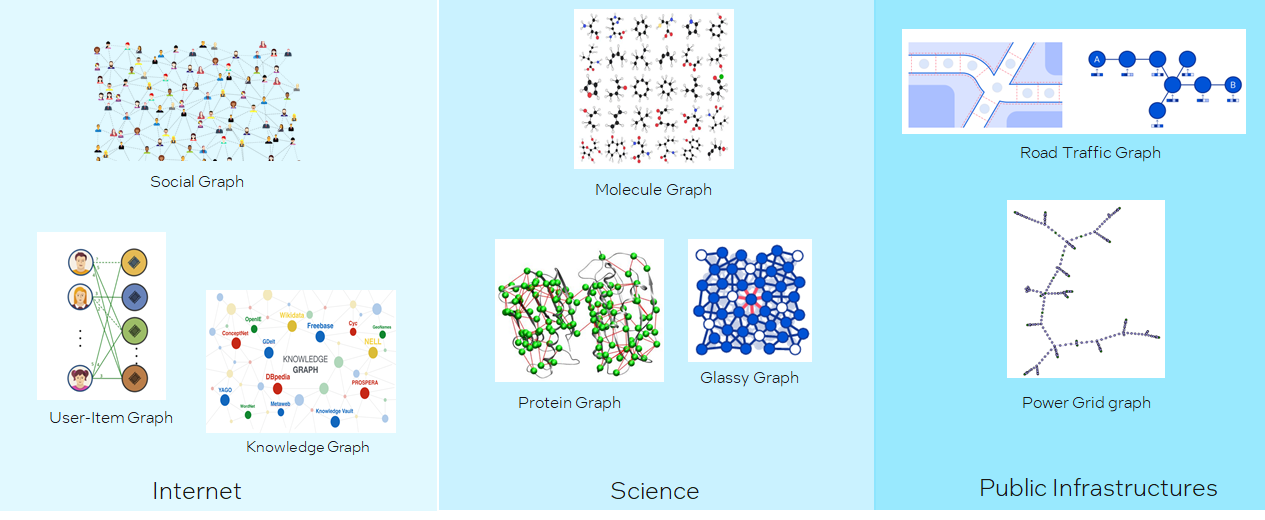
Graph Intelligence helps
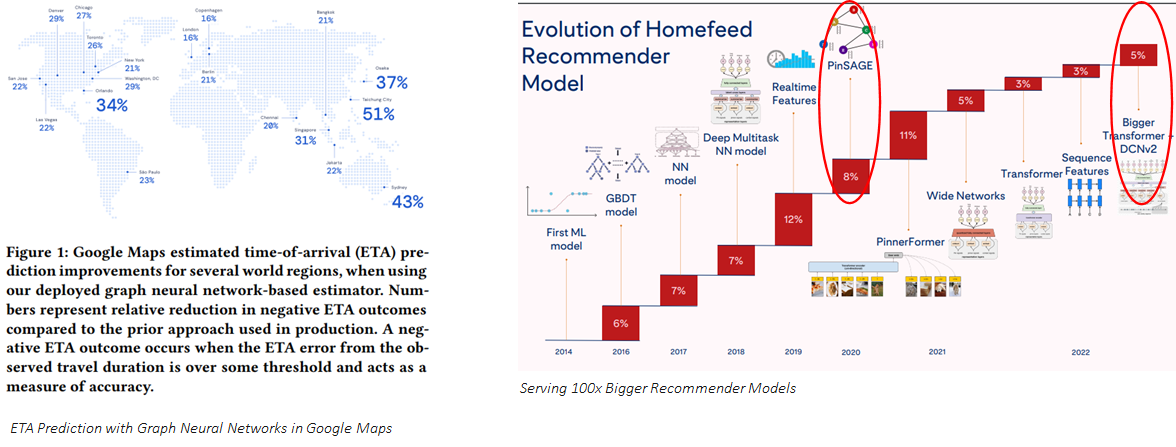
It’s the right time now!
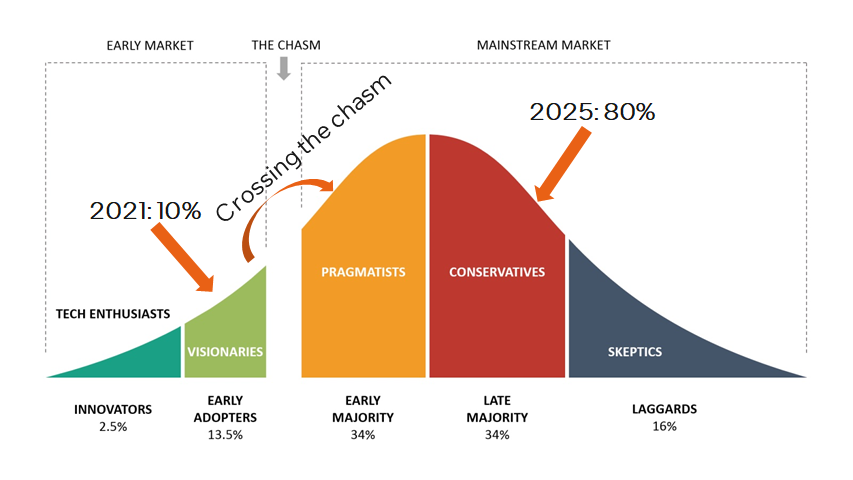
Gartner预测,graph技术在数据和分析创新中的使用率从2021年的10%,到2025年会增长到80%。我们目前正在经历从early adoption到early mainstream的穿越大峡谷期间,既不太早也不太晚,时间刚刚好。
What
如何建模图
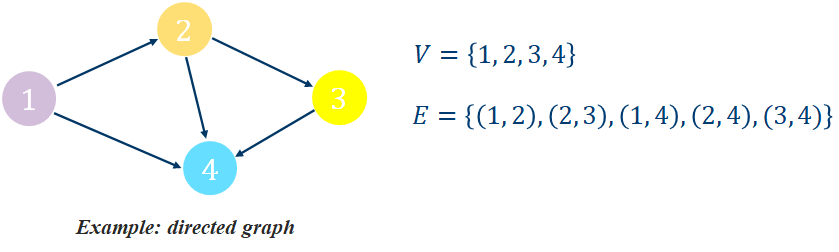
A graph is an ordered pair = (, ) comprising:
, a set of vertices (or nodes)
⊆{(,)|,∈}, a set of edges (or links), which are pairs of nodes
Example:
Different Types of Graph
Are edges directed?
Directed Graph vs. Undirected GraphAre there multiple types of nodes or multiple types of edges?
Homogeneous Graph vs Heterogeneous Graph
如何表示图
不同的表示方式会指向不同的计算模式。
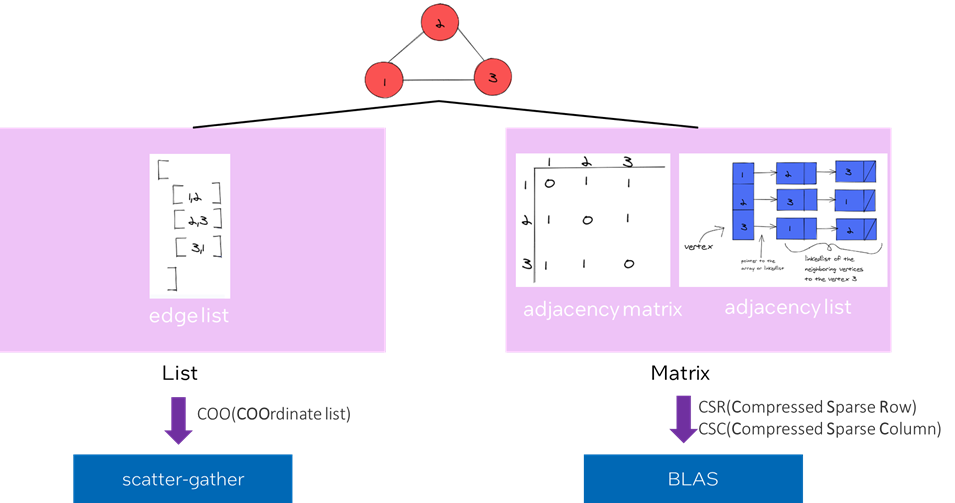
如何计算图
如下图所示,图的计算步骤如下:
遍历图中的所有结点,或者采样图中的一些结点。每次选择其中一个结点,称为目标结点(target node);
一个-层的GNN至少需要聚合目标结点的L-跳领域的信息。因此,我们需要以围绕目标结点构造一个L-跳的ego network。图中是一个2-跳ego network的例子,其中绿色结点是第1跳,蓝色结点是第2跳;
计算并更新ego-network里的每个结点的embedding。embeddings会使用到图的结构信息和结点与边的特征。
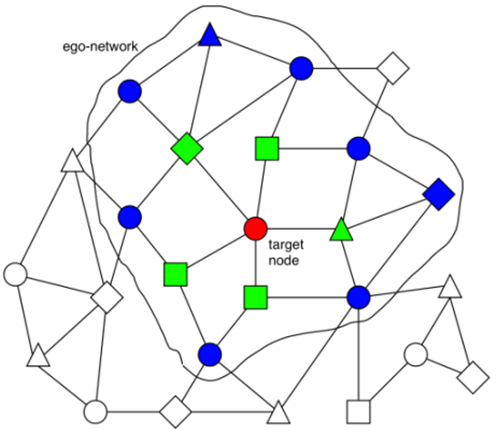
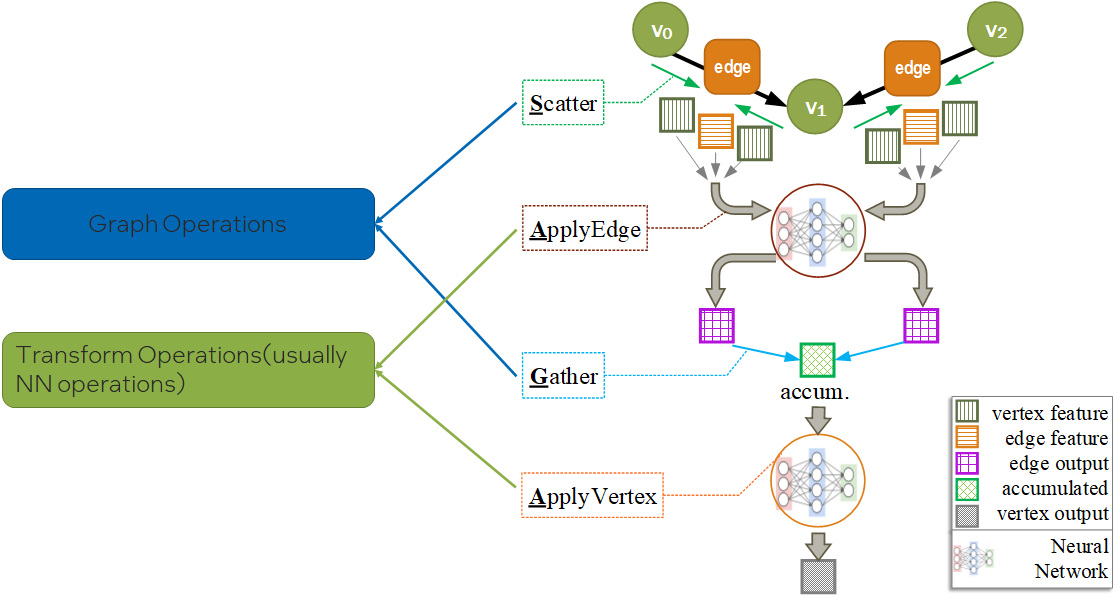
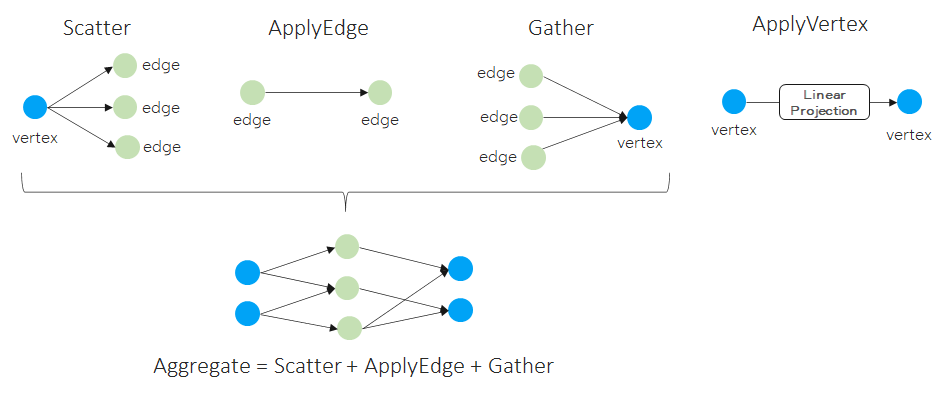
那么,这些embedding是如何计算和更新的呢?主要是使用Message Passing的计算方法。Message Passing有一些计算范式如GAS(Gather-ApplyEdge-Scatter), SAGA(Scatter-ApplyEdge-Gather-ApplyVertex)等。我们这里介绍归纳得比较全面的SAGA计算范式。假设需要计算和更新下图中的 :
:
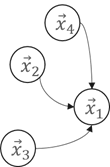
Scatter
Propagate message from source vertex to edge.
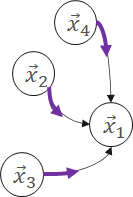
ApplyEdge
Transform message along each edge.
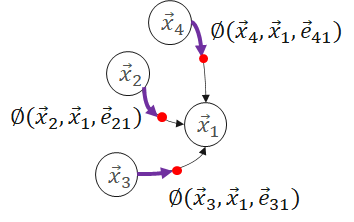
Gather
Gather transformed message to the destination vertex.
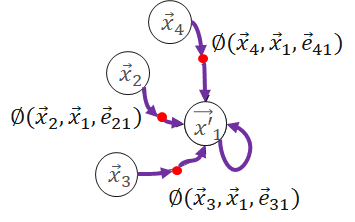
ApplyVertex
Transform the gathered output to get updated vertex.
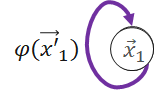
公式如下:

分析一下,会发现,SAGA模式中ApplyEdge和ApplyVertex是传统deep learning中的NN(Neural Network)操作,我们可以复用;而Scatter和Gather是GNN新引入的操作。即,Graph Computing = Graph Ops + NN Ops。
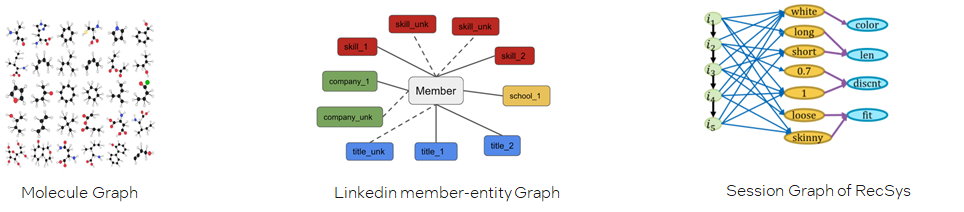
不同的图数据集规模
One big graph
可能高达数十亿的结点,数百亿的边。
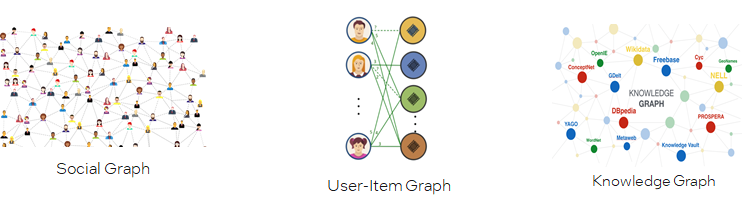
Many small graphs
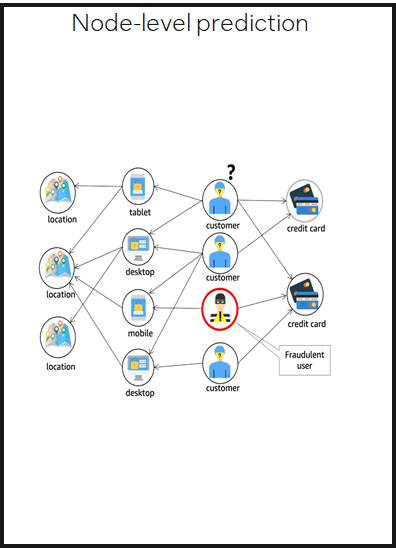
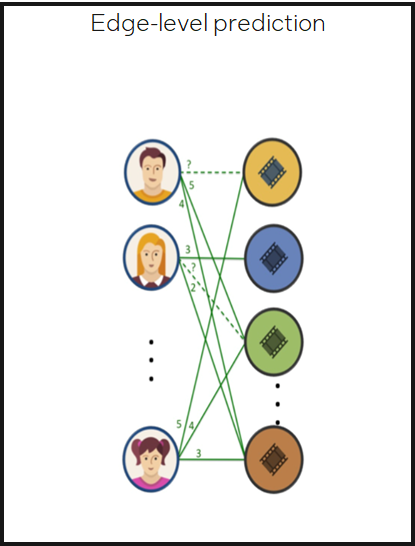
不同的图任务
Node-level prediction
预测图中结点的类别或性质
Edge-level prediction
预测图中两个结点是否存在边,以及边的类别或性质
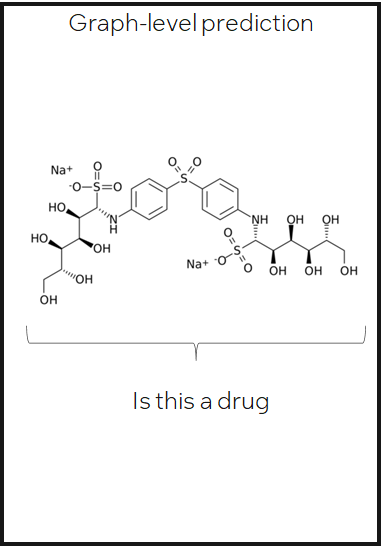
Graph-level prediction
预测整图或子图的类别或性质
How
Workflow
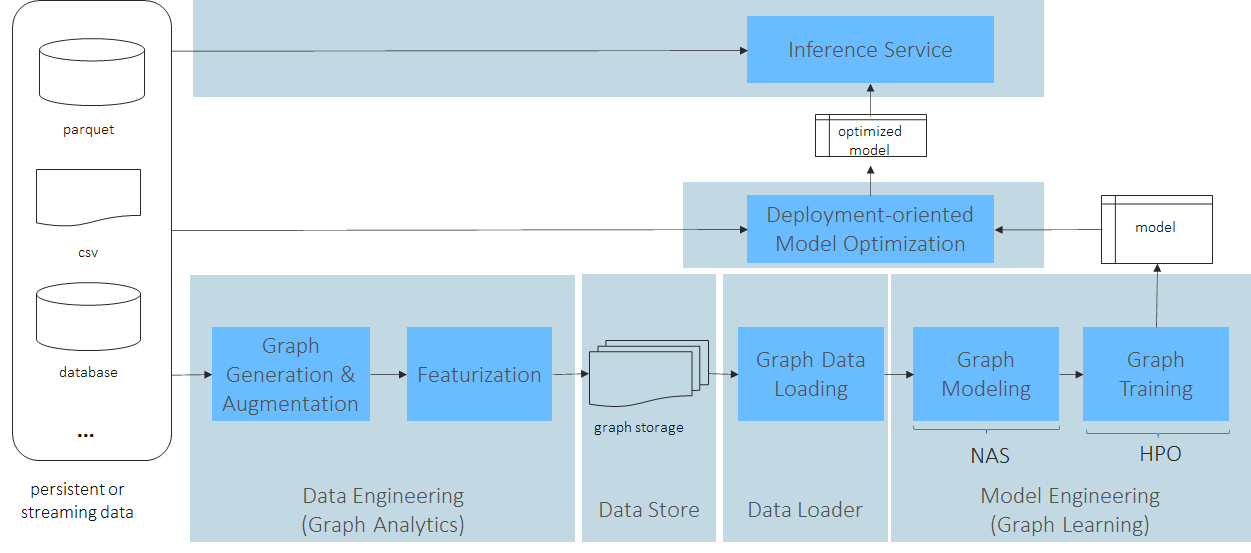
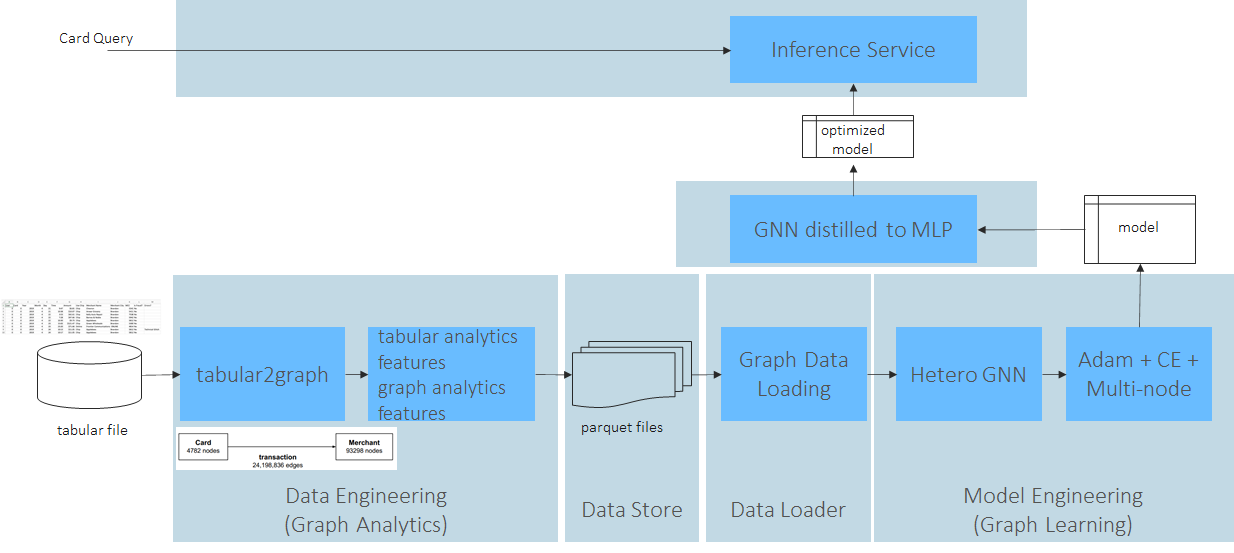
以fraud detection为例:
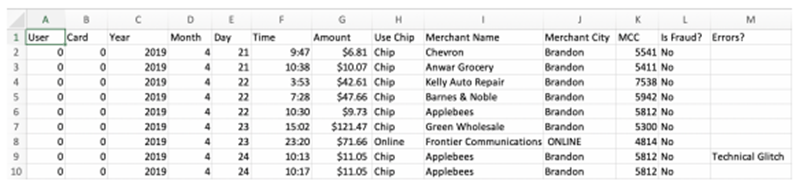
Tabformer数据集
workflow
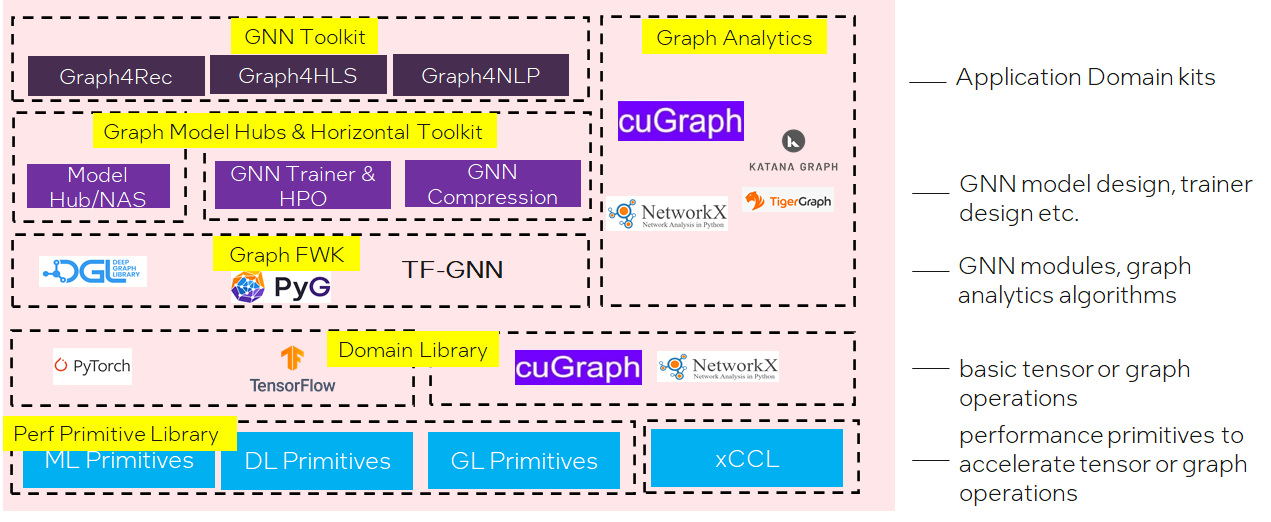
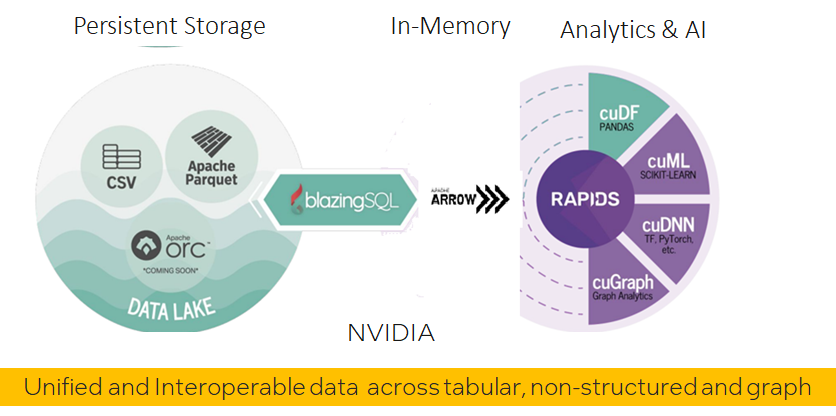
软件栈
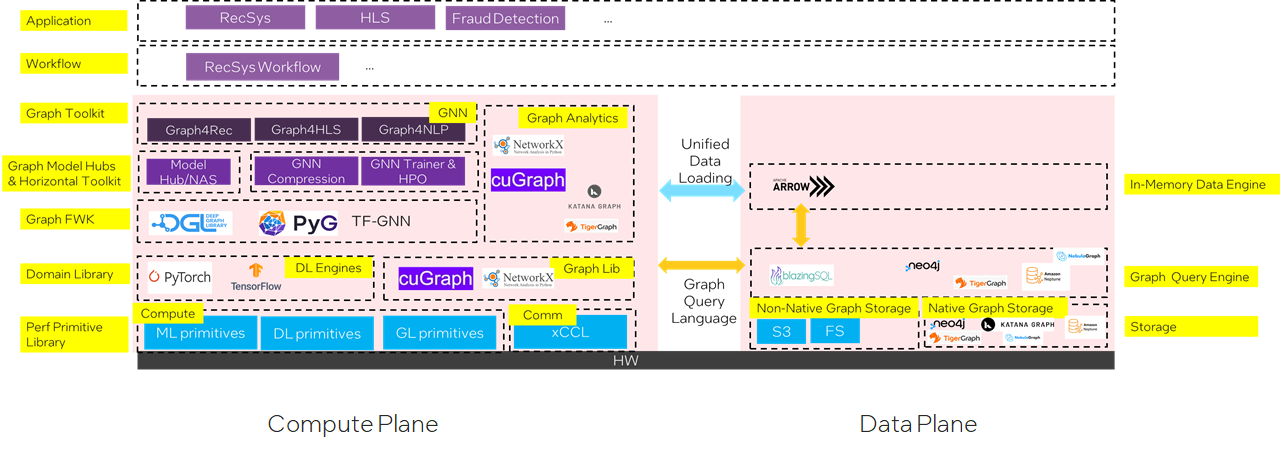
计算平面
数据平面
SW Challenges
Graph Sampler
For many small graphs datasets, full batch training works most time. Full batch training means we can do training on whole graph;
When it comes to one large graph datasets, in many real scenarios, we meet Neighbor Explosion problem;
Neighbor Explosion:
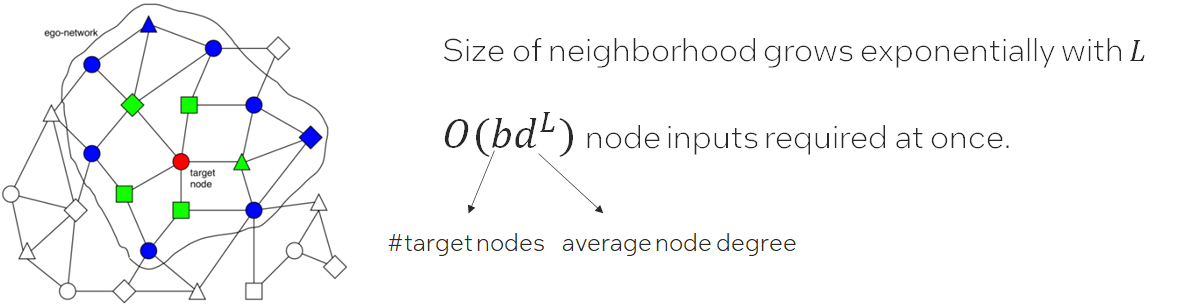
Graph sampler comes to rescue. Only sample a fraction of target nodes, and furthermore, for each target node, we sample a sub-graph of its ego-network for training. This is called mini-batch training.
Graph sampling is triggered for each data loading. And the hops of the sampled graph equals the GNN layer number . Which means graph sampler in data loader is important in GNN training.
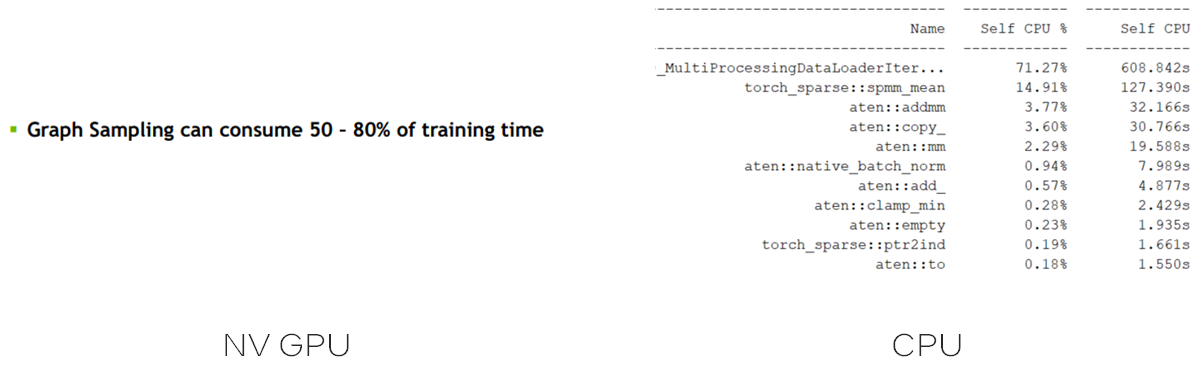
Challenge: How to optimize sampler both as standalone and in training pipe?
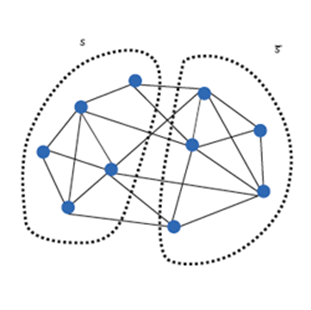
When graph comes to huge(billions of nodes, tens of billions of edges), we meet new at-scale challenges:
How to store the huge graph across node? -> graph partition
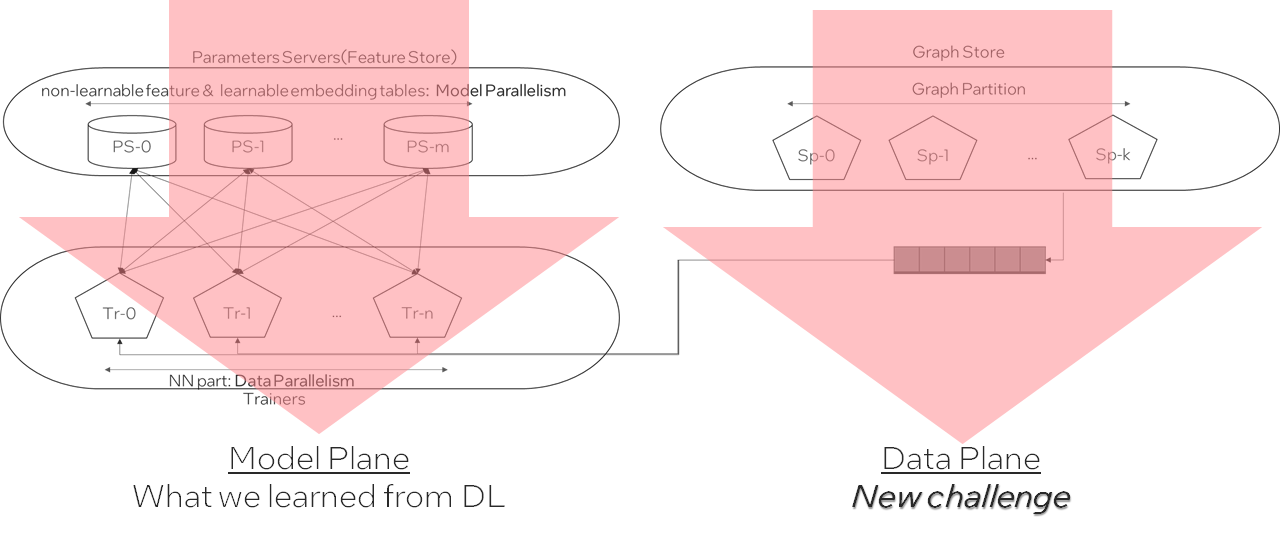
How to build a training system w/ not only distributed model computing but also distributed graph store and sampling?
How to cut the graph while minimize cross partition connections?
A possible GNN distributed training architecture:
Scatter-Gather
Fuse adjacent graphs ops
One common fuse pattern for GCN & GraphSAGE:
Challenge:
How to fuse more GNN patterns on different ApplyEdge and ApplyVertex,automatically?How to implement fused Aggregate
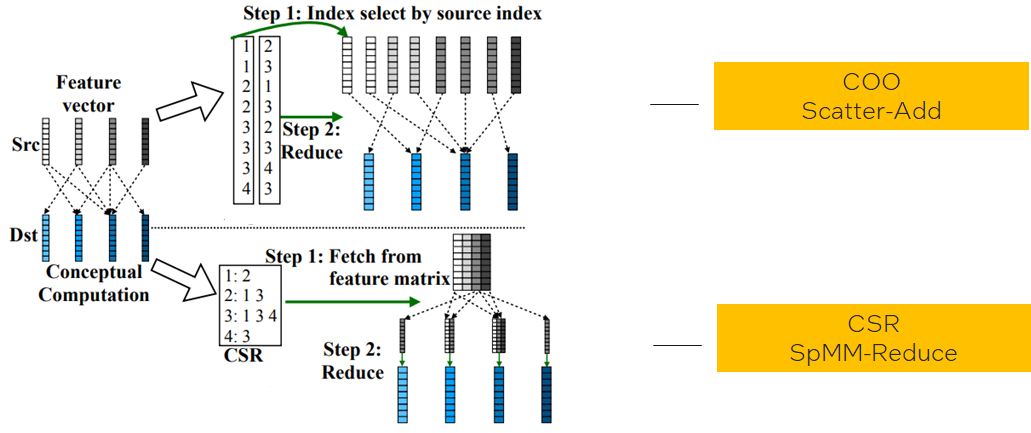
Challenge:Different graph data structures lead to different implementations in same logic operations;
Different graph characteristics favors different data structures;(like low-degree graphs favor COO, high-degree graphs favor CSR)
How to find the applicable zone for each and hide such complexity to data scientists?
More
Inference challenge
GNN inference needs full batch inference, how to make it efficient?
Distributed inference for big graph?
Vector quantization for node and edge features?
GNN distilled to MLP?
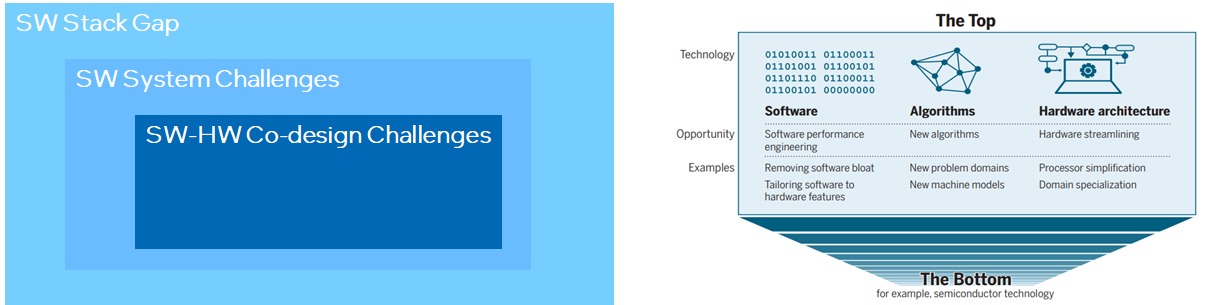
SW-HW co-design challenge
How to relief irregular memory access in scatter-gather?
Do we need some data flow engine for acceleration?
…
Finishing words
“There is plenty of room at the top” 对技术人员很重要。但为避免入宝山而空返,我们更需要建立起技术架构,这就像是地图一样,只有按图索骥才能更好地探索和利用好top里的plenty of room。
References
Graph + AI: What’s Next? Progress in Democratizing Graph for All
Recent Advances in Efficient and Scalable Graph Neural Networks
Understanding and Bridging the Gaps in Current GNN Performance Optimizations
Understanding GNN Computational Graph: A Coordinated Computation, IO, And Memory Perspective
fuseGNN: Accelerating Graph Convolutional Neural Network Training on GPGPU
VQ-GNN: A Universal Framework to Scale up Graph Neural Networks using Vector Quantization
NeuGraph: Parallel Deep Neural Network Computation on Large Graphs
Completing a member knowledge graph with Graph Neural Networks
PinnerFormer: Sequence Modeling for User Representation at Pinterest
GNN 101的更多相关文章
- 了解 ARDUINO 101* 平台
原文链接 简介 作为一名物联网 (IoT) 开发人员,您需要根据项目的不同需求,选择最适合的平台来构建应用. 了解不同平台的功能至关重要. 本文第一部分比较了 Arduino 101 平台和 Ardu ...
- Entity Framework 6 Recipes 2nd Edition(10-1)译->非Code Frist方式返回一个实体集合
存储过程 存储过程一直存在于任何一种关系型数据库中,如微软的SQL Server.存储过程是包含在数据库中的一些代码,通常为数据执行一些操作,它能为数据密集型计算提高性能,也能执行一些为业务逻辑. 当 ...
- 虚拟 router 原理分析- 每天5分钟玩转 OpenStack(101)
上一节我们创建了虚拟路由器"router_100_101",并通过 ping 验证了 vlan100 和 vlan101 已经连通. 本节将重点分析其中的原理. 首先我们查看控制节 ...
- VS:101 Visual Studio 2010 Tips
101 Visual Studio 2010 Tips Tip #1 How to not accidentally copy a blank line TO – Text Editor ...
- 【Mocha.js 101】钩子函数
前情提要 在上一篇文章<[Mocha.js 101]同步.异步与 Promise>中,我们学会了如何对同步方法.异步回调方法以及 Promise 进行测试. 在本篇文章中,我们将了解到 M ...
- 【Mocha.js 101】同步、异步与 Promise
前情提要 在上一篇文章<[Mocha.js 101]Mocha 入门指南>中,我们提到了如何用 Mocha.js 进行前端自动化测试,并做了几个简单的例子来体验 Mocha.js 给我们带 ...
- [nginx] connect() failed (111: Connection refused) while connecting to upstream, client: 101.18.123.107, server: localhost,
nginx一直报错, 2016/12/02 10:23:19 [error] 1472#0: *31 connect() failed (111: Connection refused)while c ...
- 学习 Linux,101: Linux 命令行
概述 本教程将简要介绍 bash shell 的一些主要特性,涵盖以下主题: 使用命令行与 shell 和命令交互 使用有效的命令和命令序列 定义.修改.引用和导出环境变量 访问命令历史和编辑工具 调 ...
- UVa 101 The Blocks Problem Vector基本操作
UVa 101 The Blocks Problem 一道纯模拟题 The Problem The problem is to parse a series of commands that inst ...
随机推荐
- Markdown使用指南
1. Markdown是什么? Markdown是一种轻量级标记语言,它以纯文本形式(易读.易写.易更改)编写文档,并最终以HTML格式发布. Markdown也可以理解为将以MARKDOWN语法编写 ...
- [CF1536F] Omkar and Akmar(博弈论?组合数学)
题面 [CF1536F] Omkar and Akmar 甲乙轮流在一个有 N N N 个位置的环上放字母(环上每个位置不同),每次可以放一个 A 或 B ,要求不能有相同的字母相邻,轮到某个人时不能 ...
- 【java】学习路径40-Buffer缓冲区输入流
@Testpublic void testBufferInputStream(){ BufferedInputStream bfis = null; try { bfis = new Buffered ...
- c++的一些笔记
--const 的一些用法 1,修饰指针 const int *p=.... 可以改变指针所指的位置,但不能改变指向位置的值. 2,修饰变量 int const * p=.... 可以改变指向位 ...
- 第七十一篇:Vue组件的私有和全局注册
好家伙, 1.组件的父子关系 我们封装三个组件,分别为left组件,right组件和App组件 在封装时: 在封装时,彼此的关系是独立的,并不存在父子关系 在使用时: 在使用时,根据彼此的嵌套关系,形 ...
- 干货分享!JAVA诊断工具Arthas在Rainbond上实践~
别再担心线上 Java 业务出问题怎么办了,Arthas 帮助你解决以下常见问题: 这个类从哪个 jar 包加载的?为什么会报各种类相关的 Exception? 我改的代码为什么没有执行到?难道是我没 ...
- 【SQLServer】max worker threads参数配置
查看和设置max worker threads USE master; //选中你想设置max worker threads的数据库.master表示在实例级别进行设置 GO EXEC sp_conf ...
- Linux系统编程001--系统IO
1. 文件系统:用来存储.组织.管理文件的一套方式.协议 2. 文件 文件的属性:i-node唯一表示一个文件的存在与否 文件的内容 3. Linux系统如何实现文件的操作? 点击查看代码 硬件层: ...
- AVL Tree (1) - Definition, find and Rotation
1. 定义 (15-1) [AVL tree]: 一棵空二叉树是 AVL tree; 若 T 是一棵非空二叉树, 则 T 满足以下两个条件时, T 是一棵 AVL tree: T_LeftSubtre ...
- Redis 的大 Key 对持久化有什么影响?
作者:小林coding 图解计算机基础(操作系统.计算机网络.计算机组成.数据库等)网站:https://xiaolincoding.com 大家好,我是小林. 上周有位读者字节一二面时,被问到:Re ...