
SpringMVC源码剖析1——执行流程

file:///C:/Users/WANGGA~1/AppData/Local/Temp/enhtmlclip/Image.png
<ignore_js_op>
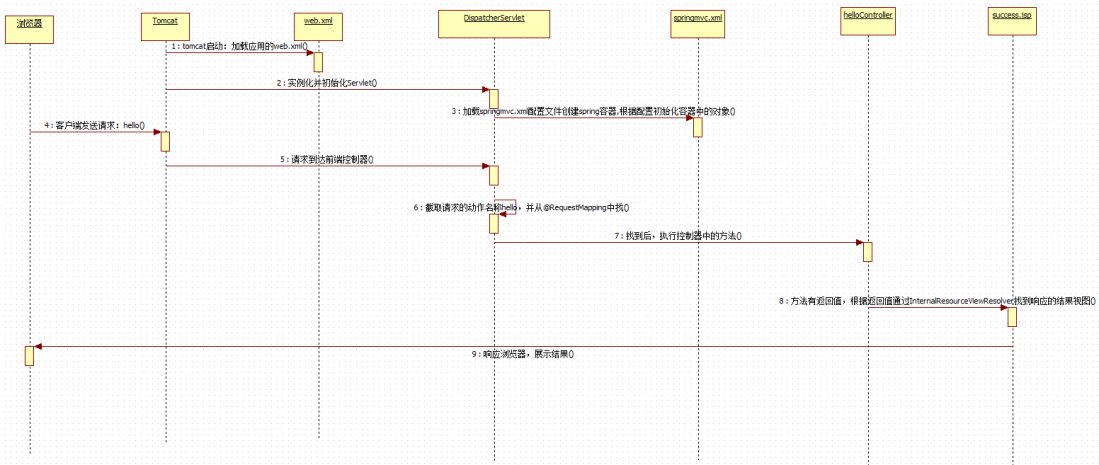
02.DispatcherServlet原理是一个Servlet,只要是Servlet就走doService方法
下面是DispatcherServlet的doService方法
|
01
02
03
04
05
06
07
08
09
10
11
12
13
14
15
16
17
18
19
20
21
22
23
24
25
26
27
28
29
30
31
32
33
34
35
36
37
38
39
40
41
42
43
44
45
46
47
48
49
50
51
52
|
protected void doService(HttpServletRequest request, HttpServletResponse response) throws Exception { if (logger.isDebugEnabled()) { String resumed = WebAsyncUtils.getAsyncManager(request).hasConcurrentResult() ? " resumed" : ""; logger.debug("DispatcherServlet with name '" + getServletName() + "'" + resumed + " processing " + request.getMethod() + " request for [" + getRequestUri(request) + "]"); } // Keep a snapshot of the request attributes in case of an include, // to be able to restore the original attributes after the include. Map<String, Object> attributesSnapshot = null; if (WebUtils.isIncludeRequest(request)) { attributesSnapshot = new HashMap<>(); Enumeration<?> attrNames = request.getAttributeNames(); while (attrNames.hasMoreElements()) { String attrName = (String) attrNames.nextElement(); if (this.cleanupAfterInclude || attrName.startsWith(DEFAULT_STRATEGIES_PREFIX)) { attributesSnapshot.put(attrName, request.getAttribute(attrName)); } } } // Make framework objects available to handlers and view objects. request.setAttribute(WEB_APPLICATION_CONTEXT_ATTRIBUTE, getWebApplicationContext()); request.setAttribute(LOCALE_RESOLVER_ATTRIBUTE, this.localeResolver); request.setAttribute(THEME_RESOLVER_ATTRIBUTE, this.themeResolver); request.setAttribute(THEME_SOURCE_ATTRIBUTE, getThemeSource()); if (this.flashMapManager != null) { FlashMap inputFlashMap = this.flashMapManager.retrieveAndUpdate(request, response); if (inputFlashMap != null) { request.setAttribute(INPUT_FLASH_MAP_ATTRIBUTE, Collections.unmodifiableMap(inputFlashMap)); } request.setAttribute(OUTPUT_FLASH_MAP_ATTRIBUTE, new FlashMap()); request.setAttribute(FLASH_MAP_MANAGER_ATTRIBUTE, this.flashMapManager); } try { doDispatch(request, response); } finally { if (!WebAsyncUtils.getAsyncManager(request).isConcurrentHandlingStarted()) { // Restore the original attribute snapshot, in case of an include. if (attributesSnapshot != null) { restoreAttributesAfterInclude(request, attributesSnapshot); } } }} |
前面都没啥用就是给request添加参数
03.doDispatch(request, response);方法
|
01
02
03
04
05
06
07
08
09
10
11
12
13
14
15
16
17
18
19
20
21
22
23
24
25
26
27
28
29
30
31
32
33
34
35
36
37
38
39
40
41
42
43
44
45
46
47
48
49
50
51
52
53
54
55
56
57
58
59
60
61
62
63
64
65
66
67
68
69
70
71
72
73
74
75
76
77
78
79
80
81
82
83
84
85
86
87
88
89
90
91
92
93
94
95
|
protected void doDispatch(HttpServletRequest request, HttpServletResponse response) throws Exception { HttpServletRequest processedRequest = request; HandlerExecutionChain mappedHandler = null; boolean multipartRequestParsed = false; WebAsyncManager asyncManager = WebAsyncUtils.getAsyncManager(request); try { ModelAndView mv = null; Exception dispatchException = null; try { processedRequest = checkMultipart(request); multipartRequestParsed = (processedRequest != request); // Determine handler for the current request. 这段代码是用来确定调用方法的,是根据路径解析出来的 mappedHandler = getHandler(processedRequest); if (mappedHandler == null) { noHandlerFound(processedRequest, response); return; } // Determine handler adapter for the current request. //确定当前请求程序的适配器 [RequestMappingHandlerAdapter也是就@Controller 的适配器 HandlerAdapter ha = getHandlerAdapter(mappedHandler.getHandler()); // Process last-modified header, if supported by the handler. String method = request.getMethod(); boolean isGet = "GET".equals(method); if (isGet || "HEAD".equals(method)) { long lastModified = ha.getLastModified(request, mappedHandler.getHandler()); if (logger.isDebugEnabled()) { logger.debug("Last-Modified value for [" + getRequestUri(request) + "] is: " + lastModified); } if (new ServletWebRequest(request, response).checkNotModified(lastModified) && isGet) { return; } } if (!mappedHandler.applyPreHandle(processedRequest, response)) { return; } // Actually invoke the handler. 通过反射调用相应执行的方法 mv = ha.handle(processedRequest, response, mappedHandler.getHandler()); if (asyncManager.isConcurrentHandlingStarted()) { return; } applyDefaultViewName(processedRequest, mv); mappedHandler.applyPostHandle(processedRequest, response, mv); } catch (Exception ex) { dispatchException = ex; } catch (Throwable err) { // As of 4.3, we're processing Errors thrown from handler methods as well, // making them available for @ExceptionHandler methods and other scenarios. dispatchException = new NestedServletException("Handler dispatch failed", err); } processDispatchResult(processedRequest, response, mappedHandler, mv, dispatchException); } catch (Exception ex) { triggerAfterCompletion(processedRequest, response, mappedHandler, ex); } catch (Throwable err) { triggerAfterCompletion(processedRequest, response, mappedHandler, new NestedServletException("Handler processing failed", err)); } finally { if (asyncManager.isConcurrentHandlingStarted()) { // Instead of postHandle and afterCompletion if (mappedHandler != null) { mappedHandler.applyAfterConcurrentHandlingStarted(processedRequest, response); } } else { // Clean up any resources used by a multipart request. if (multipartRequestParsed) { cleanupMultipart(processedRequest); } } }} |
04. mv = ha.handle(processedRequest, response, mappedHandler.getHandler());
此方法主要是调用对应的适配器,然后再通过反射执行对应方法
本来应该调用RequestHandlerAdapter类中的方法,但是没有,根据继承的关系调用父类,抽象类AbstractHandlerMethodAdapter中的方法handle( )
|
1
2
3
4
|
public final ModelAndView handle(HttpServletRequest request, HttpServletResponse response, Object handler) throws Exception { return handleInternal(request, response, (HandlerMethod) handler);} |
本类
|
1
2
|
protected abstract ModelAndView handleInternal(HttpServletRequest request,HttpServletResponse response, HandlerMethod handlerMethod) throws Exception; |
然后在RequestHandlerAdapter中调用 handleInternal( )方法
|
01
02
03
04
05
06
07
08
09
10
11
12
13
14
15
16
17
18
19
20
21
22
23
24
25
26
27
28
29
30
31
32
33
34
35
36
37
38
39
40
|
protected ModelAndView handleInternal(HttpServletRequest request, HttpServletResponse response, HandlerMethod handlerMethod) throws Exception { ModelAndView mav; checkRequest(request); // Execute invokeHandlerMethod in synchronized block if required. if (this.synchronizeOnSession) { HttpSession session = request.getSession(false); if (session != null) { Object mutex = WebUtils.getSessionMutex(session); synchronized (mutex) { mav = invokeHandlerMethod(request, response, handlerMethod); } } else { // No HttpSession available -> no mutex necessary mav = invokeHandlerMethod(request, response, handlerMethod); } } else { // No synchronization on session demanded at all... mav = invokeHandlerMethod(request, response, handlerMethod); } |
file:///C:/Users/WANGGA~1/AppData/Local/Temp/enhtmlclip/Image.png
<ignore_js_op>
02.DispatcherServlet原理是一个Servlet,只要是Servlet就走doService方法
下面是DispatcherServlet的doService方法
|
01
02
03
04
05
06
07
08
09
10
11
12
13
14
15
16
17
18
19
20
21
22
23
24
25
26
27
28
29
30
31
32
33
34
35
36
37
38
39
40
41
42
43
44
45
46
47
48
49
50
51
52
|
protected void doService(HttpServletRequest request, HttpServletResponse response) throws Exception { if (logger.isDebugEnabled()) { String resumed = WebAsyncUtils.getAsyncManager(request).hasConcurrentResult() ? " resumed" : ""; logger.debug("DispatcherServlet with name '" + getServletName() + "'" + resumed + " processing " + request.getMethod() + " request for [" + getRequestUri(request) + "]"); } // Keep a snapshot of the request attributes in case of an include, // to be able to restore the original attributes after the include. Map<String, Object> attributesSnapshot = null; if (WebUtils.isIncludeRequest(request)) { attributesSnapshot = new HashMap<>(); Enumeration<?> attrNames = request.getAttributeNames(); while (attrNames.hasMoreElements()) { String attrName = (String) attrNames.nextElement(); if (this.cleanupAfterInclude || attrName.startsWith(DEFAULT_STRATEGIES_PREFIX)) { attributesSnapshot.put(attrName, request.getAttribute(attrName)); } } } // Make framework objects available to handlers and view objects. request.setAttribute(WEB_APPLICATION_CONTEXT_ATTRIBUTE, getWebApplicationContext()); request.setAttribute(LOCALE_RESOLVER_ATTRIBUTE, this.localeResolver); request.setAttribute(THEME_RESOLVER_ATTRIBUTE, this.themeResolver); request.setAttribute(THEME_SOURCE_ATTRIBUTE, getThemeSource()); if (this.flashMapManager != null) { FlashMap inputFlashMap = this.flashMapManager.retrieveAndUpdate(request, response); if (inputFlashMap != null) { request.setAttribute(INPUT_FLASH_MAP_ATTRIBUTE, Collections.unmodifiableMap(inputFlashMap)); } request.setAttribute(OUTPUT_FLASH_MAP_ATTRIBUTE, new FlashMap()); request.setAttribute(FLASH_MAP_MANAGER_ATTRIBUTE, this.flashMapManager); } try { doDispatch(request, response); } finally { if (!WebAsyncUtils.getAsyncManager(request).isConcurrentHandlingStarted()) { // Restore the original attribute snapshot, in case of an include. if (attributesSnapshot != null) { restoreAttributesAfterInclude(request, attributesSnapshot); } } }} |
前面都没啥用就是给request添加参数
03.doDispatch(request, response);方法
|
01
02
03
04
05
06
07
08
09
10
11
12
13
14
15
16
17
18
19
20
21
22
23
24
25
26
27
28
29
30
31
32
33
34
35
36
37
38
39
40
41
42
43
44
45
46
47
48
49
50
51
52
53
54
55
56
57
58
59
60
61
62
63
64
65
66
67
68
69
70
71
72
73
74
75
76
77
78
79
80
81
82
83
84
85
86
87
88
89
90
91
92
93
94
95
|
protected void doDispatch(HttpServletRequest request, HttpServletResponse response) throws Exception { HttpServletRequest processedRequest = request; HandlerExecutionChain mappedHandler = null; boolean multipartRequestParsed = false; WebAsyncManager asyncManager = WebAsyncUtils.getAsyncManager(request); try { ModelAndView mv = null; Exception dispatchException = null; try { processedRequest = checkMultipart(request); multipartRequestParsed = (processedRequest != request); // Determine handler for the current request. 这段代码是用来确定调用方法的,是根据路径解析出来的 mappedHandler = getHandler(processedRequest); if (mappedHandler == null) { noHandlerFound(processedRequest, response); return; } // Determine handler adapter for the current request. //确定当前请求程序的适配器 [RequestMappingHandlerAdapter也是就@Controller 的适配器 HandlerAdapter ha = getHandlerAdapter(mappedHandler.getHandler()); // Process last-modified header, if supported by the handler. String method = request.getMethod(); boolean isGet = "GET".equals(method); if (isGet || "HEAD".equals(method)) { long lastModified = ha.getLastModified(request, mappedHandler.getHandler()); if (logger.isDebugEnabled()) { logger.debug("Last-Modified value for [" + getRequestUri(request) + "] is: " + lastModified); } if (new ServletWebRequest(request, response).checkNotModified(lastModified) && isGet) { return; } } if (!mappedHandler.applyPreHandle(processedRequest, response)) { return; } // Actually invoke the handler. 通过反射调用相应执行的方法 mv = ha.handle(processedRequest, response, mappedHandler.getHandler()); if (asyncManager.isConcurrentHandlingStarted()) { return; } applyDefaultViewName(processedRequest, mv); mappedHandler.applyPostHandle(processedRequest, response, mv); } catch (Exception ex) { dispatchException = ex; } catch (Throwable err) { // As of 4.3, we're processing Errors thrown from handler methods as well, // making them available for @ExceptionHandler methods and other scenarios. dispatchException = new NestedServletException("Handler dispatch failed", err); } processDispatchResult(processedRequest, response, mappedHandler, mv, dispatchException); } catch (Exception ex) { triggerAfterCompletion(processedRequest, response, mappedHandler, ex); } catch (Throwable err) { triggerAfterCompletion(processedRequest, response, mappedHandler, new NestedServletException("Handler processing failed", err)); } finally { if (asyncManager.isConcurrentHandlingStarted()) { // Instead of postHandle and afterCompletion if (mappedHandler != null) { mappedHandler.applyAfterConcurrentHandlingStarted(processedRequest, response); } } else { // Clean up any resources used by a multipart request. if (multipartRequestParsed) { cleanupMultipart(processedRequest); } } }} |
04. mv = ha.handle(processedRequest, response, mappedHandler.getHandler());
此方法主要是调用对应的适配器,然后再通过反射执行对应方法
本来应该调用RequestHandlerAdapter类中的方法,但是没有,根据继承的关系调用父类,抽象类AbstractHandlerMethodAdapter中的方法handle( )
|
1
2
3
4
|
public final ModelAndView handle(HttpServletRequest request, HttpServletResponse response, Object handler) throws Exception { return handleInternal(request, response, (HandlerMethod) handler);} |
本类
|
1
2
|
protected abstract ModelAndView handleInternal(HttpServletRequest request,HttpServletResponse response, HandlerMethod handlerMethod) throws Exception; |
然后在RequestHandlerAdapter中调用 handleInternal( )方法
|
01
02
03
04
05
06
07
08
09
10
11
12
13
14
15
16
17
18
19
20
21
22
23
24
25
26
27
28
29
30
31
32
33
34
35
36
37
38
39
40
|
protected ModelAndView handleInternal(HttpServletRequest request, HttpServletResponse response, HandlerMethod handlerMethod) throws Exception { ModelAndView mav; checkRequest(request); // Execute invokeHandlerMethod in synchronized block if required. if (this.synchronizeOnSession) { HttpSession session = request.getSession(false); if (session != null) { Object mutex = WebUtils.getSessionMutex(session); synchronized (mutex) { mav = invokeHandlerMethod(request, response, handlerMethod); } } else { // No HttpSession available -> no mutex necessary mav = invokeHandlerMethod(request, response, handlerMethod); } } else { // No synchronization on session demanded at all... mav = invokeHandlerMethod(request, response, handlerMethod); } |
SpringMVC源码剖析1——执行流程的更多相关文章
- SpringMVC源码剖析(四)- DispatcherServlet请求转发的实现
SpringMVC完成初始化流程之后,就进入Servlet标准生命周期的第二个阶段,即“service”阶段.在“service”阶段中,每一次Http请求到来,容器都会启动一个请求线程,通过serv ...
- SpringMVC源码剖析(二)- DispatcherServlet的前世今生
上一篇文章<SpringMVC源码剖析(一)- 从抽象和接口说起>中,我介绍了一次典型的SpringMVC请求处理过程中,相继粉墨登场的各种核心类和接口.我刻意忽略了源码中的处理细节,只列 ...
- springmvc源码分析系列-请求处理流程
接上一篇-springmvc源码分析开头片 上一节主要说了一下springmvc与struts2的作为MVC中的C(controller)控制层的一些区别及两者在作为控制层方面的一些优缺点.今天就结合 ...
- SpringMVC源码剖析5:消息转换器HttpMessageConverter与@ResponseBody注解
转自 SpringMVC关于json.xml自动转换的原理研究[附带源码分析] 本系列文章首发于我的个人博客:https://h2pl.github.io/ 欢迎阅览我的CSDN专栏:Spring源码 ...
- SpringMVC源码剖析(五)-消息转换器HttpMessageConverter
原文链接:https://my.oschina.net/lichhao/blog/172562 #概述 在SpringMVC中,可以使用@RequestBody和@ResponseBody两个注解,分 ...
- SpringMVC源码剖析(三)- DispatcherServlet的初始化流程
在我们第一次学Servlet编程,学Java Web的时候,还没有那么多框架.我们开发一个简单的功能要做的事情很简单,就是继承HttpServlet,根据需要重写一下doGet,doPost方法,跳转 ...
- SpringMVC源码剖析(一)- 从抽象和接口说起
SpringMVC作为Struts2之后异军突起的一个表现层框架,正越来越流行,相信javaee的开发者们就算没使用过SpringMVC,也应该对其略有耳闻.我试图通过对SpringMVC的设计思想和 ...
- SpringMVC源码分析-400异常处理流程及解决方法
本文涉及SpringMVC异常处理体系源码分析,SpringMVC异常处理相关类的设计模式,实际工作中异常处理的实践. 问题场景 假设我们的SpringMVC应用中有如下控制器: 代码示例-1 @Re ...
- 【原创】angularjs1.3.0源码解析之执行流程
Angular执行流程 前言 发现最近angularjs在我厂的应用变得很广泛,下周刚好也有个angular项目要着手开始做,所以先做了下功课,从源代码开始入手会更深刻点,可能讲的没那么细,侧重点在于 ...
随机推荐
- MQTT的编译和安装(mosquitto)
1.基于IBM开发的开元框架实现mosquitto 下载地址:http://mosquitto.org/files/source/ 编译安装:(参考链接:https://www.cnblogs.co ...
- jquery 第二节 Dom和jQuery的互相转换
1.Dom转jQuery Dom对象: var v_dom = document.getElementById("name"); 转换: jQuery对象: var v_jq ...
- 什么?你还没女朋友?教你如何借助Python俘获女孩子芳心!
天气降温,感情却升温了? 上午刚到公司,就收到小Q发来的灵魂拷问: “Q仔!要不然下午请个假!我带你去精神科看看!?”我实在忍不了,脱口而出. 话音未落,前排的运营小花回头看向小Q,莞尔一笑,百媚横生 ...
- mysql not in 或 in 优化
在MySQL 中,not in 或in 优化思路, 利用left join 来优化,类似如下的查询方式: select id from a where id in (select id from b ...
- jsp/servlet编码原理
转自:http://janwer.iteye.com/blog/150226 首先,说说 JSP/Servlet 中的几个编码的作用 在 JSP/Servlet 中主要有以下几种设置编码的方式: pa ...
- SDWebImage缓存图片和读取图片
NSString *urlStr: NSUrl *url = [NSURL URLWithString:urlStr]; //缓存图片 SDWebImageManager *manager = [SD ...
- java 的HashMap底层数据结构
HashMap也是我们使用非常多的Collection,它是基于哈希表的 Map 接口的实现,以key-value的形式存在.在HashMap中,key-value总是会当做一个整体来处理,系统会根据 ...
- 基于serverless快速部署前端项目到腾讯云
腾讯云 COS 组件,可以快速部署静态网站页面到对象存储 COS 中,并生成域名供访问. 安装 首先要安装 serverless 组件 npm install -g serverless 在项目的根目 ...
- 编译x64c++出错,errorC1900:P1和P2之间 Il 不匹配问题
搜索了下相关资料,有一个说法是编译x64时本地缺失一些东西,2015安装update3就行. 我的是2013update4,找了下最新的有update5,安装然而并没有什么用. 最后还是重新找对应版本 ...
- 安装chrome并设置默认主页
chrome 版本 https://support.google.com/chrome/a/answer/187948?hl=en&ref_topic=2936229