
定制Django的Tag和Filter(二)
配置
(1)最常见的放置自定义Tag和Filter的地方是在Django的app下。当一个app被添加到settings.py的INSTALLED_APPS 后,任何在它下面的合法位置将自动的可在templates中被调用。合法位置就是在app下的templatetags子文件夹下,但不要忘记添加init.py文件来表明它是个包。
自定义的tag或者filter就在templatetag文件夹下的py文件中,在template中调用的是该py文件的名字,比如
app名字是polls,tags/filter在poll_extras.py中:
polls/

    __init__.py

    models.py

    templatetags/

        __init__.py

        poll_extras.py

    views.py
在template中这样加载定义在poll_extras.py中的tags/filters:
{% load poll_extras %}
包含定制的tags/filters的app必须在INSTALLED_APPS,并且{% load ... %}也是在INSTALLED_APPS从上往下搜索。
(2)当然放置Tag和Filter的文件也不一定非得在app中,可以在project的任何地方,但是这种情况下,需要在DjangoTemplates的libraries中注册,比如,将放置tag/filters的文件testcommon.py放置在工程的新建common文件夹下。
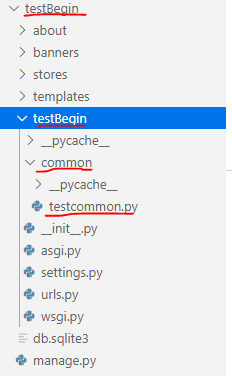
然后在settings.py的TEMPLATE中注册该文件,需要注意的是在templates中load的是‘commonfile'。
TEMPLATES = [

    {

        'BACKEND': 'django.template.backends.django.DjangoTemplates',

        'DIRS': [TEMPLATE_DIR],

        'APP_DIRS': True,

        'OPTIONS': {

            # 'string_if_invalid':InvalidTemplateVariable('%s'),

            # 'autoescape':False,

            'context_processors': [

                'django.template.context_processors.debug',

                'django.template.context_processors.request',

                'django.contrib.auth.context_processors.auth',

                'django.contrib.messages.context_processors.messages',

                'banners.processors.onsale',

            ],

            'libraries':{'commonfile':'testBegin.common.testcommon'},

        },

    },

]
testcommon.py中定义commonfilter:
from django import template

from django.utils.html import escape

from django.utils.safestring import mark_safe

register=template.Library()

@register.filter(needs_autoescape=True)

def commonfilter(value,autoescape=True):

    if autoescape:

        value=escape(value)

    result='<b>%s</b>'%value

    return mark_safe(result)
最后在template中调用:
{% load commonfile %}

{{ coffee|commonfilter }}  #其中coffee变量为'mocamoca'
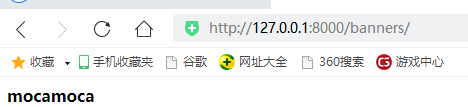
那能不能像built-in filter一样,不用每次都声明{% load custom filter %}?可以的,只需要在settings.py中的'TEMPLATES'的'OPTIONS'字段内加入'builtins':['location of files containing filter'],比如:
TEMPLATES = [

    {

        'BACKEND': 'django.template.backends.django.DjangoTemplates',

        'DIRS': [TEMPLATE_DIR],

        'APP_DIRS': True,

        'OPTIONS': {

            # 'string_if_invalid':InvalidTemplateVariable('%s'),

            # 'autoescape':False,

            'context_processors': [

                'django.template.context_processors.debug',

                'django.template.context_processors.request',

                'django.contrib.auth.context_processors.auth',

                'django.contrib.messages.context_processors.messages',

                'banners.processors.onsale',

            ],

            'builtins':['testBegin.common.testcommon'],

        },

    },

]
写自定义的模板filter
自定义filter是有1个或者2个参数的Python函数:
输入变量的值(不一定必须是string)
值的参数,可以有默认值
比如,{{ var|foo:'bar' }},foo被掺入了变量var和参数'bar'。
下面是个简单的例子:
#bannerTags.py

from django import template

register=template.Library()

@register.filter()

def john(value,arg):

    return value.replace(arg,'john')
{% load bannerTags %}

{{ coffee|john:'m' }}
coffee的值为'macomaco',
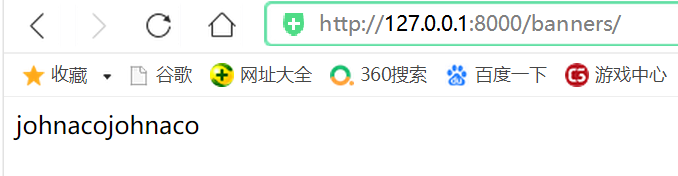
@register.filter可以没有参数,直接用@register.filter来装饰,也可以有参数,起到特定的功能:
- name:默认的filter的名字就是函数名字,而name参数可以改变filter的名字
如
@register.filter(name='cutname')

def cut(value, arg):

    return value.replace(arg, '')
{{ coffee|cutname:'m' }}
- 此外,还有
is_safe,needs_autoscape,expects_localtime.
字符期望的Filter(Template filters that expect strings)
django.template.defaultfilters.stringfilter()
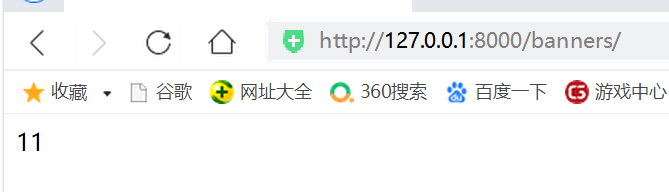
在上面的例子中,如果coffee的值是11,则会报错:
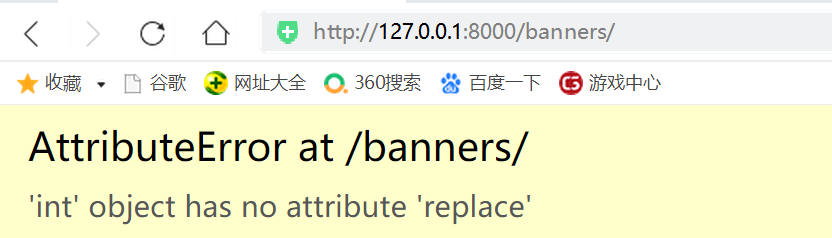
解决这个只需要再加层装饰器就可以了:
from django import template

from django.template.defaultfilters import stringfilter

register=template.Library()

@register.filter

@stringfilter

def john(value,arg):

    return value.replace(arg,'john')
可以发现已经没有报错了:
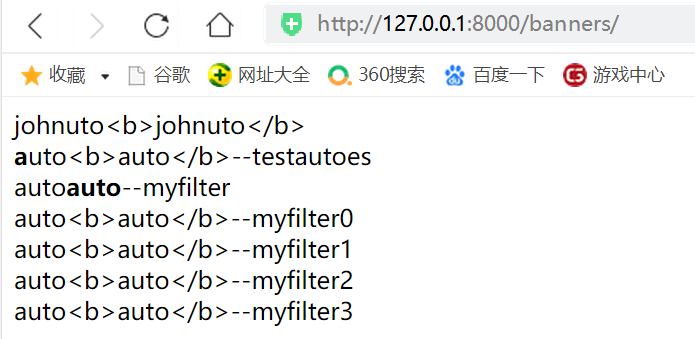
Filter 和 auto-escaping
from django import template

from django.template.defaultfilters import stringfilter

register=template.Library()

from django.utils.html import conditional_escape

from django.utils.safestring import mark_safe

@register.filter

@stringfilter

def john(value,arg):

    return value.replace(arg,'john')

@register.filter(is_safe=True)

def myfilter0(value):

    return value

@register.filter()

def myfilter(value):

    return mark_safe(value)

@register.filter(needs_autoescape=True)

def testautoes(text,autoescape=True):

    first,other=text[0],text[1:]

    if autoescape:

        esc=conditional_escape

    else:

        esc=lambda x:x

    result='<b>%s</b>%s' % (esc(first),esc(other))

    return mark_safe(result)

    # return result

@register.filter()

def myfilter1(value):

    value=conditional_escape(value)

    return mark_safe(value)

@register.filter()

def myfilter2(value):

    value=conditional_escape(value)

    return value

@register.filter()

def myfilter3(value):

    return value
{% load bannerTags %}

{{ coffee|john:'a' }}

<br>

{{ coffee|testautoes }}--testautoes

<br>

{{ coffee|myfilter }}--myfilter

<br>

{{ coffee|myfilter0 }}--myfilter0

<br>

{{ coffee|myfilter1 }}--myfilter1

<br>

{{ coffee|myfilter2 }}--myfilter2

<br>

{{ coffee|myfilter3 }}--myfilter3
当在settings.py的Templates的'OPTIONS'添加autoexcape:False时,
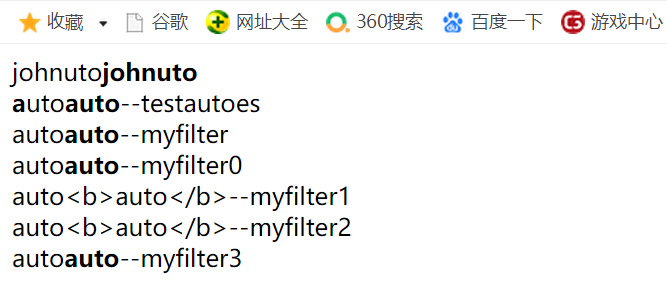
从这个例子可以看出几点:
- 自定义filter的函数大多都受总的
autoescape设定(即settings.py中关于autoescape)的影响,如果总的autoescape被设定为False,则含有”不安全“的符号如'<,>,'将不被转义,但是当通过conditional_escape处理后,则仍然被转义,具体表现为上图'myfilter1'和'myfilter2' - 当总的
autoescape是True(默认情况),大多含有”不安全“的符号,都要进行转义,但是通过mark_safe而没有通过conditional_escape的处理,将直接被渲染。
写自定义Tags
Tags 比Filter更复杂,因为tags可以做任何事情,Django提供了很多快捷方式来使得写tags更方便。
Simple tags
django.template.Library.simple_tag()
很多模板tag有很多参数,字符串或者模板变量,然后仅仅基于输入的参数进行一些操作,然后返回结果。比如,‘current_time'可以接受一个字符串模板,返回时间的格式化的字符。
为了简化这种tag的创建过程,Django提供了个帮助函数,simple_tag,这个函数是django.template.Library的方法,它的接受任意的参数,用render函数包裹该函数,所以它就是起了一个装饰器的作用。
#bannerTags.py

import datetime

from django import template

register = template.Library()

@register.simple_tag

def current_time(format_string):

    return datetime.datetime.now().strftime(format_string)
{% load bannerTags %}

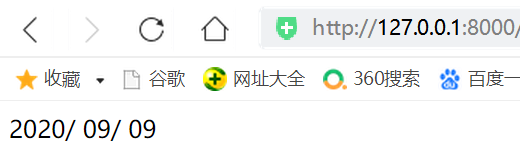
{% current_time ' %Y/ %m/ %d' as tim %}

{{tim}}
不像其他tag的用法,如果是autoescape模式,simple_tag就会将它的输出再输入conditional_escape()中,来保证正确的HTML,来免于XSS攻击。
如果十分确定没有XSS攻击代码,则可以用mark_safe(),而对于创建小的HTML代码块,建议用format_html(),而不是mark_safe().
如果需要重命名,老规矩,就像Filter一样,在
register.simple_tag()中传入name即可。如果需要接受任意数量的positional argument或者keyword arguments,比如:
@register.simple_tag

def my_tag(a, b, *args, **kwargs):

    warning = kwargs['warning']

    profile = kwargs['profile']

    ...

    return ...
在模板中,任意的参数,被空格分隔,就会被传入tag中。与python类似的是,对于keyword argument,用 等于号 '='来表示,而keyword argument跟在python中的类似,也必须放在position arguments之后。
{% my_tag 123 "abcd" book.title warning=message|lower profile=user.profile %}
如果不直接输出tag的结果,而是将该结果储存起来,也是可以的。通过
as就可以达到这个效果,比如:{% current_time "%Y-%m-%d %I:%M %p" as the_time %}
<p>The time is {{ the_time }}.</p>
Inclusion tags
django.template.Library.inclusion_tag()另一种常见的类型是通过render其他的模板来展示数据的,这种tags被称为'inclusion tags‘。
写法步骤如下:
(1)首先定义一个函数及其输入参数,然后返回一个字典,该字典将被当做一个template context传入被rendered 的其他模板。
#testcommon.py

def show_results(strings):

    choices=strings.split('s')

    return {'choices':choices}
(2)定义被rendered的其他模板,其位置必须能被搜索到。
# results.html

<ul>

    {% for alpha in choices %}

    {% if alpha %}

    <li> {{ alpha }}</li>

    {% endif %}

    {% endfor %}

</ul>
(3)通过调用inclusion_tag来创建,和注册一个inclusion tag。
#testcommon.py

@register.inclusion_tag('banners/results.html')

def show_results(strings):

    choices=strings.split('s')

    return {'choices':choices}
(4)在模板中使用该tag。
#test.html

{% show_results coffee %}
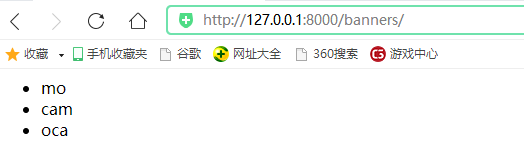
其路由为:
urlpatterns=[

    url(r'^method',views.method,name='method'),

    url(r'^$',TemplateView.as_view(template_name='banners/test.html',extra_context={'coffee':'moscamsocas'}),name='index'),

]
运行:
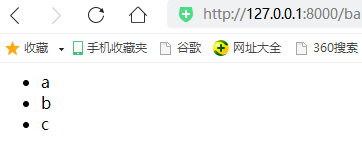
也可以在模板中直接传字符串:
#test.html

{% show_results 'asbscs' %}
还有一种等效的方法是:
#testcommon.py

from django.template.loader import get_template

t=get_template('banners/results.html')

register.inclusion_tag(t)(show_results)
可以看到,本质上与第一种方法是一样的,只不过是显式的找到html然后传递给register.inclusion_tag,然后再传入show_results,这个过程本身就是装饰器的显式表达。
有时候,inclusion tags需要将大量的参数传入,这时候对于使用tags的人来说非常痛苦,还要记住参数顺序。为解决这种问题,Django为inclusion tag提供了take_context选项,当表明了它,并设置为True,使用模板时,可以不需要参数,相应的python function只需要传入一个参数context,从而达到直接将被调用的template的context_dict传入tag function,并通过tag function 传入被rendered的Html。
比如:
@register.inclusion_tag('banners/results.html',takes_context=True)

def show_results(context):

    choices=context['coffee'].split('s')

    return {'coffee':choices }
#被call的test.html

{% show_results  %}
#被rendered的html,可见coffee被传入

<ul>

    {% for alpha in coffee %}

    {% if alpha %}

    <li> {{ alpha }}</li>

    {% endif %}

    {% endfor %}

</ul>
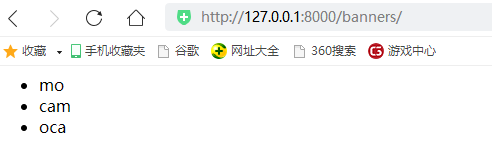
最后,inclusion_tag也可以接受任意数量的position argument和keyword argument:
如:
@register.inclusion_tag('my_template.html')

def my_tag(a, b, *args, **kwargs):

    warning = kwargs['warning']

    profile = kwargs['profile']

    ...

    return ...
{% my_tag 123 "abcd" book.title warning=message|lower profile=user.profile %}
定制Django的Tag和Filter(二)的更多相关文章
- Django之tag标签和filter标签
1.Django的tag常见的标签,可以做一些简单的功能 {%if%} 的使用主要用于做判断,还可以包含{%elif%} 这样的用法,最后要跟上{% endif %}.可以使用你的and,or,not ...
- Django(模板语言-自定义filter和simple_tag)
Django(模板语言-自定义filter和simple_tag) filter过滤器的主要形式:变量|函数,意思是将变量交给函数处理,而自定义filter就是自己定义函数,因为用到已有的很少. ...
- Django 系列博客(二)
Django 系列博客(二) 前言 今天博客的内容为使用 Django 完成第一个 Django 页面,并进行一些简单页面的搭建和转跳. 命令行搭建 Django 项目 创建纯净虚拟环境 在上一篇博客 ...
- django之创建第7-5-第二种传值方式(time/1232/xiaodneg)
1.修改views文件 def foo(request,myID,myName): t = loader.get_template("foo.html") user = {&quo ...
- Django里面的自定义tag和filter
Django的文档里面有这么一句 The app that contains the custom tags must be in INSTALLED_APPS in order for the { ...
- Django基础08篇 filter&tag
1.Django自带的过滤器filter views.py中代码 def template_tags(request): import datetime content = '三胖content三胖c ...
- django 自定义过滤器(filter)处理较为复杂的变量的实例
简述:django 在views中有数据需要通过字典(dict)的方式传递给template,该字典中又包含了字典,而且字典中的键值还是一个对象,在template中处理传递过来的数据的时候,字典不能 ...
- [django]添加自定义template filter标签
看文档templatetag 直接放在app下的templatetag 文件夹下就好,这里想放到一个公共的目录下,然后写下简单的自定义tag的模板. django1.6 创建 在项目目录下建立如下的文 ...
- Django的学习进阶(二)———— name
一.问题: 在做完第一个demo的时候,由于只是基础学习,所以对于name的使用并不需要很熟练,也不用理解的很深.但是在做音乐网站的时候遇到了关于如何使用name的内容. 由于一个app中会使用到另一 ...
- django -- 自定义simpletag 和 filter
django中自定义simpletag,即使用自己定义的函数在html中处理数据. 步骤: 1.创建并注册app settings.py INSTALLED_APPS = [ 'django.cont ...
随机推荐
- 植物大战僵尸杂交版,最新安装包(PC+手机+苹果)+ 修改器+高清工具
植物大战僵尸杂交版:全新游戏体验与创意碰撞 游戏简介 <植物大战僵尸杂交版>是由B站知名UP主潜艇伟伟迷基于经典游戏<植物大战僵尸>进行的一次大胆且富有创意的二次创作.这款游戏 ...
- maven - [01] 概述
Maven -- 项目管理及自动构建工具 001 || maven是什么 Maven 是一个由Apache软件基金会提供的项目管理及自动构建工具,主要用于Java编程.它基于项目对象模型(POM) ...
- CF889E题解
\(\text{Problem - 889E - Codeforces}\) \(\text{*3000}\) 修正 感谢学长 \(\text{fs}\) 指出状态数原因解释的错误. 题意 给一个序列 ...
- 解决 Ubuntu 22.04 下 flameshot 截图工具无法使用的问题
问题描述 flameshot 是 Linux 端广受好评的一款截图工具,但在 Ubuntu 22.04 中,安装完成后却不能使用,表现为截图命令无响应,或截图过程报错. 通过查阅 flameshot ...
- 【问题】抓取微信公众号文章 特殊字符()问题
最初对抓取的文章处理使用正则表达式统一处理,代码如下: Regex regex_p = new Regex(@"<p>\s*</p>", RegexOpti ...
- pandas 如何移动列的位置
实现效果 原来备注列在第二列 代码: mid=df['备注'] #取备注列的值 df.pop('备注') #删除备注列 df.insert(4,'备注',mid) #插入备注列
- cypress 在 typescript 项目中报错找不到 'tslib'
原文链接:https://blog.jijian.link/2020-08-11/cypress-typescript-cannot-find-module-tslib/ cypress 在 type ...
- 可视化|MapBoxGL
注册Proton Mail 用户名 密码 人机验证 昵称 设置恢复方法-选择稍后再说-确定 注册MapBoxGL 填写后 Finish creating your account 一开始之前记得选择U ...
- 【Java】(机考常用)类集
类集框架(集合框架)是一个用来代表和操纵集合的统一架构.所有的类集框架都包含如下内容: 接口:是代表类集的抽象数据类型.之所以定义多个接口,是为了以不同的方式操作集合对象. 例如:Collection ...
- Web前端入门第 24 问:CSS 单位
单位就是那个形容长度大小的东西.比如身高180cm(厘米),cm就是单位. css 也不例外,要描述一个盒子的大小,就必须要用到单位. css 单位根据其作用分为几大类:绝对单位.相对单位.视口单位. ...