
Google Map API v2 (三)----- 地图上添加标记(Marker),标记info窗口,即指定经纬度获取地址字符串
接上篇 http://www.cnblogs.com/inkheart0124/p/3536322.html
1,在地图上打个标记
 private MarkerOptions mMarkOption;

 mMarkOption = new MarkerOptions().icon(BitmapDescriptorFactory.fromAsset("target.png"));

 mMarkOption.draggable(true);

 double dLat = mLocation.getLatitude();

 double dLong = mLocation.getLongitude();

 LatLng latlng = new LatLng(dLat, dLong);

 mMarkOption.position(latlng);

 mMarkOption.title("title");

 mMarkOption.snippet("snippet");

 Marker mMarker = mMapView.addMarker(mMarkOption);
3行,MarkerOptions对象,自己设置一个icon( target.png )
)
4行,设置为可拖动
6~9行,构造当前经纬度的LatLng
11~13行,设置标记的位置,info window的标题title、详细snippet
14行,GoogleMap的 addMarker(MarkerOptions) 方法,把标记添加到地图上,返回Marker对象mMarker。
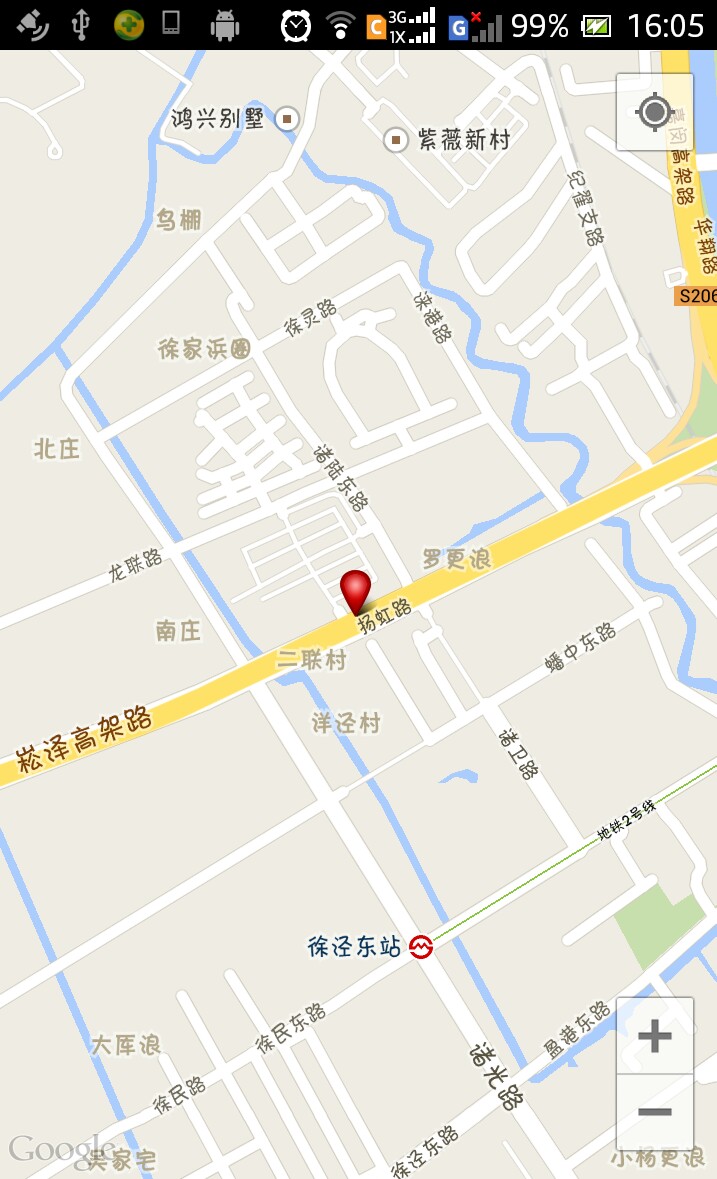
2,拖动标记
设置标记可拖动:
方法一、先设置mMarkOption.draggable(true);,再addMarker;
方法二、Marker的setDraggable(boolean)方法;
Google Map 默认长按标记开始拖动,开发者只需要注册监听。注册拖动事件监听
mMapView.setOnMarkerDragListener(this);
acitiviy实现OnMarkerDragListener接口如下:
 /* OnMarkerDragListener start */

 @Override

 public void onMarkerDrag(Marker marker) {

 }

 @Override

 public void onMarkerDragEnd(Marker marker) {

 }

 @Override

 public void onMarkerDragStart(Marker marker) {

     if(marker.isInfoWindowShown())

         marker.hideInfoWindow();

         mMarkerLoaded = false;

     }

 /* OnMarkerDragListener  end */
3行,public void onMarkerDrag(Marker marker),当Marker拖动的过程中会不断调用此函数,拖动中marker的位置marker.getPosition()可以得到经纬度。
7行,public void onMarkerDragEnd(Marker marker),拖动结束
11行,public void onMarkerDragStart(Marker marker),开始拖动
11~15行,开始拖动的时候,判断如果正在显示info window,则隐藏info window。
3,点击标记弹出info window
点击marker的default动作就是显示info window,之前设置的title和snippet会显示在infowindow中。
我们对info window做一点小改造,让他显示一个小图标和标记地点的地址
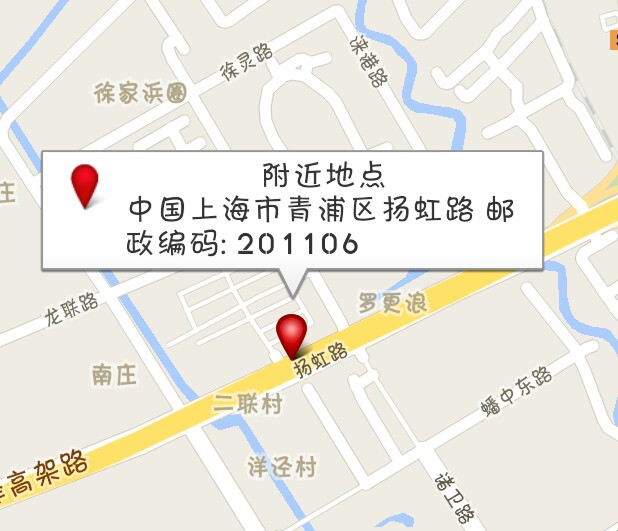
代码:
activity 实现InfoWindowAdapter接口(implements InfoWindowAdapter)
调用GoogleMap的方法setInfoWindowAdapter()方法
mMapView.setInfoWindowAdapter(this);
activity中实现InfoWindowAdapter的两个方法:
public View getInfoWindow(Marker marker);返回的View将用于构造整个info window的窗口
public View getInfoContents(Marker marker);返回的View将用于构造info window的显示内容,保留原来的窗口背景和框架
首先需要定义一个View的布局
res/layout/map_info.xml
 <?xml version="1.0" encoding="utf-8"?>

 <RelativeLayout xmlns:android="http://schemas.android.com/apk/res/android"

     android:layout_width="wrap_content"

     android:layout_height="wrap_content"

     >

     <ImageView

         android:id="@+id/map_info_image"

         android:layout_width="wrap_content"

         android:layout_height="wrap_content"

         android:layout_alignParentLeft="true"

         android:layout_marginLeft="0dip"

         android:layout_marginTop="0dip"

         />

     <LinearLayout

         android:layout_toRightOf="@id/map_info_image"

         android:layout_width="200dip"

         android:layout_height="wrap_content"

         android:layout_marginLeft="5dip"

         android:layout_marginTop="0dip"

         android:orientation="vertical"

         >

         <TextView

             android:id="@+id/map_info_title"

             android:layout_width="wrap_content"

             android:layout_height="wrap_content"

             android:text="map_info_title"

             android:layout_gravity="center"

             />

        <TextView

             android:id="@+id/map_info_snippet"

             android:layout_width="wrap_content"

             android:layout_height="wrap_content"

             android:text="map_info_snippet"

             android:layout_gravity="center"

             />

     </LinearLayout>

 </RelativeLayout>
实现getInfoContents函数:
 /* GoogleMap.InfoWindowAdapter begin */

 private View mInfoWindowContent = null;

 @Override

 public View getInfoContents(Marker marker) {

     if(mInfoWindowContent == null){

         mInfoWindowContent = mInflater.inflate(R.layout.map_info, null);

     }

     ImageView infoImage = (ImageView)mInfoWindowContent.findViewById(R.id.map_info_image);

     infoImage.setImageResource(R.drawable.address);

     TextView infoTitle = (TextView)mInfoWindowContent.findViewById(R.id.map_info_title);

     infoTitle.setText(marker.getTitle());

     TextView infoSnippet = (TextView)mInfoWindowContent.findViewById(R.id.map_info_snippet);

     infoSnippet.setText(marker.getSnippet());

     return mInfoWindowContent;

 }

 @Override

 public View getInfoWindow(Marker marker) {

     return null;

 }
6~8行,根据布局文件 res/layout/map_info.xml 填充一个View的布局
LayoutInflater mInflater = LayoutInflater.from(this); //this即activity的context
10~11行,设置图标
12~13行,设置title,marker.getTitle()取出marker中保存的title字符串
15~16行,设置snippet,marker.getSnippet()取出marker的snippet字符串
当点击标记弹出info window时,首先会跑到getInfoWindow(),如果返回null,就会跑到getInfoContents(),返回的View就显示到info window中。
4,根据经纬度发查地址,用snippet字段显示地址信息
首先监听marker点击事件
mMapView.setOnMarkerClickListener(this);
activity实现OnMarkerClickListener接口:
/* OnMarkerClickListener start */

@Override

public boolean onMarkerClick(Marker marker) {

    if(mMarkerLoaded == false)

        getAddressOfMarker();

        return false;

}

/* OnMarkerClickListener end */
即,点击marker,在弹出info窗口前先去查询marker所在的经纬度的地理地址。
这个函数要返回false。如果返回true,则表示click事件被消费掉了,就不会再触发默认动作(即弹出info窗口)。
看下google的geocoder反解地址的过程:
private GetAddressTask mGetAddTack = null;

private void getAddressOfMarker(){

    if(mGetAddTack != null){

        mGetAddTack.cancel(true);

    }

    mGetAddTack = new GetAddressTask(this);

    mGetAddTack.execute(mCarMarker.getPosition());

}
getAddressOfMarker函数中执行了一个异步小任务GetAddressTask,代码如下:
 private class GetAddressTask extends AsyncTask<LatLng, Void, String[]>{

     Context mContext;

     public GetAddressTask(Context context) {

         super();

         mContext = context;

     }

     @Override

     protected void onPreExecute(){

         mMarker.setTitle(getResources().getString(R.string.mapAddrLoading));

         mMarker.setSnippet(" ");

         if(mMarker.isInfoWindowShown())

             mMarker.showInfoWindow();

     }

     @Override

     protected void onPostExecute(String[] result){

         if(result == null)

             return;

         if(mMarker != null){

             if((result[1] != null) && (result[0] != null)){

                 mMarker.setTitle(result[0]);

                 mMarker.setSnippet(result[1]);

                 if(mMarker.isInfoWindowShown())

                     mMarker.showInfoWindow();

                 }

                 else{

                     mMarker.setTitle(getResources().getString(R.string.mapAddrTitle));

                     mMarker.setSnippet(getResources().getString(R.string.mapAddrUnknown));

                     if(mMarker.isInfoWindowShown())

                         mMarker.showInfoWindow();

                     }                 }

             }

             mMarkerLoaded = true;

         }

         @Override

         protected String[] doInBackground(LatLng... params) {

             LatLng latlng = params[0];

             String[] result = new String[2];

             String urlString = "http://maps.google.com/maps/api/geocode/xml?language=zh-CN&sensor=true&latlng=";//31.1601,121.3962";

             HttpGet httpGet = new HttpGet(urlString + latlng.latitude + "," + latlng.longitude);

             HttpClient httpClient = new DefaultHttpClient();

             InputStream inputStream = null;

             HttpResponse mHttpResponse = null;

             HttpEntity mHttpEntity = null;

             try{

                 mHttpResponse = httpClient.execute(httpGet);

                 mHttpEntity = mHttpResponse.getEntity();

                 inputStream = mHttpEntity.getContent();

                 BufferedReader bufferedReader = new BufferedReader(new InputStreamReader(inputStream));

                 String line = "";

                 String startTag = "<formatted_address>";

                 String endTag = "</formatted_address>";

                 while (null != (line = bufferedReader.readLine())){

                     if(isCancelled())

                         break;

                     line = line.trim();

                     String low = line.toLowerCase(Locale.getDefault());

                     if(low.startsWith(startTag)){

                         int endIndex = low.indexOf(endTag);

                         String addr = line.substring(startTag.length(), endIndex);

                         if((addr != null) && (addr.length() >0)){

                             result[1] = addr;

                             result[0] = getResources().getString(R.string.mapAddrTitle);

                             break;

                         }

                     }

                 }

             }

             catch (Exception e){

                 log("Exception in GetAddressTask doInBackground():" + e);

             }

             finally{

                 try{

                     if(inputStream != null)

                         inputStream.close();

                 }

                 catch (IOException e){

                     log("IOException in GetAddressTask doInBackground():" + e);

                 }

             }

             return result;

         }

     }
重点是41行开始的 doInBackground 函数,向google的geocoder发起一个http请求,请求格式如下:
http://maps.google.com/maps/api/geocode/xml?language=zh-CN&sensor=true&latlng=30.1601,121.3922
返回数据可以是JSON或XML,我这里用的是XML,语言中文zh-CN,latlng=纬度,经度
返回的XML脚本,是指定经纬度附近的有效地址,可能不只一个。我们只取第一个<formatted_address></formatted_address>标签中的字符串,保存在result中。
18行,在任务执行结束的onPostExcute函数中,调用marker.setSnippet(result[1])保存到snippet中,title则根据任务执行情况设置成合适的String。
26~28行,由于这是一个异步任务,地址取回的时候,info窗口可能已经显示出来了,这时调用showInfoWindow(),getInfoContents函数会重新跑一次,让窗口显示最新取到的title和snippet。
Google Map API v2 (三)----- 地图上添加标记(Marker),标记info窗口,即指定经纬度获取地址字符串的更多相关文章
- Android中Google地图路径导航,使用mapfragment地图上画出线路(google map api v2)详解
在这篇里我们只聊怎么在android中google map api v2地图上画出路径导航,用mapfragment而不是mapview,至于怎么去申请key,manifest.xml中加入的权限,系 ...
- Google Map API v2 步步为营(一) ----- 初见地图
官方文档:https://developers.google.com/maps/documentation/android/start?hl=zh-CN 先谷歌后百度.使用google的api基本上按 ...
- google map api v2的使用详细过程,图文并茂(原创)
上一篇中说到怎么获取key,下面来介绍怎么使用key来显示google地图 步骤1:eclipse上打开android SDK Manager,安装google play services. 步骤2: ...
- 如何使用Google Map API开发Android地图应用
两年前开发过的GoogleMap已经大变样,最近有项目要用到GoogleMap,重新来配置Android GoogleMap开发环境,还真是踩了不少坑. 一.下载Android SDK Manager ...
- Google Map API v2 (四)----- 导航路径
仍然是建议个异步小任务 private GetPathTask mGetPathTask = null; private void getGuidePath(LatLng origin){ if(mG ...
- Google Map API抓取地图坐标信息小程序
因为实验室需要全国城市乡镇的地理坐标,有Execl的地名信息,需要一一查找地方的经纬度.Google Map地图实验室提供自带的查找经纬度的方法,不过需要一个点一个点的手输入,过于繁琐,所以自己利用G ...
- Google Map API v2 步步为营 (二)----- Location
接上篇. 改造一下MapsActivity: public class MapsActivity extends Activity implements LocationListener, InfoW ...
- Google Map API V2密钥申请
之前用的都是v1,用的是MapView,好吧,仅仅能认命了.废话不再多说,開始android 的Google Maps Android API v2吧 之前參考了http://www.cnblogs. ...
- Google Map API v2 番外篇 关于gps位置偏差及修正方法探讨
我的手机是M35C,在我自己的map activity中,通过gps获取到的经纬度比实际地址总是有500米左右的偏差. 在网上搜索了很多,都说这个是测绘局为了保密故意弄成这样的.gps全球定位系统获得 ...
随机推荐
- 虚拟机安装了ubuntu,忘记密码修复
在虚拟机中按照以下步骤重新为用户设定新密码. 重启Ubuntu,随即长按shift进入grub菜单: 选择recovery mode,回车确认: 在Recovery Menu中,选择“Root Dro ...
- PAIP.提升效率----论项目知识库的建设。。
PAIP.提升效率----论项目知识库的建设.. 作者Attilax , EMAIL:1466519819@qq.com 来源:attilax的专栏 地址:http://blog.csdn.net ...
- insert into select * from 锁表
mysql[192.168.11.187] processid[249] root@localhost in db[zjzc] hold transaction time 197 112069858, ...
- 【CF】196 Div.2 D. Book of Evil
显然这个图是一课树,看着题目首先联想到LCA(肯定是可以解的).但是看了一下数据大小,应该会TLE.然后,忽然想到一个前面做过的题目,大概是在一定条件下树中某结点旋转成为根后查询最长路径.结果灵感就来 ...
- -_-#Tiny Raytracer
http://www.gabrielgambetta.com/tiny_raytracer.htmlhttp://gabrielgambetta.com/tiny_raytracer_full.js
- svn提交时强制注释
不少开发员提交修改的时候都不写注释,导致查看历史时很费劲,也不太符合规范.有的公司要求每次提交修改时都写上bug号或者任务描述,那么如何在工具上防止开发员们不写注释呢? 利用svn的pre-commi ...
- (转载)AS3中的mouseEnabled与mouseChildren
(转载)http://www.cnblogs.com/gongchen/archive/2013/05/09/3069055.html mouseEnabled与mouseChildren都是用来确定 ...
- Linux和Windows下的进程管理总结
在Windows和Linux下都可以很方便地列出当前运行的进程.Windows下可以使用组合键CTRL+ALT+DEL打开任务管理器,在进程选项卡中就列举出了当前运行的所有进程,除此之外还可以在命令行 ...
- UIWebview 禁止某个方向滚动
Enable Horizontal scrolling and disable Vertical scrolling: myWebView.scrollView.delegate = self; [m ...
- ubuntu-15.04 下编译 ijkplayer 安卓版
我的环境: 1.win7 主系统 2.VirtualBox 5.1.2 虚拟机 3.ubuntu-15.04-desktop-amd64.iso 镜像文件 4.android-ndk-r10e-lin ...