
java.util.ArrayList、java.util.vector和java.util.LinkedList (JDK 1.8.0_111)
一、java.util.ArrayList
1.1 ArrayList 继承结构
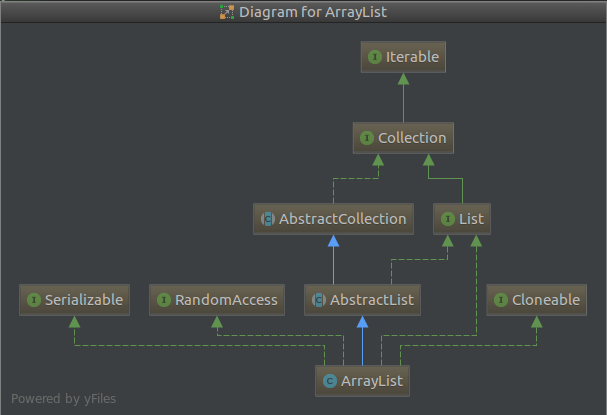
ArrayList实现了RandomAccess,可以随机访问(其实就是通过数组下标访问);实现了Cloneable,可以拷贝(通过System.arraycopy方法实现);实现了Serializable,可以进行序列化,能被序列化传输。
ArrayList非线程安全。
1.2 ArrayList 属性
     private static final long serialVersionUID = 8683452581122892189L;

     // 初始化容量

     private static final int DEFAULT_CAPACITY = 10;

     // 共享空的数组

     private static final Object[] EMPTY_ELEMENTDATA = {};

     // 共享一个具有初始化容量的数组

     private static final Object[] DEFAULTCAPACITY_EMPTY_ELEMENTDATA = {};

     // 核心数组

     transient Object[] elementData; // non-private to simplify nested class access

     // 数组存放元素总数

     private int size;
1.3 ArrayList 方法
     // 确保Capacity能达到指定的minCapacity

     public void ensureCapacity(int minCapacity) {

         int minExpand = (elementData != DEFAULTCAPACITY_EMPTY_ELEMENTDATA)

             // any size if not default element table

             ? 0

             // larger than default for default empty table. It's already

             // supposed to be at default size.

             : DEFAULT_CAPACITY;

         if (minCapacity > minExpand) {

             ensureExplicitCapacity(minCapacity);

         }

     }

     private void ensureCapacityInternal(int minCapacity) {

         if (elementData == DEFAULTCAPACITY_EMPTY_ELEMENTDATA) {

             minCapacity = Math.max(DEFAULT_CAPACITY, minCapacity);

         }

         ensureExplicitCapacity(minCapacity);

     }

     private void ensureExplicitCapacity(int minCapacity) {

         modCount++;

         // overflow-conscious code

         if (minCapacity - elementData.length > 0)

             grow(minCapacity);

     }

     // 数组可以分配的最大长度

     private static final int MAX_ARRAY_SIZE = Integer.MAX_VALUE - 8;

     // 扩容

     private void grow(int minCapacity) {

         // overflow-conscious code

         int oldCapacity = elementData.length;

         // 扩容为之前的1.5倍

         int newCapacity = oldCapacity + (oldCapacity >> 1);

         if (newCapacity - minCapacity < 0)

             newCapacity = minCapacity;

         if (newCapacity - MAX_ARRAY_SIZE > 0)

             newCapacity = hugeCapacity(minCapacity);

         // minCapacity is usually close to size, so this is a win:

         // 将原数组内容拷贝到扩容后数组

         elementData = Arrays.copyOf(elementData, newCapacity);

     }

     private static int hugeCapacity(int minCapacity) {

         if (minCapacity < 0) // overflow

             throw new OutOfMemoryError();

         return (minCapacity > MAX_ARRAY_SIZE) ?

             Integer.MAX_VALUE :

             MAX_ARRAY_SIZE;

     }
上面是ensureCapacity方法,确保Capacity能大于等于minCapacity。ArrayList每次扩容为之前的1.5倍。
     public Object clone() {

         try {

             ArrayList<?> v = (ArrayList<?>) super.clone();

             v.elementData = Arrays.copyOf(elementData, size);

             v.modCount = 0;

             return v;

         } catch (CloneNotSupportedException e) {

             // this shouldn't happen, since we are Cloneable

             throw new InternalError(e);

         }

     }
拷贝ArrayList方法,这也不是一种深度拷贝,只是将源数组的内容拷贝到新数组,元素并未重建(拷贝)。
     public void add(int index, E element) {

         rangeCheckForAdd(index);

         // 确保容量足够

         ensureCapacityInternal(size + 1);  // Increments modCount !!

         // 将index及其后元素统统向后移动一位

         System.arraycopy(elementData, index, elementData, index + 1,

                          size - index);

         elementData[index] = element;

         size++;

     }

     public E remove(int index) {

         rangeCheck(index);

         modCount++;

         E oldValue = elementData(index);

         int numMoved = size - index - 1;

         if (numMoved > 0)

             // 删除的不是最后的一个元素,需要将后面的元素向前移动一个位置

             System.arraycopy(elementData, index+1, elementData, index,

                              numMoved);

         elementData[--size] = null; // clear to let GC do its work

         return oldValue;

     }
ArrayList其根本是个数组,因此在数组末尾增删元素是很高效的。但是要在中间增删元素,就必须移动后面的所有元素,效率肯定会有影响。
如果需要频繁向中间增删元素还是LinkedList比较合适。
     public boolean remove(Object o) {

         if (o == null) {

             for (int index = 0; index < size; index++)

                 if (elementData[index] == null) {

                     fastRemove(index);

                     return true;

                 }

         } else {

             for (int index = 0; index < size; index++)

                 if (o.equals(elementData[index])) {

                     fastRemove(index);

                     return true;

                 }

         }

         return false;

     }
remove某个value,找到第一个value之后,就删除并return。
    // 将ArrayList写入到ObjectOutputStream

    private void writeObject(java.io.ObjectOutputStream s)

        throws java.io.IOException{

        // Write out element count, and any hidden stuff

        int expectedModCount = modCount;

        // 将非静态和非transient字段写入流

        s.defaultWriteObject();

        // 将size写入流

        s.writeInt(size);

        // 将所有的元素写入流中

        for (int i=0; i<size; i++) {

            s.writeObject(elementData[i]);

        }

        if (modCount != expectedModCount) {

            throw new ConcurrentModificationException();

        }

    }

    private void readObject(java.io.ObjectInputStream s)

        throws java.io.IOException, ClassNotFoundException {

        elementData = EMPTY_ELEMENTDATA;

        // 从流中读入非静态和非transient字段

        // Read in size, and any hidden stuff

        s.defaultReadObject();

        // 读入size

        s.readInt(); // ignored

        if (size > 0) {

            // be like clone(), allocate array based upon size not capacity

            ensureCapacityInternal(size);

            Object[] a = elementData;

            // Read in all elements in the proper order.

            // 读取元素

            for (int i=0; i<size; i++) {

                a[i] = s.readObject();

            }

        }

    }
这两个方法将ArrayList写入流或者从流中读入。但是我有个疑问,都是private方法,这个写出来谁能调用?
二、java.util.Vector
2.1 Vector 继承结构
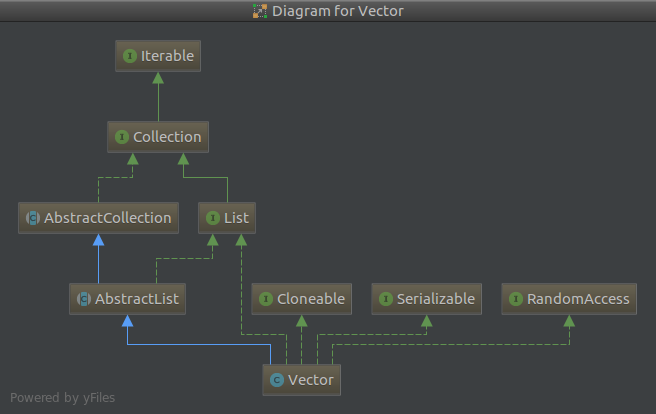
Vector继承结构和ArrayList相同。ArrayList是非线程安全的,与之对应的Vector是线程安全的。
2.2 Vector 属性
     // 存储对象的数组

     protected Object[] elementData;

     // 可以理解为Vector的capacity,也可以理解为数组的length

     protected int elementCount;

     // 可以自定义capacity扩容量

     protected int capacityIncrement;

     private static final long serialVersionUID = -2767605614048989439L;
2.3 Vector 方法
扩容方法
     public synchronized void ensureCapacity(int minCapacity) {

         if (minCapacity > 0) {

             // 注意这里会导致modCount++ !!

             modCount++;

             ensureCapacityHelper(minCapacity);

         }

     }

     private void ensureCapacityHelper(int minCapacity) {

         // overflow-conscious code

         if (minCapacity - elementData.length > 0)

             // 需要扩容处理

             grow(minCapacity);

     }

     private static final int MAX_ARRAY_SIZE = Integer.MAX_VALUE - 8;

     private void grow(int minCapacity) {

         // overflow-conscious code

         int oldCapacity = elementData.length;

         // 如果没有自定义扩容增量capacityIncrement,则直接扩容为之前的容量的两倍

         int newCapacity = oldCapacity + ((capacityIncrement > 0) ?

                                          capacityIncrement : oldCapacity);

         if (newCapacity - minCapacity < 0)

             // 扩容为之前容量的两倍如果还不够,则直接扩容为minCapacity

             newCapacity = minCapacity;

         if (newCapacity - MAX_ARRAY_SIZE > 0)

             // 防止扩容超出设定的范围

             newCapacity = hugeCapacity(minCapacity);

         // 将元素拷贝到新数组

         elementData = Arrays.copyOf(elementData, newCapacity);

     }

     private static int hugeCapacity(int minCapacity) {

         if (minCapacity < 0) // overflow

             throw new OutOfMemoryError();

         return (minCapacity > MAX_ARRAY_SIZE) ?

             Integer.MAX_VALUE :

             MAX_ARRAY_SIZE;

     }
ensureCapacity方法加了synchronized同步锁。在扩容策略上跟ArrayList稍有不同,ArrayList默认扩容为之前容量的1.5倍,而Vector则默认扩容为之前容量的2倍。除此之外Vector还允许自定义扩容增量。
     public synchronized List<E> subList(int fromIndex, int toIndex) {

         return Collections.synchronizedList(super.subList(fromIndex, toIndex),

                                             this);

     }
在subList方法中,为了返回一个线程安全的List,加上了Collections.synchronizedList封装。
If you need synchronization, a Vector will be slightly faster than an ArrayList synchronized with Collections.synchronizedList.
Collections.synchronizedList封装是对List对象添加同步锁,各方法本质上还是调用的List的方法。
Vector类其他方法和ArrayList差不多,无非加上了一个synchronized同步处理,这里就不再赘述了。
三、java.util.LinkedList
3.1 LinkedList继承结构
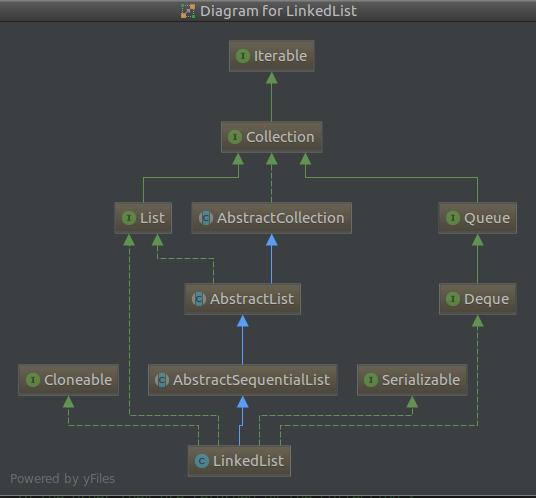
LinkedList没有实现RandomAccess interface,可见其并不具备随机访问特性,毕竟是链表。
LinkedList同样是非线程安全的。
LinkedList比较适合从中间删除、添加元素的场景;ArrayList则更适合只在末尾增删元素,遍历的场景。
3.2 LinkedList 属性
     transient int size = 0;

     // 指向第一个节点

     transient Node<E> first;

     // 指向最后一个节点

     transient Node<E> last;
其中Node类为:
     private static class Node<E> {

         E item;

         Node<E> next;

         Node<E> prev;

         Node(Node<E> prev, E element, Node<E> next) {

             this.item = element;

             this.next = next;

             this.prev = prev;

         }

     }
Node节点包含next和prev两个指针,分别指向前面和后面的一个节点。
3.3 LinkedList 方法
     public E set(int index, E element) {

         // 检查index是否在范围内

         checkElementIndex(index);

         // 找出这个node节点

         Node<E> x = node(index);

         // 保存旧的值

         E oldVal = x.item;

         // 更新值

         x.item = element;

         return oldVal;

     }

     Node<E> node(int index) {

         // assert isElementIndex(index);

         // 如果index指向链表前半部分,则从前向后遍历

         if (index < (size >> 1)) {

             Node<E> x = first;

             for (int i = 0; i < index; i++)

                 x = x.next;

             return x;

         } else {

             // index指向链表的后半部分,从后往前遍历

             Node<E> x = last;

             for (int i = size - 1; i > index; i--)

                 x = x.prev;

             return x;

         }

     }

     private void checkElementIndex(int index) {

         if (!isElementIndex(index))

             throw new IndexOutOfBoundsException(outOfBoundsMsg(index));

     }

     private boolean isElementIndex(int index) {

         return index >= 0 && index < size;

     }
在这个set方法中,有个参数是index,修改指定index上的元素内容,但链表本身是不具备index属性的,为此通过node()方法遍历(从first向last方向开始计数)找到第index个Node,即为需要修改的节点。
node方法为了提高效率,根据index所指向的位置,从前向后或从后向前遍历,因此最多遍历size/2个节点就可以找到index节点了。
     // 获取第一个节点内容,但是不删除

     public E peek() {

         final Node<E> f = first;

         return (f == null) ? null : f.item;

     }

     // 获取第一个节点内容并且删除之

     public E poll() {

         final Node<E> f = first;

         return (f == null) ? null : unlinkFirst(f);

     }

     // 删除第一个节点并返回其内容,跟poll一样

     public E pop() {

         return removeFirst();

     }

     // 添加一个元素到结尾

     public boolean offer(E e) {

         return add(e);

     }

     // 添加一个元素到开头

     public void push(E e) {

         addFirst(e);

     }
上面是几个比较容易混淆的方法,其实看下代码就明白了。
     private class DescendingIterator implements Iterator<E> {

         private final ListItr itr = new ListItr(size());

         public boolean hasNext() {

             return itr.hasPrevious();

         }

         public E next() {

             return itr.previous();

         }

         public void remove() {

             itr.remove();

         }

     }
LinkedList提供了一个反向迭代器,因为LinkedList本身就是一个双向链表,反向遍历也是很方便的。
     private LinkedList<E> superClone() {

         try {

             return (LinkedList<E>) super.clone();

         } catch (CloneNotSupportedException e) {

             throw new InternalError(e);

         }

     }

     public Object clone() {

         LinkedList<E> clone = superClone();

         // Put clone into "virgin" state

         clone.first = clone.last = null;

         clone.size = 0;

         clone.modCount = 0;

         // Initialize clone with our elements

         for (Node<E> x = first; x != null; x = x.next)

             clone.add(x.item);

         return clone;

     }
拷贝方法,同样是浅拷贝,每个节点的元素内容并没有被拷贝。拷贝出来的结果是两个链表都引用的同一个元素内容。
java.util.ArrayList、java.util.vector和java.util.LinkedList (JDK 1.8.0_111)的更多相关文章
- 使用redis时出现java.util.ArrayList cannot be cast to java.lang.Long
java.lang.ClassCastException: java.util.ArrayList cannot be cast to java.lang.Long at redis.clients. ...
- java.lang.ClassCastException: java.util.ArrayList cannot be cast to java.util.Map
1.错误描写叙述 java.lang.ClassCastException: java.util.ArrayList cannot be cast to java.util.Map at servic ...
- 内功心法 -- java.util.ArrayList<E> (1)
写在前面的话:读书破万卷,编码如有神--------------------------------------------------------------------下文主要对java.util ...
- 内功心法 -- java.util.ArrayList<E> (2)
写在前面的话:读书破万卷,编码如有神--------------------------------------------------------------------下文主要对java.util ...
- 内功心法 -- java.util.ArrayList<E> (3)
写在前面的话:读书破万卷,编码如有神--------------------------------------------------------------------下文主要对java.util ...
- 内功心法 -- java.util.ArrayList<E> (4)
写在前面的话:读书破万卷,编码如有神--------------------------------------------------------------------下文主要对java.util ...
- 内功心法 -- java.util.ArrayList<E> (5)
写在前面的话:读书破万卷,编码如有神--------------------------------------------------------------------下文主要对java.util ...
- 内功心法 -- java.util.ArrayList<E> (6)
写在前面的话:读书破万卷,编码如有神--------------------------------------------------------------------下文主要对java.util ...
- ClassNotFoundException: java.util.ArrayList$SubList 错误
ClassNotFoundException: java.util.ArrayList$SubListjava.lang.RuntimeException: java.lang.ClassNotFou ...
- Java集合类ArrayList循环中删除特定元素
在项目开发中,我们可能往往需要动态的删除ArrayList中的一些元素. 一种错误的方式: <pre name="code" class="java"&g ...
随机推荐
- 2017 多校训练 1006 Function
Function Time Limit: 4000/2000 MS (Java/Others) Memory Limit: 131072/131072 K (Java/Others)Total ...
- hdu 3555 Bomb(不要49,数位DP)
Bomb Time Limit: 2000/1000 MS (Java/Others) Memory Limit: 131072/65536 K (Java/Others)Total Submi ...
- Eclipse 枚举类报错
当你写一个枚举类时,如果没有在枚举类的第一行写有哪些枚举值,那么就会出现编译报错:Syntax error on token "String", strictfp expected ...
- Elasticsearch集群调优
系统调优 禁用swap 使用swapoff命令可以暂时关闭swap.永久关闭需要编辑/etc/fstab,注释掉swap设备的挂载项. swapoff -a 如果完全关闭swap不可行,可以试着降低s ...
- mouseover事件mouseenter事件
1. mouseover:会在鼠标进入该元素或者该元素的子元素时触发 mouseenter:只在鼠标进入该元素时触发 mouseout:在鼠标移出该元素或则该元素的子元素时触发 mouseleave: ...
- 区分window8中 ie10 window phone8
Internet Explorer 10 并没有对 屏幕的宽度 和 视口(viewport)的宽度 进行区分 @-webkit-viewport { width: device-width; ...
- Cordova cannot add Android failed with exit code ENOENT
这可能是系统环境变量损坏了 解决方案:在系统变量path如果没用下面的变量就加上%SystemRoot%\system32; %SystemRoot%; %SystemRoot%\System32\W ...
- 使用java生成mapbox-gl可读的vector tile
概述 mapbox-gl主要数据源来自mapbox vector tile,本文就是要阐述怎样把postgresql中的地理空间数据转换成vector tile,流程图如下: 配置 该工程采用spri ...
- eclipse导出jar(含依赖)三步走
之前用eclipse导出jar运行结果一直不尽人意,排查问题排查很久,最终确定到导出jar时,如果依赖jdk以外的jar时,就要通知eclipse 看了很多帖子,感觉操作起来都比较麻烦,注意点也比较多 ...
- 分享:苹果APP更新上架被拒的另一种理由(Safety - Objectionable Content)
这两个星期,本来想和大伙分享:写IT连创业系列运营篇. 但时间飞过,仍只是写了开头,一直很忙,没能完往下写. 今天就动手写点其它内容,哈哈,免的和小伙伴太陌生〜〜〜 前几天更新了:IT恋和IT连的版本 ...