
SpringMVC系列之主要组件
一、组件说明
- DispatcherServlet:前端控制器,用于请求到达前端控制器,由它调用其他组件处理用户的请求。
- HandlerMapping:处理器映射器,负责根据用户请求找到Handler(处理器),springmvc提供了不同的映射器实现方式。
- Handler:处理器,对具体的用户请求进行处理。
- HandlerAdapter:处理器适配器,通过HandlerAdapter对处理器进行执行。
- View Resolver:视图解析器,负责将处理结果生成view视图。View Resolver首先根据逻辑视图名解析成物理视图名即具体的页面地址,再生成View视图对象,最后对View进行渲染将处理结果通过页面展示给用户。springmvc框架提供了很多的View视图类型,包括:jstlView、freemarkerView、pdfView等。
二、前端控制器
DispatcherServlet是springmvc的中央调度器,DispatcherServlet创建时会默认从DispatcherServlet.properties文件加载springmvc所用的各种组件。

二、处理器映射器
处理器映射器负责根据request请求找到对应的Handler处理器以及Interceptor拦截器,将它们封装在HandlerExecutionChain对象中返回给前端控制器。
下面是两种常用的处理器映射器:
1、BeanNameURLHandlerMapping:根据请求的url与spring容器中定义的bean的name进行匹配,从而从spring容器中找到bean实例。

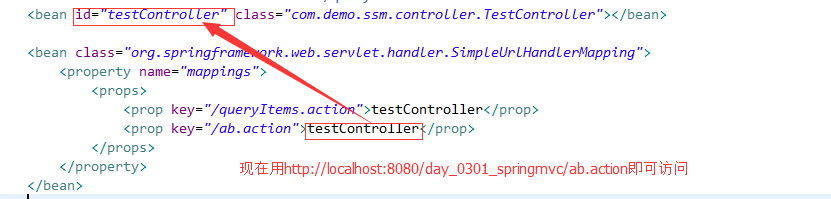
2、simpleURLHandlerMapping:它可以将url和处理器bean的id进行统一映射配置。
三、处理器适配器
HandlerAdapter会根据适配器接口对Handler进行包装适配,包装后即可对处理器进行执行(使用了适配器模式)。
下面是两种常用的处理器适配器:
1、SimpleControllerHandlerAdapter:简单控制器处理器适配器,所有实现了org.springframework.web.servlet.mvc.Controller 接口的bean通过此适配器进行适配执行。

2、HttpRequestHandlerAdapter:http请求处理器适配器,所有实现了org.springframework.web.HttpRequestHandler接口的bean通过此适配器进行适配执行。
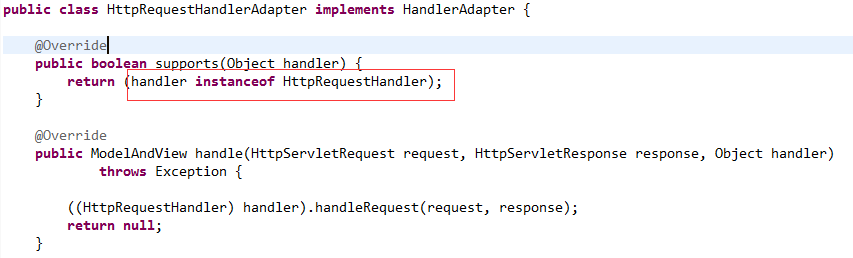
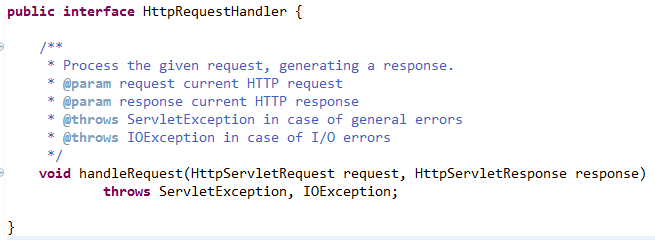
注:处理器实现HttpRequestHandler接口,实现handleRequest方法,该方法没有返回、ModelAndView,可以通过response修改定义响应内容,比如返回json数据。
四、注解处理器映射器和适配器

可以使用组件扫描,而省去在spring容器中配置每个controller类。配置如下:
<context:component-scan base-package="com.demo.ssm.controller"></context:component-scan>
1、注解处理器映射器,对类中标记的@RequestMapping的方法进行映射,根据RequestMapping定义的url匹配RequestMapping标记的方法,匹配成功返回HandlerMethod对象给前端控制器。
<!-- 注解映射器 -->

    <bean class="org.springframework.web.servlet.mvc.method.annotation.RequestMappingHandlerMapping"/>
2、注解处理器适配器,对标记的@RequestMapping的方法进行适配。
<!-- 注解适配器 -->

    <bean class="org.springframework.web.servlet.mvc.method.annotation.RequestMappingHandlerAdapter"/>
注:还可以使用下面的配置代替上面处理器映射器和适配器的配置:
<mvc:annotation-driven></mvc:annotation-driven>
五、总结
springmvc处理流程:
1、用户发送请求到DispatchServlet前端控制器。
/**

     * Process the actual dispatching to the handler.

     * <p>The handler will be obtained by applying the servlet's HandlerMappings in order.

     * The HandlerAdapter will be obtained by querying the servlet's installed HandlerAdapters

     * to find the first that supports the handler class.

     * <p>All HTTP methods are handled by this method. It's up to HandlerAdapters or handlers

     * themselves to decide which methods are acceptable.

     * @param request current HTTP request

     * @param response current HTTP response

     * @throws Exception in case of any kind of processing failure

     */

    protected void doDispatch(HttpServletRequest request, HttpServletResponse response) throws Exception {

        HttpServletRequest processedRequest = request;

        HandlerExecutionChain mappedHandler = null;

        boolean multipartRequestParsed = false;

        WebAsyncManager asyncManager = WebAsyncUtils.getAsyncManager(request);

        try {

            ModelAndView mv = null;

            Exception dispatchException = null;

            try {

                processedRequest = checkMultipart(request);

                multipartRequestParsed = (processedRequest != request);

                // Determine handler for the current request.

                mappedHandler = getHandler(processedRequest);

                if (mappedHandler == null || mappedHandler.getHandler() == null) {

                    noHandlerFound(processedRequest, response);

                    return;

                }

                // Determine handler adapter for the current request.

                HandlerAdapter ha = getHandlerAdapter(mappedHandler.getHandler());

                // Process last-modified header, if supported by the handler.

                String method = request.getMethod();

                boolean isGet = "GET".equals(method);

                if (isGet || "HEAD".equals(method)) {

                    long lastModified = ha.getLastModified(request, mappedHandler.getHandler());

                    if (logger.isDebugEnabled()) {

                        logger.debug("Last-Modified value for [" + getRequestUri(request) + "] is: " + lastModified);

                    }

                    if (new ServletWebRequest(request, response).checkNotModified(lastModified) && isGet) {

                        return;

                    }

                }

                if (!mappedHandler.applyPreHandle(processedRequest, response)) {

                    return;

                }

                // Actually invoke the handler.

                mv = ha.handle(processedRequest, response, mappedHandler.getHandler());

                if (asyncManager.isConcurrentHandlingStarted()) {

                    return;

                }

                applyDefaultViewName(request, mv);

                mappedHandler.applyPostHandle(processedRequest, response, mv);

            }

            catch (Exception ex) {

                dispatchException = ex;

            }

            processDispatchResult(processedRequest, response, mappedHandler, mv, dispatchException);

        }

        catch (Exception ex) {

            triggerAfterCompletion(processedRequest, response, mappedHandler, ex);

        }

        catch (Error err) {

            triggerAfterCompletionWithError(processedRequest, response, mappedHandler, err);

        }

        finally {

            if (asyncManager.isConcurrentHandlingStarted()) {

                // Instead of postHandle and afterCompletion

                if (mappedHandler != null) {

                    mappedHandler.applyAfterConcurrentHandlingStarted(processedRequest, response);

                }

            }

            else {

                // Clean up any resources used by a multipart request.

                if (multipartRequestParsed) {

                    cleanupMultipart(processedRequest);

                }

            }

        }

    }
2、DispatchServlet调用HandlerMapping处理器映射器根据url查找Handler。
/**

     * Return the HandlerExecutionChain for this request.

     * <p>Tries all handler mappings in order.

     * @param request current HTTP request

     * @return the HandlerExecutionChain, or {@code null} if no handler could be found

     */

    protected HandlerExecutionChain getHandler(HttpServletRequest request) throws Exception {

        for (HandlerMapping hm : this.handlerMappings) {

            if (logger.isTraceEnabled()) {

                logger.trace(

                        "Testing handler map [" + hm + "] in DispatcherServlet with name '" + getServletName() + "'");

            }

            HandlerExecutionChain handler = hm.getHandler(request);

            if (handler != null) {

                return handler;

            }

        }

        return null;

    }
3、DispatchServlet调用HandlerAdapter处理器适配器对HandlerMapping找到的Handler进行包装。
/**

     * Return the HandlerAdapter for this handler object.

     * @param handler the handler object to find an adapter for

     * @throws ServletException if no HandlerAdapter can be found for the handler. This is a fatal error.

     */

    protected HandlerAdapter getHandlerAdapter(Object handler) throws ServletException {

        for (HandlerAdapter ha : this.handlerAdapters) {

            if (logger.isTraceEnabled()) {

                logger.trace("Testing handler adapter [" + ha + "]");

            }

            if (ha.supports(handler)) {

                return ha;

            }

        }

        throw new ServletException("No adapter for handler [" + handler +

                "]: The DispatcherServlet configuration needs to include a HandlerAdapter that supports this handler");

    }
4、执行Handler,并返回一个ModelAndView。
/**

     * Determine an error ModelAndView via the registered HandlerExceptionResolvers.

     * @param request current HTTP request

     * @param response current HTTP response

     * @param handler the executed handler, or {@code null} if none chosen at the time of the exception

     * (for example, if multipart resolution failed)

     * @param ex the exception that got thrown during handler execution

     * @return a corresponding ModelAndView to forward to

     * @throws Exception if no error ModelAndView found

     */

    protected ModelAndView processHandlerException(HttpServletRequest request, HttpServletResponse response,

            Object handler, Exception ex) throws Exception {

        // Check registered HandlerExceptionResolvers...

        ModelAndView exMv = null;

        for (HandlerExceptionResolver handlerExceptionResolver : this.handlerExceptionResolvers) {

            exMv = handlerExceptionResolver.resolveException(request, response, handler, ex);

            if (exMv != null) {

                break;

            }

        }

        if (exMv != null) {

            if (exMv.isEmpty()) {

                request.setAttribute(EXCEPTION_ATTRIBUTE, ex);

                return null;

            }

            // We might still need view name translation for a plain error model...

            if (!exMv.hasView()) {

                exMv.setViewName(getDefaultViewName(request));

            }

            if (logger.isDebugEnabled()) {

                logger.debug("Handler execution resulted in exception - forwarding to resolved error view: " + exMv, ex);

            }

            WebUtils.exposeErrorRequestAttributes(request, ex, getServletName());

            return exMv;

        }

        throw ex;

    }
5、DispatchServlet调用ViewResolver视图解析器进行视图解析,解析完成后返回一个View,再进行视图渲染并展示。
/**

     * Render the given ModelAndView.

     * <p>This is the last stage in handling a request. It may involve resolving the view by name.

     * @param mv the ModelAndView to render

     * @param request current HTTP servlet request

     * @param response current HTTP servlet response

     * @throws ServletException if view is missing or cannot be resolved

     * @throws Exception if there's a problem rendering the view

     */

    protected void render(ModelAndView mv, HttpServletRequest request, HttpServletResponse response) throws Exception {

        // Determine locale for request and apply it to the response.

        Locale locale = this.localeResolver.resolveLocale(request);

        response.setLocale(locale);

        View view;

        if (mv.isReference()) {

            // We need to resolve the view name.

            view = resolveViewName(mv.getViewName(), mv.getModelInternal(), locale, request);

            if (view == null) {

                throw new ServletException("Could not resolve view with name '" + mv.getViewName() +

                        "' in servlet with name '" + getServletName() + "'");

            }

        }

        else {

            // No need to lookup: the ModelAndView object contains the actual View object.

            view = mv.getView();

            if (view == null) {

                throw new ServletException("ModelAndView [" + mv + "] neither contains a view name nor a " +

                        "View object in servlet with name '" + getServletName() + "'");

            }

        }

        // Delegate to the View object for rendering.

        if (logger.isDebugEnabled()) {

            logger.debug("Rendering view [" + view + "] in DispatcherServlet with name '" + getServletName() + "'");

        }

        try {

            view.render(mv.getModelInternal(), request, response);

        }

        catch (Exception ex) {

            if (logger.isDebugEnabled()) {

                logger.debug("Error rendering view [" + view + "] in DispatcherServlet with name '" +

                        getServletName() + "'", ex);

            }

            throw ex;

        }

    }
SpringMVC系列之主要组件的更多相关文章
- Spring Web MVC中的页面缓存支持 ——跟我学SpringMVC系列
Spring Web MVC中的页面缓存支持 ——跟我学SpringMVC系列
- React 深入系列2:组件分类
文:徐超,<React进阶之路>作者 授权发布,转载请注明作者及出处 React 深入系列2:组件分类 React 深入系列,深入讲解了React中的重点概念.特性和模式等,旨在帮助大家加 ...
- React 深入系列4:组件的生命周期
文:徐超,<React进阶之路>作者 授权发布,转载请注明作者及出处 React 深入系列4:组件的生命周期 React 深入系列,深入讲解了React中的重点概念.特性和模式等,旨在帮助 ...
- SpringMVC系列之(二) springMVC和Struts异同
Spring MVC属于SpringFrameWork的后续产品,已经融合在Spring Web Flow里面.Spring 框架提供了构建 Web 应用程序的全功能 MVC 模块.使用 Spring ...
- JS组件系列——Bootstrap Select2组件使用小结
前言:在介绍select组件的时候,博主之前分享过一篇JS组件系列——两种bootstrap multiselect组件大比拼,这两个组件的功能确实很强大,只可惜没有图文结合的效果(也就是将图片放入到 ...
- k8s入门系列之扩展组件(一)DNS安装篇
DNS (domain name system),提供域名解析服务,解决了难于记忆的IP地址问题,以更人性可读可记忆可标识的方式映射对应IP地址. Cluster DNS扩展插件用于支持k8s集群系统 ...
- 【SpringMVC】SpringMVC系列1之HelloWorld
SpringMVC之HelloWorld 概述 SpringMVC 是基于 MVC 设计理念的优秀Web 框架,是目前最主流的 MVC 框架之一.Spring3.0 后全面超越 Struts2,成为最 ...
- SpringMVC 系列教程1-文件上传-配置
SpringMVC默认没有配置上传解析器 使用SpringMVC来处理上传必须添加对MultipartResolver上传解析器的声明配置. 配置之后,客户端每次进行请求的时候,SpringMVC都会 ...
- SpringMVC系列(十二)自定义拦截器
Spring MVC也可以使用拦截器对请求进行拦截处理,用户可以自定义拦截器来实现特定的功能,自定义的拦截器必须实现HandlerInterceptor接口– preHandle():这个方法在业务处 ...
随机推荐
- 【转】JS对Cookie的读写删除
JavaScript是运行在客户端的脚本,因此一般是不能够设置Session的,因为Session是运行在服务器端的.而cookie是运行在客户端的,所以可以用JS来设置cookie. 假设有这样一种 ...
- android O 蓝牙设备默认名称更改
安卓系统会首先读取BTM_DEF_LOCAL_NAME的值,如果为空,就使用"ro.product.model"作为蓝牙设备名. system/bt/btif/src/btif_d ...
- MCMC采样理论的一点知识
看了好多相关的知识,大致了解了一下马尔可夫链-蒙特卡罗采样理论,有必要记来下来. 蒙特卡罗积分:(来自:http://blog.csdn.net/itplus/article/details/1916 ...
- Java如何格式化月份?
在Java中,如何以MMMM格式格式化时间? 这个示例使用SimpleDateFormat('MMMM')构造函数和SimpleDateFormat类的sdf.format(date)方法来格式化月份 ...
- Unity----Scene加载问题
Unity官方提供了4种加载场景(scene)的方法,分别是: 1. Application.LoadLevel():同步加载 2. Application.LoadLevelAsync():异步加载 ...
- 导入Maven项目后,Eclipse提示“Missing artifact ”类的错误
导入Maven项目后,Eclipse提示“Missing artifact ”类的错误 标签: Maven Missing art 2016-08-15 16:05 679人阅读 评论(0) 收藏 举 ...
- poj 1700 Crossing River C++/Java
http://poj.org/problem?id=1700 题目大意: 有n个人要过坐船过河,每一个人划船有个时间a[i],每次最多两个人坐一条船过河.且过河时间为两个人中速度慢的,求n个人过河的最 ...
- Dataguard中日志传输服务
之前,原本已经尝试过配置oracle实例的逻辑和物理standby结构,并且做个一些role交换操作,可是由于昨天学习rman的部分命令时没留意,误删掉了primary DB上的所有归档日志,因为原来 ...
- Win10无法使用内置管理员用户打开edge解决方案
https://jingyan.baidu.com/article/4f7d5712d23f1b1a2119274b.html
- lkl风控.随机森林模型测试代码spark1.6
/** * Created by lkl on 2017/10/9. */ import org.apache.spark.sql.hive.HiveContext import org.apache ...