
MyBatis源码解读(2)——MapperProxy
SqlSession可以说是整个MyBatis的重中之重,在SqlSession中涉及到前一篇四大对象:Executor、StatementHandler、ParameterHandler、ResultHandler,所以在此先只对SqlSession有一个大概的了解。
在代码中我们可以看到当我们构造出一个SqlSession实例过后,可以通过SqlSession构造出Mappper映射器。UserMapper是一个接口,那么我们可以肯定的是,它一定是用了Java的动态代理生成了一个代理类。
SqlSession sqlSession = SessionFactory.getSqlSession(resource);

UserMapper userMapper = sqlSession.getMapper(UserMapper.class);
接着上一篇讲到通过DefaultSqlSessionFactory可以得到一个SqlSession的实例DefaultSqlSession。
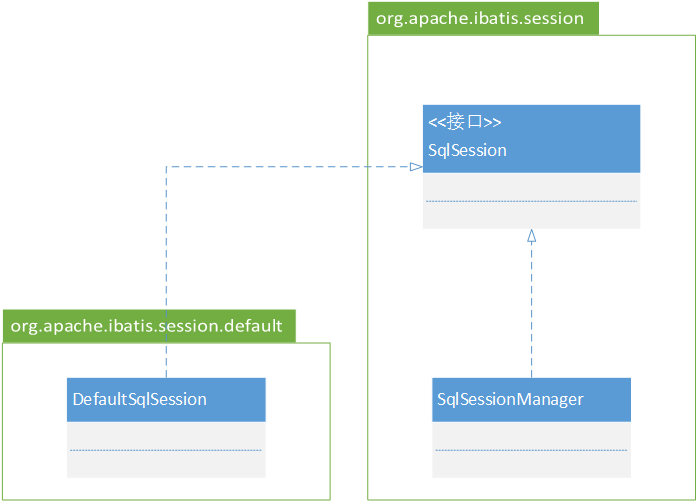
通过源代码可以发现,SqlSessionManger又实现了SqlSession,在上一节中可知SqlSessionManager同样也继承了SqlSessionFactory接口。我们把它们结合起来看看。
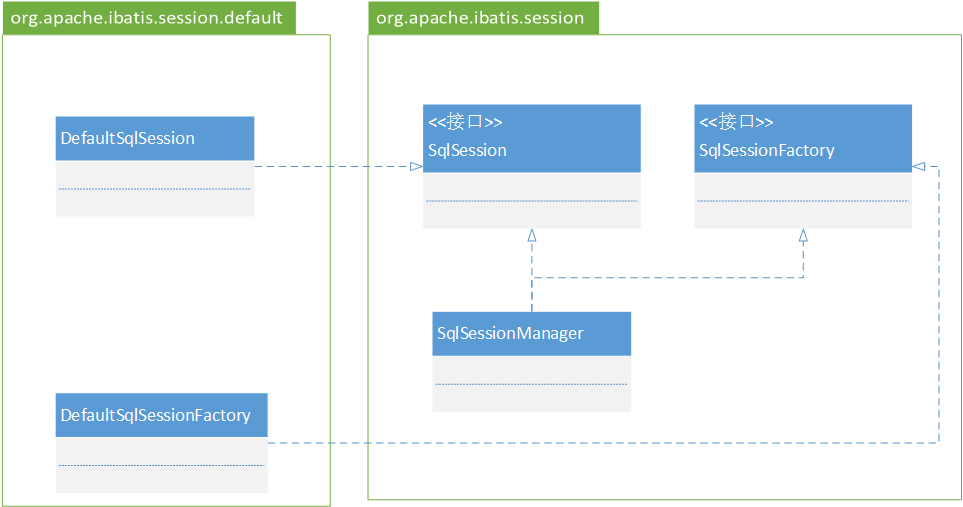
看来这个SqlSessionManager有点神奇,同时继承SqlSession和SqlSessionFactory。从名字上来看好像是管理SqlSession的,这里不讨论,随着源代码的阅读相信我们能逐步清晰,包括整个包的结构。
回到DefaultSqlSession中来。在SqlSession接口中提供了很多方法,用于我们的增删改查,这在旧版的MyBatis或者iBatis中常常所使用的,我们现在大多直接使用xml配置文件以达到更加灵活的效果。所以我们将注意力放在getMapper方法上。
UserMapper userMapper = sqlSession.getMapper(UserMapper.class);
注意UserMapper仅仅是一个接口,这里会涉及到Java的动态代理,所以得要有一定的基础才能读懂。
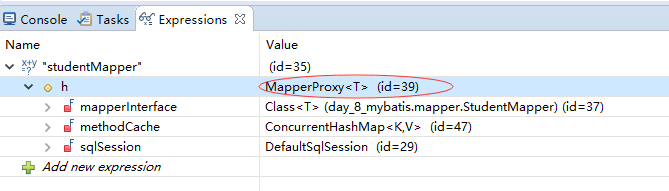
通过打断点调试我们可以发现确实产生了一个叫MapperProxy的代理类。
下面是DefaultSqlSession的getMapper方法:
//org.apache.ibatis.session.default.DefaultSqlSession
public <T> T getMapper(Class<T> type) {

    return configuration.<T>getMapper(type, this);

}
看起来语法有点奇怪,这是一个泛型方法。看来是调用了Configuration的getMapper方法,还不是DefaultSqlSession实现了getMapper。接着再看Configuration的getMapper方法:
//org.apache.ibatis.session.Configuration
public <T> T getMapper(Class<T> type, SqlSession sqlSession) {

    return mapperRegistry.getMapper(type, sqlSession);

}
Configuration.getMapper一共两个参数,一个是Class类型,一个是SqlSession,在DefaultSqlSession.getMapper调用Configuration.getMapper时,将传递进来的Class类型参数和其本身传递给了Configuration.getMapper。此时还不是在Configuration中实现了getMapper,看来还是一个叫做mapperRegistry的变量。
//org.apache.ibatis.session.Configuration
protected final MapperRegistry mapperRegistry = new MapperRegistry(this);
看着名字好像是注册Mapper映射器的地方,想来也是,既然要得到Mapper的映射,那么所有的Mapper都要一个地方去注册(在我们的mybytis-config.xml里),注册好过后需要的时候再去查找是否已经注册,那么就是MapperRegistry,所以取一个好的变量名是非常重要的。
 //org.apache.ibatis.binding.MapperRegistry

 public <T> T getMapper(Class<T> type, SqlSession sqlSession) {

   final MapperProxyFactory<T> mapperProxyFactory = (MapperProxyFactory<T>) knownMappers.get(type);

   if (mapperProxyFactory == null) {

     throw new BindingException("Type " + type + " is not known to the MapperRegistry.");

   }

   try {

     return mapperProxyFactory.newInstance(sqlSession);

   } catch (Exception e) {

     throw new BindingException("Error getting mapper instance. Cause: " + e, e);

   }

 }
在第3行代码中试图从一个叫knownMappers的变量取出MapperProxyFactory。这个knownMapper的定义:
private final Map<Class<?>, MapperProxyFactory<?>> knownMappers = new HashMap<Class<?>, MapperProxyFactory<?>>();
既然能用get方法取,那说明就有add方法咯?果不其然我们在MapperRegistry类中发现了public <T> void addMapper(Class<T> type)方法,那么是在哪里调用的这个方法呢?
我们来重新理一理。
使用MyBatis的第一步是配置mybatis-config.xml,配置好过后,mybatis-config跑起来的第一步也一定是首先解析xml配置文件,将解析好的配置文件各个配置参数放入Configuration对象中,包括Mapper的配置,所以应该是在解析xml文件的某个类中解析过来后调用Configuration的方法将mapper放置到MapperRegister中。事实也的确如此,有兴趣可以跟踪下代码看看。回到MapperRegistry.getMapper的方法中。
当我们一切正确时,我们就能获取到一个MapperProxyFactory实例。想必MapperProxy代理类的生成正是通过MapperProxyFactory工厂类构建的,即第8行代码。进入MapperProxyFactory类。
//org.apache.ibatis.binding.MapperProxyFactory

public T newInstance(SqlSession sqlSession) {

    final MapperProxy<T> mapperProxy = new MapperProxy<T>(sqlSession, mapperInterface, methodCache);

    return newInstance(mapperProxy);

}
在这里终于看到了MapperProxy代理类,是通过sqlSession、mapperInterface、mechodCache三个参数构造的。
newInstance有一个重载方法:
//org.apache.ibatis.binding.MapperProxyFactory

protected T newInstance(MapperProxy<T> mapperProxy) {

    return (T) Proxy.newProxyInstance(mapperInterface.getClassLoader(), new Class[] { mapperInterface }, mapperProxy);

}
终于是走到头了,这里就是返回的一个代理类实例。最后来看看MapperProxy。
MapperProxy是一个重要的类,所以我们将其代码全部贴出:
 //org.apache.ibatis.binding.MapperProxy

 public class MapperProxy<T> implements InvocationHandler, Serializable {

   private static final long serialVersionUID = -6424540398559729838L;

   private final SqlSession sqlSession;

   private final Class<T> mapperInterface;

   private final Map<Method, MapperMethod> methodCache;

   public MapperProxy(SqlSession sqlSession, Class<T> mapperInterface, Map<Method, MapperMethod> methodCache) {

     this.sqlSession = sqlSession;

     this.mapperInterface = mapperInterface;

     this.methodCache = methodCache;

   }

   @Override

   public Object invoke(Object proxy, Method method, Object[] args) throws Throwable {

     if (Object.class.equals(method.getDeclaringClass())) {

       try {

         return method.invoke(this, args);

       } catch (Throwable t) {

         throw ExceptionUtil.unwrapThrowable(t);

       }

     }

     final MapperMethod mapperMethod = cachedMapperMethod(method);

     return mapperMethod.execute(sqlSession, args);

   }

   private MapperMethod cachedMapperMethod(Method method) {

     MapperMethod mapperMethod = methodCache.get(method);

     if (mapperMethod == null) {

       mapperMethod = new MapperMethod(mapperInterface, method, sqlSession.getConfiguration());

       methodCache.put(method, mapperMethod);

     }

     return mapperMethod;

   }

 }
要使用Java的动态代理就必须得实现InvocationHandler接口,在第17行代码中首先判断代理对象是一个接口还是一个类,显然我们没有对mapper接口进行任何实现,那么它将生成一个MapperMethod对象,接着调用其execute方法,把sqlSession和参数传递进去。
MyBatis源码解读(2)——MapperProxy的更多相关文章
- MyBatis源码解读(3)——MapperMethod
在前面两篇的MyBatis源码解读中,我们一路跟踪到了MapperProxy,知道了尽管是使用了动态代理技术使得我们能直接使用接口方法.为巩固加深动态代理,我们不妨再来回忆一遍何为动态代理. 我相信在 ...
- spring IOC DI AOP MVC 事务, mybatis 源码解读
demo https://gitee.com/easybao/aop.git spring DI运行时序 AbstractApplicationContext类的 refresh()方法 1: pre ...
- Mybatis源码解读-SpringBoot中配置加载和Mapper的生成
本文mybatis-spring-boot探讨在springboot工程中mybatis相关对象的注册与加载. 建议先了解mybatis在spring中的使用和springboot自动装载机制,再看此 ...
- MyBatis源码解读之延迟加载
1. 目的 本文主要解读MyBatis 延迟加载实现原理 2. 延迟加载如何使用 Setting 参数配置 设置参数 描述 有效值 默认值 lazyLoadingEnabled 延迟加载的全局开关.当 ...
- Mybatis源码解读-插件
插件允许对Mybatis的四大对象(Executor.ParameterHandler.ResultSetHandler.StatementHandler)进行拦截 问题 Mybatis插件的注册顺序 ...
- 【转】Mybatis源码解读-设计模式总结
原文:http://www.crazyant.net/2022.html?jqbmtw=b90da1&gsjulo=kpzaa1 虽然我们都知道有26个设计模式,但是大多停留在概念层面,真实开 ...
- Mybatis源码解读-设计模式总结
虽然我们都知道有26个设计模式,但是大多停留在概念层面,真实开发中很少遇到,Mybatis源码中使用了大量的设计模式,阅读源码并观察设计模式在其中的应用,能够更深入的理解设计模式. Mybatis至少 ...
- MyBatis源码解读(1)——SqlSessionFactory
在前面对MyBatis稍微有点了解过后,现在来对MyBatis的源码试着解读一下,并不是解析,暂时定为解读.所有对MyBatis解读均是基于MyBatis-3.4.1,官网中文文档:http://ww ...
- MyBatis源码解读(4)——SqlSession(上)
在上一篇博客中提到MyBatis是如何实现代理类MapperProxy,并抛出了一个问题--是怎么执行一个具体的sql语句的,在文末中提到了MapperMethod的execute采用命令模式来判断是 ...
- mybatis源码解读(一)——初始化环境
本系列博客将对mybatis的源码进行解读,关于mybatis的使用教程,可以查看我前面写的博客——传送门. 为了便于后面的讲解,我们这里首先构造一个统一环境.也可以参考mybatis官网. 1.数据 ...
随机推荐
- JAVA-实例方法被覆盖,静态方法被隐藏Explain
被覆盖比较好理解,类似于多态的实现. 被隐藏是指静态方法的访问是根据当前对象的表面类型来决定的,比如 Supers = new Sub(); s.greeting()访问的是Super的静态方法,如果 ...
- node.js的路由
app.js: app.use('/', routes);app.use('/reg', routes);app.use('/u/:user',routes);app.use('/post',rout ...
- Maven项目热部署到Tomcat容器下
第一步: 配置Tomcat的登陆的用户名与密码 在 apache-tomcat-7.0.33\conf\ tomcat-users.xml,第40行添加如下: <role rolenam ...
- Git版本管理荟萃
用惯了svn,突然转到git难免有点不适,写个笔记好好备忘总结一番. 一.先看历史(imooc上的一个图): 二.git与svn GIT跟SVN一样有自己的集中式版本库或服务器.但,GIT更倾向于被使 ...
- scss实现不同方向的三角
//定义一个三角的函数 实现不同方向的三角加兼容ie6//第一个参数传入方向//第二个参数传入大小//第三个参数传入颜色//注意:传入参数中间必须逗号分隔@mixin triangle($x, $y: ...
- 浏览器特性检测插件Feature.js
<script src="js/feature.js"></script> if (feature.webGL) { console.log("你 ...
- 在ASP.NET MVC 中获取当前URL、controller、action 、参数
URL的获取很简单,ASP.NET通用:[1]获取 完整url (协议名+域名+虚拟目录名+文件名+参数) string url=Request.Url.ToString(); [2]获取 虚拟目录名 ...
- 前馈神经网络-反向传播(Back Propagation)公式推导走读
构造:输入神经元个数等于输入向量维度,输出神经元个数等于输出向量维度.(x1=(1,2,3),则需要三个输入神经元) 一 前向后传播 隐层:
- NOIP2014D2T2寻找道路
洛谷传送门 这道题可以把边都反着存一遍,从终点开始深搜,然后把到不了的点 和它们所指向的点都去掉. 最后在剩余的点里跑一遍spfa就可以了. --代码 #include <cstdio> ...
- 【TED】如何掌握你的自由时间
[TED]如何掌握你的自由时间 生活 某天翻阅自己原来记录的有道云笔记,发现自己在学校的时候,要求自己每周看三个TED视频,并写一些看后的总结,随意翻阅了下,就发现当时做的好的一些笔记,现在一看就能想 ...