
Spring Security 流程

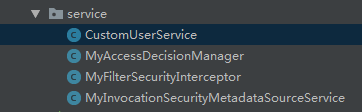
首先创建4个类
流程大致如下:
1、容器启动 加载系统资源与权限列表(HashMap) MyInvocationSecurityMetadataSourceService中的loadResourceDefine
@Service

public class MyInvocationSecurityMetadataSourceService  implements

        FilterInvocationSecurityMetadataSource {

    @Autowired

    private PermissionDao permissionDao;

    private HashMap<String, Collection<ConfigAttribute>> map =null;

    /**

     * 加载所有资源与权限的关系

     */

    public void loadResourceDefine(){

        map = new HashMap<>();

        Collection<ConfigAttribute> array;

        ConfigAttribute cfg;

        List<Permission> permissions = permissionDao.findAll();

        for(Permission permission : permissions) {

            array = new ArrayList<>();

            //角色名称

            cfg = new SecurityConfig(permission.getName());

            array.add(cfg);

            map.put(permission.getUrl(), array);

        }

    }

    /**

     *返回请求资源所需要的权限

     */

    @Override

    public Collection<ConfigAttribute> getAttributes(Object object) throws IllegalArgumentException {

        if(map ==null) loadResourceDefine();

        HttpServletRequest request = ((FilterInvocation) object).getHttpRequest();

        AntPathRequestMatcher matcher;

        String resUrl;

        for(Iterator<String> iter = map.keySet().iterator(); iter.hasNext(); ) {

            resUrl = iter.next();

            matcher = new AntPathRequestMatcher(resUrl);

            if(matcher.matches(request)) {

                return map.get(resUrl);

            }

        }

        return null;

    }

    @Override

    public Collection<ConfigAttribute> getAllConfigAttributes() {

        return null;

    }

    @Override

    public boolean supports(Class<?> clazz) {

        return true;

    }

}
2、用户发出请求
3、过滤器拦截 MyFilterSecurityInterceptor中的doFilter()
@Service

public class MyFilterSecurityInterceptor extends AbstractSecurityInterceptor implements Filter {

    /**

     * 过滤请求 调用FilterInvocationSecurityMetadataSource 资源和 MyAccessDecisionManager进行验证

     */

    @Autowired

    private FilterInvocationSecurityMetadataSource securityMetadataSource;

    @Autowired

    public void setMyAccessDecisionManager(MyAccessDecisionManager myAccessDecisionManager) {

        super.setAccessDecisionManager(myAccessDecisionManager);

    }

    @Override

    public void init(FilterConfig filterConfig) throws ServletException {

    }

    @Override

    public void doFilter(ServletRequest request, ServletResponse response, FilterChain chain) throws IOException, ServletException {

        /**

         * FilterInvocation 把doFilter传进来的request、response、chain对象保存起来

         */

        FilterInvocation fi = new FilterInvocation(request, response, chain);

        invoke(fi);

    }

    public void invoke(FilterInvocation fi) throws IOException, ServletException {

        //fi里面有一个被拦截的url

        //里面调用MyInvocationSecurityMetadataSource的getAttributes(Object object)这个方法获取fi对应的所有权限 HashMap中

        //再调用MyAccessDecisionManager的decide方法来校验用户的权限是否足够

        //object为FilterInvocation对象

        //

        //1、获取请求资源的权限

        //执行Collection<ConfigAttribute> attributes=securityMetadataSource.getAttributes(fi);

        //2、是否拥有权限

        //执行 this.accessDecisionManager.decide(authenticated,fi,attributes);

        InterceptorStatusToken token = super.beforeInvocation(fi);

        /**

         * InterceptorStatusToken token = super.beforeInvocation(fi);会调用MyAccessDecisionManager中decide方法

         * 和MyInvocationSecurityMetadataSource中getAttributes方法

         */

        try {

            //执行下一个拦截器

            fi.getChain().doFilter(fi.getRequest(), fi.getResponse());

        } finally {

            super.afterInvocation(token, null);

        }

    }

    @Override

    public void destroy() {

    }

    @Override

    public Class<?> getSecureObjectClass() {

        return FilterInvocation.class;

    }

    @Override

    public SecurityMetadataSource obtainSecurityMetadataSource() {

        return this.securityMetadataSource;

    }

}
4、取得请求资源所需权限MyInvocationSecurityMetadataSourceService中getAttributes()
5、匹配用户的权限和请求所需要的权限MyAccessDecisionManager中decide()
@Service

public class MyAccessDecisionManager implements AccessDecisionManager {

    /**

     * @param authentication 用户具有的角色权限,认证的入口

     * @param object 当前正在请求的受保护的对象

     * @param configAttributes 受保护对象的配置属性—所具有的权限

     * @throws AccessDeniedException

     * @throws InsufficientAuthenticationException

     */

    @Override

    public void decide(Authentication authentication, Object object, Collection<ConfigAttribute> configAttributes) throws AccessDeniedException, InsufficientAuthenticationException {

        //如果访问资源不需要任何权限则直接通过

        if(null== configAttributes || configAttributes.size() <=0) {

            return;

        }

        ConfigAttribute c;

        String needRole;

        //遍历configAttributes看用户是否有访问资源的权限

        for(Iterator<ConfigAttribute> iter = configAttributes.iterator(); iter.hasNext(); ) {

            c = iter.next();

            needRole = c.getAttribute();

            for(GrantedAuthority ga : authentication.getAuthorities()) {

                //ga 用户所被赋予的权限,needRole 访问相应资源应具有的权限

                if(needRole.trim().equals(ga.getAuthority())) {

                    return;

                }

            }

        }

        // 如果访问被拒绝,实现将抛出一个AccessDeniedException异常。

        throw new AccessDeniedException("no right");

    }

    @Override

    public boolean supports(ConfigAttribute attribute) {

        return true;

    }

    @Override

    public boolean supports(Class<?> clazz) {

        return true;

    }

}
6、登录
@Service

public class CustomUserService implements UserDetailsService { //自定义UserDetailsService 接口

    @Autowired

    UserDao userDao;

    @Autowired

    PermissionDao permissionDao;

    /**

     *点击登录跳转 保存用户权限

     *

     */

    public UserDetails loadUserByUsername(String username) {

        SysUser user = userDao.findByUserName(username);

        if (user != null) {

            List<Permission> permissions = permissionDao.findByAdminUserId(user.getId());

            List<GrantedAuthority> grantedAuthorities = new ArrayList <>();

            for (Permission permission : permissions) {

                if (permission != null && permission.getName()!=null) {

                GrantedAuthority grantedAuthority = new SimpleGrantedAuthority(permission.getName());

                grantedAuthorities.add(grantedAuthority);

                }

            }

            return new User(user.getUsername(), user.getPassword(), grantedAuthorities);

        } else {

            throw new UsernameNotFoundException("admin: " + username + " do not exist!");

        }

    }

}
7、验证并授权
Spring Security 流程的更多相关文章
- Spring Security 概念基础 验证流程
Spring Security 概念基础 验证流程 认证&授权 认证:确定是否为合法用户 授权:分配角色权限(分配角色,分配资源) 认证管理器(Authentication Manager) ...
- 最简单易懂的Spring Security 身份认证流程讲解
最简单易懂的Spring Security 身份认证流程讲解 导言 相信大伙对Spring Security这个框架又爱又恨,爱它的强大,恨它的繁琐,其实这是一个误区,Spring Security确 ...
- Spring Security Oauth2 单点登录案例实现和执行流程剖析
Spring Security Oauth2 OAuth是一个关于授权的开放网络标准,在全世界得到的广泛的应用,目前是2.0的版本.OAuth2在“客户端”与“服务提供商”之间,设置了一个授权层(au ...
- Spring Security 案例实现和执行流程剖析
Spring Security Spring Security 是 Spring 社区的一个顶级项目,也是 Spring Boot 官方推荐使用的安全框架.除了常规的认证(Authentication ...
- SpringBoot集成Spring Security(7)——认证流程
文章目录 一.认证流程 二.多个请求共享认证信息 三.获取用户认证信息 在前面的六章中,介绍了 Spring Security 的基础使用,在继续深入向下的学习前,有必要理解清楚 Spring Sec ...
- Spring Security 认证执行流程
本文基于 Spring Security 5.x 推荐阅读: 项目集成Spring Security SpringSecurity 整合 JWT 一.外层-正常登陆调用 项目启动后会自动寻找 User ...
- 认证与授权】Spring Security系列之认证流程解析
上面我们一起开始了Spring Security的初体验,并通过简单的配置甚至零配置就可以完成一个简单的认证流程.可能我们都有很大的疑惑,这中间到底发生了什么,为什么简单的配置就可以完成一个认证流程啊 ...
- 【认证与授权】Spring Security的授权流程
上一篇我们简单的分析了一下认证流程,通过程序的启动加载了各类的配置信息.接下来我们一起来看一下授权流程,争取完成和前面简单的web基于sessin的认证方式一致.由于在授权过程中,我们预先会给用于设置 ...
- Spring Security认证流程分析--练气后期
写在前面 在前一篇文章中,我们介绍了如何配置spring security的自定义认证页面,以及前后端分离场景下如何获取spring security的CSRF Token.在这一篇文章中我们将来分析 ...
随机推荐
- LeetCode 665. 非递减数列(Non-decreasing Array)
665. 非递减数列 665. Non-decreasing Array 题目描述 给定一个长度为 n 的整数数组,你的任务是判断在最多改变 1 个元素的情况下,该数组能否变成一个非递减数列. 我们是 ...
- Java 中的并发工具类
Java 中的并发工具类 CountDownLatch public class JoinCountDownLatchTest { public static void main(String[] a ...
- 分布式系统领域的 CAP 定理
C 为数据一致性: A 为服务可用性: P 为服务对网络分区故障的容错性. 这三个特性在任何分布式系统中都不能同时满足,最多同时满足两个.
- linux服务器安装svn并上传项目
一.安装svn (1)安装svn服务器: yum install subversion (2)查看版本(随自己意愿): svnserve --version 二.创建svn仓库并配置 (1)创建svn ...
- leetcode 2019.10.29 首次破百
刷题首次破百,记录一下自己成长的历程. 仍在路上,会慢慢变强的~
- scrapy框架3——请求传参
当使用scrapy爬取的数据不在同一张页面中(一次请求与数据后解析无法获得想要的全部数据),需要请求传参,在第一次解析时实例化item,将item传递,再次将请求到的数据解析后,封装在item中. 关 ...
- youku项目总结(粗略总结)
一.ORM 之前我们都是以文件保存的形式存储数据,这次我们用的是数据库结合python使用,用到 ORM:关系型映射 类>>数据库的一张表 对象>>表一条记录 对象.属性> ...
- hadoop 伪分布启动-fs格式化
1.独立模式(standalone|local) nothing! 本地文件系统. 不需要启用单独进程. 2.pesudo(伪分布模式) 等同于完全分布式,只有一个节点. SSH: //(Socket ...
- Ajax跨越请求失败,解决
跨越请求 1.1什么是跨域(两个不同系统之间的访问.调用) (1)域名不同,即两个不同的应用. (2)域名相同,但是端口不同,即同一个应用中的不同子系统. 1.2 Ajax跨域请求的缺陷 (1)创建t ...
- kvm第三章--虚拟化存储管理