
Spring框架ioc概括
什么是Spring且能做什么
- Spring是一个开源框架,它由Rod Johnson创建。它是为了解决企业应用开发的复杂性而创建的。
- Spring使用基本的JavaBean来完成以前只可能由EJB完成的事情。
- Spring的用途不仅限于服务器端的开发。从简单性、可测试性和松耦合的角度而言,任何Java应用都可以从Spring中受益。
- 目的:解决企业应用开发的复杂性
- 功能:使用基本的JavaBean代替EJB,并提供了更多的企业应用功能
- 范围:任何Java应用
- 简单来说,Spring是一个轻量级的控制反转(IoC)和面向切面(AOP)的容器框架。
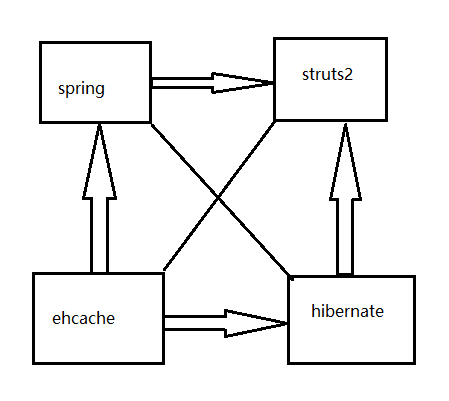
图解,如果框架太多的话,会导致开发复杂性大大提高,框架与框架之间到处串联;
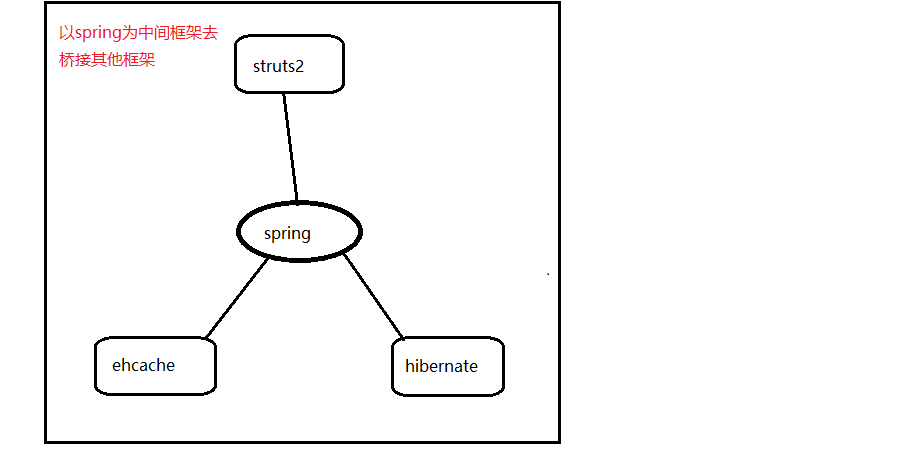
但是如果以spring框架为中心去串联其他框架,就大大降低了开发的复杂性
什么是控制反转(Ioc)
- 控制反转(IoC=Inversion of Control)IoC,用白话来讲,就是由容器控制程序之间的(依赖)关系,而非传统实现中,由程序代码直接操控。这也就是所谓“控制反转”的概念所在:(依赖)控制权由应用代码中转到了外部容器,控制权的转移,是所谓反转。
- IoC还有一个另外的名字:“依赖注入 (DI=Dependency Injection)” ,即由容器动态的将某种依赖关系注入到组件之中
案例:实现Spring的IoC
IOC/DI
将以前由程序员实例化对象/赋值的工作交给了spring处理
Biz层
创建一个接口类,写一个方法接口
package com.ht.ioc.biz;

/**

 * 需求:

 *     上传文件:

 *         完成的思路:完成功能好    文件上传就行了

 * @author Administrator

 *

 */

public interface UserBiz {

    public void read();

}
为了体现出差距和弊端,就写俩个实现类吧
UserBizipml01
public class UserBizimpl implements UserBiz{

    @Override

    public void read() {

        // TODO Auto-generated method stub

        System.out.println("本是青灯不归客,却因浊酒留风尘。");

    }

}
UserBizipml02
public class UserBizipml02 implements UserBiz{

    @Override

    public void read() {

        // TODO Auto-generated method stub

        System.out.println("星光不问赶路人,岁月不负有心人。");

    }

}
写一个测试类去调用web层的测试方法让他在控制台上实现效果
package com.ht.ioc.test;

import com.ht.ioc.web.UserAction;

/**

 * 模拟浏览器请求后台

 * @author Administrator

 *

 */

public class Demo1 {

public static void main(String[] args) {

    //实例化一个用户web类

    UserAction userAction=new UserAction();

    userAction.text03();//调用web层中的测试方法

}

}
在web层中调用接口不同的实现类
public class UserAction {

    // 实例化一个接口

    private UserBiz userBiz = new UserBizimpl();

    public void text03() {

        userBiz.read();

    }

}
效果图:

public class UserAction {

    // 实例化一个接口

    private UserBiz userBiz = new UserBizipml02();

    public void text03() {

        userBiz.read();

    }

}
效果图:
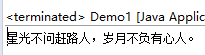
由此也可以看出来弊端:
当需求变化非常快的时候,不便于维护,因为维护的权利是属于程序员的
spring的ioc就是解决这一个问题的
将维护代码的权利由程序员转交给spring容器来完成
如何在spring当中定义和配置一个JavaBean(使用无参构造方法+set方法创建一个JavaBean)
- id:在容器中查找Bean的id(唯一、且不能以/开头)
- class:bean的完整类名
- name:在容器中查找Bean的名字(唯一、允许以/开头、允许多个值,多个值之间用逗号或空格隔开)
- scope:(singleton|prototype)默认是singleton
- singleton(单例模式):在每个Spring IoC容器中一个bean定义对应一个对象实例
- prototype(原型模式/多例模式):一个bean定义对应多个对象实例
- abstract:将一个bean定义成抽象bean(抽象bean是不能实例化的),抽象类一定要定义成抽象bean,非抽象类也可以定义成抽象bean
- parent:指定一个父bean(必须要有继承关系才行)
- init-method:指定bean的初始化方法
constructor-arg:使用有参数构造方法创建javaBean
set注入
- 基本数据类型
userAction类
public class UserAction {

    private int uid;

    private String uname;

    private List<String> hobby =new ArrayList<String>();

public void setUid(int uid) {

        this.uid = uid;

    }

    public void setUname(String uname) {

        this.uname = uname;

    }

    public void setHobby(List<String> hobby) {

        this.hobby = hobby;

    }

    public int getUid() {

        return uid;

    }

    public String getUname() {

        return uname;

    }

    public List<String> getHobby() {

        return hobby;

    }

    /**

     * set注入ע

     *

     */

    public void text01() {

        System.out.println("uid:"+this.uid);

        System.out.println("uname:"+this.uname);

        System.out.println("hobby:"+this.hobby);

    }

}
spring-context.xml
<?xml version="1.0" encoding="UTF-8"?>

<beans xmlns="http://www.springframework.org/schema/beans"

    xmlns:xsi="http://www.w3.org/2001/XMLSchema-instance"

    xmlns:aop="http://www.springframework.org/schema/aop"

    xmlns:context="http://www.springframework.org/schema/context"

    xsi:schemaLocation="http://www.springframework.org/schema/beans http://www.springframework.org/schema/beans/spring-beans.xsd

        http://www.springframework.org/schema/aop http://www.springframework.org/schema/aop/spring-aop-4.3.xsd

        http://www.springframework.org/schema/context http://www.springframework.org/schema/context/spring-context-4.3.xsd">

    <bean id="userAction" class="com.ht.ioc.web.UserAction">

        <property name="uid" values=""></property>

        <property name="uname" values="zk"></property>

        <!-- <constructor-arg name="uid" value=""></constructor-arg>

            <constructor-arg name="uname" value="zs"></constructor-arg> -->

        <property name="hobby">

            <list>

            <value>青灯</value>

            <value></value>

            <value>古镇</value>

            </list>

        </property>

    </bean>

</beans>
测试类
public class Demo1 {

public static void main(String[] args) {

//    UserAction userAction=new UserAction();

//    userAction.text03();

//    userAction.text01();

    ApplicationContext context = new ClassPathXmlApplicationContext("/spring-context.xml");

    UserAction userAction = (UserAction) context.getBean("userAction");

    userAction.text01();

}

}
运行结果:
uid:23
uname:zk
hobby:[青灯,15,古镇]
2.set注入(引用类型)
useAction类改变一下
private UserBiz userBiz;

    //    private UserBiz userBiz = new UserBizipml02();

    public UserBiz getUserBiz() {

        return userBiz;

    }

    public void setUserBiz(UserBiz userBiz) {

        this.userBiz = userBiz;

    }
spring-context.xml
<bean id="userAction" class="com.ht.ioc.biz.impl.UserBizimpl"></bean>

    <bean id="userAction" class="com.ht.ioc.web.UserAction">

        <!-- <property name="uid" values=""></property>

        <property name="uname" values="zk"></property> -->

        <constructor-arg name="uid" value=""></constructor-arg>

            <constructor-arg name="uname" value="zs"></constructor-arg>

        <property name="hobby">

            <list>

            <value>青灯</value>

            <value></value>

            <value>古镇</value>

            </list>

        </property>

    </bean>
运行效果
uid:22
uname:zs
hobby:[青灯,15,古镇]
构造注入
userAction类
public UserAction() {

        super();

    }

    public UserAction(int uid, String uname, List<String> hobby) {

        super();

        this.uid = uid;

        this.uname = uname;

        this.hobby = hobby;

    }
spring-context.xml
<bean id="userAction" class="com.ht.ioc.web.UserAction">

        <!-- <property name="uid" values=""></property>

        <property name="uname" values="zk"></property> -->

        <constructor-arg name="uid" value=""></constructor-arg>

            <constructor-arg name="uname" value="zs"></constructor-arg>

        <property name="hobby">

            <list>

            <value>青灯</value>

            <value></value>

            <value>古镇</value>

            </list>

        </property>

    </bean>
自动装置
在spring-context.xml里加上
default-autowire="byType"
因为是根据类别进行查询,所以出现多个实体类时就不行了
- 在spring-context.xml里加上
default-autowire="byName"
这是根据名字查询,追踪的位置比较清晰,所以就不会报错
tomcat管理spring
实现思路:
如何将spring的上下文交给tomcate上下文进行管理
首先spring上下文为什么tomact?
分析: 目前工程中的所有javabean都交给了spring进行管理,那么浏览器发送请求,请求的是tomcat,
由tomcat来处理请求,tomcat处理请求一般来说都要访问数据库,数据库是由Dao层访问的,
Dao层的实体类又是spring的上下文管理,那就意味着,tomcat要处理请求,必须拿到spring的上下文,
才能拿到Dao层的javabean
上代码:
SpringLoadListener类
package com.ht.ioc.test;

import javax.servlet.ServletContext;

import javax.servlet.ServletContextEvent;

import javax.servlet.ServletContextListener;

import org.springframework.context.ApplicationContext;

import org.springframework.context.support.ClassPathXmlApplicationContext;

public class SpringLoadListener implements ServletContextListener{

    private String springXmlLocation="";

    @Override

    public void contextInitialized(ServletContextEvent sce) {

        System.out.println("启动........");

        ServletContext servletContext = sce.getServletContext();

        springXmlLocation=servletContext.getInitParameter("springXmlLocation");

        if(null==springXmlLocation||"".equals(springXmlLocation)) {

            springXmlLocation ="/spring-context.xml";

        }

        System.out.println("springXmlLocation:"+springXmlLocation);

        ApplicationContext springContext= new ClassPathXmlApplicationContext(springXmlLocation);

        servletContext.setAttribute("spring_context_key", springContext);

    }

}
userServlet类
package com.ht.ioc.test;

import java.io.IOException;

import javax.servlet.ServletContext;

import javax.servlet.ServletException;

import javax.servlet.annotation.WebServlet;

import javax.servlet.http.HttpServlet;

import javax.servlet.http.HttpServletRequest;

import javax.servlet.http.HttpServletResponse;

import com.ht.ioc.web.UserAction;

@WebServlet("/user")

public class UserServlet extends HttpServlet{

        @Override

        protected void doGet(HttpServletRequest req, HttpServletResponse resp) throws ServletException, IOException {

            doPost(req, resp);

        }

        @Override

        protected void doPost(HttpServletRequest req, HttpServletResponse resp) throws ServletException, IOException {

            // TODO Auto-generated method stub

            ServletContext servletContext = req.getServletContext();

            ApplicationContext springContext = (ApplicationContext) servletContext.getAttribute("spring_context_key");

            UserAction bean = (UserAction) springContext.getBean("userAction");

            bean.text03();

        }

}
谢谢观看!
Spring框架ioc概括的更多相关文章
- Spring框架IOC容器和AOP解析 非常 有用
Spring框架IOC容器和AOP解析 主要分析点: 一.Spring开源框架的简介 二.Spring下IOC容器和DI(依赖注入Dependency injection) 三.Spring下面 ...
- 自己动手写Spring框架--IOC、MVC
对于一名Java开发人员,我相信没有人不知道 Spring 框架,而且也能够轻松就说出 Spring 的特性-- IOC.MVC.AOP.ORM(batis). 下面我想简单介绍一下我写的轻量级的 S ...
- Spring框架IOC容器和AOP解析
主要分析点: 一.Spring开源框架的简介 二.Spring下IOC容器和DI(依赖注入Dependency injection) 三.Spring下面向切面编程(AOP)和事务管理配置 一.S ...
- spring框架--IOC容器,依赖注入
思考: 1. 对象创建创建能否写死? 2. 对象创建细节 对象数量 action 多个 [维护成员变量] service 一个 [不需要维护公共变量] dao 一个 [不需要维护 ...
- Spring框架---IOC装配Bean
IOC装配Bean (1)Spring框架Bean实例化的方式提供了三种方式实例化Bean 构造方法实例化(默认无参数,用的最多) 静态工厂实例化 实例工厂实例化 下面先写这三种方法的applicat ...
- Spring框架IOC,DI概念理解
1.什么是框架? 框架是一种重复使用的解决方案,针对某个软件开发的问题提出的. Spring框架,它是一个大型的包含很多重复使用的某个领域的解决方案. Spring的理念:不要重复发明轮子. 2.Sp ...
- 【Java框架型项目从入门到装逼】第一节 - Spring框架 IOC的丧心病狂解说
大家好,好久不见,今天我们来一起学习一下关于Spring框架的IOC技术. 控制反转--Spring通过一种称作控制反转(IoC)的技术促进了松耦合.当应用了IoC,一个对象依赖的其它对象会通过被动的 ...
- Spring框架-IOC和AOP简单总结
参考博客: https://blog.csdn.net/qq_22583741/article/details/79589910 1.Spring框架是什么,为什么,怎么用 1.1 Spring框架是 ...
- Spring框架 IOC注解
Spring框架的IOC之注解方式的快速入门 1. 步骤一:导入注解开发所有需要的jar包 * 引入IOC容器必须的6个jar包 * 多引入一个:Spring ...
随机推荐
- iOS开发~防止navigation多次push一个页面
在点击push下一个页面时,因为各种原因,点一下cell或按钮没有响应,用户可能就多点几下,这时候会打开好几个一样的页面. 这是因为push后的页面有耗时操作或者刚好push到另一个页面时,另一个页面 ...
- 【hadoop环境问题】namenode无法启动问题解决
[问题背景] 要在自己的阿里云上搭伪分布式,用来复习和强化hive相关的知识,在执行脚本 sh start-dfs.sh后,jps后: 然后查看name的日志,报错如下: [解决方法] 网上的很多方法 ...
- Spring家族主流成员介绍
摘 要:Spring 就像一个大家族,有众多衍生产品例如 Boot,Security,JPA等等.但他们的基础都是Spring 的 IOC 和 AOP,IOC提供了依赖注入的容器,而AOP解决了面向切 ...
- 如何实现数组与List的相互转换
List转数组:toArray(arraylist.size()方法 数组转List:Arrays的asList(a)方法 List<String> arrayList = new Arr ...
- PHPStorm 快捷键大全(Win/Linux/Mac)
下面的-符号记得改成 ‘`’,markdown 语法会转义.使用频率是我自己为准.仅供参考 Mac 符号 符号 解释 ⌘ Command ⇧ Shift ⌃ Control ↩ Enter/Ret ...
- Outlook 邮箱脱机工作解决方法
在运维过程中,有时候会收到用户这样的抱怨:为什么别人发给我的邮件我都收不到,我的邮件也发不出去了? Outlook 2016图标上显示着一个红叉... 这种情况有时候是因为Outlook正在脱机工作, ...
- Uber如何搭建一个基于Kafka的跨数据中心复制平台 原创: 徐宏亮 AI前线 今天
Uber如何搭建一个基于Kafka的跨数据中心复制平台 原创: 徐宏亮 AI前线 今天
- Spring Bootz之热部署
在项目的pom.xml文件添加如下两段 <dependency> <groupId>org.springframework.boot</groupId> <a ...
- 使用editplus等编程工具时UTF-8编码去掉BOM头方法(转载备查)
Unicode规范中有一个BOM的概念.BOM——Byte Order Mark,就是字节序标记.在这里找到一段关于BOM的说明: 在UCS 编码中有一个叫做"ZERO WI ...
- 阶段5 3.微服务项目【学成在线】_day16 Spring Security Oauth2_06-SpringSecurityOauth2研究-Oauth2授权码模式-申请令牌
3.3 Oauth2授权码模式 3.3.1 Oauth2授权模式 Oauth2有以下授权模式: 授权码模式(Authorization Code) 隐式授权模式(Implicit) 密码模式(Reso ...