
NIO源码阅读
自己对着源码敲一遍练习,写上注释。发现NIO编程难度好高啊。。虽然很复杂,但是NIO编程的有点还是很多:
1、客户端发起的连接操作是异步的,可以通过在多路复用器注册OP_CONNECTION等待后续结果,不需要像BIO的客户端一样被同步阻塞。
2、SocketChannel的读写操作都是异步的,如果没有可读写的数据它不会同步等待,直接返回,这样I/O通信模型就可以处理其他的链路,不需要同步等待这个链路可用。
3、线程模型的优化:由于JDK的Selector在Linux等主流操作系统上通过epoll实现,没有连接句柄的限制,那么Selector线程可以同时处理成千上万个客户端连接,而且性能不会随着客户端的增加而线性下降。所以它非常适合做高性能、高负载的网络服务器。
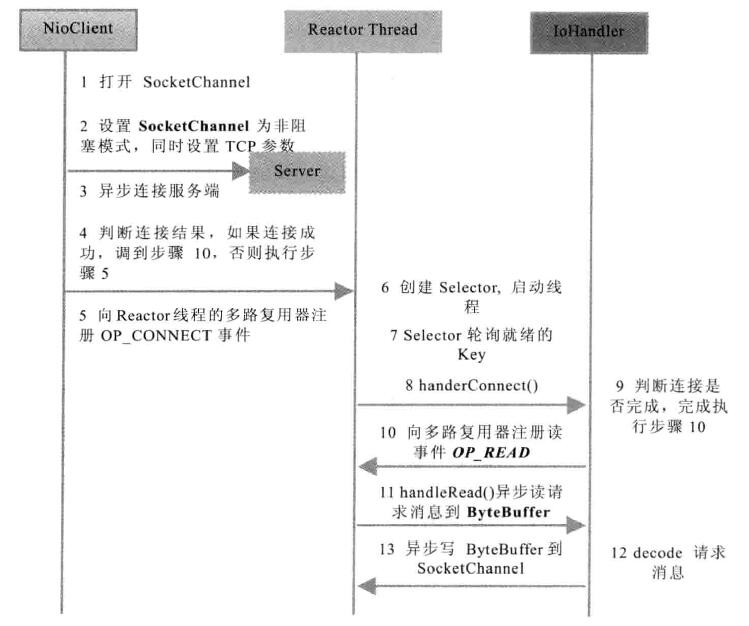
TimeClient:
 package nio;

 public class TimeClient {

     public static void main(String args[]){

         int port = 8080;

         if(args != null && args.length > 0){

             try{

                 port = Integer.valueOf(args[0]);

             }catch(NumberFormatException e){

                 //采用默认值

             }

         }

         new Thread(new TimeClientHandle("120.0.0.1",port),"TimeClient-001").start();

     }

 }
TimeClientHandler:
 package nio;

 import java.io.IOException;

 import java.net.InetSocketAddress;

 import java.nio.ByteBuffer;

 import java.nio.channels.SelectionKey;

 import java.nio.channels.Selector;

 import java.nio.channels.SocketChannel;

 import java.util.Iterator;

 import java.util.Set;

 public class TimeClientHandle implements Runnable{

     private String host;

     private int port;

     private Selector selector;

     private SocketChannel socketChannel;

     private volatile boolean stop;

     public TimeClientHandle(String host,int port){

         this.host = host == null ? "127.0.0.1" : host;

         this.port = port;

         try{

             selector = Selector.open();

             socketChannel = SocketChannel.open();

             socketChannel.configureBlocking(false);

         }catch(IOException e){

             e.printStackTrace();

             System.exit(1);

         }

     }

     public void run() {

         //发送请求连接

         try{

             doConnect();

         }catch(IOException e){

             e.printStackTrace();

             System.exit(1);

         }

         while(!stop){

             try{

                 selector.select(1000);

                 Set<SelectionKey> selectedKeys = selector.selectedKeys();

                 Iterator<SelectionKey> it = selectedKeys.iterator();

                 SelectionKey key = null;

                 //当有就绪的Channel时,执行handleInput(key)方法

                 while(it.hasNext()){

                     key = it.next();

                     it.remove();

                     try{

                         handleInput(key);

                     }catch(Exception e){

                         if(key != null){

                         key.cancel();

                             if(key.channel() != null){

                                 key.channel().close();

                             }

                         }

                     }

                 }

             }catch(Exception e){

                 e.printStackTrace();

                 System.exit(1);

             }

         }

         //多路复用器关闭后,所有注册在上面的Channel和Pipe等资源都会被自动去注册并关闭,所以不需要重复释放资源

         if(selector != null){

             try{

                 selector.close();

             }catch(IOException e){

                 e.printStackTrace();

             }

         }

     }

     private void handleInput(SelectionKey key) throws IOException{

         if(key.isValid()){

             SocketChannel sc = (SocketChannel)key.channel();

             //判断是否连接成功

             if(key.isConnectable()){

                 if(sc.finishConnect()){

                     sc.register(selector, SelectionKey.OP_READ);

                 }else{

                     System.exit(1);

                 }

             }

             if(key.isReadable()){

                 ByteBuffer readBuffer = ByteBuffer.allocate(1024);

                 int readBytes = sc.read(readBuffer);

                 if(readBytes > 0){

                     readBuffer.flip();

                         byte[] bytes = new byte[readBuffer.remaining()];

                         readBuffer.get(bytes);

                         String body = new String(bytes,"UTF-8");

                         System.out.println("Now is :" + body);

                         this.stop = true;

                 }else if(readBytes < 0){

                     //对端链路关闭

                     key.cancel();

                     sc.close();

                 }else{

                     ; //读到0字节,忽略

                 }

             }

         }

     }

     private void doConnect() throws IOException{

         //如果直接连接成功,则注册到多路复用器上,发送请求信息,读应答

         if(socketChannel.connect(new InetSocketAddress(host,port))){

             socketChannel.register(selector, SelectionKey.OP_READ);

             doWrite(socketChannel);

         }else{

             //说明服务器没有返回TCP祸首应答消息,但这并不代表连接失败,当服务器返回TCP syn-ack消息后,Selector就能够轮训这个SocketChannel处于连接就绪状态

             socketChannel.register(selector, SelectionKey.OP_CONNECT);

         }

     }

     private void doWrite(SocketChannel sc) throws IOException{

         byte[] req = "QUERY TIME ORDER".getBytes();

         ByteBuffer writeBuffer = ByteBuffer.allocate(req.length);

         writeBuffer.put(req);

         writeBuffer.flip();

         sc.write(writeBuffer);

         if(!writeBuffer.hasRemaining()){

             System.out.println("Send order 2 server succeed.");

         }

     }

 }
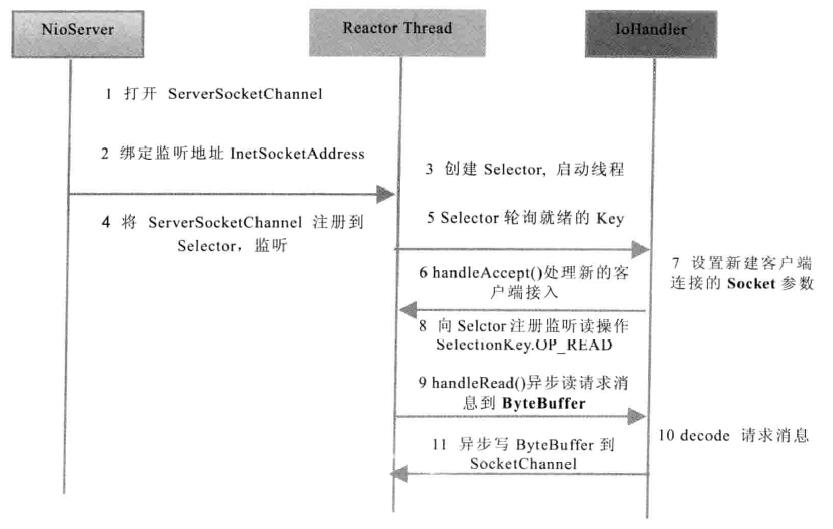
TimeServer:
 package nio;

 import java.io.IOException;

 public class TimeServer {

     public static void main(String[] args) throws IOException{

         int port = 8080;

         if(args != null && args.length >0){

             try{

                 port = Integer.valueOf(args[0]);

             }catch(NumberFormatException e){

                 //采用默认值

             }

         }

         //多路复用类,是一个独立的线程,负责轮训多路复用器Selctor,处理多个客户端的并发接入。

         MultiplexerTimeServer timeServer = new MultiplexerTimeServer(port);

         new Thread(timeServer,"NIO-MultiplexerTimeServer-001").start();

         }

 }
MultiplexerTimeServer:
 package nio;

 import java.io.IOException;

 import java.net.InetSocketAddress;

 import java.nio.ByteBuffer;

 import java.nio.channels.SelectionKey;

 import java.nio.channels.Selector;

 import java.nio.channels.ServerSocketChannel;

 import java.nio.channels.SocketChannel;

 import java.util.Iterator;

 import java.util.Set;

 public class MultiplexerTimeServer implements Runnable {

     private Selector selector;

     private ServerSocketChannel servChannel;

     private volatile boolean stop;

     public MultiplexerTimeServer(int port){

         try{

             selector = Selector.open();

             servChannel.configureBlocking(false);

             //将ServerSocketChannel 设置为异步非阻塞,backlog设置为1024

             servChannel.socket().bind(new InetSocketAddress(port),1024);

             //将ServerSocket Channel注册到Selector,监听SelectionKey.OP_ACCEPT操作位,如果初始化失败,则退出

             servChannel.register(selector,SelectionKey.OP_ACCEPT);

             System.out.println("The time server is start in port:" + port);

         }catch(IOException e){

             e.printStackTrace();

             System.exit(1);

         }

     }

     public void stop(){

         this.stop = true;

     }

     public void run() {

         while(!stop){

             try{

                 //遍历时间设置1秒,每隔一秒唤醒一次,当有处于就绪状态的Channel时,selector将返回就绪状态的Channel的SelectionKey集合

                 selector.select(1000);

                 Set<SelectionKey> selectedKeys = selector.selectedKeys();

                 Iterator<SelectionKey> it = selectedKeys.iterator();

                 SelectionKey key = null;

                 //通过对就绪状态的Channel集合进行迭代,可以进行网络的异步读写操作

                 while(it.hasNext()){

                     key = it.next();

                     it.remove();

                     try{

                         handleInput(key);

                     }catch(Exception e){

                         if(key != null){

                             key.cancel();

                             if(key.channel() != null){

                                 key.channel().close();

                             }

                         }

                     }

                 }

             }catch(Throwable t){

                 t.printStackTrace();

             }

         }

         //多路复用器关闭后,所有注册在上面的Channel和Pipe等资源都会被自动去注册并关闭,所以不需要重复释放资源

         if(selector != null){

             try{

                 selector.close();

             }catch(IOException e){

                 e.printStackTrace();

             }

         }

     }

     //处理新接入的请求消息

     private void handleInput(SelectionKey key) throws IOException{

         if(key.isValid()){

             //根据SelectionKey的操作位进行判断即可获知网络事件的类型,通过accept接收客户端的连接请求并创建SocketChannel实例,完成上述操作相当于

             //完成了TCP的三次握手,TCP物理链路正式建立

             if(key.isAcceptable()){

                 ServerSocketChannel ssc = (ServerSocketChannel)key.channel();

                 SocketChannel sc = ssc.accept();

                 sc.configureBlocking(false);

                 //Add the new connection tothe selector

                 sc.register(selector, SelectionKey.OP_READ);

             }

             if(key.isReadable()){

                 //Read the data

                 SocketChannel sc = (SocketChannel)key.channel();

                 ByteBuffer readBuffer = ByteBuffer.allocate(1024);

                 int readBytes = sc.read(readBuffer);

                 if(readBytes > 0){

                     //将缓冲区当前的limit设置为position,position设置为0,用于后续对缓冲区的读取操作

                     readBuffer.flip();

                     byte[] bytes = new byte[readBuffer.remaining()];

                     readBuffer.get(bytes);

                     String body = new String(bytes,"UTF-8");

                     System.out.println("The time server receive order: + body");

                     String currentTime = "QUERY TIME ORDER".equalsIgnoreCase(body) ? new java.util.Date(System.currentTimeMillis()).toString() : "BAD ORDER";

                     doWrite(sc,currentTime);

                 }else if(readBytes < 0){

                     //对端链路关闭

                     key.cancel();

                     sc.close();

                 }else{

                     ; //读到0字节,忽略

                 }

             }

         }

     }

     private void doWrite(SocketChannel channel,String response) throws IOException{

         if(response != null && response.trim().length() >0){

             byte[] bytes = response.getBytes();

             ByteBuffer writeBuffer = ByteBuffer.allocate(bytes.length);

             writeBuffer.put(bytes);

             writeBuffer.flip();

             channel.write(writeBuffer);

         }

     }

 }
NIO源码阅读的更多相关文章
- Spark源码阅读之存储体系--存储体系概述与shuffle服务
一.概述 根据<深入理解Spark:核心思想与源码分析>一书,结合最新的spark源代码master分支进行源码阅读,对新版本的代码加上自己的一些理解,如有错误,希望指出. 1.块管理器B ...
- JDK源码阅读(1)_简介+ java.io
1.简介 针对这一个版块,主要做一个java8的源码阅读笔记.会对一些在javaWeb中应用比较广泛的java包进行精读,附上注释.对于容易混淆的知识点给出相应的对比分析. 精读的源码顺序主要如下: ...
- JDK 1.8 源码阅读和理解
根据 一篇文章教会你,如何做到招聘要求中的“要有扎实的Java基础” 的指引,决定开始阅读下JDK源码. 本文将作为源码阅读总纲 一.精读部分 java.io java.lang java.util ...
- Mina源码阅读笔记(四)—Mina的连接IoConnector2
接着Mina源码阅读笔记(四)-Mina的连接IoConnector1,,我们继续: AbstractIoAcceptor: 001 package org.apache.mina.core.rewr ...
- netty(一)---服务端源码阅读
NIO Select 知识 select 示例代码 : //创建 channel 并设置为非阻塞 ServerSocketChannel serverChannel = ServerSocketCha ...
- 利用IDEA搭建JDK源码阅读环境
利用IDEA搭建JDK源码阅读环境 首先新建一个java基础项目 基础目录 source 源码 test 测试源码和入口 准备JDK源码 下图框起来的路径就是jdk的储存位置 打开jdk目录,找到sr ...
- JDK源码阅读-ByteBuffer
本文转载自JDK源码阅读-ByteBuffer 导语 Buffer是Java NIO中对于缓冲区的封装.在Java BIO中,所有的读写API,都是直接使用byte数组作为缓冲区的,简单直接.但是在J ...
- JDK源码阅读-FileDescriptor
本文转载自JDK源码阅读-FileDescriptor 导语 操作系统使用文件描述符来指代一个打开的文件,对文件的读写操作,都需要文件描述符作为参数.Java虽然在设计上使用了抽象程度更高的流来作为文 ...
- JDK源码阅读-DirectByteBuffer
本文转载自JDK源码阅读-DirectByteBuffer 导语 在文章JDK源码阅读-ByteBuffer中,我们学习了ByteBuffer的设计.但是他是一个抽象类,真正的实现分为两类:HeapB ...
随机推荐
- dom扩展
第十一章 DOM扩展 一.选择符API 1.querySelector()方法 接收一个CSS选择符,返回与该模式匹配的第一个元素,如果没有找到匹配的元素,返回null. 2. ...
- 机器学习之分类器性能指标之ROC曲线、AUC值
分类器性能指标之ROC曲线.AUC值 一 roc曲线 1.roc曲线:接收者操作特征(receiveroperating characteristic),roc曲线上每个点反映着对同一信号刺激的感受性 ...
- WinForm实现对权限菜单进行管理
一.界面: 二.数据库访问类: public class DataClass { private readonly string connect = ConfigurationManager.AppS ...
- PHP explode()函数
源起:将日期格式的字符串拆分成年.月.日,用于组织关系介绍信的特定位置打印.感谢倪同学提供思路 定义和用法 explode()函数把字符串分割为数组 语法 explode(separator,stri ...
- linux精确查找命令
1. find命令 命令 功能:搜寻文件与目录 功能: 语法: 语法:find 目录名 选项 常用选项有: 常用选项有: -name filename按名字查找 按名字查找 -type x 查找类型为 ...
- ScriptableObject本地序列化后重启Unity后报The associated script can not be loaded.Please fix any compile errors and assign a valid script的坑
踩坑 做编辑器一些设置序列化存在本地的时候,继承自ScriptableObject的类通过 创建的asset文件. 在重启Unity后查看这个asset发现上面的所有序列化属性丢失,报的错就是 在不存 ...
- Array(数组)--map方法
关于Array.prototype.map() MDN 给的定义是: 在作用数组元素的每一项上调用一个方法(callback),返回一个新数组: 使用格式:arr.map(callback[,this ...
- bash 取文件特定行
比如,想要取某文件10-20行 可以用sed sed -n '10,20p' XXX.txt 非常方便!
- 系统弹性概念[TODO]
系统弹性 Shopify构建分布式可扩展应用的最佳实践 [编者的话]在构建大型分布式系统应用时,如何降低不同部分之间的依赖,增强系统的弹性,电商解决方案提供商 Shopify 给出了解决方法. 弹性矩 ...
- 【转】构建C1000K的服务器(1) – 基础
原文来自 ideawu 构建C1000K的服务器(1) – 基础 著名的 C10K 问题提出的时候, 正是 2001 年, 到如今 12 年后的 2013 年, C10K 已经不是问题了, 任何一个普 ...