
第四十二课 KMP算法的应用
思考:
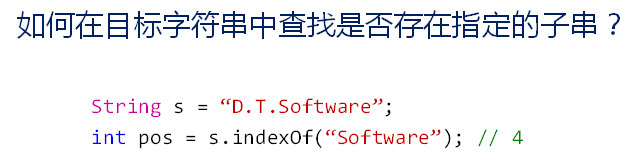
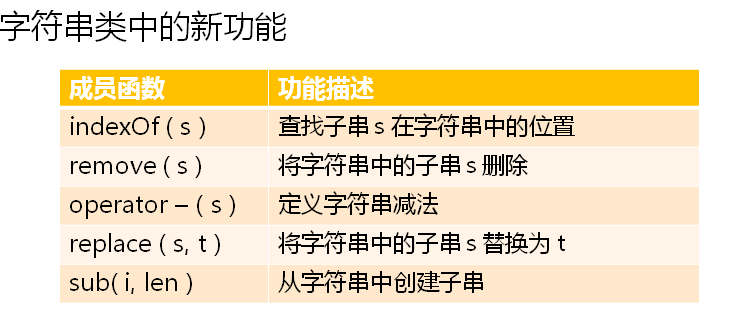

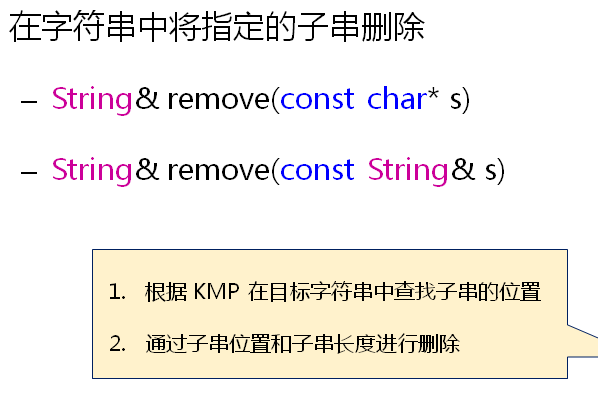
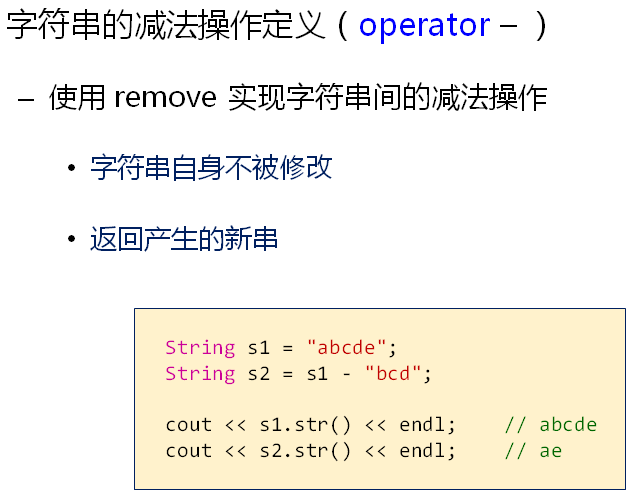

replace图解:
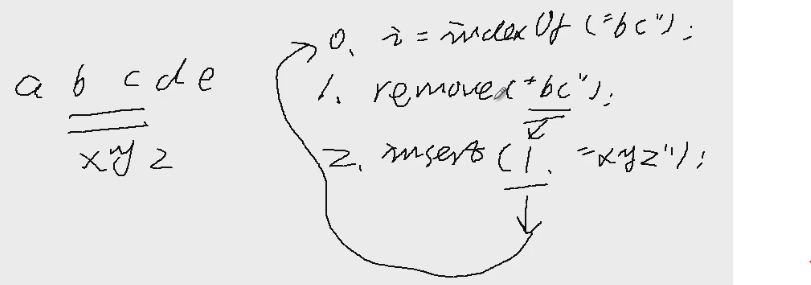
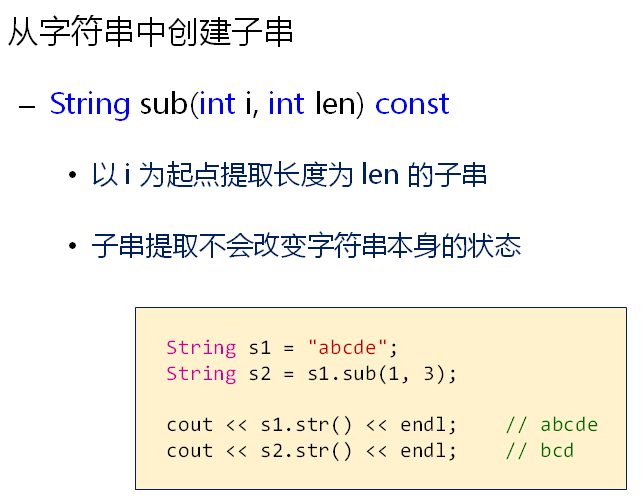
程序完善:
DTString.h:
 #ifndef DTSTRING_H

 #define DTSTRING_H

 #include "Object.h"

 namespace DTLib

 {

 class String : Object

 {

 protected:

     char* m_str;

     int m_length;

     void init(const char* s);

     bool equal(const char* l, const char* r, int len) const;

     static int* make_pmt(const char* p);

     static int kmp(const char* s, const char* p);

 public:

     String();

     String(char c);

     String(const char* s);

     String(const String& s);

     int length() const;

     const char* str() const;

     bool startWith(const char* s) const;

     bool startWith(const String& s) const;

     bool endOf(const char* s) const;

     bool endOf(const String& s) const;

     String& insert(int i, const char* s);

     String& insert(int i, const String& s);

     String& trim();

     int indexOf(const char* s) const;

     int indexOf(const String& s) const;

     String& remove(int i, int len); //删除指定下标,指定长度的子串

     String& remove(const char* s);

     String& remove(const String& s);

     String& replace(const char* t, const char* s);

     String& replace(const String& t, const char* s);

     String& replace(const char* t, const String& s);

     String& replace(const String& t, const String& s);

     String sub(int i, int len) const;

     char& operator [] (int i);

     char operator [] (int i) const;

     bool operator == (const String& s) const;

     bool operator == (const char* s) const;

     bool operator != (const String& s) const;

     bool operator != (const char* s) const;

     bool operator > (const String& s) const;

     bool operator > (const char* s) const;

     bool operator < (const String& s) const;

     bool operator < (const char* s) const;

     bool operator >= (const String& s) const;

     bool operator >= (const char* s) const;

     bool operator <= (const String& s) const;

     bool operator <= (const char* s) const;

     String operator + (const String& s) const;

     String operator + (const char* s) const;

     String& operator += (const String& s);

     String& operator += (const char* s);

     String operator - (const char* s) const;

     String operator - (const String& s) const;

     String& operator -= (const char* s);

     String& operator -= (const String& s);

     String& operator = (const String& s);

     String& operator = (const char* s);

     String& operator = (char c);

     ~String();

 };

 }

 #endif // DTSTRING_H
DTString.cpp:
 #include <cstring>

 #include <cstdlib>

 #include "DTString.h"

 #include "Exception.h"

 using namespace std;

 namespace DTLib

 {

 int* String::make_pmt(const char* p)  // O(m)

 {

     int len = strlen(p);

     int* ret = static_cast<int*>(malloc(sizeof(int) * len));

     if( ret != NULL )

     {

         int ll = ;

         ret[] = ; // 第0个元素(长度为1的字符串)的ll值为0

         for(int i = ; i < len; i++)

         {

             //不成功的情况

             while( (ll > ) && (p[ll] != p[i]) )

             {

                 ll = ret[ll];

             }

             // 假设最理想的情况成立

             //在前一个ll值的基础行进行扩展,只需比对最后扩展的字符是否相等

             //相等的话ll值加1,并写入到部分匹配表

             if( p[ll] == p[i] )

             {

                 ll++;

             }

             ret[i] = ll; // 将ll值写入匹配表

         }

     }

     return ret;

 }

 int String::kmp(const char* s, const char* p)  //O(m) + O(n) = O(m + n)

 {

     int ret = -;

     int sl = strlen(s);

     int pl = strlen(p); //子串

     int* pmt = make_pmt(p);   //O(m)

     if( (pmt != NULL) && ( < pl) && (pl <= sl))

     {

         for( int i = ,j = ; i < sl; i++ )

         {

             while( (j > ) && (s[i] != p[j]) ) // j小于等于0时要退出

             {

                 j = pmt[j];

             }

             if( s[i] == p[j] )

             {

                 j++;

             }

             if( j == pl ) // j的值如果最后就是子串的长度,意味着查找到了

             {

                 ret = i +  - pl; // 匹配成功时i的值停在最后一个匹配的字符上

                 break;

             }

         }

     }

     free(pmt);

     return ret;

 }

 void String::init(const char* s)

 {

     m_str = strdup(s);

     if( m_str )

     {

         m_length = strlen(m_str);

     }

     else

     {

         THROW_EXCEPTION(NoEnoughMemoryException, "No memory to create string object ...");

     }

 }

 bool String::equal(const char* l, const char* r, int len) const

 {

     bool ret = true;

     for(int i = ; i < len && ret; i++)

     {

         ret = ret && (l[i] == r[i]);

     }

     return ret;

 }

 String::String()

 {

     init("");

 }

 String::String(const char* s)

 {

     init(s ? s : "");   //空指针就转换成空字符串

 }

 String::String(const String& s)

 {

     init(s.m_str);

 }

 String::String(char c)

 {

     char s[] = {c, '\0'};

     init(s);

 }

 int String::length() const

 {

     return m_length;

 }

 const char* String::str() const

 {

     return m_str;

 }

 bool String::startWith(const char* s) const

 {

     bool ret = ( s != NULL );

     if( ret )

     {

         int len = strlen(s);

         ret = (len < m_length) && equal(m_str, s, len);

     }

     return ret;

 }

 bool String::startWith(const String& s) const

 {

     return startWith(s.m_str);

 }

 bool String::endOf(const char* s) const

 {

     bool ret = ( s != NULL );

     if( ret )

     {

         int len = strlen(s);

         char* str = m_str + (m_length - len);

         ret = (len < m_length) && equal(str, s, len);

     }

     return ret;

 }

 bool String::endOf(const String& s) const

 {

     return endOf(s.m_str);

 }

 String& String::insert(int i, const char* s)

 {

     if( ( <= i) && (i <= m_length) )

     {

         if( ( s != NULL) && ( s[] != '\0' ) )

         {

             int len = strlen(s);

             char* str = reinterpret_cast<char*>(malloc(m_length + len + ));

             if( str != NULL )

             {

                 strncpy(str, m_str, i);

                 strncpy(str + i, s, len);

                 strncpy(str + i + len, m_str + i, m_length - i);

                 str[m_length + len] = '\0';

                 free(m_str);

                 m_str = str;

                 m_length = m_length + len;

             }

             else

             {

                 THROW_EXCEPTION(NoEnoughMemoryException, "No memory to create str object...");

             }

         }

     }

     else

     {

         THROW_EXCEPTION(IndexOutOfBoundsException, "parameter i is invalid...");

     }

     return *this;

 }

 String& String::insert(int i, const String& s)

 {

     return insert(i, s.m_str);

 }

 String& String::trim()

 {

     int b = ;

     int e = m_length - ;

     while( m_str[b] == ' ')b++;

     while( m_str[e] == ' ')e--;

     if( b ==  )

     {

         m_str[e + ] = '\0';

         m_length = e + ;

     }

     else

     {

         for(int i = ,j = b; j <= e; i++, j++)

         {

             m_str[i] = m_str[j];

         }

         m_str[e - b + ] = '\0';

         m_length = e - b + ;

     }

     return *this;

 }

 int String::indexOf(const char* s) const

 {

     return kmp(m_str, s ? s : "");

 }

 int String::indexOf(const String& s) const

 {

     return kmp(m_str, s.m_str);

 }

 String& String::remove(int i, int len)

 {

     if( ( <= i) && (i < m_length) )

     {

         int n = i;

         int m = i + len;

         while( (n < m) && (m < m_length) )

         {

             m_str[n++] = m_str[m++];

         }

         m_str[n] = '\0';

         m_length = n;

     }

     return *this;

 }

 String& String::remove(const char* s)

 {

     return remove(indexOf(s), s ? strlen(s) : );

 }

 String& String::remove(const String& s)

 {

     return remove(indexOf(s), s.length());

 }

 String& String::replace(const char* t, const char* s)

 {

     int index = indexOf(t);

     if( index >=  )

     {

         remove(t);

         insert(index, s);

     }

     return *this;

 }

 String& String::replace(const String& t, const char* s)

 {

     return replace(t.m_str, s);

 }

 String& String::replace(const char* t, const String& s)

 {

     return replace(t, s.m_str);

 }

 String& String::replace(const String& t, const String& s)

 {

     return replace(t.m_str, s.m_str);

 }

 String String::sub(int i, int len) const

 {

     String ret;

     if( ( <= i) && (i<m_length) )

     {

         if( len <  ) len = ;

         if(len + i > m_length) len = m_length - i;

         char* str = reinterpret_cast<char*>(malloc(len + ));

         strncpy(str, m_str + i, len);

         str[len] = '\0';

         ret = str;

     }

     else

     {

         THROW_EXCEPTION(IndexOutOfBoundsException, "parameter i is invalid...");

     }

     return ret;

 }

 char& String::operator [] (int i)

 {

     if( ( <= i) && (i < m_length) )

     {

         return m_str[i];

     }

     else

     {

         THROW_EXCEPTION(IndexOutOfBoundsException, "parameter i is invalid ...");

     }

 }

 char String::operator [] (int i) const

 {

     return (const_cast<String&>(*this))[i];

 }

 bool String::operator == (const String& s) const

 {

     return ( strcmp(m_str, s.m_str) ==  );

 }

 bool String::operator == (const char* s) const

 {

     return ( strcmp(m_str, s ? s : "") ==  );

 }

 bool String::operator != (const String& s) const

 {

     return !(*this == s);

 }

 bool String::operator != (const char* s) const

 {

     return !(*this == s);

 }

 bool String::operator > (const String& s) const

 {

     return (strcmp(m_str, s.m_str) > );

 }

 bool String::operator > (const char* s) const

 {

     return (strcmp(m_str, s ? s : "") > );

 }

 bool String::operator < (const String& s) const

 {

     return (strcmp(m_str, s.m_str) < );

 }

 bool String::operator < (const char* s) const

 {

     return (strcmp(m_str, s ? s : "") < );

 }

 bool String::operator >= (const String& s) const

 {

     return (strcmp(m_str, s.m_str) >= );

 }

 bool String::operator >= (const char* s) const

 {

     return (strcmp(m_str, s ? s : "") >= );

 }

 bool String::operator <= (const String& s) const

 {

     return (strcmp(m_str, s.m_str) <= );

 }

 bool String::operator <= (const char* s) const

 {

     return (strcmp(m_str, s ? s : "") <= );

 }

 String String::operator + (const String& s) const

 {

     return (*this + s.m_str);

 }

 String String::operator + (const char* s) const

 {

     String ret;

     int len = m_length + strlen(s ? s : "");

     char* str = reinterpret_cast<char*>(malloc(len + ));

     if( str )

     {

         strcpy(str, m_str);

         strcat(str, s ? s : "");

         free(ret.m_str);

         ret.m_str = str;

         ret.m_length = len;

     }

     else

     {

         THROW_EXCEPTION(NoEnoughMemoryException, "No memory to create str object...");

     }

     return ret;

 }

 String& String::operator += (const String& s)

 {

     return (*this = *this + s.m_str);

 }

 String& String::operator += (const char* s)

 {

     return (*this = *this + s);

 }

 String String::operator - (const char* s) const

 {

     return String(*this).remove(s);

 }

 String String::operator - (const String& s) const

 {

     return String(*this).remove(s);

 }

 String& String::operator -= (const char* s)

 {

     return remove(s);

 }

 String& String::operator -= (const String& s)

 {

     return remove(s);

 }

 String& String::operator = (const String& s)

 {

     return (*this = s.m_str);

 }

 String& String::operator = (const char* s)

 {

     if( m_str != s )

     {

         char* str = strdup(s ? s: "");

         if( str )

         {

             free(m_str);

             m_str = str;

             m_length = strlen(m_str);

         }

         else

         {

             THROW_EXCEPTION(NoEnoughMemoryException, "No memory to create str object...");

         }

     }

     return *this;

 }

 String& String::operator = (char c)

 {

     char s[] = {c, '\0'};

     return (*this = s);

 }

 String::~String()

 {

     free(m_str);

 }

 }
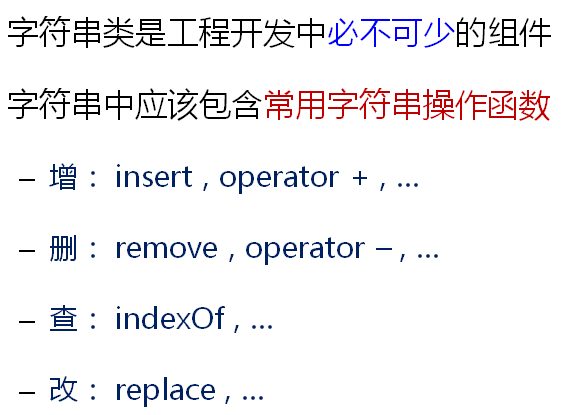
小结:
第四十二课 KMP算法的应用的更多相关文章
- NeHe OpenGL教程 第四十二课:多重视口
转自[翻译]NeHe OpenGL 教程 前言 声明,此 NeHe OpenGL教程系列文章由51博客yarin翻译(2010-08-19),本博客为转载并稍加整理与修改.对NeHe的OpenGL管线 ...
- 第四十二课:基于CSS的动画引擎
由于低版本浏览器不支持css3 animation,因此我们需要根据浏览器来选择不同的动画引擎.如果浏览器支持css3 animation,那么就使用此动画引擎,如果不支持,就使用javascript ...
- 潭州课堂25班:Ph201805201 django 项目 第四十二课 后台 课程相关,用户组管理 (课堂笔记)
在线课程: 当点击进入页面时,显示所有课程 def get(self, request): courses = Course.objects.select_related('category', 't ...
- python第四十二课——__str__(self)函数
4.__str__(self): 作用: 创建完对象,直接打印对象名/引用名我们得到的是对象的内存信息(十六进制的地址信息), 这串数据我们程序员并不关心,我们更希望看到的是属性赋值以后的内容(属性赋 ...
- NeHe OpenGL教程 第四十八课:轨迹球
转自[翻译]NeHe OpenGL 教程 前言 声明,此 NeHe OpenGL教程系列文章由51博客yarin翻译(2010-08-19),本博客为转载并稍加整理与修改.对NeHe的OpenGL管线 ...
- centos shell编程6一些工作中实践脚本 nagios监控脚本 自定义zabbix脚本 mysql备份脚本 zabbix错误日志 直接送给bc做计算 gzip innobackupex/Xtrabackup 第四十节课
centos shell编程6一些工作中实践脚本 nagios监控脚本 自定义zabbix脚本 mysql备份脚本 zabbix错误日志 直接送给bc做计算 gzip innobacku ...
- NeHe OpenGL教程 第三十二课:拾取游戏
转自[翻译]NeHe OpenGL 教程 前言 声明,此 NeHe OpenGL教程系列文章由51博客yarin翻译(2010-08-19),本博客为转载并稍加整理与修改.对NeHe的OpenGL管线 ...
- NeHe OpenGL教程 第二十二课:凹凸映射
转自[翻译]NeHe OpenGL 教程 前言 声明,此 NeHe OpenGL教程系列文章由51博客yarin翻译(2010-08-19),本博客为转载并稍加整理与修改.对NeHe的OpenGL管线 ...
- 第四十二个知识点:看看你的C代码为蒙哥马利乘法,你能确定它可能在哪里泄漏侧信道路吗?
第四十二个知识点:看看你的C代码为蒙哥马利乘法,你能确定它可能在哪里泄漏侧信道路吗? 几个月前(回到3月份),您可能还记得我在这个系列的52件东西中发布了第23件(可以在这里找到).这篇文章的标题是& ...
随机推荐
- WDA基础十一:Excel上载
1.因为是做建单的例子,所以没有做结果显示,在加了两个属性 DATESOURCE Type XSTRING FILENAME Type STRING 2.在VIEW中新建elemen ...
- spring security antMatchers相关内容
一.antMatcher与antMatchers的区别以及使用场景 来源:https://stackoverflow.com/questions/35890540/when-to-use-spring ...
- Git中ssh的使用
远程仓库前期工作(SSH HEY的使用) 1.1.注册GitHub账号 1.2.创建SSH Key 打开Git Bash后,输入ssh-keygen -t rsa -C "youremail ...
- Hadoop--Unable to load native-hadoop library for your platform... using builtin-java classes where applicable Starting namenodes on [localhost]
Unable to load native-hadoop library for your platform... using builtin-java classes where applicabl ...
- List Available DBCC Commands
DBCC Commands or Database Consistency Checker commands have been with SQL Server from its early ages ...
- 自建yum源解决Ceph搭建过程中从官网取包慢的问题
最近项目组需要ceph环境,第一次搭建ceph,各种不顺,装了卸,卸了装,一遍又一遍地按照官网的操作进行.最气人的是网速差,从官网取包太慢.一轮尝试就浪费一上午. 因此想到本地新建yum源. 首先,按 ...
- docker安装使用教程(Kali2.0)
一.apt安装 apt直接安装是最好的,因为apt源中的其他docker相关组件,也是与docker匹配的版本. apt-get install docker docker-compose 二.手动安 ...
- Eclipse Mars-Ant无法使用jre1.6的问题
https://www.jianshu.com/p/24b9517d7f43 Eclipse 升级到Mars 4.5.1版本后,老项目使用jdk1.6,通过ant编译jar时,会遇到如下问题: 使用j ...
- Redis的JAVA连接
ShardedJedis用法 package com.zhi.demo; import java.util.Arrays; import java.util.List; import redis.cl ...
- laravel中的数据库迁移
1.创建数据库迁移文件:生成数据库迁移文件,前面跟着时间戳: php artisan make:migration create_posts_table 创建数据库迁移文件:可以重命名数据表名: -- ...