
JavaScript basics: 2 ways to get child elements with JavaScript
原文: https://blog.mrfrontend.org/2017/10/2-ways-get-child-elements-javascript/
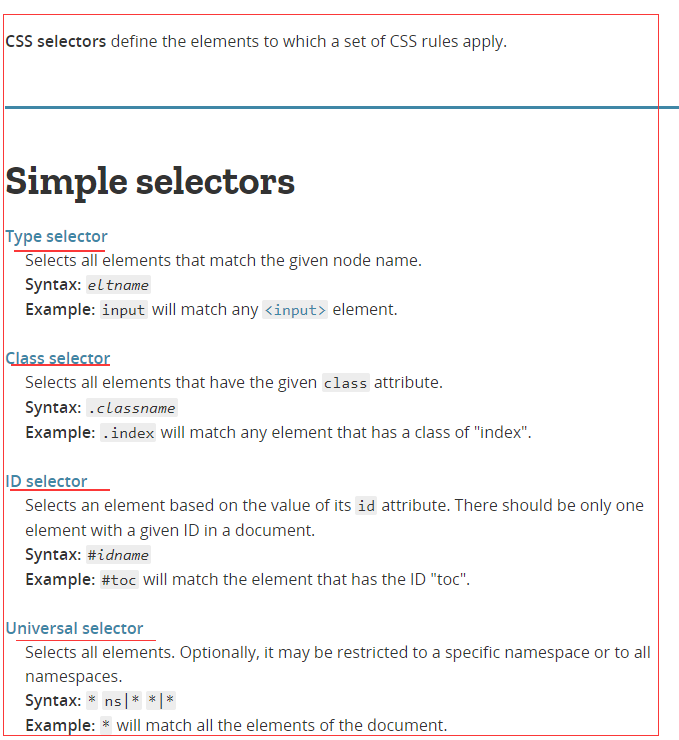
Along the lines of other frameworks such as jQuery or Prototype, shortening the "querySelector" name can be convenient:
function $ (selector, el) {

     if (!el) {el = document;}

     return el.querySelector(selector);

}

function $$ (selector, el) {

     if (!el) {el = document;}

     return el.querySelectorAll(selector);

     // Note: the returned object is a NodeList.

     // If you'd like to convert it to a Array for convenience, use this instead:

     // return Array.prototype.slice.call(el.querySelectorAll(selector));

}

alert($('#myID').id);
--------------------------------------------------------------------------------
In jQuery, it is super easy to get the child elements of a parent HTML element. But do you know how it works with Vanilla JavaScript?
Today I want to show you 2 ways how you can use Vanilla JavaScript to get the child elements, even when you don’t know what’s in the parent element.
If you like reading instead of watching a video? Please scroll down to continue reading.
Looking for the video resources? Scroll to the bottom!
Let’s start with a simple webshop page.
HTML
<header class="product__list-header">

    <h2>Webshop</h2>

</header>

<section class="product__list">

  <div class="product__item">

    <img src="http://lorempixel.com/400/200/food" class="product__image" alt="Food">

    <span class="product__price">500</span>

  </div>

  <div class="product__item fun__class">

    <img src="https://lorempixel.com/400/200/food" class="product__image" alt="Food">

    <span class="product__price">500</span>

  </div>

  <div class="product__item">

    <img src="https://lorempixel.com/400/200/food" class="product__image" alt="Food">

    <span class="product__price">500</span>

  </div>

  <div class="product__item">

    <img src="https://lorempixel.com/400/200/food" class="product__image" alt="Food">

    <span class="product__price">500</span>

  </div>

  <div class="product__item">

    <img src="https://lorempixel.com/400/200/food" class="product__image" alt="Food">

    <span class="product__price">500</span>

  </div>

</section>
As you noticed, I used BEM as naming convention for my webshop example page.
#1 element.children
The first way to get the child elements is with the element.children. If you want to check out what kind of properties the DOM Element Object has for you, check it on W3schools. That is btw one of my favorite websites to check JavaScript example’s & documentation.
JavaScript
var productList = document.querySelector('.product__list').children;

console.log('productList: ', productList);
In the console log, you will find a.HTMLCollection Check the property__proto__, you will find out that he is not an Array.
Loop over the children
The children property will return a.HTMLCollection So you can loop over it with the plain-old For-loop.
for (i = 0; i < productList.length; i++) {

  console.log('productList[i]: ', productList[i]);

}
Check my element.children jsbin example.
#2 document.querySelectorAll
If you know which elements are in a parent element, you can adjust the selector to:..product__list .product__item With this selector, you target al the product items inside the product list.
If you don’t know which elements are in the parent element, I would recommend the element.children way. Because then you will definitely get all the children back.
Maybe you remind the querySelectorAll from my previous blog post, but I don’t mind to show it again .
JavaScript
var productList = document.querySelectorAll('.product__list .product__item');

console.log('productList: ', productList);
In the console log, you will find a NodeList. If you check the __proto__ you will find out that he is not an Array.
Just like the HTMLCollection, you can use the For-loop to loop over each element in the NodeList.
for (i = 0; i < productList.length; i++) {

  console.log('product: ', productList[i]);

}
Check my querySelectorAll jsbin example.
Conclusion: element.children VS querySelectorAll
But now is the question, which one do you use?
You know the child elements
In the case you know what child elements there are in the parent element, it is good to use the document.querySelectorAll method.
This a much faster way to target them with the CSS selector. And because of the, querySelectorAll it doesn’t matter how much elements there are.
You don’t know the child elements
In the case you don’t know what child elements you can expect, you need the. element.children All the elements inside the parent element will come back with the DOM Element Object.
JavaScript basics: 2 ways to get child elements with JavaScript的更多相关文章
- 3 Ways to Preload Images with CSS, JavaScript, or Ajax---reference
Preloading images is a great way to improve the user experience. When images are preloaded in the br ...
- 深入理解JavaScript系列(1):编写高质量JavaScript代码的基本要点
深入理解JavaScript系列(1):编写高质量JavaScript代码的基本要点 2011-12-28 23:00 by 汤姆大叔, 139489 阅读, 119 评论, 收藏, 编辑 才华横溢的 ...
- JavaScript高级程序设计(二):在HTML中使用JavaScript
一.使用<script>元素 1.<script>元素定义了6个属性: async:可选.表示应该立即下载脚本,但不应该妨碍页面中的其他操作,比如下载其他资源或等待加载其他脚本 ...
- JavaScript学习总结(四)——this、原型链、javascript面向对象
一.this 在JavaScript中this表示:谁调用当前函数this就指向谁,不知道调用者时this指向window. JavaScript是由对象组成的,一切皆为对象,万物皆为对象.this是 ...
- JS事件 什么是事件?JavaScript 创建动态页面。事件是可以被 JavaScript 侦测到的行为。 网页中的每个元素都可以产生某些可以触发 JavaScript 函数或程序的事件。
什么是事件 JavaScript 创建动态页面.事件是可以被 JavaScript 侦测到的行为. 网页中的每个元素都可以产生某些可以触发 JavaScript 函数或程序的事件. 比如说,当用户单击 ...
- 《JavaScript高级程序设计》——第二章在HTML使用JavaScript
这章讲的是JavaScript在HTML中的使用,也就是<script>元素的属性.书中详细讲了async.defer.src和type四个<script>的属性. 下面是对第 ...
- 7 JavaScript Basics Many Developers Aren't Using (Properly)【转】
JavaScript, at its base, is a simple language that we continue to evolve with intelligent, flexible ...
- [HTML5] Add an SVG Image to a Webpage and Get a Reference to the Internal Elements in JavaScript
We want to show an SVG avatar of the patio11bot, so we'll do that in three ways: Using an img tag - ...
- Deleting array elements in JavaScript - delete vs splice
javascript 数组中删除元素用 array.splice(start, deleteCount);这个方法. ----------------------------------------- ...
随机推荐
- 安装VMware Tools的步骤和那些坑
背景环境:VMware workstation 12.5+Ubuntu16.04 首先VMware Tools在ubuntu中是及其不稳定的,也就是说,当你点击菜单栏中的install vmware ...
- 【 VSFTPD 】ftp 客户端问题
网络环境: 两个独立的内网环境,前端都有路由和防火墙的管控.要在这两个独立的内网使用ftp通过互联网进行通信. 首先,ftp server 服务端口默认修改为:2100 数据端口修改为:21000 将 ...
- DRF基类APIView的子类GenericAPIView
DRF的基类是APIView类,GenericAPIView类是APIView类的子类. GenericAPIView类有什么存在的意义呢? 其实, 他主要提供了两个用处: 1.提供关于数据库查询的属 ...
- selenium 3.0鼠标事件 (java代码)
注意:ActionChains下相关方法在当前的firefox不工作,建议使用谷歌浏览器. public static void main(String[] args) throws Interrup ...
- MATLAB作图方法与技巧(三)
1.利用指令plot绘制圆的参数方程x = sin(t),y = cos(t),(0<=t<=2*pi)的曲线图. 代码如下 t = linspace(0,2*pi,100); x = s ...
- iPhone手机关闭ios10自动更新
在手机上打开safari,地址栏输入:https://oldcat.me/web/NOOTA9.mobileconfig然后回车按照要求安装此provision文件即可,然后重启.桌面出现一个反馈感叹 ...
- (2)三剑客之grep
1)grep和egrep定义grep:在文件中全局查找指定的正则表达式,并打印所有包含该表达式的行egrep:扩展的egrep,支持更多的正则表达式元字符2)命令格式语法:grep [选项] patt ...
- kotlin 写的一个简单 sql 查询解析器
package com.dx.efuwu.core import org.apache.commons.lang.StringUtils import java.sql.PreparedStateme ...
- luogu P1938找工就业
一头牛在一个城市最多只能赚D元,然后它必须到另一个城市工作.当然它可以在别处工作一阵子后,又回到原来的城市再最多赚D美元.而且这样的往返次数没有限制城市间有P条单向路径,共有C座城市,编号1~C,奶牛 ...
- POJ 3260 The Fewest Coins(背包问题)
[题目链接] http://poj.org/problem?id=3260 [题目大意] 给出你拥有的货币种类和每种的数量,商店拥有的货币数量是无限的, 问你买一个价值为m的物品,最少的货币流通数量为 ...