
Python菜鸟之路:Python基础(三)
一、编码
推荐阅读《字符编码的前世今生》:http://tgideas.qq.com/webplat/info/news_version3/804/808/811/m579/201307/218730.shtml
1. 常见编码介绍
- GB2312编码:适用于汉字处理、汉字通信等系统之间的信息交换
- GBK编码:是汉字编码标准之一,是在 GB2312-80 标准基础上的内码扩展规范,使用了双字节编码,即每个汉子占2byte。
- ASCII编码:是对英语字符和二进制之间的关系做的统一规定
- Unicode编码:这是一种世界上所有字符的编码。当然了它没有规定的存储方式。
- UTF-8编码:是 Unicode Transformation Format - 8 bit 的缩写, UTF-8 是 Unicode 的一种实现方式。它是可变长的编码方式,可以使用 1~4 个字节表示一个字符,可根据不同的符号而变化字节长度。每个汉子占3byte。
2. 编码转换
Python内部的字符串一般都是 Unicode编码。代码中字符串的默认编码与代码文件本身的编码是一致的。所以要做一些编码转换通常是要以Unicode作为中间编码进行转换的,即先将其他编码的字符串解码(decode)成 Unicode,再从 Unicode编码(encode)成另一种编码。
- decode 的作用是将其他编码的字符串转换成 Unicode 编码,eg name.decode(“GB2312”),表示将GB2312编码的字符串name转换成Unicode编码
- encode 的作用是将Unicode编码转换成其他编码的字符串,eg name.encode(”GB2312“),表示将GB2312编码的字符串name转换成GB2312编码
所以在进行编码转换的时候必须先知道 name 是那种编码,然后 decode 成 Unicode 编码,最后才 encode 成需要编码的编码。当然了,如果 name 已经就是 Unicode 编码了,那么就不需要进行 decode 进行解码转换了,直接用 encode 就可以编码成你所需要的编码。值得注意的是:对 Unicode 进行编码和对 str 进行编码都是错误的。
要在同一个文本中进行两种编码的输出等操作就必须进行编码的转换,先用decode将文本原来的编码转换成Unicode,再用encode将编码转换成需要转换成的编码。
二、Set集合
Set集合是一个无序不重复的。源码中对他的诸多方法进行了说明
 class set(object):

     """

     set() -> new empty set object

     set(iterable) -> new set object

     Build an unordered collection of unique elements.

     """

     def add(self, *args, **kwargs): # real signature unknown

         """

         Add an element to a set.

         This has no effect if the element is already present.

         """

         pass

     def clear(self, *args, **kwargs): # real signature unknown

         """ Remove all elements from this set. """

         pass

     def copy(self, *args, **kwargs): # real signature unknown

         """ Return a shallow copy of a set. """

         pass

     def difference(self, *args, **kwargs): # real signature unknown

         """

         Return the difference of two or more sets as a new set.

         (i.e. all elements that are in this set but not the others.)

         """

         pass

     def difference_update(self, *args, **kwargs): # real signature unknown

         """ Remove all elements of another set from this set. """

         pass

     def discard(self, *args, **kwargs): # real signature unknown

         """

         Remove an element from a set if it is a member.

         If the element is not a member, do nothing.

         """

         pass

     def intersection(self, *args, **kwargs): # real signature unknown

         """

         Return the intersection of two sets as a new set.

         (i.e. all elements that are in both sets.)

         """

         pass

     def intersection_update(self, *args, **kwargs): # real signature unknown

         """ Update a set with the intersection of itself and another. """

         pass

     def isdisjoint(self, *args, **kwargs): # real signature unknown

         """ Return True if two sets have a null intersection. """

         pass

     def issubset(self, *args, **kwargs): # real signature unknown

         """ Report whether another set contains this set. """

         pass

     def issuperset(self, *args, **kwargs): # real signature unknown

         """ Report whether this set contains another set. """

         pass

     def pop(self, *args, **kwargs): # real signature unknown

         """

         Remove and return an arbitrary set element.

         Raises KeyError if the set is empty.

         """

         pass

     def remove(self, *args, **kwargs): # real signature unknown

         """

         Remove an element from a set; it must be a member.

         If the element is not a member, raise a KeyError.

         """

         pass

     def symmetric_difference(self, *args, **kwargs): # real signature unknown

         """

         Return the symmetric difference of two sets as a new set.

         (i.e. all elements that are in exactly one of the sets.)

         """

         pass

     def symmetric_difference_update(self, *args, **kwargs): # real signature unknown

         """ Update a set with the symmetric difference of itself and another. """

         pass

     def union(self, *args, **kwargs): # real signature unknown

         """

         Return the union of sets as a new set.

         (i.e. all elements that are in either set.)

         """

         pass

     def update(self, *args, **kwargs): # real signature unknown

         """ Update a set with the union of itself and others. """

         pass

     def __and__(self, *args, **kwargs): # real signature unknown

         """ Return self&value. """

         pass

     def __contains__(self, y): # real signature unknown; restored from __doc__

         """ x.__contains__(y) <==> y in x. """

         pass

     def __eq__(self, *args, **kwargs): # real signature unknown

         """ Return self==value. """

         pass

     def __getattribute__(self, *args, **kwargs): # real signature unknown

         """ Return getattr(self, name). """

         pass

     def __ge__(self, *args, **kwargs): # real signature unknown

         """ Return self>=value. """

         pass

     def __gt__(self, *args, **kwargs): # real signature unknown

         """ Return self>value. """

         pass

     def __iand__(self, *args, **kwargs): # real signature unknown

         """ Return self&=value. """

         pass

     def __init__(self, seq=()): # known special case of set.__init__

         """

         set() -> new empty set object

         set(iterable) -> new set object

         Build an unordered collection of unique elements.

         # (copied from class doc)

         """

         pass

     def __ior__(self, *args, **kwargs): # real signature unknown

         """ Return self|=value. """

         pass

     def __isub__(self, *args, **kwargs): # real signature unknown

         """ Return self-=value. """

         pass

     def __iter__(self, *args, **kwargs): # real signature unknown

         """ Implement iter(self). """

         pass

     def __ixor__(self, *args, **kwargs): # real signature unknown

         """ Return self^=value. """

         pass

     def __len__(self, *args, **kwargs): # real signature unknown

         """ Return len(self). """

         pass

     def __le__(self, *args, **kwargs): # real signature unknown

         """ Return self<=value. """

         pass

     def __lt__(self, *args, **kwargs): # real signature unknown

         """ Return self<value. """

         pass

     @staticmethod # known case of __new__

     def __new__(*args, **kwargs): # real signature unknown

         """ Create and return a new object.  See help(type) for accurate signature. """

         pass

     def __ne__(self, *args, **kwargs): # real signature unknown

         """ Return self!=value. """

         pass

     def __or__(self, *args, **kwargs): # real signature unknown

         """ Return self|value. """

         pass

     def __rand__(self, *args, **kwargs): # real signature unknown

         """ Return value&self. """

         pass

     def __reduce__(self, *args, **kwargs): # real signature unknown

         """ Return state information for pickling. """

         pass

     def __repr__(self, *args, **kwargs): # real signature unknown

         """ Return repr(self). """

         pass

     def __ror__(self, *args, **kwargs): # real signature unknown

         """ Return value|self. """

         pass

     def __rsub__(self, *args, **kwargs): # real signature unknown

         """ Return value-self. """

         pass

     def __rxor__(self, *args, **kwargs): # real signature unknown

         """ Return value^self. """

         pass

     def __sizeof__(self): # real signature unknown; restored from __doc__

         """ S.__sizeof__() -> size of S in memory, in bytes """

         pass

     def __sub__(self, *args, **kwargs): # real signature unknown

         """ Return self-value. """

         pass

     def __xor__(self, *args, **kwargs): # real signature unknown

         """ Return self^value. """

         pass

     __hash__ = None
Set源码(3.5.1版本)
下边就几个常用的方法进行练习,方便加深理解
测试数据如下
 s1 = {1,2,3,4}

 s2 = {2,4,6,7}
2.1 set的创建
 set_1 = set() #创建一个空集合

 set_2 = {123, ""} #集合中包含元素123,"456"

 #将list转换为set

 list_1 = [1,2,3,4,4]

 set_3 = set(list_1)

 # set_3 = [1,2,3,4]
2.2 set.difference和set.difference_update
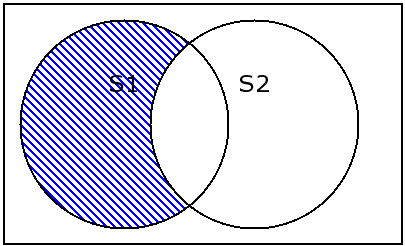
 s1 = {1,2,3,4}

 s2 = {2,4,6,7}

 s3 = a.difference(s2)

 out: {1,3}

 s1.difference_update(s2)

 print(s1)

 out: {1,3}
difference/difference_update
2.3 set.symmetric_difference和set.symmetric_difference_update 交集的补集
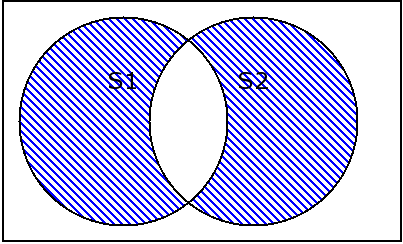
 s1 = {1,2,3,4}

 s2 = {2,4,6,7}

 s3 = s1.symmetric_difference(s2)

 print(s3)

 out: {1, 3, 6, 7}

 s1.symmetric_difference_update(s2)

 print(s1)

 out: {1, 3, 6, 7}
symmetric_difference/symmetric_difference_update
2.4 set.intersection和set.intersection_update 交集
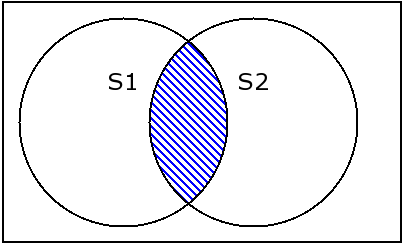
 s1 = {1,2,3,4}

 s2 = {2,4,6,7}

 s3 = s1.intersection(s2)

 print(s3)

 out: {2, 4}

 s1.intersection_update(s2)

 print(s1)

 out: {2, 4}
intersection/intersection_update
2.5 union 全集
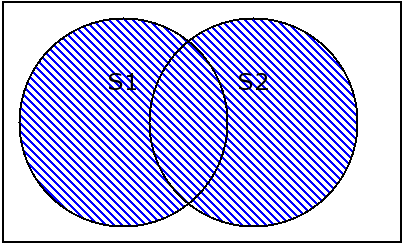
 s1 = {1,2,3,4}

 s2 = {2,4,6,7}

 s3 = s1.union(s2)

 print(s3)

 out: {1, 2, 3, 4, 6, 7}
union
2.6 discard 与 add
discard 移除集合中某个元素,如果元素不存在,do nothing,同remove相比,remove如果元素不存在,会报keyError错误
add 向集合中增加元素,如果元素存在,do nothing。
 s1 = {1,2,3,4}

 s1.discard(1)

 s1.discard(5)

 print(s1)

 out: {2, 3, 4}
discard
 s1 = {1,2,3,4}

 s1.add(2)

 s1.add(5)

 print(s1)

 out: {1, 2, 3, 4, 5}
add
2.7 update
更新集合中的元素,已存在的更新,不存在的新增,更新对象可以是tuple 或者dict
Update a set with the union of itself and others.
2.8 其他(非set必备特性)
li=[1,2,3] # 会执行list的 __init__方法
li() # 会执行li的 __call__方法
list(tuple) 的原理:执行list.__init__ 构造函数,for循环tuple中的元素,然后添加到一个列表中
三、三元运算(或叫三目运算)
三元运算就是对简单的条件语句的缩写。
 # 书写格式

 result = 值1 if 条件 else 值2

 # 如果条件成立,那么将 “值1” 赋值给result变量,否则,将“值2”赋值给result变量
Python菜鸟之路:Python基础(三)的更多相关文章
- python学习之路-day2-pyth基础2
一. 模块初识 Python的强大之处在于他有非常丰富和强大的标准库和第三方库,第三方库存放位置:site-packages sys模块简介 导入模块 import sys 3 sys模 ...
- Python菜鸟之路:Django 路由补充1:FBV和CBV - 补充2:url默认参数
一.FBV和CBV 在Python菜鸟之路:Django 路由.模板.Model(ORM)一节中,已经介绍了几种路由的写法及对应关系,那种写法可以称之为FBV: function base view ...
- Python全栈开发【基础三】
Python全栈开发[基础三] 本节内容: 函数(全局与局部变量) 递归 内置函数 函数 一.定义和使用 函数最重要的是减少代码的重用性和增强代码可读性 def 函数名(参数): ... 函数体 . ...
- Python学习之路-Day2-Python基础2
Python学习之路第二天 学习内容: 1.模块初识 2.pyc是什么 3.python数据类型 4.数据运算 5.bytes/str之别 6.列表 7.元组 8.字典 9.字符串常用操作 1.模块初 ...
- PYTHON学习之路_PYTHON基础(1)
学习内容: 1.Python介绍 2.Python程序初接触和变量 3.Python用户交互 4.Python数据类型 5.Python循环if...(elif)...else 6.Python循环w ...
- python学习之路-day1-python基础1
本节内容: Python介绍 发展史 Python 2 or 3? 安装 Hello World程序 变量 用户输入 模块初识 .pyc是个什么鬼? 数据类型初识 数据运算 表达式if ...else ...
- Python学习之路-Day2-Python基础3
Python学习之路第三天 学习内容: 1.文件操作 2.字符转编码操作 3.函数介绍 4.递归 5.函数式编程 1.文件操作 打印到屏幕 最简单的输出方法是用print语句,你可以给它传递零个或多个 ...
- Python学习之路-Day1-Python基础
学习python的过程: 在茫茫的编程语言中我选择了python,因为感觉python很强大,能用到很多领域.我自己也学过一些编程语言,比如:C,java,php,html,css等.但是我感觉自己都 ...
- Python学习之路1 - 基础入门
本文内容 Python介绍 安装Python解释器 输出 变量 输入 条件判断语句 循环语句 模块讲解 三元运算 字符串和二进制的相互转化 本系列文章使用的Python版本为3.6.2 使用开发工具为 ...
- PYTHON学习之路_PYTHON基础(4)
学习内容: 1.Python函数的基本语法 2.Python函数的返回值与变量 3.Python嵌套函数 4.Python递归函数及实例(二分查找) 5.Python匿名函数 6.Python内置方法 ...
随机推荐
- Angular 学习笔记——$rounte
<!DOCTYPE HTML> <html ng-app="myApp"> <head> <meta http-equiv="C ...
- 【Unity】脚本选择打勾的勾选框隐藏
这个问题事实上已经遇到过好几次了.但又没有特别的须要手动勾选,所以也一直都没在意. 今天研究了一下,原来是由于我删除了Start方法...... 所以.仅仅要脚本中没有Start方法,勾选框就会隐藏掉 ...
- react-native flex 布局 详解
而在React Native中,有4个容器属性,2个项目属性,分别是: 容器属性:flexDirection flexWrap justifyContent alignItems 项目属性( ...
- ios 使用gcd 显示倒计时
__block ;//倒计时时间 dispatch_queue_t queue = dispatch_get_global_queue(DISPATCH_QUEUE_PRIORITY_DEFAULT, ...
- Android文章收藏
Android集 1.Himi李华明的<Android游戏开发专栏>http://blog.csdn.net/column/details/androidgame.html2.老罗的&l ...
- Eclipse更改默认工作环境编码为UTF-8(9.6)
1 window---->preference------>General----->Workspace---->Text file encoding---->Other ...
- C++类型转换运算符 static_cast,dynamic_cast,reinterpret_cast,const_cast
类型转换是一种让程序猿可以临时或永久性改变编译器对对象的解释机制.可改变对象解释方式的运算符称为类型转换运算符. 为何须要进行类型转换 通常为了实现使用不同环境的个人和厂商编写的模块可以相互调用和协作 ...
- windows和linux下目录分隔符兼容问题(换行回车兼容)
windows和linux下目录分隔符兼容 DIRECTORY_SEPARATOR 换行回车兼容 PHP_EOF
- maven+eclipse+mac+tomcat 多模块发布
之前项目中有用到过maven,但是没运行过web的maven,所以这里记录一下. 项目的结构: ---master //parent ---web-project // ---client-proj ...
- Android SDK环境搭建
方法有二 方法一: Android SDK开发包国内下载地址 http://www.cnblogs.com/bjzhanghao/archive/2012/11/14/android-platform ...