
【requireJS源码学习03】细究requireJS的加载流程
前言
这个星期折腾了一周,中间没有什么时间学习,周末又干了些其它事情,这个时候正好有时间,我们一起来继续学习requireJS吧
还是那句话,小钗觉得requireJS本身还是有点难度的,估计完全吸收这个月就过去了,等requireJS学习结束后,我们的学习流程可能就朝两个方向走
① 单页应用框架/UI库整理
② UML文档相关/重构思想相关(软性素质)
然后以上的估计估计会持续3、4个月时间,希望学习下来自己能有不一样的提高,成为一个合格的前端,于是我们继续今天的内容吧
requireJS中的队列
经过之前的学习,我们队requireJS的大概结构以及工作有了一定认识,但是,我们对于其中一些细节点事实上还是不太清晰的,比如里面的队列相关
requireJS中有几种队列,每种队列是干神马的,这些是我们需要挖掘的,而且也是真正理解requireJS实现原理的难点
首先,requireJS有两个队列:
① globalDefQueue / 全局
② defQueue / newContext 闭包
这个队列事实上是一个数组,他们具体干了什么我们还不得而知,但是我下意识觉得他比较关键......
我们这里来简单的理一理这两个队列
globalDefQueue
这个是全局性的队列,与之相关的第一个函数为takeGlobalQueue
takeGlobalQueue
/**

* Internal method to transfer globalQueue items to this context's

* defQueue.

*/

function takeGlobalQueue() {

  //Push all the globalDefQueue items into the context's defQueue

  if (globalDefQueue.length) {

    //Array splice in the values since the context code has a

    //local var ref to defQueue, so cannot just reassign the one

    //on context.

    apsp.apply(defQueue, [defQueue.length - 1, 0].concat(globalDefQueue));

    globalDefQueue = [];

  }

}
这个函数中涉及到了defQueue中的的操作,每一次有效操作后都会将全局队列清空,其中有一个apsp方法这个是数组的splice方法
该函数主要用于将globalDefQueue中的数据导入defQueue,而globalDefQueue只会有可能在define函数出被压入数据,具体原因还得往后看
所以这里的takeGlobalQueue其实就如注释所说,将全局队列中的项目转入context defQueue中
define
第二个涉及globalDefQueue函数为define
/**

* The function that handles definitions of modules. Differs from

* require() in that a string for the module should be the first argument,

* and the function to execute after dependencies are loaded should

* return a value to define the module corresponding to the first argument's

* name.

*/

define = function (name, deps, callback) {

  var node, context;

  //Allow for anonymous modules

  if (typeof name !== 'string') {

    //Adjust args appropriately

    callback = deps;

    deps = name;

    name = null;

  }

  //This module may not have dependencies

  if (!isArray(deps)) {

    callback = deps;

    deps = null;

  }

  //If no name, and callback is a function, then figure out if it a

  //CommonJS thing with dependencies.

  if (!deps && isFunction(callback)) {

    deps = [];

    //Remove comments from the callback string,

    //look for require calls, and pull them into the dependencies,

    //but only if there are function args.

    if (callback.length) {

      callback

                  .toString()

                  .replace(commentRegExp, '')

                  .replace(cjsRequireRegExp, function (match, dep) {

                    deps.push(dep);

                  });

      //May be a CommonJS thing even without require calls, but still

      //could use exports, and module. Avoid doing exports and module

      //work though if it just needs require.

      //REQUIRES the function to expect the CommonJS variables in the

      //order listed below.

      deps = (callback.length === 1 ? ['require'] : ['require', 'exports', 'module']).concat(deps);

    }

  }

  //If in IE 6-8 and hit an anonymous define() call, do the interactive

  //work.

  if (useInteractive) {

    node = currentlyAddingScript || getInteractiveScript();

    if (node) {

      if (!name) {

        name = node.getAttribute('data-requiremodule');

      }

      context = contexts[node.getAttribute('data-requirecontext')];

    }

  }

  //Always save off evaluating the def call until the script onload handler.

  //This allows multiple modules to be in a file without prematurely

  //tracing dependencies, and allows for anonymous module support,

  //where the module name is not known until the script onload event

  //occurs. If no context, use the global queue, and get it processed

  //in the onscript load callback.

  (context ? context.defQueue : globalDefQueue).push([name, deps, callback]);

};
他会根据context是否初始化决定当前键值标识存于哪个队列,据代码看来,如果是标准浏览器应该都会先走globalDefQueue队列
然后就没有然后了,我们接下来再看看吧
defQueue
首先defQueue处于newContext闭包环境中,按照之前的知识来看,newContext每次也只会执行一次,所以这个defQueue以后会被各个函数共享
操作defQueue的第一个函数为
intakeDefines
function intakeDefines() {

  var args;

  //Any defined modules in the global queue, intake them now.

  takeGlobalQueue();

  //Make sure any remaining defQueue items get properly processed.

  while (defQueue.length) {

    args = defQueue.shift();

    if (args[0] === null) {

      return onError(makeError('mismatch', 'Mismatched anonymous define() module: ' + args[args.length - 1]));

    } else {

      //args are id, deps, factory. Should be normalized by the

      //define() function.

      callGetModule(args);

    }

  }

}
引入定义,第一件事情就是将globalDefQueue中的项目移入defQueue中,而后将其中的项目一个个取出并执行callGetModule方法,但是我这里好像都没有效果,这块先忽略之
第二个函数为completeLoad
completeLoad
/**

* Internal method used by environment adapters to complete a load event.

* A load event could be a script load or just a load pass from a synchronous

* load call.

* @param {String} moduleName the name of the module to potentially complete.

*/

completeLoad: function (moduleName) {

  var found, args, mod,

              shim = getOwn(config.shim, moduleName) || {},

              shExports = shim.exports;

  takeGlobalQueue();

  while (defQueue.length) {

    args = defQueue.shift();

    if (args[0] === null) {

      args[0] = moduleName;

      //If already found an anonymous module and bound it

      //to this name, then this is some other anon module

      //waiting for its completeLoad to fire.

      if (found) {

        break;

      }

      found = true;

    } else if (args[0] === moduleName) {

      //Found matching define call for this script!

      found = true;

    }

    callGetModule(args);

  }

  //Do this after the cycle of callGetModule in case the result

  //of those calls/init calls changes the registry.

  mod = getOwn(registry, moduleName);

  if (!found && !hasProp(defined, moduleName) && mod && !mod.inited) {

    if (config.enforceDefine && (!shExports || !getGlobal(shExports))) {

      if (hasPathFallback(moduleName)) {

        return;

      } else {

        return onError(makeError('nodefine',

                                        'No define call for ' + moduleName,

                                        null,

                                        [moduleName]));

      }

    } else {

      //A script that does not call define(), so just simulate

      //the call for it.

      callGetModule([moduleName, (shim.deps || []), shim.exportsFn]);

    }

  }

  checkLoaded();

},
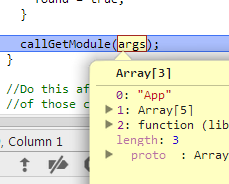
这个会将globalDefQueue中的队列项搞到defQueue中,然后处理一下就调用callgetModule方法,其中参数是这样的

callGetModule
function callGetModule(args) {

  //Skip modules already defined.

  if (!hasProp(defined, args[0])) {

    getModule(makeModuleMap(args[0], null, true)).init(args[1], args[2]);

  }

}
这个时候就会由全局registry中获取当前的模块了,然后执行他的init方法,这里会加载script标签,将其依赖项载入,这里还会涉及到registry的操作,我们放到后面来学习
而completeLoad是在script标签加载结束后调用的方法
/**

* callback for script loads, used to check status of loading.

*

* @param {Event} evt the event from the browser for the script

* that was loaded.

*/

onScriptLoad: function (evt) {

  //Using currentTarget instead of target for Firefox 2.0's sake. Not

  //all old browsers will be supported, but this one was easy enough

  //to support and still makes sense.

  if (evt.type === 'load' ||

            (readyRegExp.test((evt.currentTarget || evt.srcElement).readyState))) {

    //Reset interactive script so a script node is not held onto for

    //to long.

    interactiveScript = null;

    //Pull out the name of the module and the context.

    var data = getScriptData(evt);

    context.completeLoad(data.id);

  }

},
所以我们这里来重新整理下requireJS的执行流程(可能有误)
① 引入requireJS标签后,首先执行一些初始化操作
② 执行req({})初始化newContext,并且保存至contexts对象中
③ 执行req(cfg),将读取的data-main属性并且封装为参数实例化模块
④ 执行main.js中的逻辑,执行require时候,会一次加载name与say
⑤ 调用依赖时候会根据define进行设置将加载好的标签引入键值对应关系,执行点是load事件
所以关键点再次回到了main.js加载之后做的事情
require方法
经过之前的学习,面对requireJS我们大概知道了以下事情
① require是先将依赖项加载结束,然后再执行后面的函数回调
首先第一个就是一个难点,因为require现在是采用script标签的方式引入各个模块,所以我们不能确定何时加载结束,所以这里存在一个复杂的判断以及缓存
② 依赖列表以映射的方式保存对应的模块,事实上返回的是一个执行后的代码,返回可能是对象可能是函数,可能什么也没有(不标准)
这个也是一块比较烦的地方,意味着,每一个define模块都会维护一个闭包,而且多数时候这个闭包是无法释放的,所以真正大模块的单页应用有可能越用越卡
面对这一问题,一般采用将大项目分频道的方式,以免首次加载过多的资源,防止内存占用过度问题
③ 加载模块时候会创建script标签,这里为其绑定了onload事件判断是否加载结束,若是加载结束,会在原来的缓存模块中找到对应模块并且为其赋值,这里又是一个复杂的过程
require的整体理解之所以难,我觉得就是难在异步加载与循环依赖一块,异步加载导致程序比较晦涩
所以我们再次进入程序看看,这一切是如何发生的,这里先以main.js为例
再说main模块的加载
经过之前的学习,main模块加载之前会经历如下步骤
① require调用req({})初始化一个上下文环境(newContext)
② 解析页面script标签,碰到具有data-main属性的标签便停下,并且解析他形成第一个配置项调用req(cfg)
③ 内部调用统一入口requirejs,并取出上文实例化后的上下文环境(context),执行其require方法
④ 内部调用localRequire(makeRequire)方法,这里干了比较重要的事情实例化模块
⑤ 模块的实例化发生在localRequire中,这里的步骤比较关键
首先,这里会调用nextTick实际去创建加载各个模块的操作,但是这里有一个settimeout就比较麻烦了,所有的操作会抛出主干流程之外
这样做的意义我暂时不能了解,可能这段逻辑会异步加载script标签,若是不抛到主干流程外会有问题吧,若是您知道请告知
nextTick使用 settimeout 的原因不明,待解决/经测试不加延时可能导致加载顺序错乱
我们这里干一件不合理的事情,将nexttick的延时给去掉试试整个逻辑
req.nextTick = typeof setTimeout !== 'undefined' ? function (fn) {

  setTimeout(fn, 4);

} : function (fn) { fn(); };

req.nextTick = function (fn){ fn();};
如此,除了script加载一块就不再具有异步的问题了,这里我们来从新理一理
深入req(cfg)
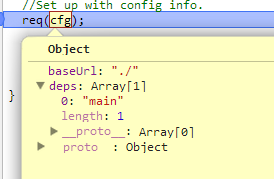
第一步调用req(cfg)
第二步处理参数并且调用require

可以看到,经过require.config(config)的处理,相关的参数已经放到了实例里面
第三步调用localRequire,并且进入nextTick流程,一个要注意的地方是这里的this指向的是context
第四步执行intakeDefines,将全局的依赖装入,这里是没有的
第五步实例化模块(makeModuleMap),建立映射关系,最后会返回类似这样的东西
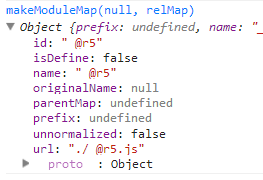
第六步便将此映射关系传入getModule建立相关模块,然后传入该映射关系对象建立模块,Module类根据参数对象作简单初始化便返回
第七步调用mod的init方法真正操作该模块,这里会执行加载逻辑Module的init方法,最后会到context的load方法加载script标签,值得注意的是加载结束后这里会绑定onScriptLoad方法
第八步加载成功后会调用context.completeLoad(data.id)方法
因为之前定义过该模块了,这里只是将其取出(mod = getOwn(registry, moduleName))然后再调用其模块init方法又会走一连串逻辑,最后再check一块结束
if (this.map.isDefine && !this.ignore) {

  defined[id] = exports;

  if (req.onResourceLoad) {

    req.onResourceLoad(context, this.map, this.depMaps);

  }

}
因为每一个加载模块都会定义一个事件,在其实际加载结束后会执行之
if (this.defined && !this.defineEmitted) {

  this.defineEmitted = true;

  this.emit('defined', this.exports);

  this.defineEmitComplete = true;

}
最后会调用checkLoaded检查是否还有未加载的模块,总之这步结束后基本上就main.js就加载结束了,这个由全局contexts中的defined对象可以看出
这里仍然有一块比较难,因为在main.js加载结束前还未执行其load事件,其下一步的require流程又开始了
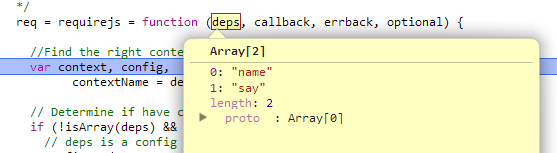
contexts._.defined

Object {}
这个时候全局的defined还没有东西呢,所以他这里会有一个状态机做判断,否则最后不会只是main.js中的fn
require(['name', 'say'], function (name, say) {

  say(name);

});
他们判断的方式就是不停的check,不停的check,直到加载成功结束
main.js中的require
因为main模块并不具有模块,所以其执行逻辑还是稍有不同的,我们现在将关注点放到main.js中的require相关逻辑
require(['name', 'say'], function (name, say) {

  say(name);

});
首次进入这个逻辑时候事实上main.js的onload事件并未执行,所以全局contexts._.defined对象依旧为空,这里进入了实际模块的加载逻辑既有依赖项又有回调
PS:这里有一个比较有意思的做法就是将原来的nextTick的settimeout干掉这里的情况会有所不同
依旧进入context.require流程
return context.require(deps, callback, errback);
期间会碰到main.js onload事件触发,并导致
contexts._.defined => Object {main: undefined}
第二步便是这里的会创建一个模块,这个与,而后调用其init方法,这里需要注意的是传入了deps(name, say)依赖,所以这里的depMaps便不为空了
并且这里将当前回调传给factory,并且将依赖的name与say模块保存
this.factory = factory;
this.depMaps = depMaps && depMaps.slice(0);
进入enable流程,首先注册当前对象之闭包(newContext)enableRegistry中
这里有一个操作是如果具有依赖关系,我们这里便依赖于say以及name会执行一个逻辑
//Enable each dependency

each(this.depMaps, bind(this, function (depMap, i) {

  var id, mod, handler;

  if (typeof depMap === 'string') {

    //Dependency needs to be converted to a depMap

    //and wired up to this module.

    depMap = makeModuleMap(depMap,

                                  (this.map.isDefine ? this.map : this.map.parentMap),

                                  false,

                                  !this.skipMap);

    this.depMaps[i] = depMap;

    handler = getOwn(handlers, depMap.id);

    if (handler) {

      this.depExports[i] = handler(this);

      return;

    }

    this.depCount += 1;

    on(depMap, 'defined', bind(this, function (depExports) {

      this.defineDep(i, depExports);

      this.check();

    }));

    if (this.errback) {

      on(depMap, 'error', bind(this, this.errback));

    }

  }

  id = depMap.id;

  mod = registry[id];

  //Skip special modules like 'require', 'exports', 'module'

  //Also, don't call enable if it is already enabled,

  //important in circular dependency cases.

  if (!hasProp(handlers, id) && mod && !mod.enabled) {

    context.enable(depMap, this);

  }

}));
循环的载入其依赖项,并形成模块,这里都会搞进enableRegistry中,比如这段逻辑结束前后有所不同

事实上对应模块初始化已经结束,进入了script待加载逻辑,只不过暂时卡到这里了......

然后这里会进入其check逻辑,由于这里defineDep等于2所以不会执行函数回调,而直接跳出,这里有一个关键便是我们的Registry未被清理
以上逻辑只是在main.js中require方法执行后所执行的逻辑,确切的说是这段代码所执行的逻辑
requireMod.init(deps, callback, errback, {

  enabled: true

});
然后会执行一个checkLoaded方法检测enabledRegistry中未加载完成的模块并且进行清理,这段逻辑比较关键
function checkLoaded() {

  var map, modId, err, usingPathFallback,

            waitInterval = config.waitSeconds * 1000,

  //It is possible to disable the wait interval by using waitSeconds of 0.

            expired = waitInterval && (context.startTime + waitInterval) < new Date().getTime(),

            noLoads = [],

            reqCalls = [],

            stillLoading = false,

            needCycleCheck = true;

  //Do not bother if this call was a result of a cycle break.

  if (inCheckLoaded) {

    return;

  }

  inCheckLoaded = true;

  //Figure out the state of all the modules.

  eachProp(enabledRegistry, function (mod) {

    map = mod.map;

    modId = map.id;

    //Skip things that are not enabled or in error state.

    if (!mod.enabled) {

      return;

    }

    if (!map.isDefine) {

      reqCalls.push(mod);

    }

    if (!mod.error) {

      //If the module should be executed, and it has not

      //been inited and time is up, remember it.

      if (!mod.inited && expired) {

        if (hasPathFallback(modId)) {

          usingPathFallback = true;

          stillLoading = true;

        } else {

          noLoads.push(modId);

          removeScript(modId);

        }

      } else if (!mod.inited && mod.fetched && map.isDefine) {

        stillLoading = true;

        if (!map.prefix) {

          //No reason to keep looking for unfinished

          //loading. If the only stillLoading is a

          //plugin resource though, keep going,

          //because it may be that a plugin resource

          //is waiting on a non-plugin cycle.

          return (needCycleCheck = false);

        }

      }

    }

  });

  if (expired && noLoads.length) {

    //If wait time expired, throw error of unloaded modules.

    err = makeError('timeout', 'Load timeout for modules: ' + noLoads, null, noLoads);

    err.contextName = context.contextName;

    return onError(err);

  }

  //Not expired, check for a cycle.

  if (needCycleCheck) {

    each(reqCalls, function (mod) {

      breakCycle(mod, {}, {});

    });

  }

  //If still waiting on loads, and the waiting load is something

  //other than a plugin resource, or there are still outstanding

  //scripts, then just try back later.

  if ((!expired || usingPathFallback) && stillLoading) {

    //Something is still waiting to load. Wait for it, but only

    //if a timeout is not already in effect.

    if ((isBrowser || isWebWorker) && !checkLoadedTimeoutId) {

      checkLoadedTimeoutId = setTimeout(function () {

        checkLoadedTimeoutId = 0;

        checkLoaded();

      }, 50);

    }

  }

  inCheckLoaded = false;

}
他首先会遍历enableRegistry取出其中定义的模块,并且将没有加载成功的模块标识注入noLoads数组,如果过期了这里就会报错
如果上述没问题还会做循环依赖的判断,主要逻辑在breakCycle中,因为我们这里不存在循环依赖便跳出了,但还未结束
我们这里开始了递归检测依赖是否载入
if ((!expired || usingPathFallback) && stillLoading) {

  //Something is still waiting to load. Wait for it, but only

  //if a timeout is not already in effect.

  if ((isBrowser || isWebWorker) && !checkLoadedTimeoutId) {

    checkLoadedTimeoutId = setTimeout(function () {

      checkLoadedTimeoutId = 0;

      checkLoaded();

    }, 50);

  }

}
如果模块没有载入,这里就会一直继续,直到所有模块加载结束,其判断点又在各个define方法中,define方法会根据键值改变对应模块的标识值
几个关键判断点为:
① checkLoadedTimeoutId
② inCheckLoaded
③ stillLoading
但是最终的判断点事实上来源与mod的mod.inited/fetched/isDefine等属性,所以我们这里需要来理一理
首次模块执行init方法时会执行
this.inited = true;
因为初始化时候动态的传入了enabled为true所以首次会执行enable逻辑
//nextTick

requireMod.init(deps, callback, errback, {

  enabled: true

});

if (options.enabled || this.enabled) {

  //Enable this module and dependencies.

  //Will call this.check()

  this.enable();

} else {

  this.check();

}
于是达成enabled为true的条件,这里并且会为该模块的依赖执行enable操作,并且为其支持defined事件在加载结束后会触发之
each(this.depMaps, bind(this, function (depMap, i) {

  var id, mod, handler;

  if (typeof depMap === 'string') {

    //Dependency needs to be converted to a depMap

    //and wired up to this module.

    depMap = makeModuleMap(depMap,

                                  (this.map.isDefine ? this.map : this.map.parentMap),

                                  false,

                                  !this.skipMap);

    this.depMaps[i] = depMap;

    handler = getOwn(handlers, depMap.id);

    if (handler) {

      this.depExports[i] = handler(this);

      return;

    }

    this.depCount += 1;

    on(depMap, 'defined', bind(this, function (depExports) {

      this.defineDep(i, depExports);

      this.check();

    }));

    if (this.errback) {

      on(depMap, 'error', bind(this, this.errback));

    }

  }

  id = depMap.id;

  mod = registry[id];

  //Skip special modules like 'require', 'exports', 'module'

  //Also, don't call enable if it is already enabled,

  //important in circular dependency cases.

  if (!hasProp(handlers, id) && mod && !mod.enabled) {

    context.enable(depMap, this);

  }

}));
这里的逻辑比较关键,而后才执行该模块的check方法
PS:读到这里,才大概对requireJS的逻辑有一定认识了
跳入check方法后便会将defining设置为true因为这里的依赖项未载入结束,所以这里的depCount为2,所以不会触发
this.defined = true;
所以下面的递归settimeout会一直执行,直到成功或者超时,这里我们进入define相关流程
define方法
这里以say为例,在加载文件结束时候会触发其define方法,这里主要向globalDefQueue中插入当前模块的队列,而这里上面做过介绍
而这里的关键会在script标签执行onload事件时候将全局队列的东西载入context.defQueue
而这个时候又会根据相关的映射id(由event参数获取),实例化相关模块(事实上是取得当前模块,之前已经实例化),这个时候又会进入check逻辑,这个时候是say模块的check逻辑
say无依赖,并且加载结束,这里会将当前模块与其返回值做依赖,这里是一个函数,这里factory与exports的关系是

然后会将当前键值右Registry相关删除,完了便会进入下面的逻辑,值得注意的是这里会触发前面为say模块注册的defined事件
PS:这里一定要注意,这里的say模块里面定义的家伙被执行了!!!
//注册点

on(depMap, 'defined', bind(this, function (depExports) {

  this.defineDep(i, depExports);

  this.check();

}));

//触发点

this.emit('defined', this.exports);

//关键点,用于消除依赖

this.defineDep(i, depExports);
所以,我们的整体逻辑基本出来了
结语
最后,我们来一次总结,对初次的requireJS学习画下一个初步的句点
① requireJS会初始化一个默认上下文出来
req({}) => newContext
② 加载main.js,main.js与基本模块不太一致,加载结束便会执行里面逻辑对主干流程没有太大影响
③ 执行main.js中的require.config配置,最后调用require方法
④ 调用时候会将数组中的依赖项载入,并且实例化一个匿名模块出来(mod)
因为主干(匿名)模块依赖于say与name,所以会在enable中实例化两个模块并且将当前实例depCount设置为2
⑤ 各个依赖模块也会执行加载操作,say以及name,若是有依赖关系会循环执行enable
⑥ 会执行主干模块的check操作由于depCount为2便执行其它逻辑,这里为其注册了defined事件
⑦ 执行checkLoaded方法,这里会开始递归的检查模块是否加载结束,一定要在主干模块depCount为0 时候才会执行其回调,并且会传入say与name返回值做参数
⑧ 当模块加载结束后会触发其onScriptLoad => completeLoad事件
⑨ 因为各个define模块会想全局队列压入标识的值,并且会根据他获取相关模块并且执行其init事件
10 这个时候会执行模块的实例化init方法,并且会检测该模块的依赖,say没有依赖便继续向下,将其factory方法执行回指exports(具有参数,参数是依赖项)
PS:其依赖项是在解除依赖时候注入的defineDep
11 最后所有依赖模块加载时候,最后主干的depCount也就变成了0了,这个时候便会执行类似say的逻辑触发回调
这里的关键就是,加载主干模块时候会检查器依赖项,并且为每一个依赖项注册defined事件,其事件又会执行check方法
这也意味着,每一个依赖模块检查成功事实上都有可能执行主干流程的回调,其条件是主干的depCount为0,这块就是整个requireJS的难点所在......
几个关键便是
① require时候的模块定义以及为其注册事件
② 文件加载结束define将该模块压入全局队列
③ script加载成功后触发全局队列的检查
④ 各个子模块加载结束,并且接触主模块依赖执,并且将自我返回值赋予行主模块实例数组depExports
⑤ 当主模块depCount为0 时候终于便可以触发了,于是逻辑结束
最后,小钗浑浑噩噩的初步学习requireJS结束,感觉有点小难,等后面技术有所提高后便再学习吧
【requireJS源码学习03】细究requireJS的加载流程的更多相关文章
- requireJS 源码(二) data-main 的加载实现
(一)requireJs 的整体结构: requireJS 源码 前192行,是一些 变量的声明,工具函数的实现 以及 对 三个全局变量(requirejs,require,define)若被占用后的 ...
- angular源码分析:angular的整个加载流程
在前面,我们讲了angular的目录结构.JQLite以及依赖注入的实现,在这一期中我们将重点分析angular的整个框架的加载流程. 一.从源代码的编译顺序开始 下面是我们在目录结构哪一期理出的an ...
- 【小盘子看源码-MyBatis-1】MyBatis配置文件的加载流程
众所周知,Mybatis有一个全局的配置,在程序启动时会加载XML配置文件,将配置信息映射到org.apache.ibatis.session.Configuration类中,例如如下配置文件. &l ...
- requireJS 源码(三) data-main 的加载实现
(一)入口 通过 data-main 去加载 JS 模块,是通过 req(cfg) 入口去进行处理的. 为了跟踪,你可以在此 加断点 进行调试跟踪. (二) req({ })执行时,functio ...
- Spring源码学习(一)资源加载
这里先从最简单的一个Spring例子开始. 下面是Spring的context的配置 <?xml version="1.0" encoding="UTF-8&quo ...
- [源码解析] PyTorch 分布式(1) --- 数据加载之DistributedSampler
[源码解析] PyTorch 分布式(1) --- 数据加载之DistributedSampler 目录 [源码解析] PyTorch 分布式(1) --- 数据加载之DistributedSampl ...
- [源码解析] PyTorch 分布式(2) --- 数据加载之DataLoader
[源码解析] PyTorch 分布式(2) --- 数据加载之DataLoader 目录 [源码解析] PyTorch 分布式(2) --- 数据加载之DataLoader 0x00 摘要 0x01 ...
- 【iScroll源码学习03】iScroll事件机制与滚动条的实现
前言 想不到又到周末了,周末的时间要抓紧学习才行,前几天我们学习了iScroll几点基础知识: 1. [iScroll源码学习02]分解iScroll三个核心事件点 2. [iScroll源码学习01 ...
- 【requireJS源码学习01】了解整个requireJS的结构
前言 现在工作中基本离不开requireJS这种模块管理工具了,之前一直在用,但是对其原理不甚熟悉,整两天我们来试着学习其源码,而后在探寻其背后的AMD思想吧 于是今天的目标是熟悉requireJS整 ...
随机推荐
- IL指令汇总
名称 说明 名称 说明 Add 将两个值相加并将结果推送到计算堆栈上. Ldelem.I1 将位于指定数组索引处的 int8 类型的元素作为 int32 加载到计算堆栈的顶部. Add.Ovf ...
- C#设计模式系列:策略模式(Strategy)
1.策略模式简介 1.1>.定义 策略是为达到某一目的而采取的手段或方法,策略模式的本质是目标与手段的分离,手段不同而最终达成的目标一致.客户只关心目标而不在意具体的实现方法,实现方法要根据具体 ...
- Mesh Data Structure in OpenCascade
Mesh Data Structure in OpenCascade eryar@163.com 摘要Abstract:本文对网格数据结构作简要介绍,并结合使用OpenCascade中的数据结构,将网 ...
- bootstrap 学习
<!DOCTYPE html> <html> <head> <title>Bootstrap</title> <meta name=& ...
- 深入理解DOM事件机制系列第三篇——事件对象
× 目录 [1]获取 [2]事件类型 [3]事件目标[4]事件代理[5]事件冒泡[6]事件流[7]默认行为 前面的话 在触发DOM上的某个事件时,会产生一个事件对象event,这个对象中包含着所有与事 ...
- IOS数据存储之FMDB数据库
前言: 最近几天一直在折腾数据库存储,之前文章(http://www.cnblogs.com/whoislcj/p/5485959.html)介绍了Sqlite 数据库,SQLite是一种小型的轻量级 ...
- Android标题栏上添加多个Menu按钮
最近项目中碰到要在Android Menu旁边再添加一个按钮,而不是点击menu按钮然后在弹出一些选项. MainActivity代码: public class MainActivity exten ...
- jQuery架构剖析
对于jQuery的整体架构,经典之处有三: 1.jQuery的无new构建 2.jQuery的链式调用 3.jQuery的插件接口 想必兄弟姐妹们也觉得这架构不错哈,但有时又畏惧去拜读大量的jQuer ...
- MyCAT常用分片规则之分片枚举
MyCAT支持多种分片规则,下面测试的这种是分片枚举.适用场景,列值的个数是固定的,譬如省份,月份等. 在这里,需定义三个值,规则均是在rule.xml中定义. 1. tableRule 2. fun ...
- 恢复MySQL主从数据一致性的总结
今日上午,同事告知,MySQL主从数据库的数据不一致,猜测备库在同步过程中出现了问题,于是,登上备库,使用 mysql> show slave status\G查看,果然,备库在insert语句 ...