
JAVAEE学习——struts2_03:OGNL表达式、OGNL与Struts2的结合和练习:客户列表
一、OGNL表达式
1.简介
OGNL:对象视图导航语言. ${user.addr.name} 这种写法就叫对象视图导航。
OGNL不仅仅可以视图导航.支持比EL表达式更加丰富的功能。
2.使用OGNL准备工作
2.1导包
struts2 的包中已经包含了.所以不需要导入额外的jar包
2.2代码准备
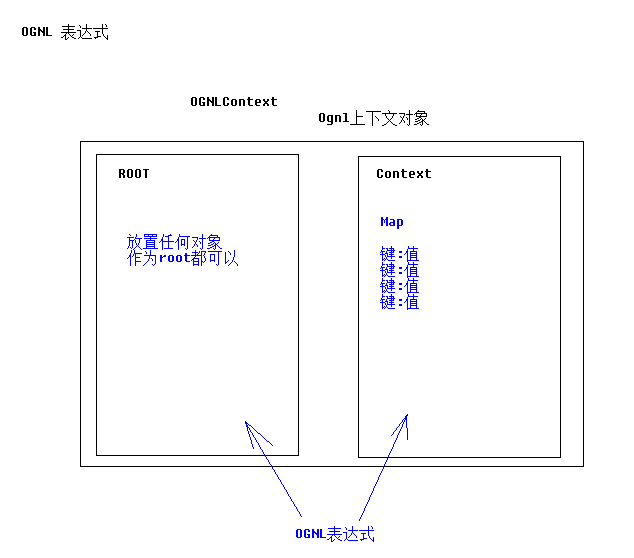
    @Test

    //准备工作

    public void fun1() throws Exception{

        //准备OGNLContext

            //准备Root

            User rootUser = new User("tom",18);

            //准备Context

            Map<String,User> context = new HashMap<String,User>();

            context.put("user1", new User("jack",18));

            context.put("user2", new User("rose",22));

        OgnlContext oc = new OgnlContext();

        //将rootUser作为root部分

        oc.setRoot(rootUser);

        //将context这个Map作为Context部分

        oc.setValues(context);

        //书写OGNL

        Ognl.getValue("", oc, oc.getRoot());

    }
准备工作
3.基本语法演示
        //取出root中user对象的name属性

        String name = (String) Ognl.getValue("name", oc, oc.getRoot());

        Integer age = (Integer) Ognl.getValue("age", oc, oc.getRoot());

        System.out.println(name);

        System.out.println(age);
取出root中的属性值
        //取出context中键为user1对象的name属性

        String name = (String) Ognl.getValue("#user1.name", oc, oc.getRoot());

        String name2 = (String) Ognl.getValue("#user2.name", oc, oc.getRoot());

        Integer age = (Integer) Ognl.getValue("#user2.age", oc, oc.getRoot());

        System.out.println(name);

        System.out.println(name2);

        System.out.println(age);
取出context中的属性值
        //将root中的user对象的name属性赋值

        Ognl.getValue("name='jerry'", oc, oc.getRoot());

        String name = (String) Ognl.getValue("name", oc, oc.getRoot());

        String name2 = (String) Ognl.getValue("#user1.name='郝强勇',#user1.name", oc, oc.getRoot());

        System.out.println(name);

        System.out.println(name2);
为属性赋值
        //调用root中user对象的setName方法

        Ognl.getValue("setName('lilei')", oc, oc.getRoot());

        String name = (String) Ognl.getValue("getName()", oc, oc.getRoot());

        String name2 = (String) Ognl.getValue("#user1.setName('lucy'),#user1.getName()", oc, oc.getRoot());

        System.out.println(name);

        System.out.println(name2);
调用方法
        String name = (String) Ognl.getValue("@cn.itheima.a_ognl.HahaUtils@echo('hello 强勇!')", oc, oc.getRoot());

        //Double pi = (Double) Ognl.getValue("@java.lang.Math@PI", oc, oc.getRoot());

        Double pi = (Double) Ognl.getValue("@@PI", oc, oc.getRoot());

        System.out.println(name);

        System.out.println(pi);
调用静态方法
        //创建list对象

        Integer size = (Integer) Ognl.getValue("{'tom','jerry','jack','rose'}.size()", oc, oc.getRoot());

        String name = (String) Ognl.getValue("{'tom','jerry','jack','rose'}[0]", oc, oc.getRoot());

        String name2 = (String) Ognl.getValue("{'tom','jerry','jack','rose'}.get(1)", oc, oc.getRoot());

        /*System.out.println(size);

        System.out.println(name);

        System.out.println(name2);*/

        //创建Map对象

        Integer size2 = (Integer) Ognl.getValue("#{'name':'tom','age':18}.size()", oc, oc.getRoot());

        String name3  = (String) Ognl.getValue("#{'name':'tom','age':18}['name']", oc, oc.getRoot());

        Integer age  = (Integer) Ognl.getValue("#{'name':'tom','age':18}.get('age')", oc, oc.getRoot());

        System.out.println(size2);

        System.out.println(name3);

        System.out.println(age);
ognl创建对象-list|map
二、OGNL与Struts2的结合
1.结合原理

ValueStack中的两部分

2.栈原理

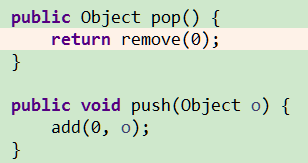
栈是由ArrayList模拟的

栈中的两个方法的实现
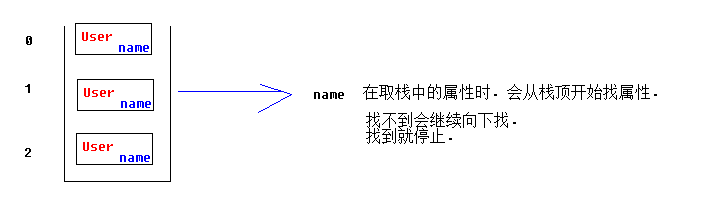
访问栈中属性的特点.由上到下
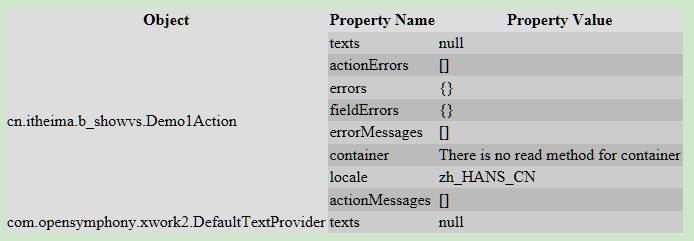
3.查看值栈中两部分内容(使用DEBUG标签)
3.1Root
默认情况下,栈中放置当前访问的Action对象
3.2Context
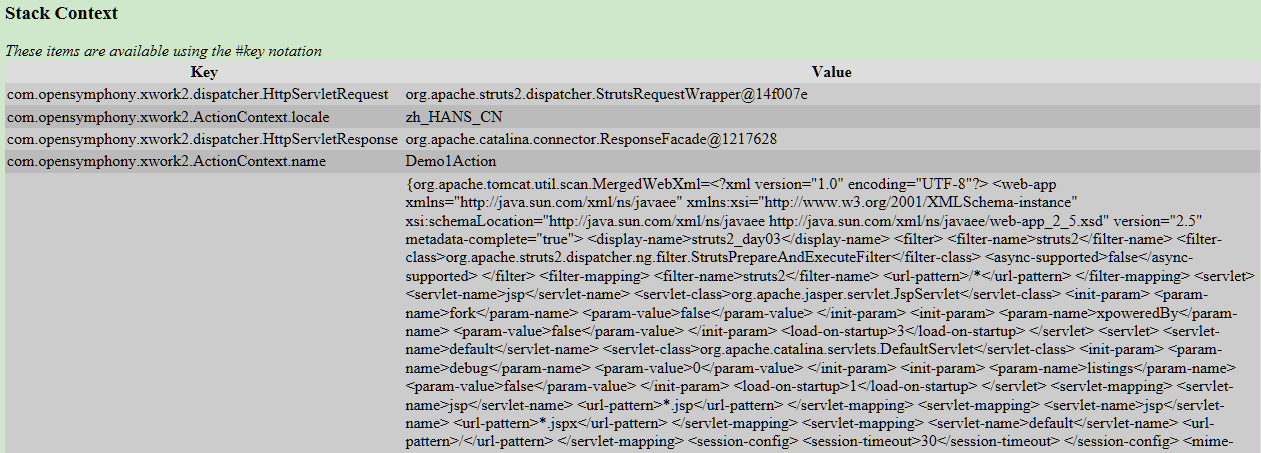

Context部分就是ActionContext数据中心
4.struts2与ognl结合体现
4.1参数接收

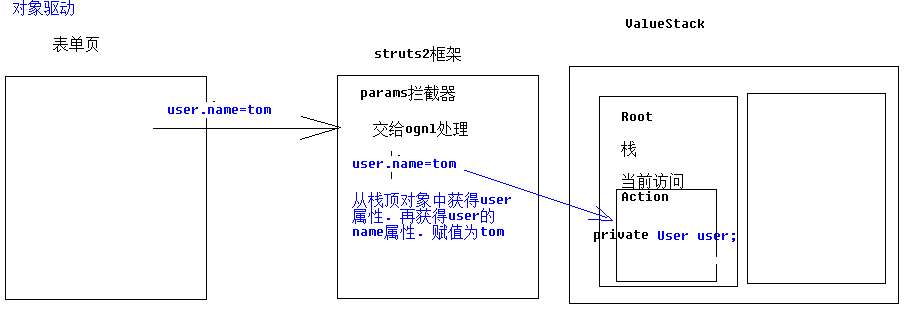

如何获得值栈对象,值栈对象与ActionContext对象是互相引用的
        //压入栈顶

        //1获得值栈

        ValueStack vs = ActionContext.getContext().getValueStack();

        //2将u压入栈顶

        vs.push(u);
4.2配置文件中
<action name="Demo3Action" class="cn.itheima.d_config.Demo3Action" method="execute" >

            <result name="success" type="redirectAction" >

                <param name="actionName">Demo1Action</param>

                <param name="namespace">/</param>

                <!-- 如果添加的参数struts"看不懂".就会作为参数附加重定向的路径之后.

                     如果参数是动态的.可以使用${}包裹ognl表达式.动态取值

                 -->

                <param name="name">${name}</param>

            </result>

        </action>
语法:${ognl表达式}
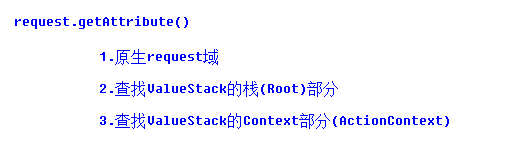
5.扩展:request对象的getAttribute方法
查找顺序:
三、练习:客户列表
    public String list() throws Exception {

        //1 接受参数

        String cust_name = ServletActionContext.getRequest().getParameter("cust_name");

        //2 创建离线查询对象

        DetachedCriteria dc =DetachedCriteria.forClass(Customer.class);

        //3 判断参数拼装条件

        if(StringUtils.isNotBlank(cust_name)){

            dc.add(Restrictions.like("cust_name", "%"+cust_name+"%"));

        }

        //4 调用Service将离线对象传递

        List<Customer> list = cs.getAll(dc);

        //5 将返回的list放入request域.转发到list.jsp显示

        //ServletActionContext.getRequest().setAttribute("list", list);

        // 放到ActionContext

        ActionContext.getContext().put("list", list);

        return "list";

    }
Action代码(新增ActionContext存放数据)
<s:iterator value="#list" var="cust" >
<TR
style="FONT-WEIGHT: normal; FONT-STYLE: normal; BACKGROUND-COLOR: white; TEXT-DECORATION: none">
<TD>
<s:property value="#cust.cust_name" />
</TD>
<TD>
<s:property value="#cust.cust_level" />
</TD>
<TD>
<s:property value="#cust.cust_source" />
</TD>
<TD>
<s:property value="#cust.cust_linkman" />
</TD>
<TD>
<s:property value="#cust.cust_phone" />
</TD>
<TD>
<s:property value="#cust.cust_mobile" />
</TD>
<TD>
<a href="${pageContext.request.contextPath }/customerServlet?method=edit&custId=${customer.cust_id}">修改</a>
<a href="${pageContext.request.contextPath }/customerServlet?method=delete&custId=${customer.cust_id}">删除</a>
</TD>
</TR>
</s:iterator>
<%-- <s:iterator value="#list" >
<TR
style="FONT-WEIGHT: normal; FONT-STYLE: normal; BACKGROUND-COLOR: white; TEXT-DECORATION: none">
<TD>
<s:property value="cust_name" />
</TD>
<TD>
<s:property value="cust_level" />
</TD>
<TD>
<s:property value="cust_source" />
</TD>
<TD>
<s:property value="cust_linkman" />
</TD>
<TD>
<s:property value="cust_phone" />
</TD>
<TD>
<s:property value="cust_mobile" />
</TD>
<TD>
<a href="${pageContext.request.contextPath }/customerServlet?method=edit&custId=${customer.cust_id}">修改</a>
<a href="${pageContext.request.contextPath }/customerServlet?method=delete&custId=${customer.cust_id}">删除</a>
</TD>
</TR>
</s:iterator> --%>
JSP显示数据的代码(注释的是另一种方法)
注意:<s:iterator value="#list" var="cust" > 每次都会把cust存在ActionContext中
JAVAEE学习——struts2_03:OGNL表达式、OGNL与Struts2的结合和练习:客户列表的更多相关文章
- JSTL标签,EL表达式,OGNL表达式,struts2标签 汇总
一下纯属个人总结摘抄,总结一起方便查看,解决疑问,有遗漏或错误,还请指出. 1,JSTL标签总结: a).JSTL标签有什么用? JSTL是由JCP(Java Commu ...
- OGNL表达式struts2标签“%,#,$”
一.什么是OGNL,有什么特点? OGNL(Object-Graph Navigation Language),大概可以理解为:对象图形化导航语言.是一种可以方便地操作对象属性的开源表达式语言.OGN ...
- struts2中使用ognl表达式时各种符号的使用规则$,#,%
OGNL表达式struts2标签“%,#,$” 一.什么是OGNL,有什么特点? OGNL(Object-Graph Navigation Language),大概可以理解为:对象图形化导航语言.是一 ...
- struts2:OGNL表达式之#、%、$符号运用
1. OGNL表达达符号"#" 1.1 #用于访问OGNL上下文和Action上下文,#相当于ActionContext.getContext() 注意:当系统创建了Action实 ...
- Struts2 OGNL表达式、ValueStack
OGNL简介 OGNL,即Object-Graph Navigation Language,对象视图导航语言,是一种数据访问语言,比EL表达式更加强大: EL只能从11个内置对象中取值,且只能获取属性 ...
- java之struts2之OGNL表达式
struts2推荐使用ognl表达式 ognl: object graph navigation language 对象导航图语言 如:school.teacher.address="北京& ...
- struts2-OGNL表达式-OGNL与Struts2的结合
1 OGNL表达式 OGNL:对象视图导航语言. ${user.addr.name} 这种写法就叫对象视图导航.OGNL不仅仅可以视图导航.支持比EL表达式更加丰富的功能. 1.1 使用OGNL 导包 ...
- 2018.11.24 struts2中的OGNL表达式及两者的结合
OGNL表达式 OGNL:对象视图导航语言. ${user.addr.name} 这种写法就叫对象视图导航. OGNL不仅仅可以视图导航.支持比EL表达式更加丰富的功能. 理解图示 使用OGNL准备工 ...
- Ognl表达式基本原理和使用方法
Ognl表达式基本原理和使用方法 1.Ognl表达式语言 1.1.概述 OGNL表达式 OGNL是Object Graphic Navigation Language(对象图导航语言)的缩写,他是一个 ...
随机推荐
- PHP命名空间理解
这玩意就是路径! 这玩意就是路径! 这玩意就是路径! 这玩意就是路径! 这玩意就是路径! use 就是声明要用某个路径的文件(类) 再有namespace的情况下,就类似于已经在一个路径里了 这个时候 ...
- Vue 项目实战系列 (一)
最近一直在学习Vue,基本的文档看完后就需要进行具体的项目进行练手了,本系列文章主要是将我学习过程记录下来,和大家一起学习交流. 我在git上找到了一个淘票票的Vue项目,项目地址: https:// ...
- Omi树组件omi-tree编写指南
Omi框架能够以少量的代码声明式地编写可拖拽移动节点的树形组件. 通常树组件能够考验UI框架的健壮性,因为需要使用到UI框架的如下特性: 组件嵌套 组件传值 组件批量传值 组件依赖自身递归嵌套(nes ...
- windows10 建立ODBC数据源
为了使用dbExportDoc导出数据库表结构工具,需要建立windows 的ODBC源. 1.安装(如果已经安装oracle客户端则不必执行) instantclient-basic-windows ...
- WPF 自定义ColorDialog DropDownCustomColorPicker
今天分享一个 WPF 版的ColorDialog,该控件源自 这里,不过笔者已经该控件做了大量的修改工作,以适应自己的产品需求,闲话少说,先看看效果图: 1.DropDownCustomColorPi ...
- Azure Event Bus 技术研究系列1-Event Hub入门篇
前两个系列研究了Azure IoT Hub和Azure Messaging.最近准备继续研究Azure Event Bus,即Azure的事件中心.首先, Azure Event Hub的官方介绍: ...
- SQLServer中使用扩展事件获取Session级别的等待信息以及SQLServer 2016中Session级别等待信息的增强
本文出处:http://www.cnblogs.com/wy123/p/6835939.html 什么是等待 简单说明一下什么是等待:当应用程序对SQL Server发起一个Session请求的时候, ...
- OC—Setter、Getter
一.本篇以Setter和Getter 来进行成员变量的赋值. 二.Setter 与 Getter 1. 命名规范 为对象中的某个实例变量赋值的方法称为修改方法,用来修改对象的状态这类修改方法称为set ...
- 文本主题模型之LDA(一) LDA基础
文本主题模型之LDA(一) LDA基础 文本主题模型之LDA(二) LDA求解之Gibbs采样算法 文本主题模型之LDA(三) LDA求解之变分推断EM算法(TODO) 在前面我们讲到了基于矩阵分解的 ...
- Nginx http和https 共存
nginx https 配置,添加证书启动https server { listen default_server; listen ; server_name _; ssl on; ssl_certi ...