
[LeetCode] Inorder Successor in BST II 二叉搜索树中的中序后继节点之二
Given a binary search tree and a node in it, find the in-order successor of that node in the BST.
The successor of a node p is the node with the smallest key greater than p.val.
You will have direct access to the node but not to the root of the tree. Each node will have a reference to its parent node.
Example 1:

Input:

root = {"$id":"1","left":{"$id":"2","left":null,"parent":{"$ref":"1"},"right":null,"val":1},"parent":null,"right":{"$id":"3","left":null,"parent":{"$ref":"1"},"right":null,"val":3},"val":2}

p = 1

Output: 2

Explanation: 1's in-order successor node is 2. Note that both p and the return value is of Node type.
Example 2:
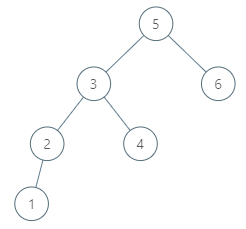
Input:
root = {"$id":"1","left":{"$id":"2","left":{"$id":"3","left":{"$id":"4","left":null,"parent":{"$ref":"3"},"right":null,"val":1},"parent":{"$ref":"2"},"right":null,"val":2},"parent":{"$ref":"1"},"right":{"$id":"5","left":null,"parent":{"$ref":"2"},"right":null,"val":4},"val":3},"parent":null,"right":{"$id":"6","left":null,"parent":{"$ref":"1"},"right":null,"val":6},"val":5}
p = 6
Output: null
Explanation: There is no in-order successor of the current node, so the answer isnull.
Example 3:
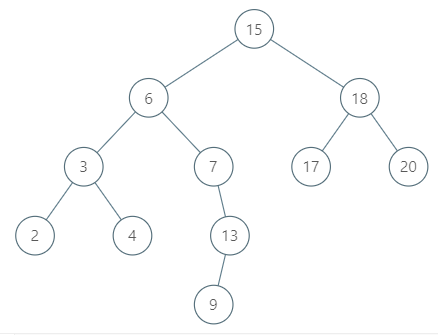
Input:

root = {"$id":"1","left":{"$id":"2","left":{"$id":"3","left":{"$id":"4","left":null,"parent":{"$ref":"3"},"right":null,"val":2},"parent":{"$ref":"2"},"right":{"$id":"5","left":null,"parent":{"$ref":"3"},"right":null,"val":4},"val":3},"parent":{"$ref":"1"},"right":{"$id":"6","left":null,"parent":{"$ref":"2"},"right":{"$id":"7","left":{"$id":"8","left":null,"parent":{"$ref":"7"},"right":null,"val":9},"parent":{"$ref":"6"},"right":null,"val":13},"val":7},"val":6},"parent":null,"right":{"$id":"9","left":{"$id":"10","left":null,"parent":{"$ref":"9"},"right":null,"val":17},"parent":{"$ref":"1"},"right":{"$id":"11","left":null,"parent":{"$ref":"9"},"right":null,"val":20},"val":18},"val":15}

p = 15

Output: 17
Example 4:
Input:

root = {"$id":"1","left":{"$id":"2","left":{"$id":"3","left":{"$id":"4","left":null,"parent":{"$ref":"3"},"right":null,"val":2},"parent":{"$ref":"2"},"right":{"$id":"5","left":null,"parent":{"$ref":"3"},"right":null,"val":4},"val":3},"parent":{"$ref":"1"},"right":{"$id":"6","left":null,"parent":{"$ref":"2"},"right":{"$id":"7","left":{"$id":"8","left":null,"parent":{"$ref":"7"},"right":null,"val":9},"parent":{"$ref":"6"},"right":null,"val":13},"val":7},"val":6},"parent":null,"right":{"$id":"9","left":{"$id":"10","left":null,"parent":{"$ref":"9"},"right":null,"val":17},"parent":{"$ref":"1"},"right":{"$id":"11","left":null,"parent":{"$ref":"9"},"right":null,"val":20},"val":18},"val":15}

p = 13

Output: 15
Note:
- If the given node has no in-order successor in the tree, return
null. - It's guaranteed that the values of the tree are unique.
- Remember that we are using the
Nodetype instead ofTreeNodetype so their string representation are different.
Follow up:
Could you solve it without looking up any of the node's values?
这道题是之前的那道 Inorder Successor in BST 的后续,之前那道题给了我们树的根结点,而这道题并没有确定给我们根结点,只是给了树的任意一个结点,然后让求给定结点的中序后继结点。这道题比较好的一点就是例子给的比较详尽,基本覆盖到了大部分的情况,包括一些很 tricky 的情况。首先来看例子1,结点1的中序后继结点是2,因为中序遍历的顺序是左-根-右。还是例子1,结点2的中序后续结点是3,这样我们就知道中序后续结点可以是其父结点或者右子结点。再看例子2,结点6的中序后续结点是空,因为其已经是中序遍历的最后一个结点了,所以没有后续结点。例子3比较 tricky,结点 15 的中序后续结点不是其右子结点,而是其右子结点的左子结点 17,这样才符合左-根-右的顺序。例子4同样 tricky,结点 13 的中序后继结点并不是其亲生父结点,而是其祖爷爷结点 15。
好,看完了这四个例子,我们应该心里有些数了吧。后继结点出现的位置大致可以分为两类,一类是在子孙结点中,另一类是在祖先结点中。仔细观察例子不难发现,当某个结点存在右子结点时,其中序后继结点就在子孙结点中,反之则在祖先结点中。这样我们就可以分别来处理,当右子结点存在时,我们需要找到右子结点的最左子结点,这个不难,就用个 while 循环就行了。当右子结点不存在,我们就要找到第一个比其值大的祖先结点,也是用个 while 循环去找即可,参见代码如下:
解法一:
class Solution {

public:

    Node* inorderSuccessor(Node* node) {

        if (!node) return nullptr;

        Node *res = nullptr;

        if (node->right) {

            res = node->right;

            while (res && res->left) res = res->left;

        } else {

            res = node->parent;

            while (res && res->val < node->val) res = res->parent;

        }

        return res;

    }

};
本题的 Follow up 让我们不要访问结点值,那么上面的解法就不行了。因为当 node 没有右子结点时,我们没法通过比较结点值来找到第一个大于 node 的祖先结点。虽然不能比较结点值了,我们还是可以通过 node 相对于其 parent 的位置来判断,当 node 是其 parent 的左子结点时,我们知道此时 parent 的结点值一定大于 node,因为这是二叉搜索树的性质。若 node 是其 parent 的右子结点时,则将 node 赋值为其 parent,继续向上找,直到其 parent 结点不存在了,此时说明不存在大于 node 值的祖先结点,这说明 node 是 BST 的最后一个结点了,没有后继结点,直接返回 nullptr 即可,参见代码如下:
解法二:
class Solution {

public:

    Node* inorderSuccessor(Node* node) {

        if (!node) return nullptr;

        if (node->right) {

            node = node->right;

            while (node && node->left) node = node->left;

            return node;

        }

        while (node) {

            if (!node->parent) return nullptr;

            if (node == node->parent->left) return node->parent;

            node = node->parent;

        }

        return node;

    }

};
Github 同步地址:
https://github.com/grandyang/leetcode/issues/510
类似题目:
参考资料:
https://leetcode.com/problems/inorder-successor-in-bst-ii/
LeetCode All in One 题目讲解汇总(持续更新中...)
[LeetCode] Inorder Successor in BST II 二叉搜索树中的中序后继节点之二的更多相关文章
- [LeetCode] Inorder Successor in BST 二叉搜索树中的中序后继节点
Given a binary search tree and a node in it, find the in-order successor of that node in the BST. No ...
- [LeetCode] 285. Inorder Successor in BST 二叉搜索树中的中序后继节点
Given a binary search tree and a node in it, find the in-order successor of that node in the BST. Th ...
- [Swift]LeetCode285. 二叉搜索树中的中序后继节点 $ Inorder Successor in BST
Given a binary search tree and a node in it, find the in-order successor of that node in the BST. Th ...
- 给定一个二叉搜索树的根节点 root 和一个值 key,删除二叉搜索树中的 key 对应的节点,并保证二叉搜索树的性质不变。返回二叉搜索树(有可能被更新)的根节点的引用
一般来说,删除节点可分为两个步骤: 首先找到需要删除的节点: 如果找到了,删除它. 说明: 要求算法时间复杂度为 O(h),h 为树的高度. 示例: root = [5,3,6,2,4,null,7] ...
- [Swift]LeetCode450. 删除二叉搜索树中的节点 | Delete Node in a BST
Given a root node reference of a BST and a key, delete the node with the given key in the BST. Retur ...
- Java实现 LeetCode 450 删除二叉搜索树中的节点
450. 删除二叉搜索树中的节点 给定一个二叉搜索树的根节点 root 和一个值 key,删除二叉搜索树中的 key 对应的节点,并保证二叉搜索树的性质不变.返回二叉搜索树(有可能被更新)的根节点的引 ...
- 刷题-力扣-230. 二叉搜索树中第K小的元素
230. 二叉搜索树中第K小的元素 题目链接 来源:力扣(LeetCode) 链接:https://leetcode-cn.com/problems/kth-smallest-element-in-a ...
- LeetCode Inorder Successor in BST
原题链接在这里:https://leetcode.com/problems/inorder-successor-in-bst/ Given a binary search tree and a nod ...
- [LeetCode] Delete Node in a BST 删除二叉搜索树中的节点
Given a root node reference of a BST and a key, delete the node with the given key in the BST. Retur ...
随机推荐
- 关于import引入的方式
引入第三方插件 import vue from 'vue' 按需求引入 import { myaxios } from './util'; 下面是写法,需要export导出 export functi ...
- [Kubernetes]关于 Kubernetes ,你想要的,都在这儿了
陆陆续续,关于 Kubernetes 写了有 20+ 篇文章了. 今天这篇文章来一个整合,从实践到理论,可以按需查看(我是按照博客发表时间来排序的,如果后续有想要更新的内容,也会及时更新到这篇文章中) ...
- 面向对象原生JavaScript案例炫彩小球
面向对象其实对于初学者来说还是比较难以理解的,以前看到一个面试题目 面向对象是什么? 面向对象是一种思想,千万别入坑了: 这次给大家带来的是一个鼠标移动产生小球的案例,不是我不想给大家分享如何去认识面 ...
- loongson 2f 和u-boot中的cache命令对照
00000 Index Invalidate INDEX_INVALIDATE_I (I) 00001 Index WriteBack Invalidate INDEX_WRITEBACK_INV_D ...
- Maven Install报错:Perhaps you are running on a JRE rather than a JDK?
我用的是idea,解决办法是:安装jdk,配置环境变量
- vscode中tab键无法触发emmet快捷生成
1.file——preference——setting 2.点击user setting的extensions 3.点击emmet 4.emmet下的edit in settings.json.添加代 ...
- ORACLE安装报错解决
今天在虚拟机中安装了一个WINDOWS系统,用于安装oracle服务器:从安装到使用中出现了很多的问题,把这些问题解决掉,花了不少时间,查了不少的资料. 第一个,我在安装过程中,出现了ORA-0092 ...
- flex"
很久以前,有面试官问过我如何实现"
- sublime text 3 package Install 安装失败解决方法
失败原因为官网地址被墙,导致channel_v3文件无法访问. 解决方法: 点击Preferences——>Package Settings——>Package Control——> ...
- js中的传值和传引用,判断两个数组是否相等
所谓js的中的传值,其实也就是说5种基本数据类型(null,undefind,boolean,number,string) 传引用也就是说的那个引用数据类型,(array和objec) 基本数据类型的 ...