
算法:非平衡二叉搜索树(UnBalanced Binary Search Tree)
背景
很多场景下都需要将元素存储到已排序的集合中。用数组来存储,搜索效率非常高: O(log n),但是插入效率比较低:O(n)。用链表来存储,插入效率和搜索效率都比较低:O(n)。如何能提供插入和搜索效率呢?这就是二叉搜索树的由来,本文先介绍非平衡二叉搜索树。
非平衡二叉搜索树
规则
所有节点的左节点小于节点,所有节点的右节点大于等于自身,即:node.value > node.left.value && node.value <= node.right.value。
示例
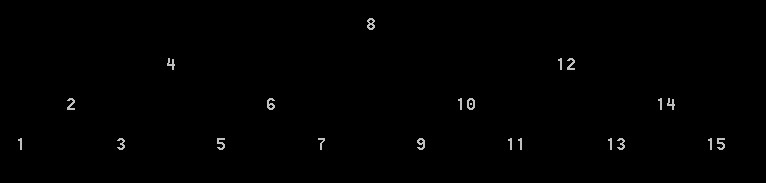
根据上面的规则,我们也很容易找到最大值和最小值,后面也会用到这种算法。最大值可以通过递归方法 node.right 得到,最小值可以递归 node.left 得到。
为什么叫非平衡?
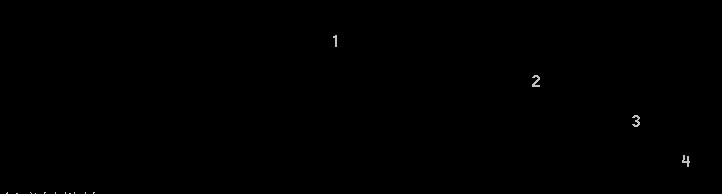
说明:下图变成链表了,这会导致效率非常低,后面找机会再介绍平衡算法。
实现
搜索、遍历(前序、中序和后序)、添加算法都比较简单,可以直接看后面的代码,这里重点介绍一下删除算法。
如何删除元素?
第一步:要找到删除的元素(current)。
第二步:判断 current 满足如下哪种场景:
- current.Right == null
示例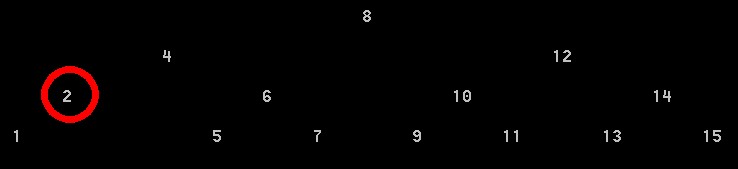
代码if (parent == null)
{
this.Root = current.Left;
}
else if (isLeft)
{
parent.Left = current.Left;
}
else
{
parent.Right = current.Left;
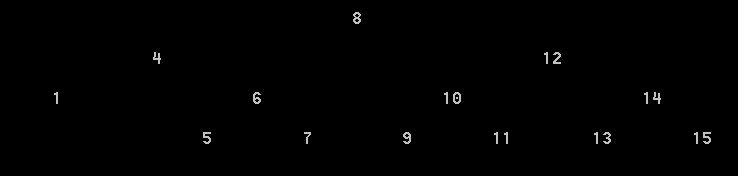
}结果
- current.Right != null && current.Right.Left == null
示例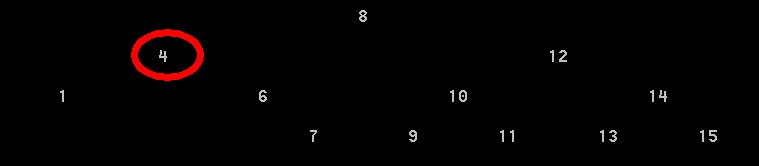
代码current.Right.Left = current.Left; if (parent == null)
{
this.Root = current.Right;
}
else if (isLeft)
{
parent.Left = current.Right;
}
else
{
parent.Right = current.Right;
}结果
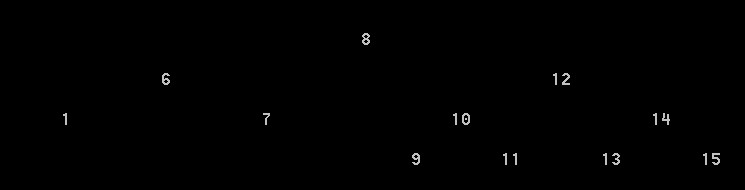
- current.Right != null && current.Right.Left != null
示例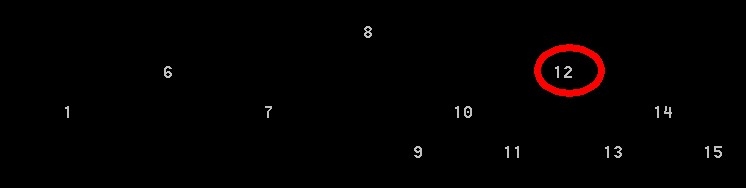
代码Node<T> currentRightSmallestParent = current.Right;
var currentRightSmallest = current.Right.Left; this.FindSmallest(ref currentRightSmallestParent, ref currentRightSmallest); currentRightSmallestParent.Left = currentRightSmallest.Right;
currentRightSmallest.Left = current.Left;
currentRightSmallest.Right = current.Right;
if (parent == null)
{
this.Root = currentRightSmallest;
}
else if (isLeft)
{
parent.Left = currentRightSmallest;
}
else
{
parent.Right = currentRightSmallest;
}结果

说明
这里的重点是 FindSmallest,找出 current.Right.Left 子树中最小的元素,然后用它替换 current。
完整代码
using System;
using System.Collections.Generic;
using System.Linq;
using System.Text;
using System.Threading.Tasks; namespace DataStuctureStudy.Trees
{
class UnBalancedBinarySearchTree
{
class Node<T>
where T : IComparable<T>
{
public T Value { get; set; } public Node<T> Left { get; set; } public Node<T> Right { get; set; } public void InOrderTraverse(Action<T> action)
{
if (this.Left != null)
{
this.Left.InOrderTraverse(action);
} action(this.Value); if (this.Right != null)
{
this.Right.InOrderTraverse(action);
}
} public int Depth()
{
var leftDepth = ;
var rightDepth = ; if (this.Left != null)
{
leftDepth = this.Left.Depth();
}
if (this.Right != null)
{
rightDepth = this.Right.Depth();
} return
leftDepth > rightDepth
? leftDepth +
: rightDepth + ;
}
} public class Tree<T>
where T : IComparable<T>
{
private Node<T> Root { get; set; } public void Display()
{
Console.WriteLine(); if (this.Root == null)
{
return;
} var depth = this.Root.Depth();
var buffers = new string[depth][];
for (int i = ; i < buffers.Length; i++)
{
buffers[i] = new string[(int)(Math.Pow(, depth) - )];
} this.BuildArray(this.Root, depth, buffers, , ); for (int i = ; i < buffers.Length; i++)
{
for (int j = ; j < buffers[i].Length; j++)
{
if (buffers[i][j] == null)
{
Console.Write(new string(' ', ));
}
else
{
var leftPad = ( - buffers[i][j].Length) / ;
Console.Write(buffers[i][j]
.PadLeft(leftPad + buffers[i][j].Length)
.PadRight());
}
}
Console.WriteLine();
Console.WriteLine();
}
} private void BuildArray(Node<T> node, int nodeDepth, string[][] buffers, int row, int startColumn)
{
if (node == null)
{
return;
} var nodeWidth = Math.Pow(, nodeDepth) - ;
var column = (int)(startColumn + nodeWidth / ); buffers[row][column] = node.Value.ToString(); this.BuildArray(node.Left, nodeDepth - , buffers, row + , startColumn);
this.BuildArray(node.Right, nodeDepth - , buffers, row + , column + );
} public bool Contains(T item)
{
var current = this.Root; while (current != null)
{
if (item.CompareTo(current.Value) == )
{
return true;
}
else if (item.CompareTo(current.Value) < )
{
current = current.Left;
}
else
{
current = current.Right;
}
} return false;
} public void InOrderTraverse(Action<T> action)
{
if (this.Root != null)
{
this.Root.InOrderTraverse(action);
}
} public void Insert(T item)
{
var node = new Node<T> { Value = item }; Node<T> parent = null;
var current = this.Root;
var isLeft = false; while (current != null)
{
parent = current; if (item.CompareTo(current.Value) < )
{
current = current.Left;
isLeft = true;
}
else
{
current = current.Right;
isLeft = false;
}
} if (parent == null)
{
this.Root = node;
}
else if (isLeft)
{
parent.Left = node;
}
else
{
parent.Right = node;
}
} public bool Delete(T item)
{
Node<T> parent = null;
var current = this.Root;
var isLeft = false; this.Find(item, ref parent, ref current, ref isLeft); if (current == null)
{
return false;
} if (current.Right == null)
{
                     if (parent == null)

                     {

                         this.Root = current.Left;

                     }

                     else if (isLeft)

                     {

                         parent.Left = current.Left;

                     }

                     else

                     {

                         parent.Right = current.Left;

                     }
}
else if (current.Right != null && current.Right.Left == null)
{
                     current.Right.Left = current.Left;

                     if (parent == null)

                     {

                         this.Root = current.Right;

                     }

                     else if (isLeft)

                     {

                         parent.Left = current.Right;

                     }

                     else

                     {

                         parent.Right = current.Right;

                     }
}
else
{
                     Node<T> currentRightSmallestParent = current.Right;

                     var currentRightSmallest = current.Right.Left;

                     this.FindSmallest(ref currentRightSmallestParent, ref currentRightSmallest);

                     currentRightSmallestParent.Left = currentRightSmallest.Right;

                     currentRightSmallest.Left = current.Left;

                     currentRightSmallest.Right = current.Right;

                     if (parent == null)

                     {

                         this.Root = currentRightSmallest;

                     }

                     else if (isLeft)

                     {

                         parent.Left = currentRightSmallest;

                     }

                     else

                     {

                         parent.Right = currentRightSmallest;

                     }
} return true;
} private void Find(T item, ref Node<T> parent, ref Node<T> current, ref bool isLeft)
{
while (current != null)
{
if (item.CompareTo(current.Value) == )
{
break;
} parent = current; if (item.CompareTo(current.Value) < )
{
current = current.Left;
isLeft = true;
}
else
{
current = current.Right;
isLeft = false;
}
}
} private void FindSmallest(ref Node<T> parent, ref Node<T> current)
{
while (current != null)
{
if (current.Left == null)
{
break;
} parent = current;
current = current.Left;
}
}
}
}
}
备注
学完这个树的最大收获就是,找到了一种输出树形结构相对高效的方法,比我之前用的高效,这种算法可以用在组织结构图的生成中。
算法:非平衡二叉搜索树(UnBalanced Binary Search Tree)的更多相关文章
- [数据结构]——二叉树(Binary Tree)、二叉搜索树(Binary Search Tree)及其衍生算法
二叉树(Binary Tree)是最简单的树形数据结构,然而却十分精妙.其衍生出各种算法,以致于占据了数据结构的半壁江山.STL中大名顶顶的关联容器--集合(set).映射(map)便是使用二叉树实现 ...
- 二叉搜索树BST(Binary Search Tree)
二叉搜索树(Binary Search Tree)也叫二叉排序树或二叉查找树.它满足以下性质: 1.非空左子树的所有键值小于其根结点的键值: 2.非空右子树的所有键值大于其根结点的键值: 3.左右子树 ...
- 【数据结构05】红-黑树基础----二叉搜索树(Binary Search Tree)
目录 1.二分法引言 2.二叉搜索树定义 3.二叉搜索树的CRUD 4.二叉搜索树的两种极端情况 5.二叉搜索树总结 前言 在[算法04]树与二叉树中,已经介绍过了关于树的一些基本概念以及二叉树的前中 ...
- 二叉搜索树(Binary Search Tree)
二叉搜索树(BST,Binary Search Tree),也称二叉排序树或二叉查找树. 二叉搜索树:一棵二叉树,可以为空:如果不为空,满足以下性质: 非空左子树的所有键值小于其根结点的键值: 非空右 ...
- 原生JS实现二叉搜索树(Binary Search Tree)
1.简述 二叉搜索树树(Binary Search Tree),它或者是一棵空树,或者是具有下列性质的二叉树: 若它的左子树不空,则左子树上所有结点的值均小于它的根结点的值: 若它的右子树不空,则右子 ...
- 二叉搜索树(Binary Search Tree)--C语言描述(转)
图解二叉搜索树概念 二叉树呢,其实就是链表的一个二维形式,而二叉搜索树,就是一种特殊的二叉树,这种二叉树有个特点:对任意节点而言,左孩子(当然了,存在的话)的值总是小于本身,而右孩子(存在的话)的值总 ...
- [Swift]LeetCode98. 验证二叉搜索树 | Validate Binary Search Tree
Given a binary tree, determine if it is a valid binary search tree (BST). Assume a BST is defined as ...
- [Swift]LeetCode173. 二叉搜索树迭代器 | Binary Search Tree Iterator
Implement an iterator over a binary search tree (BST). Your iterator will be initialized with the ro ...
- 数据结构-二叉搜索树(BST binary search tree)
本文由@呆代待殆原创,转载请注明出处:http://www.cnblogs.com/coffeeSS/ 二叉搜索树简介 顾名思义,二叉搜索树是以一棵二叉树来组织的,这样的一棵树可以用一个链表数据结构来 ...
- [Swift]LeetCode99. 恢复二叉搜索树 | Recover Binary Search Tree
Two elements of a binary search tree (BST) are swapped by mistake. Recover the tree without changing ...
随机推荐
- OSI & TCP/IP 参考模型
OSI参考模型的结构 OSI划分七层结构的基本原则 网中各结点都具有相同的层次: 不同结点的同等层具有相同的功能: 同一结点内相邻层之间通过接口通信: 每一层可以使用下层提供的服务,并向其上层提供服务 ...
- C++之客户消费积分管理系统
之前数据结构课程设计要求做这么一个小程序,现在贴上源码,来和大家进行交流学习,希望大家给出意见和建议 程序以链表为主要数据结构对客户信息进行存储,对身份证号码判断了位数及构成(前十七位为数字,最后一位 ...
- HashMap 在 Java1.7 与 1.8 中的区别
hashMap 数据结构 如上图所示,JDK7之前hashmap又叫散列链表:基于一个数组以及多个链表的实现,hash值冲突的时候,就将对应节点以链表的形式存储. JDK8中,当同一个hash值(Ta ...
- ubuntu 14.04 Bob 安装
1. 附件依赖项安装$ sudo add-apt-repository ppa:biometrics/bob $ sudo apt-get update $ sudo apt-get install ...
- mysql 触发器(Trigger)简明总结和使用实例
一,什么触发器 1,个人理解触发器,从字面来理解,一触即发的一个器,简称触发器(哈哈,个人理解),举个例子吧,好比天黑了,你开灯了,你看到东西了.你放炮仗,点燃了,一会就炸了.2,官方定义触发器(tr ...
- Spring boot集成Mybatis-Plus,通用Mapper
Mybatis-Plus(简称MP)是一个 Mybatis 的增强工具,在 Mybatis 的基础上只做增强不做改变,为简化开发.提高效率而生.(摘自mybatis-plus官网)Mybatis虽然已 ...
- C++ 几种经典的垃圾回收算法
之前遇到了一篇好文(https://blog.csdn.net/wallwind/article/details/6889917)准备学习一下的,课程繁忙就忘记了,今日得闲,特来补一下. 自己写一遍加 ...
- iOS 9应用开发教程之定制应用程序图标以及真机测试
iOS 9应用开发教程之定制应用程序图标以及真机测试 定制ios9应用程序图标 在图1.12中可以看到应用程序的图标是网状白色图像,它是iOS模拟器上的应用程序默认的图标.这个图标是可以进行改变的.以 ...
- 机器学习之路:python 集成回归模型 随机森林回归RandomForestRegressor 极端随机森林回归ExtraTreesRegressor GradientBoostingRegressor回归 预测波士顿房价
python3 学习机器学习api 使用了三种集成回归模型 git: https://github.com/linyi0604/MachineLearning 代码: from sklearn.dat ...
- 排序算法之直接插入排序Java实现
排序算法之直接插入排序 舞蹈演示排序: 冒泡排序: http://t.cn/hrf58M 希尔排序:http://t.cn/hrosvb 选择排序:http://t.cn/hros6e 插入排序: ...