
Design Pattern: Not Just Mixin Pattern
Brief
从Mix-In模式到Mixin模式,中文常用翻译为“混入/织入模式”。单纯从名字上看不到多少端倪,而通过采用Mixin模式的jQuery.extend我们是否可以认为Mixin模式就是深拷贝的代名词呢?
本文试图从继承机制入手对Mixin模式进行剖析,若有纰漏请大家指正,谢谢。
The Fact of Inheritance
首先让我们一起探讨一下继承机制吧。作为OOP的三个重要特性(Inheritance,Polymorphism,and Encapsulation)之一,继承应该是和Encapsulation关系最紧密。
试想一下,现在我们得到需求分析后要对问题做概念模型设计,过程大概就是从具象化->抽象化->再具象化,而在抽象化时自然而然需要提取具象的共同点得到简单直接的识别模型(如:广东人啥都吃,外国教育就是好),而再具象化时则需要构建更为明确的含义更丰富的认知模型(广东人有的吃猫肉,有的不吃),但它始终是识别模型的具象,也就始终依赖识别模型。
认知模型 多对多 识别模型,如 广东人有的会做生意,有的喜欢打工(广东人有的吃猫肉,有的不吃) 对 广东人会做生意(广东人啥都吃)
PS:认知模型、识别模型均为本人老作出来,识别模型就如文章title,略看后大概知道文章方向;认知模型如文章的content,细看才了解文章的含义。
The Diamond Problem from Multiple Inheritance
从上文了解到认知模型可对应多个识别模型,那么自然而然就需要多继承了,而C++和Python均支持这一语言特性。
示例:
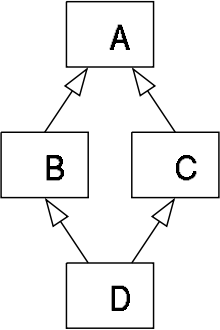
D类为B、C的派生类,A类有方法M,若C重写方法M,若现在通过D类的实例调用方法M,那么到底是调用A类中的方法实现,还是C类中的方法实现呢?这个就是著名的Diamond Problem。
本质上是,对象在同一时间拥有多条继承链,并且相同的成员签名出现在>1条继承链上,在无优先级或其他约束条件的情况下自然是找不到北的哦。
Cons:1. 随着项目规模发展,类间继承关系愈发复杂,继承链增多,容易发生Diamond Problem。
Single Inheritance Plus Multiple Interfaces
鉴于多继承引起的问题,Java和C#、Ruby、Scala等后来者均 采用单继承+多接口 的继承机制。
单继承,导致对象无法在同一时间拥有多条继承链,从而防止Diamond Problem的发生。
多接口,定义行为契约和状态(严格的接口仅含行为契约),不含具体的行为实现,表达like-a语义。
但问题又随之产生,在撸ASP.NET MVC时项目组一般都会在ConcreteController和Controller间加>=1层的BaseController,然后各种Logger、Authentication、Authorization和Utils均塞到BaseController里面,然后美其名为基(鸡)类(肋)。这时你会发现BaseController中的成员(方法、字段)是无机集合,要靠#region...#endregion来划分功能区间,然后随着项目规模的扩大,各种狗死垃圾都往BaseController猛塞。那为什么不用Interface来做真抽象呢?那是因为Interface只能包含方法定义,具体实现则由派生类提供。BaseController的作用却是让派生类共享有血有肉的行为能力,难道还有每个ConcreteController去实现代码完全一样的Logger吗?
Cons:1. 在需要行为能力组合的情况下显得乏力。
由于上述问题,所以我们在开发时建议 组合优于继承,但如果组合是在BaseController上实现,那跟采用#region...#endregion划分代码片段是无异的。我们希望的是在ConcreteController直接组合Logger、Authentication等横切面功能。为什么呢?因为不是所有横切面功能都被ConcreteController所需要的,加入在BaseController中则增加冗余甚至留下隐患。
Make Mixin Pattern Clear
由于Multiple Inheritance容易诱发Diamond Problem,而Single Inheritance Plus Multiple Interfaces则表达乏力,那么可以引入其他方式完善上述问题呢?Mixin Pattern则是其中一种。
首先找个实现了Mixin Pattern的而我们又熟悉的实例,以便好好分析学习。很自然地我把目光投到了jQuery.extend函数,$.extend(target/*, ...args*/)会将args的成员(方法+字段)都拷贝到target中,然后target就拥有args的特性,后续处理过程中外界就可以将target当做args中的某个对象来用了。(Duck Type)
好了现在我们可以提取一下Mixin Pattern的特点:
1. Roles:Mixin原料(args)、Mixin对象(target);
2. 将Mixin原料的成员(方法+字段)复制到Mixin对象中,然后Mixin对象就拥有Mixin原料的特性。
是不是这样就将Mixin Pattern描述完整了呢?当然不是啦,上面两条仅能作为初识时的印象而已。
Mixin Pattern的真实面目应该是这样的:
1. Roles:Mixin Source & Mixin Target;
2. Mixin Source将织入自身的所有成员(方法和字段)到Mixin Target;
3. Mixin Source织入的方法必须具备实现,而不仅仅是签名而已;
4. Mixin Source 和 Mixin Target相互独立。就是Mixin Target与Mixin Source互不依赖,Target即使移除Source的成员依然有效,而Source也不针对Target来设计和编码;
5. 若存在签名相同的成员,后来者覆盖前者还是保留,还是以其他规则处理都是正常的;(对象的继承链依然只有一条,因此若存在签名相同的成员,其实还是好办的^_^)
另外Mixin Pattern还细分为 对类进行Mixin(Mixin Classes) 和 对对象进行Mixin(Mixin Objects) 两种实现形式
Mixin Class
// 引入defc.js库

/* 定义mixin source */

var mixins1 = {

  name: 'fsjohnhuang',

  getName: function(){return this.name}

}

var mixins2 = {

  author: 'Branden Eich',

  getAuthor: function(){return this.author}

}

/*** 类定义时织入 ***/

var JS = defc('JS', [mixins1], {

  ctor: function(){},

  version: ,

  getVersion: function(){return this.version}

})

// 实例化

var js = new JS()

js.getName() // 返回 fsjohnhuang

js.getVersion() // 返回1

/*** 类定义后织入 ***/

JS._mixin(mixins2 )

js.getAuthor() // 返回Branden Eich
Mixin Class对类织入字段和方法,因此会影响到所有类实例 和 继承链上的后续节点(既是其派生类)。
Mixin Object
// 引入defc.js库

/* 定义mixin source */

var mixins1 = {

  name: 'fsjohnhuang',

  getName: function(){return this.name}

}

var JS = defc('JS')

/*** 对Object进行Mixin ***/

var js = new JS()

defc.mixin(js, mixins1)

js.getName() //返回fsjohnhunag
Mixin Object对实例本身织入字段和方法,因此仅仅影响实例本身而已。
注意:Mixin Source实质为字段和方法的集合,而类、对象或模块等均仅仅是集合的形式而已。
上述代码片段使用的类继承实现库defc.js源码(处于实验阶段)如下:
/*!

 * defc

 * author: fsjohnhuang

 * version: 0.1.0

 * blog: fsjohnhuang.cnblogs.com

 * description: define class with single inheritance, multiple mixins

 * sample:

 *   defc('omg.JS', {

 *     ctor: function(version){

 *         this.ver = verison

 *     },

 *     author: 'Brendan Eich',

 *     getAuthor: function(){ return this.author }

 *   })

 *   var ES5 = defc('omg.ES5', 'omg.JS', {

 *        ctor: function(version){}

 *   })

 *   var mixins = [{isGreat: true, hasModule: function(){return true}}]

 *   var ES6 = defc('omg.ES6', ES5, mixins, {

 *        ctor: function(version){},

 *      getAuthor: function(){

 *            var author = zuper() // invoke method of super class which is the same signature

 *            return [author, 'JSers']

 *      }

 *   })

 *   var es6 = new ES6('2015')

 *   var es6_copy = new ES6('2015')

 *   assert.deepEquals(['Branden Eich', 'JSers'], es6.getAuthor())

 *   assert.equals(true, es6.isGreat)

 *   ES6._mixin({isGreat: false})

 *   assert.equals(false, es6_copy.isGreat)

 *

 *   defc.mixin(es6, {isGreat: true})

 *   assert.equals(true, es6.isGreat)

 *   assert.equals(false, es6_copy.isGreat)

 */

;(function(factory){

        var require = function(module){ return require[module] }

        require.utils = {

            isArray: function(obj){

                return /Array/.test(Object.prototype.toString.call(obj))

            },

            isFn: function(obj){

                return typeof obj === 'function'

            },

            isObj: function(obj){

                return /Object/.test(Object.prototype.toString.call(obj))

            },

            isStr: function(obj){

                return '' + obj === obj

            },

            noop: function(){}

        }

        factory(require, this)

}(function(require, exports){

    var VERSION = '0.1.0'

    var utils = require('utils')

    var clazzes = {}

    /**

     * @method defc

     * @public

     * @param {DOMString} clzName - the full qualified name of class, i.e. com.fsjohnhuang.Post

     * @param {Function|DOMString|Array.<Object>|Object} [zuper|mixins|members] - super class, mixin classes array or members of class

     * @param {Array.<Object>|Object} [mixins|members] - mixin classes array or members of class

     * @param {Object} [members] - members of class. ps: property "ctor" is the contructor of class

     * @returns {Object}

     */

    var defc = exports.defc = function(clzName, zuper, mixins, members){

        if (clazzes[clzName]) return clazzes[clzName].ctor

        var args = arguments, argCount = args.length

        members = utils.isObj(args[argCount-]) && args[argCount-] || {}

        mixins = utils.isArray(mixins) && mixins || utils.isArray(zuper) && zuper || []

        zuper = utils.isFn(zuper) && zuper || utils.isStr(zuper) && clazzes[zuper] && clazzes[zuper].ctor ||

        var clz = clazzes[clzName] = {}

        var ctor = clz.ctor = function(){

            // execute constructor of super class

            if (zuper) zuper.apply(this, arguments)

            // execute constructor

            members.ctor && members.ctor.apply(this, arguments)

            // contruct public fields

            for(var m in members)

                if(utils.isFn(this[m] = members[m])) delete this[m]

        }

        ctor.toString = function(){ return (members.ctor || utils.noop).toString() }

        // extends super class

        if (zuper){

            var M = function(){}

            M.prototype = zuper.prototype

            ctor.prototype = new M()

            ctor.prototype.contructor = members.ctor || utils.noop

        }

        // construct public methods

        for(var m in members)

            if(m === 'ctor' || !utils.isFn(members[m])) continue

            else if(!(zuper.prototype || zuper.constructor.prototype)[m]) ctor.prototype[m] = members[m]

            else (function(m){

                // operate the memebers of child within the methods of super class

                var _super = function(self){ return function(){ return (zuper.prototype || zuper.constructor.prototype)[m].apply(self, arguments)} }

                var fnStr = members[m].toString()

                    , idx = fnStr.indexOf('{') +

                    , nFnStr = fnStr.substring(, idx) + ';var zuper = _super(this);' + fnStr.substring(idx)

                eval('ctor.prototype[m] = ' + nFnStr)

            }(m))

        // do shallow mixins

        for(var mixin in mixins)

            for(var m in mixins[mixin]) ctor.prototype[m] = mixins[mixin][m]

        // additional methods

        ctor._mixin = function(/*...mixins*/){

            var mixins = arguments

            for(var mixin in mixins)

                for(var m in mixins[mixin]) this.prototype[m] = mixins[mixin][m]

        }

        return ctor

    }

    /**

     * @method defc.mixin

     * @public

     * @param {Any} obj - mixin target

     * @param {...Object} mixins - mixin source

     */

    defc.mixin = function(obj/*, ...mixins*/){

        var mixins = Array.prototype.slice.call(arguments, )

        for(var mixin in mixins)

            for(var m in mixins[mixin]) obj[m] = mixins[mixin][m]

    }

}))
Conclusion
后续我们将继续探讨C#和Java实现Mixin Pattern的方式,敬请期待,哈哈!
尊重原创,转载请注明来自:http://www.cnblogs.com/fsjohnhuang/p/4634039.html ^_^肥子John
Thanks
http://hax.iteye.com/blog/182339
http://cxyclub.cn/n/34324/
http://wiki.jikexueyuan.com/project/javascript-design-patterns/mixin.html
http://www.zhihu.com/question/20778853
https://en.wikipedia.org/wiki/Mixin
https://en.wikipedia.org/wiki/Multiple_inheritance#The_diamond_problem
http://codecrafter.blogspot.com/2011/03/c-mixins-with-state.html
http://codecrafter.blogspot.com/2010/02/c-quasi-mixins-example.html
http://stackoverflow.com/questions/6644668/mixins-with-c-sharp-4-0
http://www.sitepoint.com/ruby-mixins-2/
http://www.tutorialspoint.com/ruby/ruby_object_oriented.htm
http://www.ibm.com/developerworks/cn/java/j-diag1203/
http://www.linuxjournal.com/node/4540/print
Design Pattern: Not Just Mixin Pattern的更多相关文章
- python正则表达式基础,以及pattern.match(),re.match(),pattern.search(),re.search()方法的使用和区别
正则表达式(regular expression)是一个特殊的字符序列,描述了一种字符串匹配的模式,可以用来检查一个字符串是否含有某种子字符串. 将匹配的子字符串替换或者从某个字符串中取出符合某个条件 ...
- 【java设计模式】【创建模式Creational Pattern】单例模式Singleton Pattern
//饿汉式:资源利用率较低(无论是否需要都会创建),性能较高(使用前无需判断实例是否存在,可直接使用) public class EagerSingleton{ private static fina ...
- 设计模式复习小结一(Strategy Pattern/Observer Pattern/Decorator Patter/Factory Pattern)
目录: 前言 1. Stratrgy Pattern 2. Observer Pattern 3. Decorator Pattern 4. Factory Pattern 4.1 FactoryPa ...
- 【java设计模式】【结构模式Structural Pattern】装饰模式Decorator Pattern
public class Client { public static void main(String[] args) { Component component=new ConcreteCompo ...
- 【Pattern】-NO.150.Pattern.1 -【Pattern UML】
Style:Mac Series:Java Since:2018-09-10 End:2018-09-10 Total Hours:1 Degree Of Diffculty:5 Degree Of ...
- [转]Design Pattern Interview Questions - Part 4
Bridge Pattern, Composite Pattern, Decorator Pattern, Facade Pattern, COR Pattern, Proxy Pattern, te ...
- [转]Design Pattern Interview Questions - Part 3
State, Stratergy, Visitor Adapter and fly weight design pattern from interview perspective. (I) Can ...
- [转]Design Pattern Interview Questions - Part 1
Factory, Abstract factory, prototype pattern (B) What are design patterns? (A) Can you explain facto ...
- Design Pattern: Observer Pattern
1. Brief 一直对Observer Pattern和Pub/Sub Pattern有所混淆,下面打算通过这两篇Blog来梳理这两种模式.若有纰漏请大家指正. 2. Use Case 首先我们来面 ...
随机推荐
- android知识杂记(一)
记录项目中用的零碎知识点,用以备忘. android:screenOrientation:portrait 限制横屏 activity启动状态 singleTop 只执行一次,通常用在欢迎页面 sin ...
- Java虚拟机12:Java内存模型
什么是Java内存模型 Java虚拟机规范中试图定义一种Java内存模型(Java Memory Model,JMM)来屏蔽掉各种硬件和操作系统的访问差异,以实现让Java程序在各种平台下都能达到一致 ...
- 使用抓包工具SpyNet对你的网络进行监控
步骤1:下载并安装SpyNet Sniffer嗅探器之后,第一次运行SpyNet Sniffer后,将会弹出[Settings(设置)]对话框,在其中选择需要监听对象,如图所示. 步骤2:单击[Act ...
- 图文详解Unity3D中Material的Tiling和Offset是怎么回事
图文详解Unity3D中Material的Tiling和Offset是怎么回事 Tiling和Offset概述 Tiling表示UV坐标的缩放倍数,Offset表示UV坐标的起始位置. 这样说当然是隔 ...
- 国外社交网站获取分享数量APIs
之前有一篇文章详细介绍了如何获取网页在Facebook,Twitter和LinkedIn社交平台上分享的数量,点击这里查看.这里再扩充一下! Twitter GET URL: http://cdn.a ...
- 微信授权步骤与详解 -- c#篇
微信授权步骤与详解 -- c#篇 注:这里不涉及界面操作,只介绍代码操作. 1.基本原理如下: 从图上所知,第一步用户访问我们的网页,第二步我们后台跳转到微信授权页面,第三步用户点击授权,第四步微信重 ...
- 404 Not Found !
MyEclipse中tomcat服务器运行好好的, 却总是报错, 代码没啥问题啊!! 之前都是运行好好的, 难道是我广告不小心改了哪里引起的?于是对比,回退代码,但是结果还是一样的!! 一个简简单单的 ...
- Java基础之打印万年历
今天刚开的博客,第一篇博文,一篇关于Java基础的内容,水平有限,多多见谅,希望和大家在学习编程的路上共同进步. 问题:输入年,月,打印对应年月的日历. 示例: ----------- ...
- 启发式算法(Heuristic Algorithm)
背景: 李航的<统计学习方法>一书中提到:决策树算法通常采用启发式算法,故了解之 问题解答: 时间有限,这里也只是将算法和启发式算法的区别和简单发展摘录如下: 一.算法和启发式方法之间的差 ...
- [Linux]Linux下安装和配置solr/tomcat/IK分词器 详细实例二.
为了更好的排版, 所以将IK分词器的安装重启了一篇博文, 大家可以接上solr的安装一同查看.[Linux]Linux下安装和配置solr/tomcat/IK分词器 详细实例一: http://ww ...